What is New Orleans known for?
Short answer
New Orleans is world-renowned for its unique cultural synthesis of French, Spanish, African, and Caribbean influences. It is best known for its vibrant jazz music scene, distinctive Creole and Cajun cuisine, historic architecture in the French Quarter, and the annual Mardi Gras festival, which draws millions of visitors to the city each year.
On this page
Why is New Orleans culture so unique?
The city’s distinct identity stems from its complex colonial history under both French and Spanish rule before its 1803 purchase by the United States. This heritage created a "melting pot" that persists today in the city’s architecture, language, and social traditions. Unlike many other American cities, New Orleans preserves a strong sense of place characterized by its "joie de vivre," or joy of living, which prioritizes community, celebration, and culinary excellence over rigid schedules.
The cultural landscape is defined by a deep-seated appreciation for the arts and a relaxed social atmosphere. Residents often participate in "second lines," which are brass band parades that wind through neighborhood streets. This tradition originated from African American benevolent societies and remains a cornerstone of local life. To truly understand the city, one must look beyond the tourist-heavy French Quarter and explore the distinct neighborhoods like Treme, the oldest African American neighborhood in the United States, and the Garden District, known for its sprawling 19th-century mansions.
Best food to eat in New Orleans for beginners
New Orleans cuisine is divided into two primary styles: Creole and Cajun. Creole food, often called "city food," features sophisticated sauces and ingredients like tomatoes, which were historically available to wealthy urban residents. Cajun food, or "country food," is heartier and more rustic, relying on the "holy trinity" of onions, bell peppers, and celery. Beginners should prioritize trying these iconic dishes to understand the local palate:
- Gumbo: A thick, flavorful stew served over rice, typically made with a dark roux.
- Jambalaya: A one-pot dish combining rice, vegetables, and meats like sausage or shrimp.
- Beignets: Deep-fried dough covered in powdered sugar, most famously served at Café Du Monde.
- Po’boys: A traditional sandwich on crusty French bread, usually stuffed with fried seafood or roast beef.
When dining, avoid the common mistake of only eating at restaurants located directly on Bourbon Street. These establishments are often overpriced and cater exclusively to tourists. Instead, venture into neighborhoods like Mid-City or the Marigny, where locals dine. Always ask your server for the "catch of the day" or the seasonal specialty, as the city’s proximity to the Gulf of Mexico ensures a constant supply of fresh, high-quality seafood.
How to experience the jazz music scene
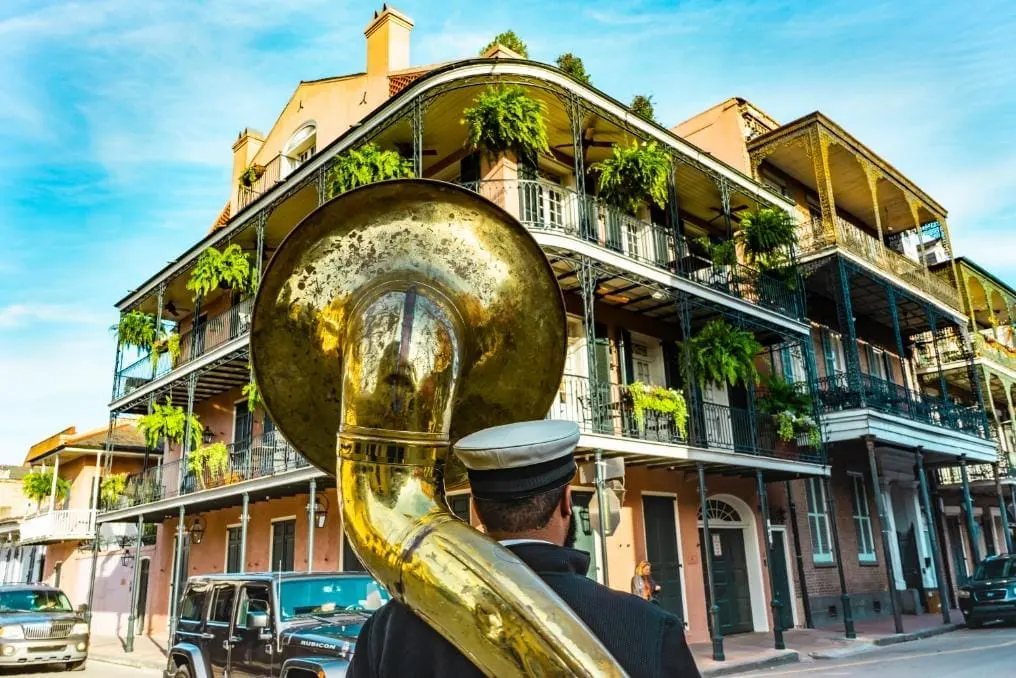
Jazz is the heartbeat of New Orleans, having emerged here in the late 19th and early 20th centuries. The city’s musical roots are a blend of blues, ragtime, and brass band traditions. While many visitors flock to the clubs on Bourbon Street, the most authentic musical experiences are found on Frenchmen Street in the Marigny neighborhood. This area is home to legendary venues where local musicians perform nightly, offering a much more intimate atmosphere than the larger, commercialized bars.
To navigate the music scene like a local, follow these suggestions:
- Check the "WWOZ Livewire" online music calendar daily to see which bands are playing where.
- Arrive at venues early to secure a seat, as popular spots fill up quickly by 9:00 PM.
- Bring cash to tip the band, as this is the primary way musicians are compensated for their sets.
- Respect the performance by keeping conversations low while the band is playing, especially in smaller clubs.
How long does it take to see the French Quarter?
The French Quarter, or Vieux Carré, is the oldest neighborhood in the city, dating back to 1718. While you can walk through the main streets in a few hours, a thorough exploration of the area’s history and hidden courtyards requires at least two full days. The district spans roughly 70 square blocks, and its narrow streets are best navigated on foot to appreciate the intricate ironwork balconies and hidden gardens that are not visible from a car.
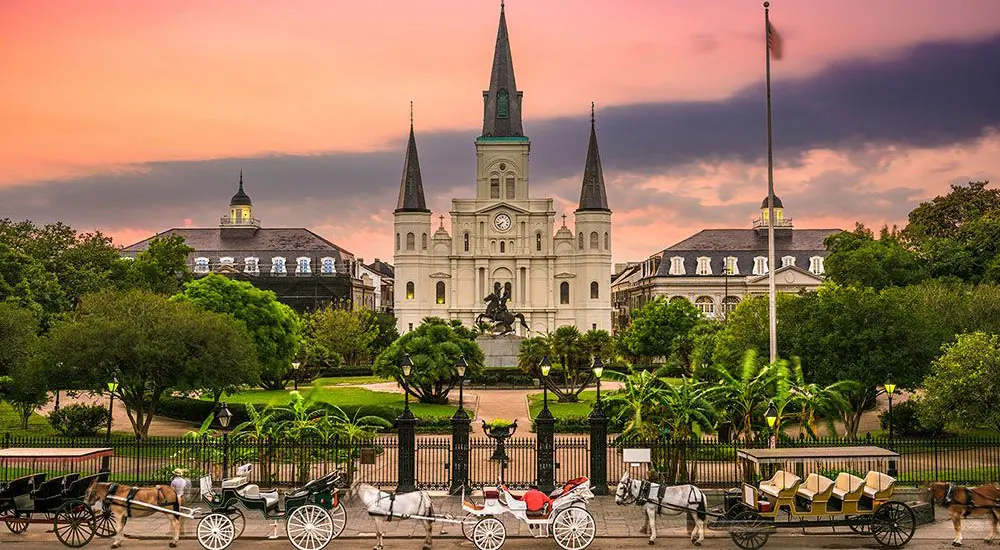
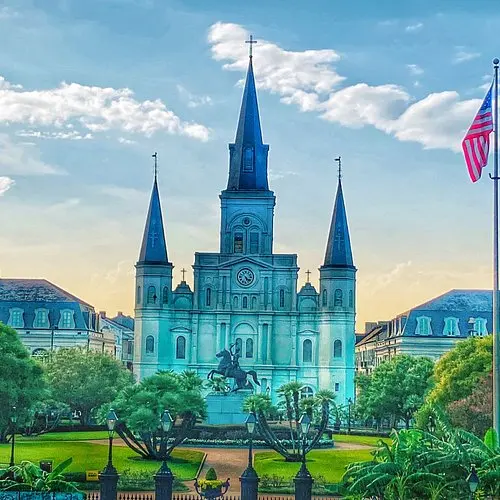
A common mistake is trying to see the entire district in a single afternoon. Visitors who rush often miss the quiet beauty of places like the Hermann-Grima House or the historic architecture of Royal Street. If you have limited time, focus on the area surrounding Jackson Square and the St. Louis Cathedral. From there, walk toward the riverfront to see the Moon Walk, a promenade that offers a scenic view of the Mississippi River. Taking the time to wander without a rigid agenda is the best way to uncover the district's true character.
Common mistakes when visiting during Mardi Gras
Mardi Gras is a massive, city-wide celebration that culminates on Fat Tuesday, the day before Ash Wednesday. It is not just one parade, but a season of festivities that lasts several weeks. A major mistake first-time visitors make is assuming that the entire city shuts down or that the party is solely focused on Bourbon Street. In reality, the most significant parades, known as "krewes," take place along St. Charles Avenue and Canal Street, where families gather to catch beads and enjoy the floats.
To ensure a safe and enjoyable experience, keep these tips in mind:
- Book your accommodations at least six to nine months in advance, as prices skyrocket and availability vanishes.
- Wear comfortable, closed-toe shoes, as you will be doing a significant amount of walking on uneven pavement.
- Do not drink excessively in public; while New Orleans has open-container laws, public intoxication can lead to legal issues.
- Always be aware of your surroundings in crowded areas and keep your valuables secure in a front pocket or cross-body bag.
Key facts
- New Orleans was founded in 1718 by Jean-Baptiste Le Moyne de Bienville and is famous for its unique blend of French, Spanish, and African cultures.
- The city’s historic French Quarter is the oldest neighborhood, featuring iconic architecture like the cast-iron balconies dating back to the late 18th century.
- Mardi Gras is the city's most famous annual festival, culminating on the day before Ash Wednesday with elaborate parades and masquerade balls.
- Jazz music originated in New Orleans at the turn of the 20th century, with Congo Square serving as a vital site for the preservation of African musical traditions.
- When visiting, avoid staying only on Bourbon Street; explore the Marigny or Garden District neighborhoods for a more authentic local experience.
- To enjoy local cuisine, try a beignet at Café Du Monde, but be prepared for long lines and bring cash as many historic spots do not accept cards.
The bottom line
New Orleans remains a singular American destination defined by its resilient spirit and deep-rooted cultural heritage. From the rhythmic sounds of jazz echoing through Frenchmen Street to the complex flavors of its Creole kitchens, the city offers an immersive sensory experience. By balancing its famous party atmosphere with its rich history and architectural beauty, New Orleans provides visitors with a truly unforgettable and distinctively Southern cultural adventure.
People also ask
What is the best time of year to visit New Orleans?
The spring months of March and April offer pleasant temperatures and coincide with major events like the French Quarter Festival. Fall is also excellent, providing cooler weather and fewer crowds compared to the peak summer humidity.
Is New Orleans safe for tourists?
Like any major city, New Orleans has areas with higher crime rates, particularly after dark. Stick to well-lit, populated tourist areas, use ride-sharing services at night, and remain aware of your surroundings to ensure a safe trip.
What are the must-try dishes in the city?
Gumbo, jambalaya, crawfish étouffée, and po'boy sandwiches are staples of Creole and Cajun cuisine. Don't leave without trying a muffuletta, a large Italian sandwich created in the city's French Quarter.
How do I get around New Orleans without a car?
The city is highly walkable, especially in the historic districts. You can also utilize the historic St. Charles Avenue streetcar line, which is an inexpensive and scenic way to travel between downtown and the Garden District.
What is the significance of the city's levee system?
Because much of New Orleans sits below sea level, the levee and floodwall system is critical for protecting the city from storm surges. Following the devastation of Hurricane Katrina in 2005, the federal government invested billions in a massive storm surge barrier.
Are there family-friendly activities in New Orleans?
Beyond the nightlife, families can enjoy the Audubon Aquarium of the Americas and the sprawling City Park. The park features the New Orleans Museum of Art, a botanical garden, and the historic Carousel Gardens Amusement Park.
This answer was created with the help of AI research tools and reference sources. Spotted an error? Let us know — we correct mistakes quickly. See our editorial policy.