What is the story of Pandora's box?
Short answer
Pandora’s box is a foundational myth from Greek mythology explaining the origin of human suffering. Created by the gods as a punishment for humanity, Pandora was given a vessel containing all the world's evils. Her curiosity led her to open it, releasing misery, disease, and toil, leaving only hope behind.
On this page
Who was Pandora in Greek mythology?
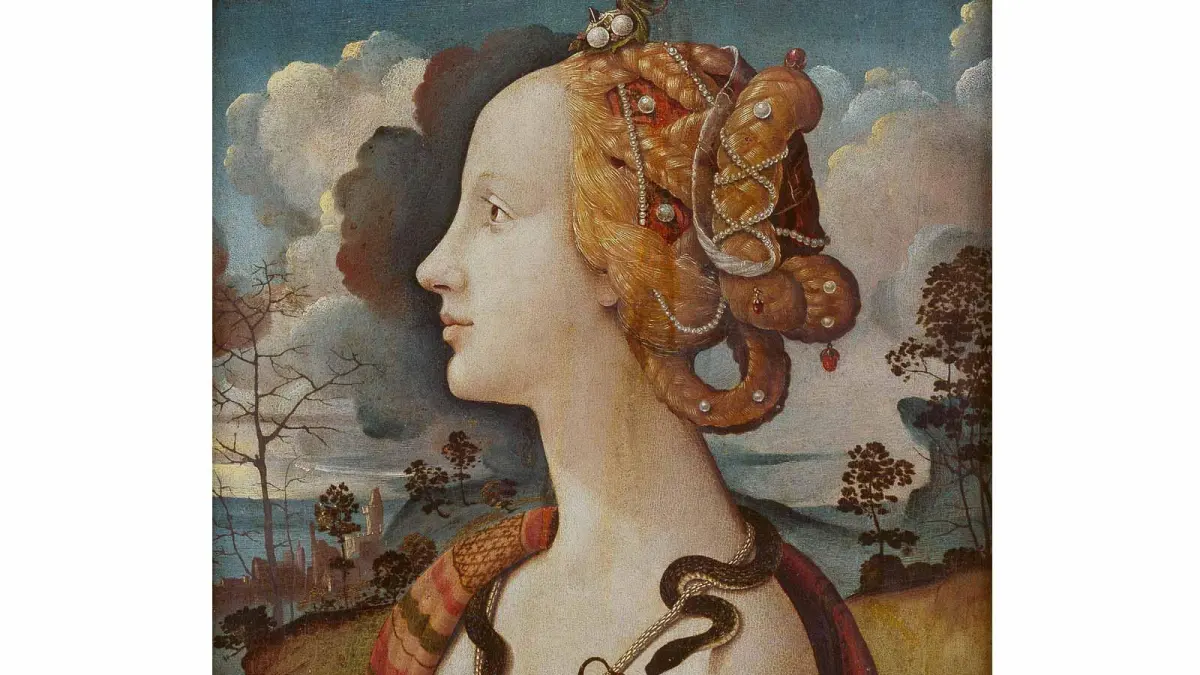
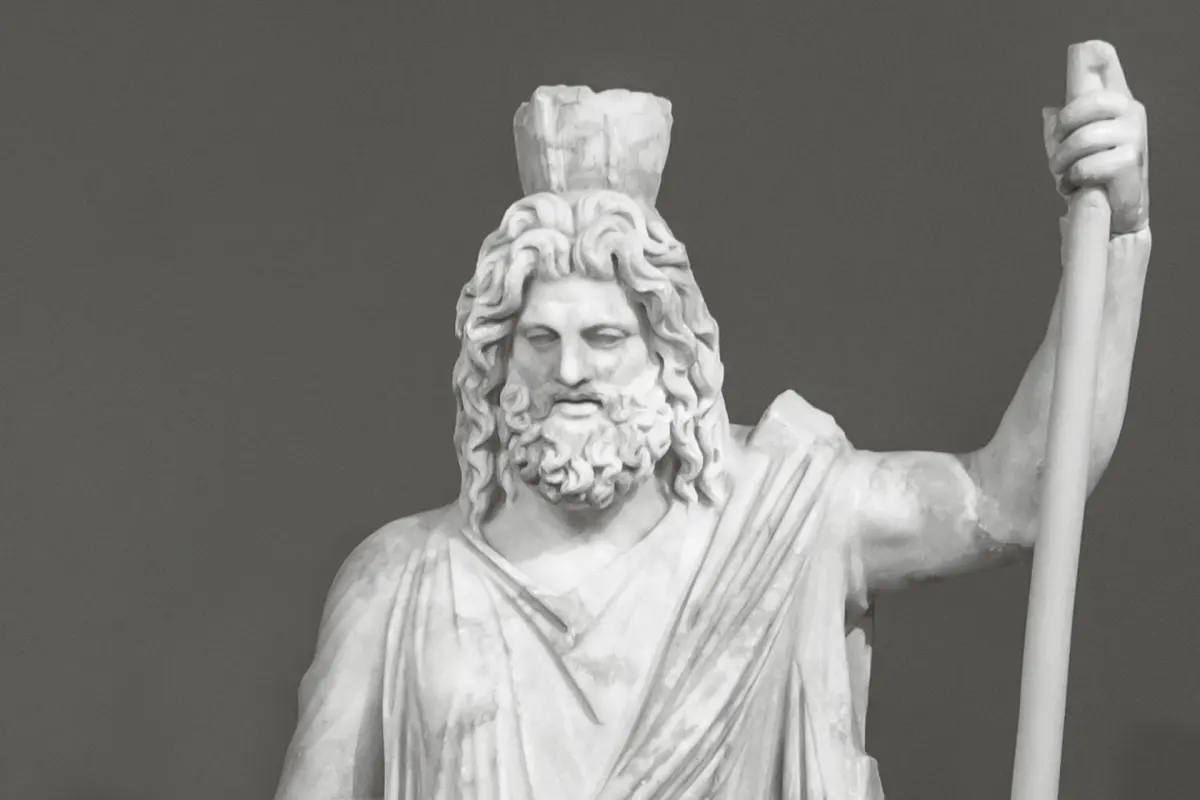
Pandora was the first woman created by the gods, commissioned by Zeus as a form of retribution against Prometheus. Prometheus had stolen fire from Mount Olympus to give to humanity, an act that deeply angered the king of the gods. To balance this gift, Zeus ordered Hephaestus to mold Pandora from earth and water, while other deities bestowed upon her various charms, such as beauty, grace, and curiosity.
Her name, which translates to "all-gifted," reflects the contributions of the Olympian gods to her creation. She was sent to Epimetheus, the brother of Prometheus, as a bride. Despite warnings from his brother to avoid any gifts from Zeus, Epimetheus was captivated by Pandora’s beauty and welcomed her into his home. This union set the stage for the catastrophic event that would permanently alter the human condition according to ancient Greek tradition.
What was inside Pandora's box?
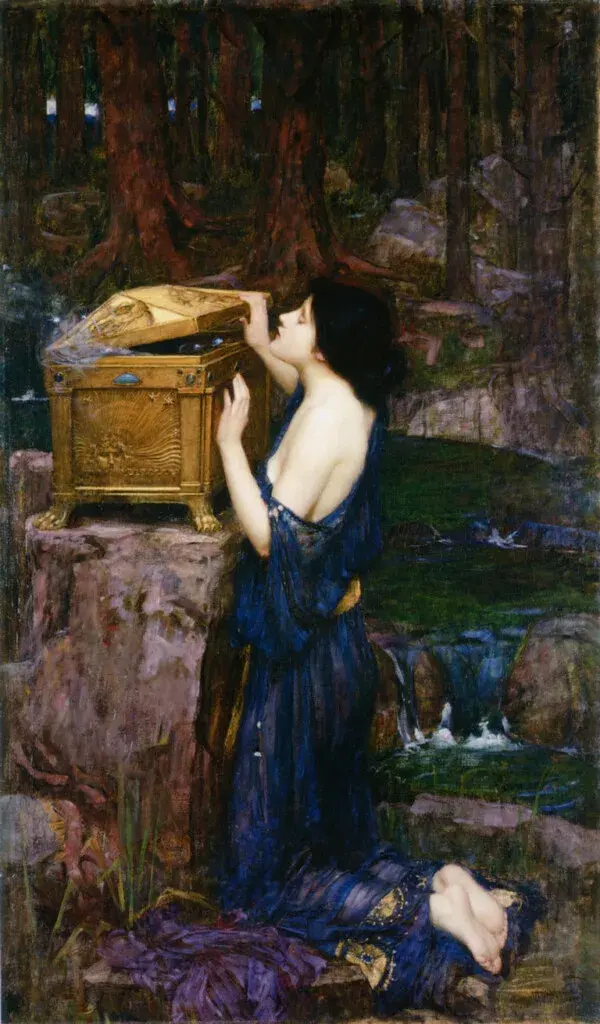
The "box" was originally described in Hesiod’s Works and Days as a pithos, which was a large storage jar used for oil, wine, or grain. The container held a collection of "evils" that had previously been unknown to mankind. These afflictions included:
- Sickness and physical disease
- Old age and frailty
- Insanity and vice
- Toil and labor
- Sorrow and emotional pain
When Pandora lifted the lid, these negative forces escaped and spread across the world, instantly afflicting humanity. The myth serves as an etiological explanation for why life is inherently difficult and why humans must suffer through illness and hardship. The jar represents the sudden transition from a golden age of innocence to a reality defined by struggle and mortality.
Why did Pandora open the jar?
The primary driver of the myth is Pandora’s insatiable curiosity. Although she was warned not to open the vessel, the divine nature of her creation included a restless desire to know what was hidden within. This human trait—curiosity—is presented as both a gift and a curse, leading to the destruction of the peaceful existence that humans had enjoyed prior to her arrival.
It is important to note that the gods intended for this to happen. The jar was not merely a trap but a calculated tool of divine justice. By opening it, Pandora fulfilled her purpose as a vessel for Zeus’s vengeance. This narrative highlights the ancient Greek perception of the gods as fickle and powerful beings who viewed human life as a plaything for their own political or emotional ends.

What is the significance of hope in the story?
The most debated aspect of the myth is the presence of "Hope" (Elpis) remaining at the bottom of the jar. After the evils had escaped, Pandora closed the lid, trapping Hope inside before it could fly away. Scholars have long argued over whether this is a positive or negative element of the story. Some suggest that hope is a comfort that allows humanity to endure the suffering released from the jar.
Others argue that hope is merely another form of deception, keeping humans in a state of perpetual struggle by promising a future that may never arrive. Regardless of the interpretation, the presence of hope serves as the final, lingering detail of the myth. It provides a sense of balance to the narrative, suggesting that while life is filled with unavoidable misery, the capacity for expectation remains as a defining human characteristic.
Common mistakes when interpreting Pandora's box
When studying this myth, it is easy to fall into traps that simplify the story too much. To gain a deeper understanding, avoid these common errors:
- Assuming the container was a wooden jewelry box; remember it was a clay jar.
- Viewing Pandora as purely evil; she was a tool of the gods, not a villain.
- Ignoring the role of Prometheus; the story is a sequel to his theft of fire.
- Misinterpreting the jar as a punishment for Pandora; it was a punishment for mankind.
By focusing on these nuances, you can better appreciate the complexity of the story. The myth is not just about a woman making a mistake, but about the inherent tension between divine power and human experience. It remains a powerful metaphor for the unpredictable nature of life and the unintended consequences of our actions, illustrating that once certain forces are unleashed, they cannot be contained or reversed.
Key facts
- Pandora was the first woman in Greek mythology, created by Hephaestus on the orders of Zeus.
- The "box" was actually a pithos, a large storage jar used for oil or grain, not a modern wooden box.
- Zeus gave Pandora the jar as a wedding gift, explicitly instructing her never to open it.
- Curiosity led Pandora to open the jar, releasing all the evils of the world, including sickness, toil, and sorrow.
- Hope was the final item remaining inside the jar after all other contents had escaped.
- The myth serves as an allegory for the human condition, illustrating the origin of suffering and the endurance of optimism.
The bottom line
The myth of Pandora’s box serves as a timeless cautionary tale about the consequences of curiosity and the nature of human suffering. While the jar’s contents brought inevitable hardship to the world, the presence of hope suggests that resilience is an essential component of the human experience. Understanding this story highlights how ancient cultures processed the existence of evil while maintaining a belief in future restoration.
People also ask
Why did Zeus want Pandora to open the jar?
Zeus intended the jar to be a trap to punish humanity after Prometheus stole fire from the gods. By giving Pandora curiosity, he ensured that the jar would be opened, thereby unleashing misery upon mankind.
Was Pandora intended to be malicious?
No, Pandora was not inherently evil, but rather a tool created for retribution. Her actions were driven by human curiosity rather than a desire to cause harm to the world.
What exactly is the "Hope" that remained in the jar?
Hope is interpreted as the only positive force that allows humans to cope with the hardships released into the world. It represents the ability to persevere despite the existence of suffering and despair.
Is this story considered a historical event?
No, the story is a foundational myth from Ancient Greek culture, specifically appearing in Hesiod's Works and Days. It is a literary and cultural narrative rather than a record of factual history.
Does the "box" have a modern metaphorical meaning?
Yes, the phrase "opening Pandora's box" is used today to describe any action that seems small or innocent but leads to unforeseen, uncontrollable, and irreversible negative consequences.
Why do people call it a box instead of a jar?
The misnomer arose during the 16th century when the humanist Erasmus translated the Greek word pithos into the Latin pyxis, which means box. This translation error became the standard term in Western literature.
This answer was created with the help of AI research tools and reference sources. Spotted an error? Let us know — we correct mistakes quickly. See our editorial policy.