What is Norse mythology?
Short answer
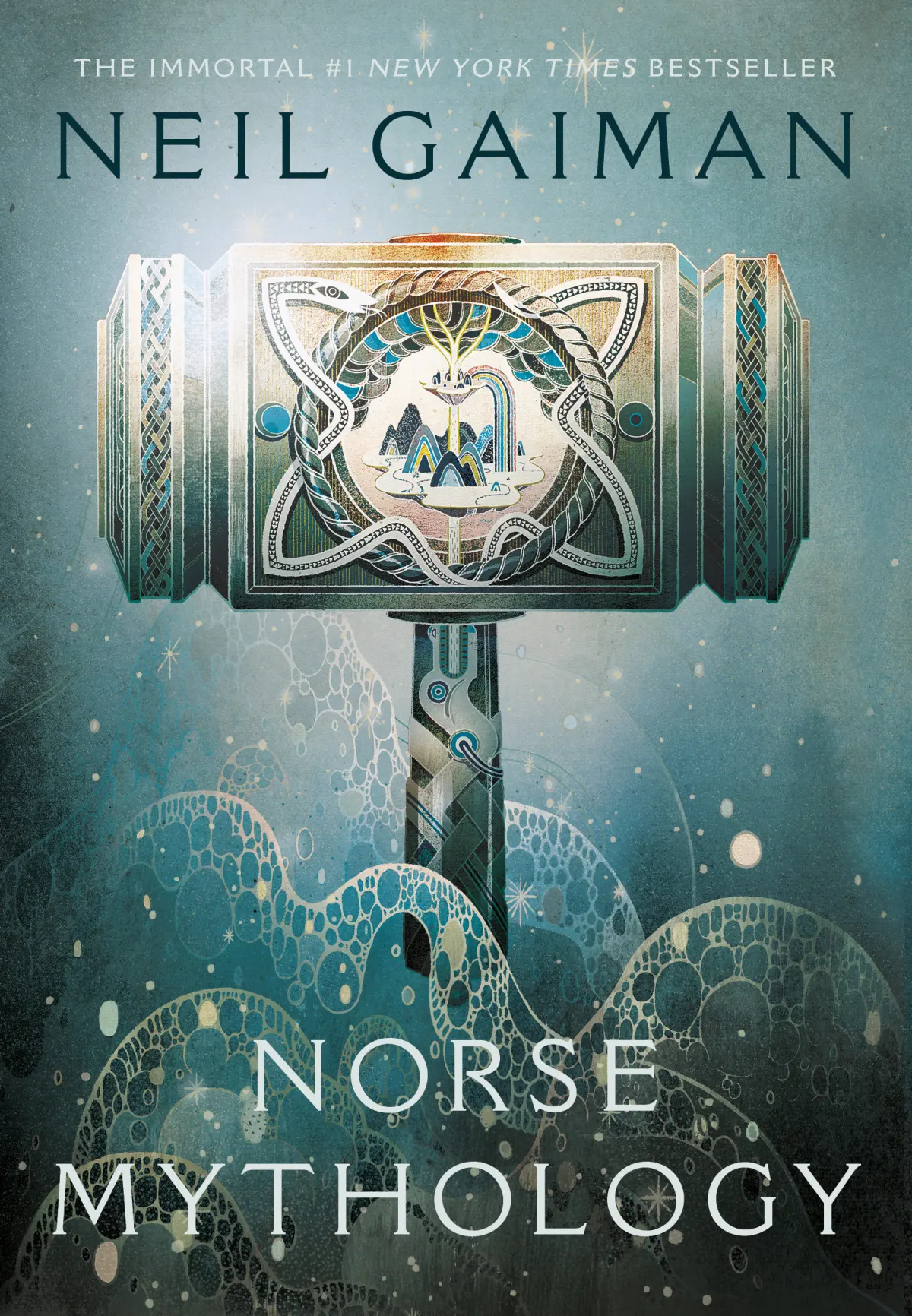
Norse mythology comprises the religious beliefs, myths, and legends of the North Germanic peoples during the Viking Age. Centered on a complex cosmology of nine worlds connected by the world tree Yggdrasil, these stories feature gods like Odin and Thor, giants, and supernatural beings, reflecting the harsh, seafaring culture of medieval Scandinavia.
On this page
Who are the main gods in Norse mythology?
The Norse pantheon is primarily divided into two groups of deities: the Aesir and the Vanir. The Aesir, residing in Asgard, are associated with power, war, and governance, while the Vanir, dwelling in Vanaheim, are linked to fertility, nature, and wisdom. Following a long, destructive war between the two groups, they reached a truce and exchanged hostages, leading to a unified divine order.
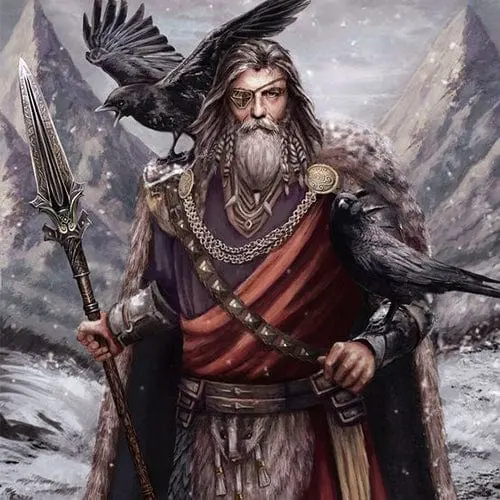
Odin, the All-Father, serves as the king of the gods and the ruler of Asgard. He is a complex figure associated with wisdom, poetry, and war, famously sacrificing his eye to gain cosmic knowledge. Thor, his son, is the protector of humanity and the god of thunder, wielding the hammer Mjolnir. Other key figures include:
- Freyja: The goddess of love, beauty, and war.
- Loki: A trickster figure who causes chaos among the gods.
- Tyr: The god of justice and heroic glory.
- Frigg: The queen of Asgard and goddess of motherhood.
What is the structure of the Norse cosmos?
Norse cosmology is defined by the world tree, Yggdrasil, an immense ash tree that connects and supports the nine distinct realms of existence. These realms are categorized by their inhabitants and the nature of their environments, ranging from the celestial heights of Asgard to the icy depths of Niflheim. The tree acts as a central axis, with its roots reaching into the underworld and its branches stretching across the heavens.
The nine realms are generally identified as follows:
- Asgard: The home of the Aesir gods.
- Midgard: The realm of humans, surrounded by a vast ocean.
- Jotunheim: The rugged, mountainous home of the giants.
- Vanaheim: The lush, fertile home of the Vanir gods.
- Alfheim: The realm of the light elves.
- Svartalfheim: The subterranean realm of the dwarves.
- Muspelheim: A primordial realm of fire.
- Niflheim: A primordial realm of ice and mist.
- Helheim: The realm of the dead ruled by the goddess Hel.
How do the myths describe the end of the world?
Ragnarök, or the "Doom of the Gods," is the central apocalyptic event in Norse mythology. It is a series of catastrophic occurrences, including a great winter known as Fimbulwinter, which lasts for three years without a summer. This period of intense suffering leads to the breakdown of social order, followed by a final battle where the gods face their ancient enemies, the giants and monsters.
During this final conflict, many major deities perish. Odin is swallowed by the wolf Fenrir, and Thor dies after killing the serpent Jörmungandr. The fire giant Surtr sets the world ablaze, causing the earth to sink into the sea. However, the mythology also suggests a cycle of renewal. After the destruction, the earth rises again from the waters, green and fertile, and a new generation of gods and humans begins to repopulate the world, suggesting that death is not the absolute end.
Where can I find the original Norse myths?
To understand Norse mythology, one must look to the primary literary sources written in Old Norse during the 13th century. Most of our knowledge comes from Iceland, where Christian scholars recorded the oral traditions of the pre-Christian era. These texts are the foundation for everything known about the Norse worldview today, though they are filtered through the lens of medieval authors.
The most essential texts include:
- The Poetic Edda: A collection of anonymous Old Norse poems covering creation myths and heroic legends.
- The Prose Edda: Written by Snorri Sturluson, this work serves as a handbook for poets and provides a structured narrative of the myths.
- The Sagas: Historical and legendary accounts that often blend factual events with supernatural elements.
When reading these, keep in mind that they were written long after the Viking Age had ended. As a result, some elements may reflect Christian influence or creative interpretation by the authors, which can occasionally obscure the original pagan context.
Common mistakes when studying Norse mythology
A frequent error is assuming that Norse mythology is a static, unified religion with a single "bible" or dogma. In reality, belief systems varied significantly across different regions and time periods, and there was no centralized church to enforce a standard version of the myths. Because the stories were primarily oral, they were fluid and subject to change based on the storyteller and the audience.
Another common mistake is conflating Norse mythology with modern pop culture depictions. Films and comic books often take significant liberties with the characters and their relationships, such as portraying Loki as Thor’s brother, which is not supported by the original texts. To avoid confusion, always distinguish between historical source material and modern adaptations. If you are starting your research, focus on the Eddas first, as they provide the most direct access to the original source material. By staying grounded in the primary texts, you can develop an accurate understanding of how the Norse people viewed their gods, their world, and their ultimate destiny.
Key facts
- Norse mythology originated among the North Germanic peoples of Scandinavia and Iceland during the Viking Age, roughly 793 to 1066 CE.
- The cosmos is structured around Yggdrasil, a massive world tree that connects nine distinct realms, including Asgard for gods and Midgard for humans.
- Primary sources for this mythology include the Poetic Edda and the Prose Edda, written down in Iceland during the 13th century.
- The pantheon is divided into two main groups of deities: the Aesir, associated with power and war, and the Vanir, associated with nature and fertility.
- Ragnarök, the "fate of the gods," is a cataclysmic event involving a great battle that results in the death of many deities and the world's rebirth.
- Avoid confusing Norse mythology with modern pop culture; films often alter the relationships and personalities of figures like Thor and Loki for dramatic effect.
The bottom line
Norse mythology provides a compelling look into the worldview of ancient Scandinavian cultures, blending themes of fate, honor, and the inevitable cycle of destruction and renewal. By understanding the roles of the Aesir and Vanir, the structure of the nine realms, and the significance of Ragnarök, readers can better appreciate how these complex narratives shaped the identity, values, and historical legacy of the Viking Age peoples.
People also ask
Who is the most important god in Norse mythology?
Odin is the All-Father and the chief of the Aesir gods. He is associated with wisdom, war, poetry, and death, famously sacrificing an eye to gain cosmic knowledge.
What is the difference between Valhalla and Hel?
Valhalla is the majestic hall in Asgard where Odin receives half of the warriors who die in battle. Hel is the cold, shadowy underworld ruled by the goddess Hel, where those who die of sickness or old age reside.
Did the Vikings actually worship these gods?
Yes, the Norse people practiced a polytheistic religion involving sacrifices, rituals, and the veneration of gods at sacred groves or temples. This practice faded as Christianity spread across Scandinavia between the 8th and 12th centuries.
Is Loki a villain in the original myths?
Loki is a complex trickster figure who is neither purely evil nor good. While he often causes trouble for the gods, he also frequently helps them, though his actions eventually trigger the events of Ragnarök.
Are the days of the week named after Norse gods?
Yes, several English days of the week are derived from Old English names for Norse deities. Tuesday comes from Tyr, Wednesday from Woden (Odin), Thursday from Thor, and Friday from Frigg or Freya.
What are the Valkyries?
Valkyries are female figures who serve Odin by choosing the bravest warriors from the battlefield to bring to Valhalla. They are often depicted as riding horses through the sky, wearing armor and carrying spears.
This answer was created with the help of AI research tools and reference sources. Spotted an error? Let us know — we correct mistakes quickly. See our editorial policy.