Who is Thor?
Short answer
Thor is the Norse god of thunder, lightning, storms, and strength. A central figure in Germanic mythology, he is the son of Odin and the protector of humanity. Often depicted wielding the enchanted hammer Mjölnir, Thor represents order against the chaotic forces of the giants, serving as a primary defender of Asgard.
On this page
Who is Thor in Norse mythology?
Thor is one of the most prominent deities in the Old Norse pantheon, serving as the god of thunder and the champion of both gods and men. He is typically portrayed as a red-bearded, physically powerful warrior who possesses a short temper but a protective nature. As the son of Odin, the All-Father, and the giantess Jörd, Thor occupies a unique position as a bridge between the divine realm of Asgard and the mortal realm of Midgard.
His primary role in mythology is that of a defender. While other gods might focus on wisdom, war strategy, or magic, Thor is the physical bulwark against the Jötnar, or giants, who threaten the stability of the cosmos. He is frequently described traveling in a chariot pulled by two goats, Tanngrisnir and Tanngnjóstr, which he can consume and resurrect daily. His significance in historical Germanic culture was so profound that many people wore small hammer-shaped amulets as protective charms.
What are the powers and weapons of Thor?
The most iconic element of Thor’s legend is his hammer, Mjölnir. Forged by the dwarven brothers Brokkr and Eitri, the hammer is capable of leveling mountains and always returns to Thor's hand after being thrown. To wield it effectively, Thor wears a belt called Megingjörð, which doubles his already immense strength, and iron gauntlets known as Járngreipr.
Beyond his equipment, Thor possesses several distinct attributes that define his combat style:
- Superhuman strength: He is the strongest of all the gods.
- Weather manipulation: He controls lightning, thunder, and rain.
- Flight: His chariot allows him to traverse the sky at high speeds.
- Resilience: He can withstand extreme physical trauma during battles with giants.
These tools allow him to maintain order in the Nine Realms. Without his hammer, Thor would be significantly less effective, as it serves as both a weapon of war and a tool for consecration, used to bless marriages and funerals.
How is Thor portrayed in modern pop culture?
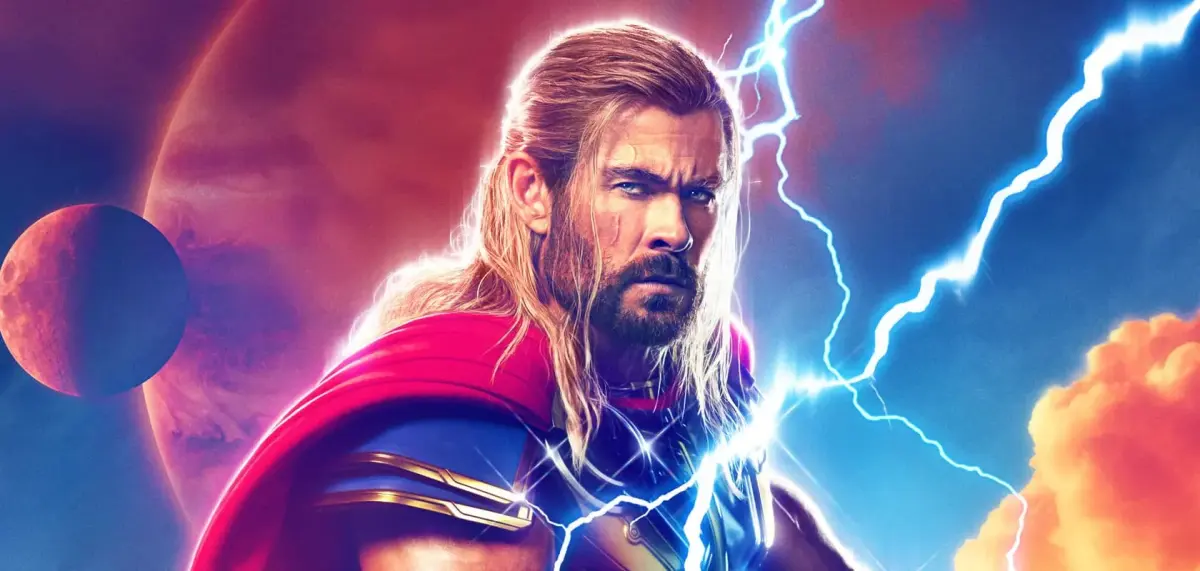
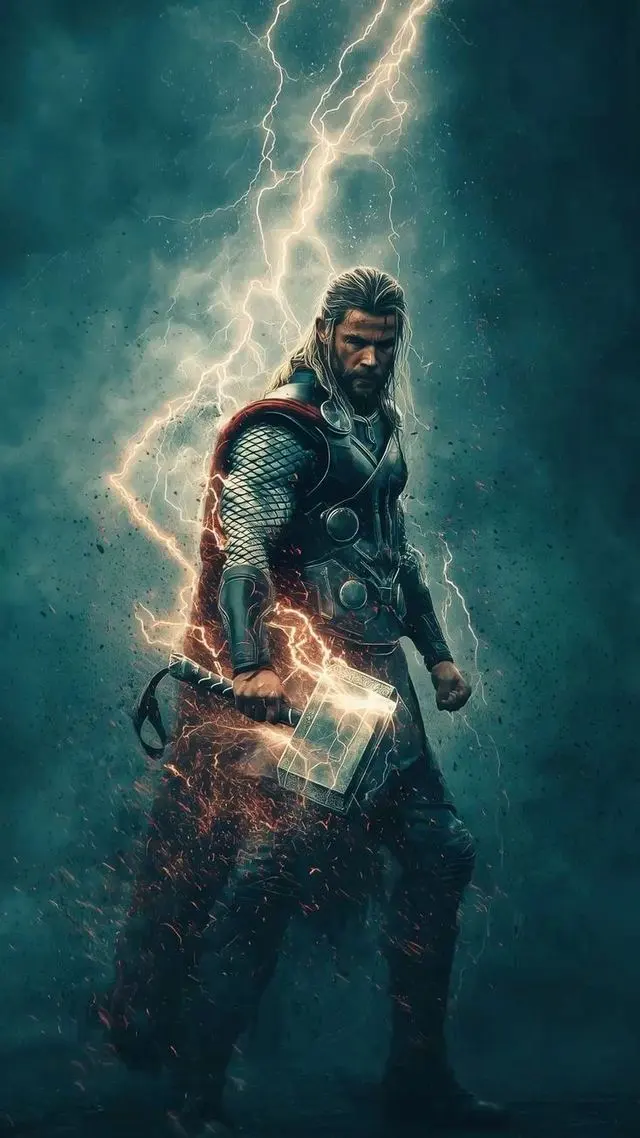
In the modern era, Thor has transitioned from a mythological figure to a global pop culture icon, primarily through Marvel Comics. Created by Stan Lee, Larry Lieber, and Jack Kirby in 1962, this version of the character blends Norse lore with superhero tropes. This iteration often focuses on his exile to Earth, his relationship with his brother Loki, and his membership in the Avengers.
While the comic book version takes significant creative liberties, it has introduced millions of people to the names and concepts of Norse mythology. The cinematic portrayal by actor Chris Hemsworth has further cemented the character’s image as a heroic, albeit occasionally arrogant, prince. Common themes in these adaptations include:
- The struggle between duty to one's family and duty to the world.
- The concept of worthiness, specifically regarding who can lift Mjölnir.
- The clash between ancient magical traditions and modern scientific understanding.
Why do people confuse Thor with other gods?
Confusion often arises because Thor shares attributes with other mythological figures, most notably Zeus from Greek mythology and Jupiter from Roman mythology. Like Thor, both Zeus and Jupiter are sky gods associated with thunder and lightning. However, their personalities and roles differ significantly; Zeus is often depicted as a calculating, philandering ruler of the gods, whereas Thor is a straightforward, blue-collar protector of the common people.
Another source of confusion is the linguistic connection between Thor and the days of the week. Thursday is etymologically derived from "Thor's Day," a translation of the Latin dies Jovis (Jupiter's Day). Because the Germanic peoples equated Thor with Jupiter, they replaced the Roman deity's name with their own. To avoid confusion, remember these distinctions:
- Thor is a protector of humanity, not a distant ruler.
- His primary enemies are giants, not other gods or titans.
- His weapon is a hammer, whereas Zeus wields a lightning bolt as a projectile.
Common mistakes when learning about Thor
A frequent error is assuming that Norse mythology is a static, written religion like those found in modern organized faiths. In reality, the stories of Thor were passed down through oral tradition for centuries before being recorded in the Poetic Edda and Prose Edda. Consequently, there is no single "correct" version of his myths, and regional variations exist throughout Scandinavia and Germany.
Another mistake is viewing Thor solely as a god of destruction. While he is a warrior, he is also a god of fertility and agriculture, as his rain brings life to the crops. When studying his role, avoid these pitfalls:
- Do not mistake his hammer for a simple mace; it is a divine instrument.
- Do not assume he is the king of the gods; that title belongs to his father, Odin.
- Do not ignore the importance of his goats, which represent his role as a provider.
By understanding these nuances, you gain a clearer picture of why Thor remained the most popular deity among the common people of the Viking Age until the arrival of Christianity. His legacy persists today as a symbol of raw power, protection, and the enduring nature of human storytelling.
Key facts
- Thor is the Norse god of thunder, lightning, storms, strength, and the protection of mankind.
- He is the son of Odin, the chief of the gods, and the earth goddess Jord.
- His most iconic weapon is Mjolnir, a magical hammer that always returns to his hand when thrown.
- He possesses immense physical strength and is often depicted as the fiercest defender of Asgard.
- Thor is typically portrayed with a red beard, a belt of strength called Megingjord, and iron gauntlets.
- In Germanic mythology, the day Thursday is named after him, literally translating to "Thor's Day."
The bottom line
Thor stands as the quintessential protector in Norse mythology, embodying the raw power of nature and the strength required to defend humanity against chaos. As the wielder of the mighty Mjolnir, he remains a central figure in Germanic folklore and cultural history. Understanding Thor provides essential insight into the values of the ancient Norse people, who revered his reliability, immense physical courage, and steadfast loyalty.
People also ask
Who is Thor's greatest enemy?
His primary adversary is Jormungandr, the Midgard Serpent, a massive creature that encircles the world. According to Norse prophecy, the two are destined to kill each other during the events of Ragnarok.
What are Thor's primary modes of transportation?
Thor travels across the sky in a chariot pulled by two goats named Tanngrisnir and Tanngnjostr. He can also travel between the Nine Worlds using the Bifrost bridge, a rainbow path guarded by Heimdall.
Did Thor have a wife?
Yes, he is married to the golden-haired goddess Sif. She is associated with the earth and the harvest, often serving as a symbol of fertility in Norse lore.
What happens to Thor during Ragnarok?
Ragnarok is the apocalyptic battle that marks the end of the world in Norse mythology. Thor kills the Midgard Serpent but dies shortly after from the creature's lethal venom.
Is Thor considered a benevolent god?
Thor was widely worshipped by common people, particularly farmers and sailors, because he was seen as a protector. Unlike his father Odin, who was associated with kings and warriors, Thor was viewed as a reliable and accessible guardian.
How do historical accounts of Thor differ from modern pop culture?
Modern media often depicts Thor as a clean-shaven, refined prince, whereas historical Norse texts describe him as a rugged, bearded, and impulsive warrior. Ancient stories focus on his raw power and temper rather than political intrigue.
This answer was created with the help of AI research tools and reference sources. Spotted an error? Let us know — we correct mistakes quickly. See our editorial policy.