What is the Bloedel Conservatory famous for?
Short answer
The Bloedel Conservatory is a domed botanical garden located in Vancouver’s Queen Elizabeth Park. It is world-famous for its climate-controlled environment housing over 100 free-flying exotic birds and 500 varieties of tropical plants. This architectural landmark offers a year-round Mediterranean climate, providing a lush, tranquil escape from the city’s rainy weather.
On this page
Why is the Bloedel Conservatory famous?
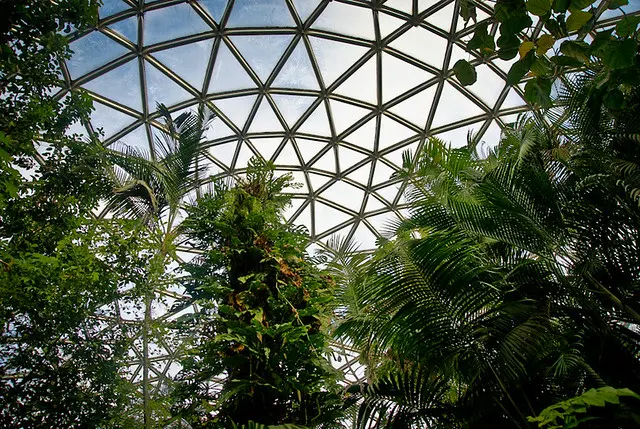
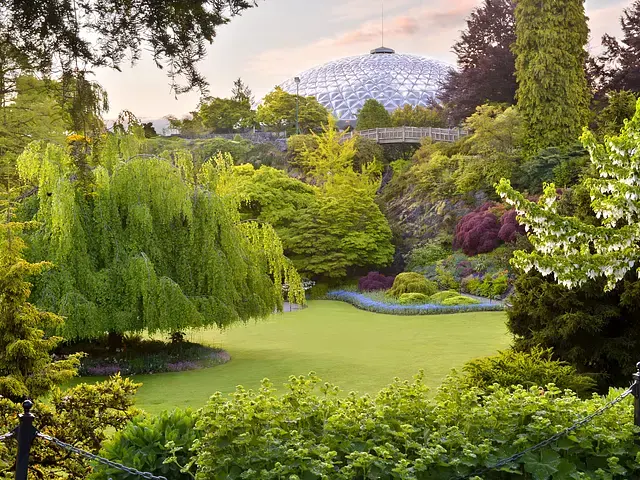
The conservatory is a prominent landmark in Vancouver, recognized primarily for its iconic triodetic dome structure. Completed in 1969, the building was a gift to the city from Prentice Bloedel, a local philanthropist, and serves as a testament to mid-century modern design. It sits at the highest point in Vancouver, providing visitors with panoramic views of the city skyline, the North Shore Mountains, and the surrounding parklands.
Beyond its architecture, the conservatory is famous for its role as a micro-ecosystem. By maintaining a constant, warm temperature, it allows non-native flora and fauna to thrive in a region otherwise known for its cool, temperate climate. This unique combination of structural innovation and biological diversity has made it a beloved destination for tourists, photographers, and nature enthusiasts for over five decades.
What can you see at the Bloedel Conservatory?
Visitors are immediately immersed in a vibrant, humid environment filled with exotic life. The conservatory houses a diverse collection of tropical plants, including towering palm trees, fragrant hibiscus, and rare orchids. The layout is designed to mimic a rainforest, with winding paths leading through dense foliage that creates a sense of discovery at every turn.
The resident bird population is a major highlight, with many species roaming freely among the visitors. These birds are accustomed to human presence, often perching on branches just inches from the walkways. The collection includes:
- African grey parrots
- Sun conures
- Ring-necked parakeets
- Lady Gouldian finches
In addition to the birds, the conservatory features koi ponds and various small reptiles, contributing to a rich, multi-sensory experience. The integration of these species into a contained, lush landscape provides a rare opportunity to observe tropical wildlife in an accessible, urban setting.
How long does it take to visit?
A typical visit to the Bloedel Conservatory lasts between 45 and 90 minutes. Because the space is relatively compact, visitors can comfortably walk through the entire facility within an hour, though many choose to linger to observe the birds or photograph the exotic flowers. The conservatory is small enough to be navigated easily, yet dense enough to reward those who take their time.
To make the most of your visit, consider these steps:
- Check the daily schedule for bird feeding times to see the animals at their most active.
- Walk the perimeter first to get an overview of the plant displays.
- Find a quiet bench in the center of the dome to observe the birds in their natural flight patterns.
- Visit the Queen Elizabeth Park gardens outside the dome after you exit to extend your stay.
What are the best tips for visitors?
The most important factor for a successful visit is dressing in layers. Even if it is cold or raining outside in Vancouver, the interior of the dome is kept at a consistent tropical temperature. Wearing a heavy coat inside can quickly become uncomfortable, so it is best to leave bulky layers in a locker or carry them easily.
Another tip is to visit during the early morning hours on weekdays. The conservatory is a popular destination for families and school groups, so arriving early ensures a quieter experience. If you are interested in photography, the morning light filtering through the clear acrylic panels of the dome provides excellent natural illumination for capturing the vibrant colors of the tropical flowers and the iridescent feathers of the birds.
Common mistakes when visiting the conservatory
One of the most frequent mistakes visitors make is attempting to touch or feed the birds. While the birds are free-flying and may approach you out of curiosity, they are wild animals and should not be handled. Feeding the birds human food is strictly prohibited, as it can cause significant health issues for the animals and disrupts their specialized diet.
Additionally, visitors often forget to explore the surrounding Queen Elizabeth Park. Many people treat the conservatory as a standalone destination, missing the opportunity to see the sunken quarry gardens or the arboretum located just steps away. To avoid this, plan your trip to include the entire park area, especially during the spring when the cherry blossoms are in bloom. By respecting the rules of the conservatory and taking the time to appreciate the broader park grounds, you ensure a memorable and educational experience.
Key facts
- The Bloedel Conservatory is a domed botanical garden located at the highest point of Vancouver, British Columbia, within Queen Elizabeth Park.
- It features a distinctive triodetic dome structure made of 1,492 plexiglass bubbles, which was completed in 1969.
- The facility houses over 100 free-flying exotic birds, including parrots, finches, and macaws, that roam within the controlled climate.
- Its interior maintains a tropical environment year-round, supporting more than 500 varieties of exotic plants and flowers.
- Visitors should avoid wearing loose jewelry or shiny objects, as the curious tropical birds may attempt to peck at or snatch them.
- The best time to visit is during the winter months when the conservatory provides a warm, lush escape from Vancouver’s rainy outdoor weather.
The bottom line
The Bloedel Conservatory stands as a landmark of Vancouver, renowned for its iconic plexiglass dome and vibrant tropical ecosystem. By blending a collection of exotic birds with a diverse array of botanical species, it offers a unique, climate-controlled sanctuary. Whether you are a nature enthusiast or a casual tourist, this elevated oasis provides a memorable and accessible experience that thrives year-round in the heart of the city.
People also ask
Is the Bloedel Conservatory wheelchair accessible?
Yes, the entire facility is fully wheelchair accessible with paved, flat pathways throughout the dome. Visitors can easily navigate the interior displays without encountering stairs or steep inclines.
Can I bring my own pet bird to the conservatory?
No, outside pets are strictly prohibited inside the conservatory to protect the health and safety of the resident birds. Bringing an animal inside could introduce diseases or cause significant stress to the free-flying population.
How long does it typically take to tour the conservatory?
Most visitors spend between 45 minutes to an hour exploring the dome. While the space is compact, the density of the plant life and bird activity encourages a slow, observant pace.
Are there guided tours available for groups?
The conservatory offers educational programs and group bookings, though self-guided tours are the most common way to experience the space. It is recommended to check the official Vancouver Parks website for current group reservation policies.
Is photography allowed inside the dome?
Personal photography is encouraged, but professional photography sessions often require a permit and a reservation. Avoid using flash photography, as it can startle the birds and disrupt their natural behavior.
What happens if the weather is extremely cold outside?
The conservatory is climate-controlled to remain at a tropical temperature regardless of external conditions. This makes it a popular destination for locals seeking warmth during the coldest weeks of the winter season.
This answer was created with the help of AI research tools and reference sources. Spotted an error? Let us know — we correct mistakes quickly. See our editorial policy.