What is magma?
Short answer
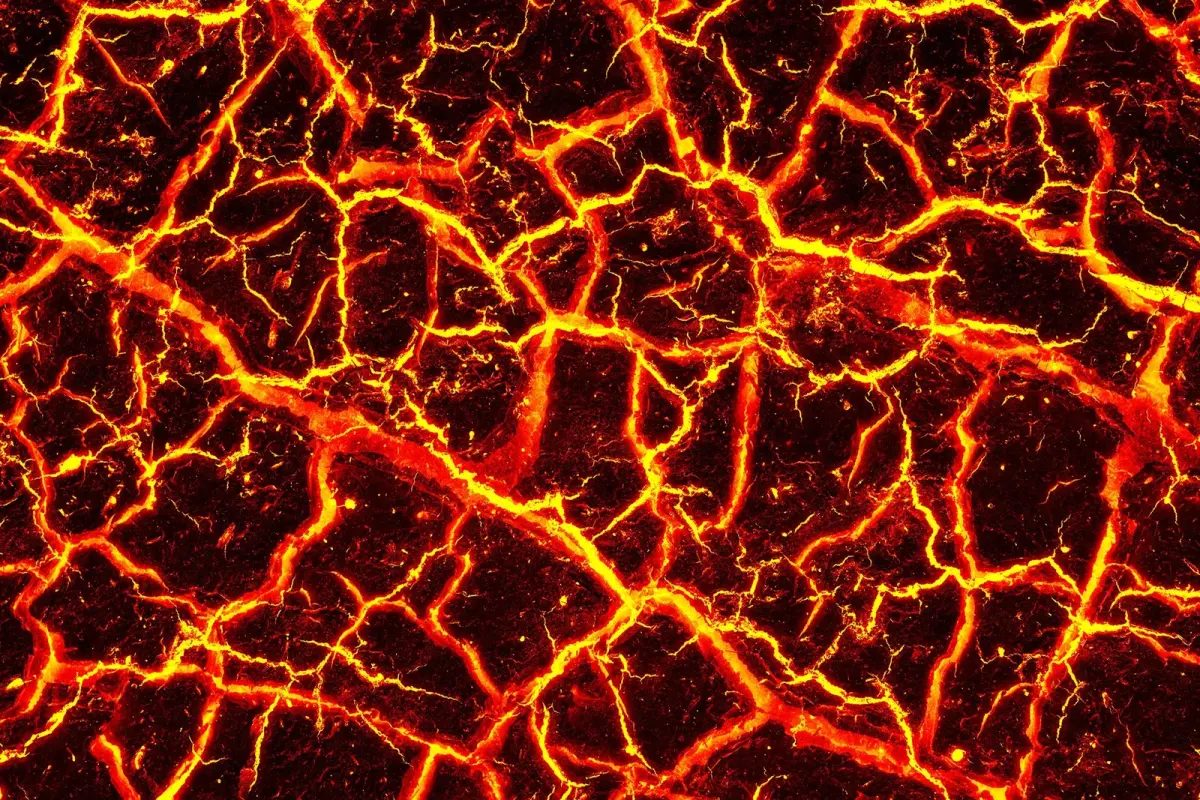
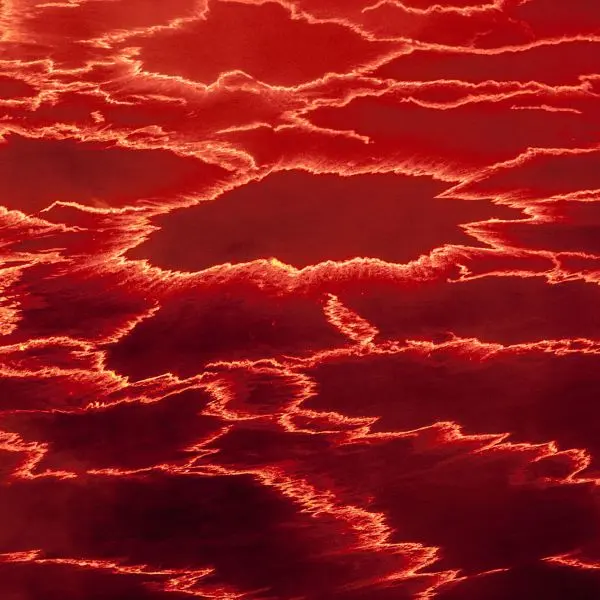
Magma is molten or semi-molten rock material located beneath the Earth's surface. It consists of a complex mixture of liquid rock, dissolved gases, and suspended mineral crystals. When this material erupts onto the surface through volcanic vents, it is classified as lava. Magma serves as the primary source for all igneous rocks.
On this page
How is magma formed inside the Earth?
Magma originates in the Earth’s crust and upper mantle, typically at depths ranging from 10 to 100 kilometers. The process of melting does not occur because the Earth is a liquid ball of fire, but rather because of specific physical changes in the mantle. These changes allow solid rock to transition into a liquid state through three primary mechanisms:
- Decompression melting: Occurs when rock rises to shallower depths where pressure is lower, lowering the melting point.
- Flux melting: Happens when water or other volatiles are introduced into the mantle, chemically lowering the melting temperature.
- Heat transfer: Occurs when hot magma from deep in the mantle rises and melts the surrounding cooler crustal rock.
These processes generally take place at tectonic plate boundaries, such as mid-ocean ridges or subduction zones. As the rock melts, the resulting magma is less dense than the surrounding solid rock, causing it to rise toward the surface. This buoyancy drives the movement of magma through the lithosphere, eventually forming magma chambers or fueling volcanic activity.
What are the different types of magma?
Geologists classify magma primarily based on its silica content, which significantly influences its viscosity and behavior. High-silica magmas are thick and sticky, while low-silica magmas are fluid and runny. These chemical differences determine the explosivity of a volcano and the resulting landforms.
- Basaltic magma: Contains about 45–55% silica; it is hot, fluid, and low in gas content, often creating shield volcanoes.
- Andesitic magma: Contains 55–65% silica; it has intermediate viscosity and is common at subduction zones.
- Rhyolitic magma: Contains over 65% silica; it is highly viscous, traps gases, and often results in violent, explosive eruptions.
The temperature of these magmas varies as well. Basaltic magma is the hottest, reaching temperatures between 1,000°C and 1,200°C. In contrast, rhyolitic magma is cooler, typically ranging from 650°C to 800°C. These variations in temperature and composition dictate how the magma interacts with the surrounding crust and how it eventually solidifies into rock.
Why does magma erupt as lava?
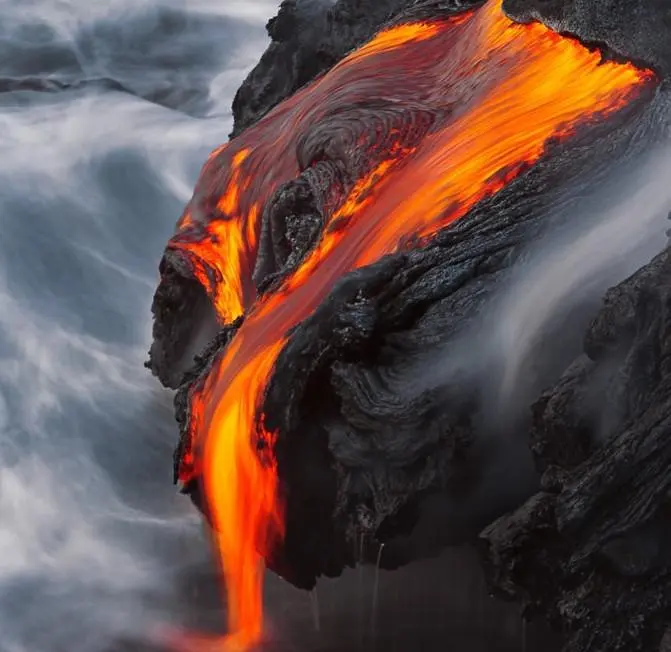
Magma erupts when the internal pressure within a magma chamber exceeds the strength of the overlying rock. As magma rises, the decrease in pressure causes dissolved gases—such as water vapor, carbon dioxide, and sulfur dioxide—to expand rapidly. This expansion creates bubbles, which increase the internal pressure and force the magma upward through fractures in the Earth's crust.
The style of eruption depends heavily on the magma's viscosity. If the magma is fluid, gases escape easily, resulting in relatively gentle lava flows. If the magma is viscous, gases become trapped, building immense pressure until the rock shatters, leading to explosive eruptions. These events can eject ash, pumice, and pyroclastic flows into the atmosphere.
- Pressure buildup: Gases expand as the magma rises toward the surface.
- Conduit formation: Magma finds a path of least resistance through the crust.
- Eruption: The magma exits the vent, becoming lava and cooling to form new land.
Common mistakes when studying volcanic activity
A frequent error is assuming that all volcanoes behave the same way. Many observers mistakenly believe that all eruptions involve flowing rivers of lava, ignoring the extreme danger posed by explosive, ash-heavy events. Understanding that magma composition dictates the eruption style is essential for accurate hazard assessment.
Another common mistake is confusing magma with lava. While they are chemically identical, the distinction is based purely on location. Magma is strictly subsurface, while lava is the term used for molten rock that has reached the surface. Furthermore, people often underestimate the cooling process of magma beneath the surface. When magma cools slowly underground, it forms intrusive igneous rocks like granite, which are only exposed after millions of years of erosion. Failing to distinguish between these cooling environments leads to a misunderstanding of how the Earth’s crust is constructed and recycled over geological time.
Where can you see evidence of magma?
You can observe the remnants of ancient magma chambers in many mountainous regions around the world. When magma cools slowly deep underground, it forms large bodies of rock called plutons. Over time, tectonic uplift and erosion strip away the overlying rock, exposing these massive formations at the surface.
- Yosemite National Park: Features the Sierra Nevada Batholith, a massive complex of cooled magma.
- The Giant’s Causeway: Displays basaltic columns formed by the rapid cooling of lava flows.
- Iceland: Offers a unique opportunity to witness active volcanism and the formation of new basaltic crust.
When visiting these sites, look for differences in crystal size. Large, visible crystals in rocks like granite indicate that the magma cooled very slowly deep underground. Conversely, fine-grained or glassy rocks suggest that the magma reached the surface and cooled rapidly as lava. By examining these geological features, you can reconstruct the history of volcanic activity in a region and understand the powerful forces that continue to shape our planet today.
Key facts
- Magma is molten or semi-molten rock located beneath the Earth's surface, while lava is the term used once it erupts.
- Temperatures of magma typically range from 700 to 1,300 degrees Celsius (1,292 to 2,372 degrees Fahrenheit).
- Magma is composed of a mixture of liquid rock, dissolved gases like water vapor and carbon dioxide, and suspended mineral crystals.
- It is primarily generated in the Earth's upper mantle or lower crust through decompression melting, flux melting, or heat transfer.
- The viscosity of magma depends on its silica content; higher silica results in thicker, more explosive magma, while lower silica flows more easily.
- When observing volcanic regions, never assume dormant areas are safe, as magma chambers can remain active and pressurized for centuries.
The bottom line
Magma is the fundamental engine of geological change, representing the molten heart of our planet’s crust and mantle. By understanding its composition and movement, scientists can better predict volcanic activity and harness geothermal energy. Whether it erupts as lava or cools slowly to form solid rock, magma remains the primary material responsible for shaping the Earth's surface and building the foundation of our continents.
People also ask
Does magma exist in the Earth's core?
No, the Earth's core is primarily composed of solid and liquid iron and nickel, not silicate rock. Magma is specifically associated with the crust and the mantle where silicate minerals can melt.
Why does magma rise to the surface?
Magma is generally less dense than the surrounding solid rock, causing it to rise through the crust like a bubble in a liquid. As it ascends, the pressure decreases, allowing dissolved gases to expand and drive the magma upward.
How long can magma stay underground?
Magma can remain in subterranean chambers for thousands of years before erupting or cooling completely to form igneous rock. Geologists monitor these chambers for seismic activity and ground deformation to predict potential movement.
What is the difference between basaltic and rhyolitic magma?
Basaltic magma has low silica content, making it thin and runny, which often leads to gentle lava flows. Rhyolitic magma is high in silica, making it extremely viscous and prone to violent, explosive eruptions.
Can humans drill into a magma chamber?
Drilling into magma is technically possible but extremely difficult due to intense heat and pressure. The Iceland Deep Drilling Project successfully encountered magma at 2.1 kilometers depth in 2009, revealing significant geothermal energy potential.
What happens when magma cools underground?
When magma cools slowly beneath the surface, it forms intrusive igneous rocks like granite. This process allows large mineral crystals to grow, creating the coarse-grained textures seen in many mountain ranges.
This answer was created with the help of AI research tools and reference sources. Spotted an error? Let us know — we correct mistakes quickly. See our editorial policy.