How big do geckos get?
Short answer
Geckos vary significantly in size, ranging from tiny species measuring less than an inch to the robust New Caledonian giant gecko, which can exceed 14 inches. Most common pet geckos, such as the leopard gecko, typically reach lengths of 7 to 10 inches. Size is primarily determined by the specific species' genetics.
On this page
How big do common pet geckos get?
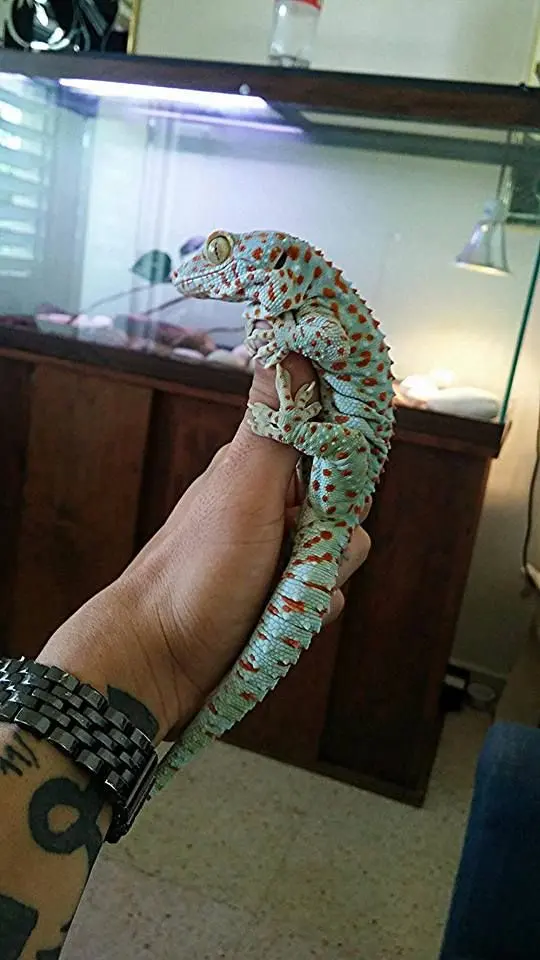
Most geckos kept as pets fall into a manageable size range, making them popular for hobbyists with limited space. The leopard gecko (Eublepharis macularius) is perhaps the most well-known species, typically reaching 7 to 10 inches in total length. Males are generally slightly larger and heavier than females. Another common choice, the crested gecko (Correlophus ciliatus), usually grows to about 8 to 10 inches, including its prehensile tail.
When selecting a habitat, owners must account for the adult size of the lizard rather than its juvenile dimensions. While a hatchling might seem comfortable in a small enclosure, it will quickly outgrow its space. Providing a habitat that allows for natural movement and thermoregulation is essential for the animal's long-term health and growth.
- Leopard geckos: 7–10 inches.
- Crested geckos: 8–10 inches.
- African fat-tailed geckos: 7–9 inches.
- Gargoyle geckos: 8–10 inches.
Why do gecko sizes vary so much?
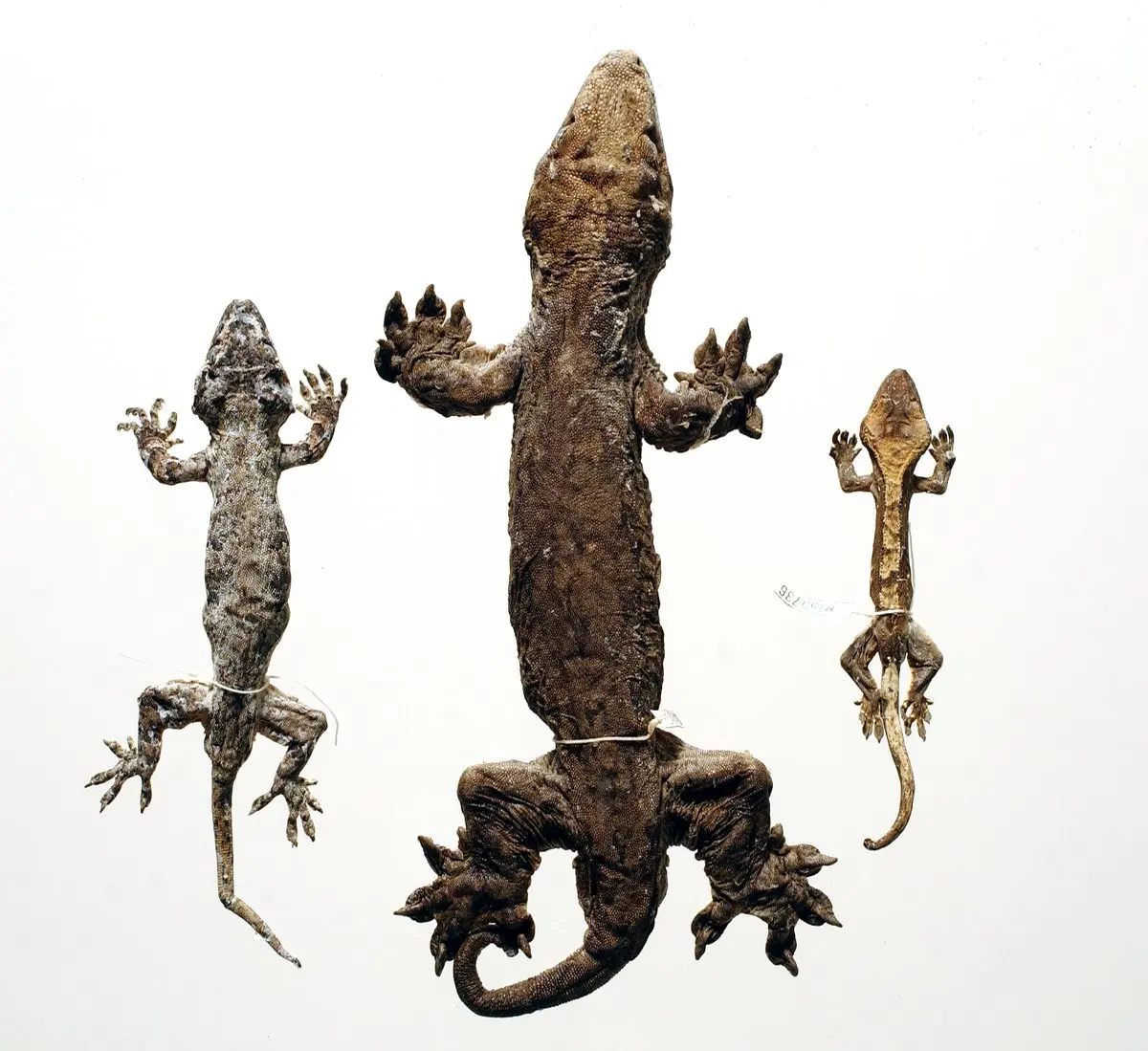
The vast diversity in gecko sizes is a result of millions of years of evolutionary adaptation to different environments. Geckos belong to the infraorder Gekkota, which contains over 1,500 distinct species. Some have evolved to be extremely small to hide in foliage or crevices, while others have developed larger bodies to defend territory or survive in harsh climates.
The smallest known gecko, Sphaerodactylus ariasae, measures only about 0.6 inches, making it one of the smallest reptiles in the world. Conversely, the New Caledonian giant gecko (Rhacodactylus leachianus) is the largest extant species, reaching lengths of up to 14 to 17 inches. These size differences are dictated by the ecological niche each species occupies, including their dietary needs and the types of predators they must avoid.
How to measure a gecko correctly?
Measuring a gecko accurately requires patience and a gentle touch to avoid stressing the animal. Because many geckos have tails that can be dropped or regenerated, scientists often differentiate between snout-to-vent length (SVL) and total length. SVL measures from the tip of the nose to the cloaca, providing a more consistent indicator of growth than total length.
To measure your gecko, follow these steps:
- Place the gecko on a flat, secure surface where it feels calm.
- Use a soft, flexible measuring tape or a ruler placed near the animal.
- Gently guide the gecko to straighten its body along the measuring tool.
- Record the length from the snout to the vent, then separately measure the tail.
- Avoid holding the gecko by the tail, as this can cause injury or trigger a defensive tail drop.
Common mistakes when tracking gecko growth
One of the most frequent errors owners make is assuming that a gecko’s growth rate will remain constant throughout its life. Geckos grow rapidly during their first year, but their growth slows significantly as they reach sexual maturity. Owners often panic when growth plateaus, mistakenly believing their pet is malnourished, when in reality, the animal has simply reached its adult size.
Another mistake is failing to track weight alongside length. A gecko might appear full-grown in length but remain underweight due to poor nutrition or dehydration. Regularly weighing your gecko with a digital kitchen scale is a more reliable way to monitor health than measuring length alone. Always keep a log of these weights to identify sudden drops, which often serve as the first warning sign of illness or parasite issues.
Best practices for healthy gecko development
Ensuring your gecko reaches its full genetic potential requires a consistent approach to husbandry and nutrition. Proper calcium and vitamin D3 supplementation is crucial, as geckos are prone to metabolic bone disease if their nutritional needs are not met. Without these essential nutrients, a gecko may suffer from stunted growth, soft bones, or spinal deformities that permanently affect its size and mobility.
Provide a varied diet appropriate for the species, whether it is insectivorous or frugivorous. Maintaining optimal humidity and temperature gradients is equally important, as geckos are ectothermic and rely on their environment to regulate their metabolism. If you notice your gecko is not growing as expected, consult a veterinarian who specializes in exotic animals. By focusing on high-quality care, you ensure that your gecko lives a long, healthy life at its natural, intended size.
Key facts
- The smallest gecko, the Jaragua sphaero, measures less than 1 inch in total length.
- The largest known gecko, the New Caledonian giant gecko, can reach lengths of up to 14 inches.
- Most common pet geckos, such as the leopard gecko, typically grow between 7 and 10 inches long.
- Gecko size is primarily determined by genetics, though proper nutrition and habitat size significantly influence growth rates.
- Avoid housing multiple geckos in one enclosure, as size disparities can lead to territorial aggression and injury.
- Always research the specific species' adult size before purchasing to ensure your enclosure provides adequate space for their full growth.
The bottom line
Gecko sizes vary dramatically, ranging from tiny species barely an inch long to robust giants exceeding a foot. Understanding the specific growth potential of your chosen species is vital for providing proper care and housing. By ensuring a spacious environment and a balanced diet, you allow your gecko to reach its full natural size, which is a key indicator of its overall health and vitality.
People also ask
How fast do geckos grow to their full size?
Most gecko species reach their full adult size within 12 to 18 months. Growth rates are fastest during the first six months of life, provided the animal receives proper calcium and vitamin D3 supplementation.
Do male geckos grow larger than females?
In many gecko species, such as the leopard gecko and crested gecko, males are generally larger and more robust than females. Males often develop broader heads and thicker tail bases as they reach sexual maturity.
Can a gecko outgrow its tank?
While a gecko will not physically stop growing due to a small enclosure, a cramped space can cause severe stress and health issues. Providing an appropriately sized habitat is essential for their physical development and psychological well-being.
Does tail loss affect a gecko's total length?
Yes, many geckos can drop their tails as a defense mechanism, which significantly reduces their overall length. While the tail may regenerate, it will often look different and may not reach the same length as the original.
How much space does a large gecko need?
A giant gecko species, like the New Caledonian giant gecko, requires a tall, spacious enclosure of at least 30 to 40 gallons. Always prioritize vertical space for arboreal species to allow for natural climbing behaviors.
What is the best way to measure a gecko?
To measure your gecko accurately, use a soft cloth measuring tape while the animal is calm. Measure from the tip of the snout to the end of the tail, ensuring the gecko is stretched out straight.
This answer was created with the help of AI research tools and reference sources. Spotted an error? Let us know — we correct mistakes quickly. See our editorial policy.