How many babies do bears have?
Short answer
Most female bears give birth to litters of one to three cubs, though some species occasionally produce four. Litter size varies significantly depending on the species, the mother’s nutritional status, and her age. On average, black bears typically have two cubs, while polar bears and grizzly bears often produce one or two.

On this page
How many cubs do different bear species have?
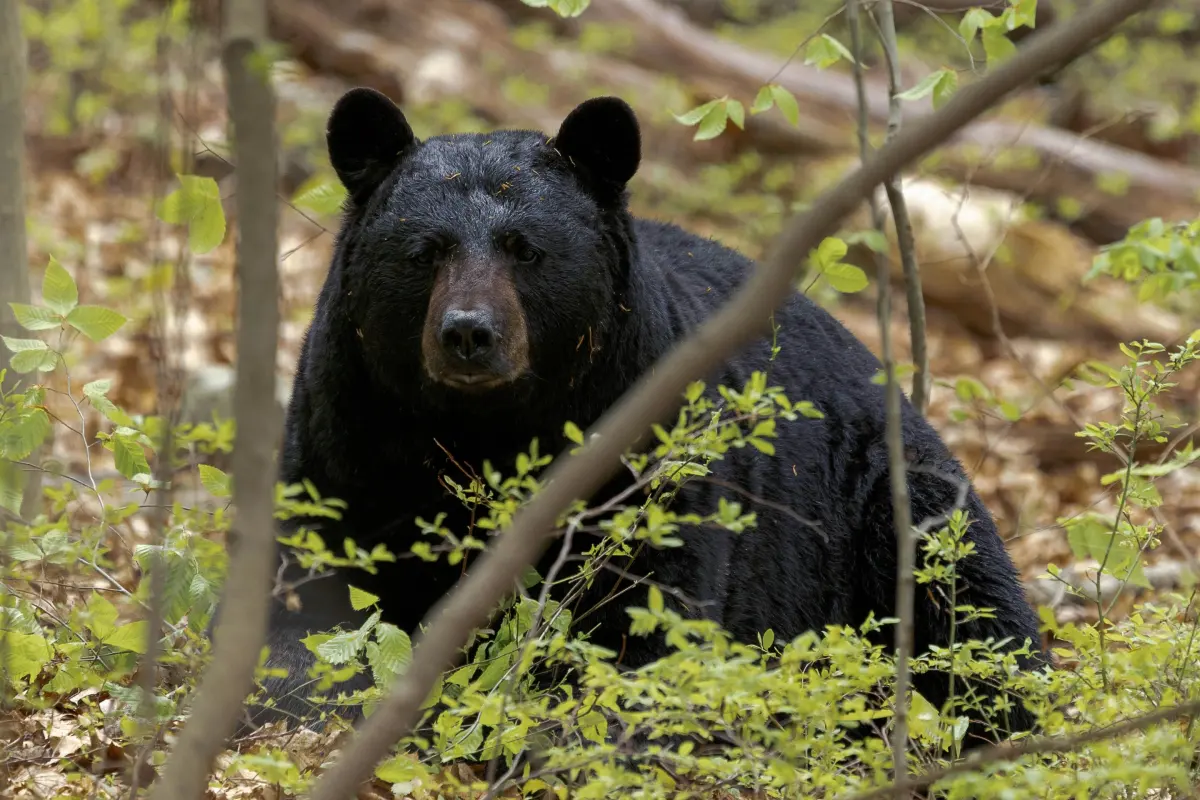
Bear reproduction strategies vary across the eight extant species, largely dictated by their environments and metabolic needs. The American black bear is perhaps the most prolific, frequently producing litters of two or three cubs. In contrast, the giant panda, which faces extreme dietary constraints due to its reliance on bamboo, typically gives birth to one cub, though twins occur in about half of all births.
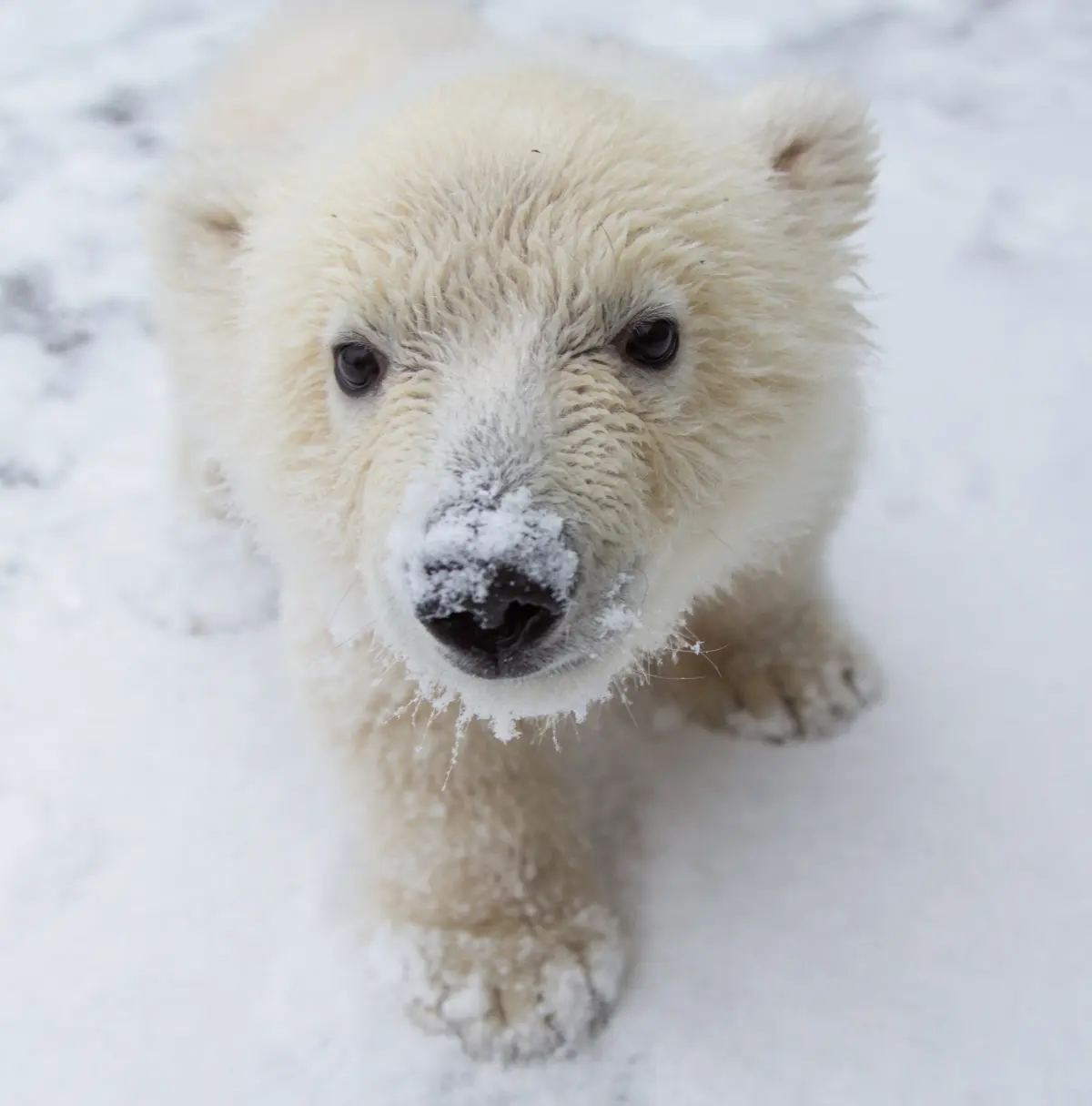
Polar bears, which live in the harsh Arctic environment, generally produce one or two cubs every three years. Brown bears, including the well-known grizzly, usually have two cubs, though single births and triplets are common. The sun bear and sloth bear, native to tropical regions, also tend to have one or two cubs. Regardless of the species, successful cub rearing depends heavily on the mother’s ability to store enough fat during the summer and autumn months to sustain both herself and her offspring through the winter denning period.
Why does litter size vary among bears?
The primary driver of litter size is the mother’s body condition, which is directly linked to food availability. Bears utilize a reproductive strategy known as delayed implantation, where the fertilized egg does not immediately attach to the uterine wall. This process allows the female to assess her physical health; if she has not gained sufficient weight to support a pregnancy and subsequent lactation, her body will naturally reabsorb the embryo.
Environmental factors play a significant role in this biological regulation. In areas with abundant salmon runs or berry patches, bears are more likely to successfully carry and nurse larger litters. Conversely, in resource-poor regions, females are more likely to have single cubs or skip reproduction entirely for a year. This evolutionary mechanism ensures that a mother does not invest energy into offspring she cannot realistically support, maximizing the long-term survival probability of the cubs that are born.

How do bear cubs survive their first year?
The survival of bear cubs is a precarious process that begins in the safety of a winter den. Cubs are born remarkably small, often weighing less than one pound, and are blind and hairless. They rely entirely on their mother’s high-fat milk to grow rapidly before emerging from the den in the spring.
- Emergence: Cubs emerge from the den in spring, usually weighing between 5 and 15 pounds.
- Foraging: Mothers teach their cubs to identify seasonal food sources, such as roots, insects, and berries.
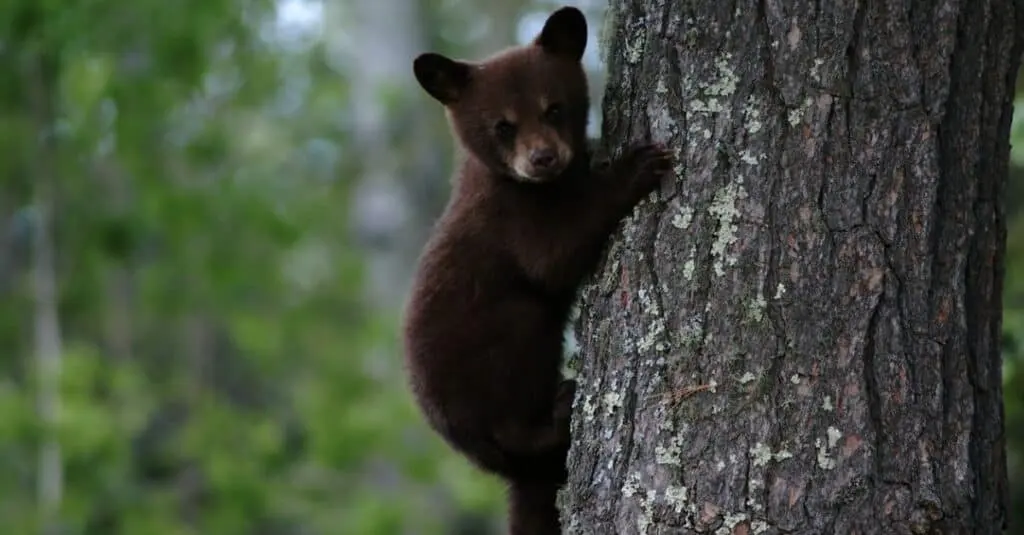
- Protection: The mother remains hyper-vigilant, often climbing trees or standing her ground to defend cubs from predators.
- Independence: Most cubs remain with their mothers for 1.5 to 2.5 years, learning essential survival skills before dispersing.
During this period, the mother acts as both a teacher and a shield. She must provide enough sustenance for the cubs while simultaneously protecting them from adult male bears, who may pose a threat to the young. This intense period of maternal care is the most critical phase in a bear’s life cycle.
Common mistakes when observing bear families
Observing bears in the wild is a privilege that requires strict adherence to safety protocols. A common mistake is approaching a mother bear and her cubs, which is dangerous and often illegal. A mother bear is biologically programmed to perceive any proximity to her offspring as a direct threat, which may trigger an immediate defensive charge.
- Never attempt to feed bears, as this creates habituation and increases the likelihood of human-bear conflict.
- Do not make loud noises or sudden movements if you encounter a family group, as this can startle the mother.
- Avoid using flash photography, which can disorient the animals and provoke an aggressive response.
- Always maintain a distance of at least 100 yards, using binoculars or a spotting scope to view them safely.
By keeping a respectful distance, you ensure that the bears continue their natural behaviors without the stress of human interference. Remember that a mother bear’s priority is the safety of her cubs, and any perceived intrusion will be met with force.
What is the typical lifespan of a bear cub?
The journey from birth to adulthood is fraught with natural hazards, and mortality rates for cubs can be high in some populations. In the wild, cub survival is influenced by the mother’s experience, the presence of other predators like wolves or mountain lions, and the availability of high-quality habitat. While many cubs do not survive their first two years, those that do reach independence have a significantly better chance of living into adulthood.
Once they reach maturity, bears are generally long-lived animals, often surviving into their twenties in the wild. The investment of time and energy provided by the mother during the cub stage is the foundation for this longevity. By teaching cubs how to navigate their territory, find food, and avoid danger, the mother ensures that her genetic lineage continues. Understanding these reproductive patterns helps conservationists manage habitats effectively, ensuring that these apex predators continue to thrive in their respective ecosystems for generations to come.
Key facts
- Most female bears give birth to an average of two cubs per litter.
- Litter sizes typically range from one to four cubs depending on the species and food availability.
- Black bear litters are often larger, frequently consisting of two or three cubs.
- Polar bear litters usually consist of one or two cubs, with triplets being rare.
- Cubs are born during the winter while the mother is in a state of torpor.
- A mother bear’s physical health and body fat percentage are the primary factors determining how many cubs she can successfully raise.
The bottom line
While litter sizes vary by species and environmental conditions, most bears typically give birth to two cubs at a time. These newborns are extremely vulnerable and depend entirely on their mother for survival during the winter denning period. Because cubs stay with their mothers for nearly two years, female bears only reproduce every few years, making the survival of each cub critical for the species.
People also ask
How long do cubs stay with their mother?
Most bear cubs remain with their mother for 18 to 24 months. During this time, the mother teaches them how to forage, hunt, and find suitable shelter.
At what time of year are bears born
Bears are born during the winter months, typically between January and February. This occurs while the mother is sleeping in her den, allowing the cubs to grow in a protected environment.
Are bear cubs born fully developed?
No, bear cubs are born very small, blind, and hairless. They rely entirely on their mother's milk and body heat to survive their first few months of life.
Do male bears help raise the cubs?
No, male bears do not participate in raising cubs. In fact, female bears often avoid males because adult males may pose a threat to the safety of the young.
What is the biggest threat to newborn cubs?
The most significant threat to cubs is food scarcity and predation by other bears. Starvation is the leading cause of mortality for cubs during their first year.
How often do bears have babies?
Most bears have a reproductive cycle that spans two to three years. Because cubs stay with their mothers for so long, the female cannot breed again until the current litter has dispersed.
This answer was created with the help of AI research tools and reference sources. Spotted an error? Let us know — we correct mistakes quickly. See our editorial policy.