How many babies do goats have?
Short answer
Goats typically give birth to one or two kids per pregnancy, though triplets are common in many breeds. Factors such as breed, age, and nutritional health influence the litter size. While a single kid is standard for first-time mothers, mature does often produce twins or triplets under optimal conditions and management.
On this page
How many babies do goats have on average?
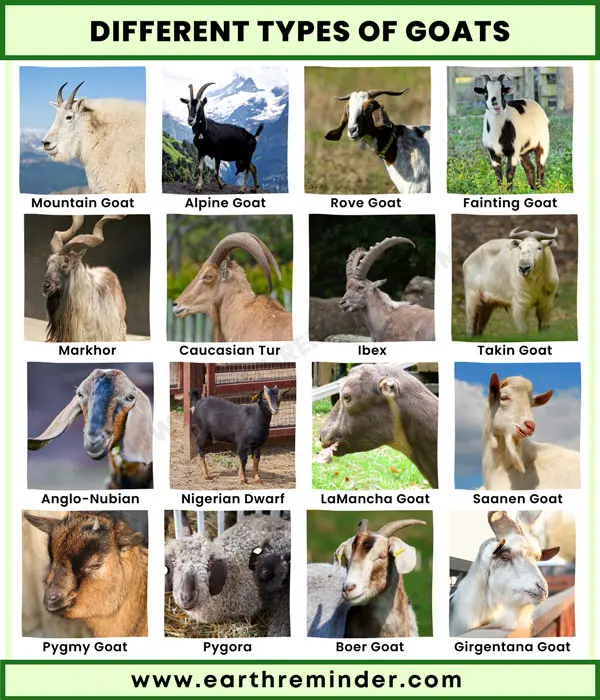
Most healthy, mature goats produce twins as their most frequent litter size. While a single kid is common for a doe’s first pregnancy, her reproductive capacity usually increases by her second or third year. Triplets occur regularly in high-production dairy breeds like the Alpine or Saanen, though they require more intensive care from the owner.
Breed genetics play a significant role in determining how many kids a doe will carry. Some meat breeds, such as the Boer goat, are specifically selected for their tendency to produce multiple offspring, often resulting in twins or triplets. Conversely, some heritage or fiber breeds might consistently produce only one kid. Understanding the specific history of your goat’s lineage provides the best indicator of what to expect during the kidding season.
How long is a goat pregnancy?
A goat’s gestation period lasts approximately 150 days, or about five months. Most breeders calculate this from the day the doe was successfully bred by the buck. While this timeframe is relatively consistent, minor variations of a few days are considered normal and healthy for most domestic goat breeds.
To manage the kidding process effectively, owners should track breeding dates using a calendar or digital log. This allows for proper preparation of the birthing area before the doe reaches her due date. If a doe goes significantly past 155 days, it is advisable to consult a veterinarian to ensure there are no complications. Preparation involves monitoring the doe for physical signs of impending labor, such as:
- A sunken appearance around the tail head and hips.
- Increased udder development and milk production.
- Restlessness or pawing at the ground.
- Separation from the rest of the herd.
What factors influence litter size?
The nutritional status of the doe before and during the breeding season is the primary driver of litter size. Known as "flushing," the practice of increasing a doe's caloric intake two to three weeks before breeding can significantly boost ovulation rates. A doe that is in good body condition—neither too thin nor obese—is statistically more likely to conceive multiple kids.
Age also acts as a critical factor in reproductive success. A doe that is too young, typically under eight months, may struggle to carry multiple kids safely. Conversely, older does may see a decline in fertility or the ability to support large litters. Maintaining a balanced mineral program, particularly one rich in copper and selenium, supports overall reproductive health and helps ensure that the pregnancy results in healthy, vigorous kids that are strong enough to thrive immediately after birth.
How to prepare for goat kidding?
Preparing for the arrival of kids requires creating a clean, dry, and draft-free environment. A dedicated kidding stall should be prepared at least two weeks before the expected due date. This space allows the mother to bond with her kids without interference from other herd members, reducing the risk of injury or accidental rejection.
- Clean the stall thoroughly and add a fresh layer of dry straw or wood shavings.
- Assemble a kidding kit containing iodine for umbilical cords, clean towels, a thermometer, and colostrum replacer.
- Ensure the doe has constant access to fresh, clean water and high-quality hay.
- Keep the contact information of a local large-animal veterinarian easily accessible in case of emergencies.
- Monitor the doe closely once she begins showing signs of labor, but avoid unnecessary intervention unless she appears to be in distress.
Common mistakes when managing goat births?
One of the most frequent errors is intervening too early during the birthing process. Goats are generally excellent mothers and often require no assistance. Rushing to pull a kid can cause physical trauma to both the doe and the offspring. Unless the doe has been actively pushing for more than 30 to 45 minutes without progress, it is usually best to observe from a distance.
Another common mistake is failing to ensure that newborn kids receive adequate colostrum within the first few hours of life. Colostrum provides essential antibodies that protect the kid from disease. If a kid is too weak to nurse, the owner must intervene by milking the doe and bottle-feeding the colostrum directly to the kid. Neglecting this step leaves the newborn vulnerable to infections and failure to thrive. Additionally, avoid overcrowding the kidding area, as this increases the risk of disease transmission and makes it difficult for the mother to recognize her own kids among others.
Key facts
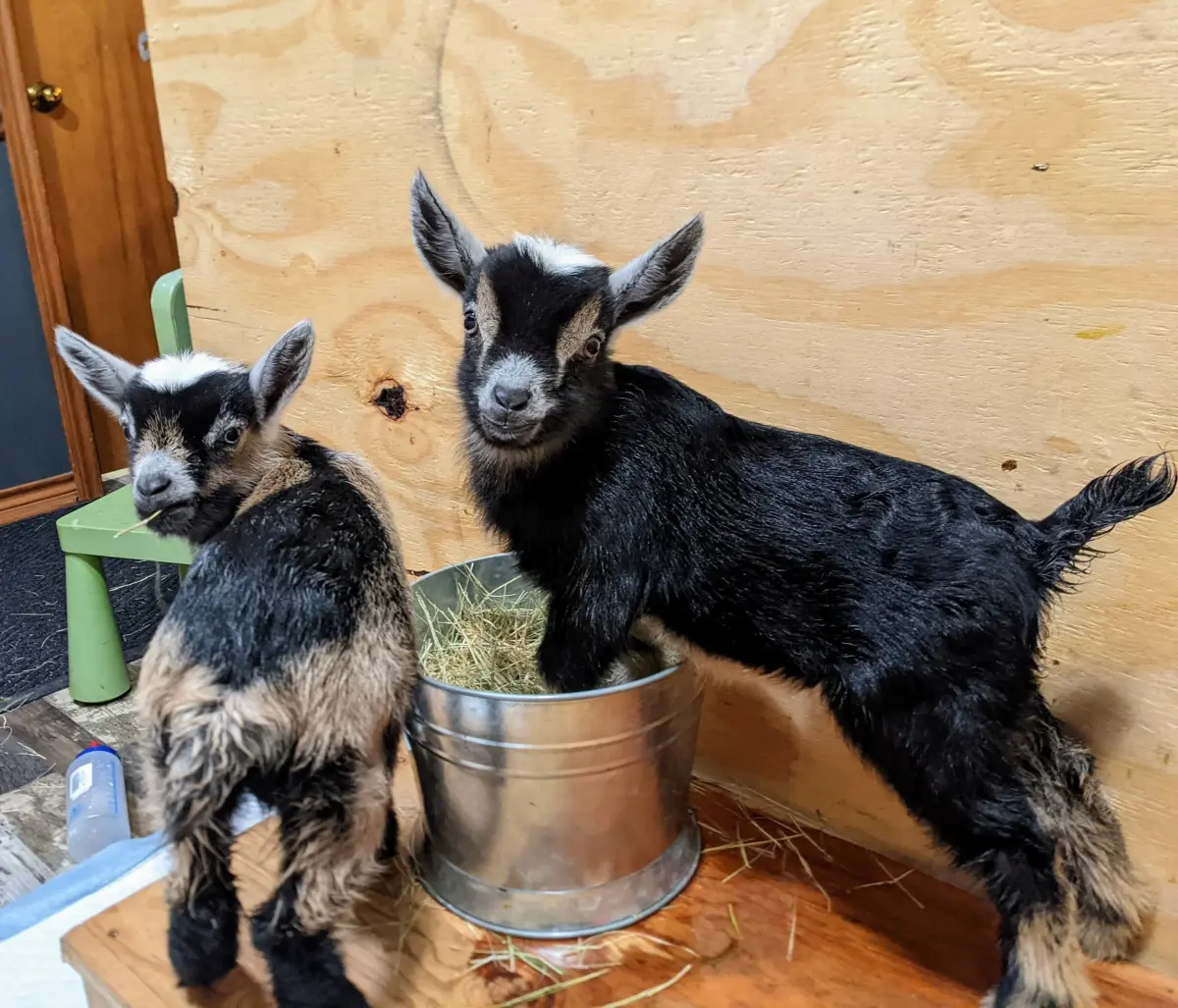
- Most goats give birth to one or two kids, though triplets are common in certain breeds like the Nigerian Dwarf.
- The gestation period for a goat is approximately 150 days, or about five months.
- A first-time mother, often called a "doeling," is more likely to have a single kid than an older, experienced doe.
- Proper nutrition during the final trimester is critical for the health of both the mother and the developing kids.
- Always ensure the kidding area is clean, dry, and free from drafts to prevent hypothermia in newborns.
- Monitor the doe closely for signs of labor, such as restlessness, pawing at the ground, or isolation from the herd.
The bottom line
Goats typically produce one or two kids per pregnancy, though genetics and nutrition play significant roles in litter size. Successful kidding requires preparation, including a clean environment and careful observation during the final stages of gestation. By providing proper prenatal care and monitoring for complications, owners can ensure a safe delivery and healthy start for the newborns, ultimately supporting the long-term productivity and well-being of the herd.
People also ask
How can I tell if my goat is pregnant?
You can confirm pregnancy through blood tests, ultrasound, or by observing the absence of a heat cycle after breeding. Physical signs include a gradual enlargement of the abdomen and udder development in the final weeks.
What should I do if a goat has trouble giving birth?
If a doe has been straining for more than 30 minutes without progress, contact a veterinarian immediately. Do not attempt to pull the kid unless you are trained, as improper intervention can cause permanent injury.
How soon after birth should a kid nurse?
A newborn kid should receive colostrum within the first hour of life to gain essential antibodies. If the kid is too weak to nurse, you may need to milk the mother and bottle-feed the colostrum.
Do goats require assistance during delivery?
Most goats deliver their kids without any human interference. It is best to observe from a distance to minimize stress and only intervene if you notice signs of a difficult birth.
What is the most common mistake when caring for a pregnant goat?
Overfeeding grain during pregnancy is a common error that can lead to pregnancy toxemia or oversized kids. Focus on high-quality hay and free-choice minerals rather than excessive concentrates.
How do I know if a kid is healthy?
A healthy kid should be standing and attempting to nurse within an hour of birth. It should be alert, vocal, and have a steady body temperature, with no signs of lethargy or labored breathing.
This answer was created with the help of AI research tools and reference sources. Spotted an error? Let us know — we correct mistakes quickly. See our editorial policy.