What are the benefits of having a hobby?
Short answer
Engaging in hobbies significantly improves mental and physical well-being by reducing stress, fostering cognitive growth, and providing a necessary escape from daily professional pressures. These activities promote a sense of accomplishment, encourage social interaction, and help maintain a healthy work-life balance, ultimately leading to increased life satisfaction and improved long-term health outcomes.
On this page
Why do hobbies improve mental health?
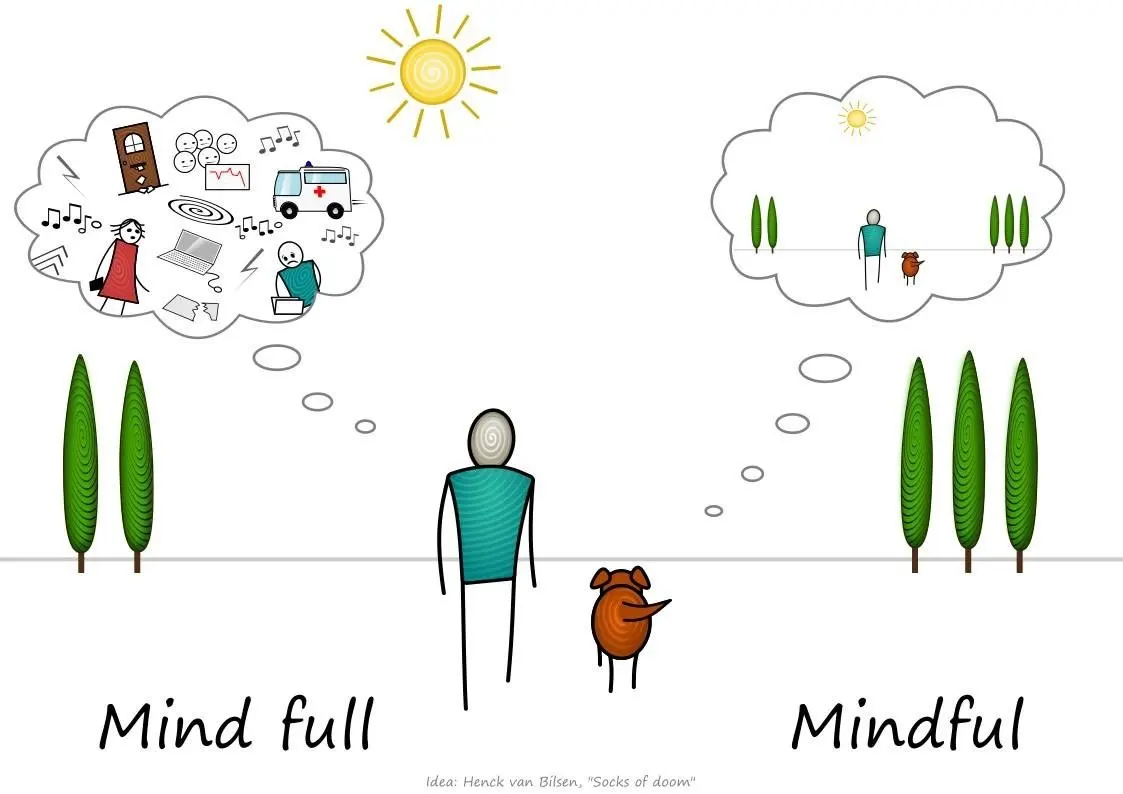
Hobbies act as a psychological buffer against the stressors of modern life. When you engage in a task that you enjoy, your brain shifts focus away from anxieties and ruminative thoughts, a state often referred to as "flow." Research published in the Journal of Occupational and Organizational Psychology indicates that creative leisure activities help individuals recover from work-related fatigue, leading to better emotional regulation and lower levels of cortisol, the body's primary stress hormone.
Beyond immediate stress relief, hobbies provide a sense of autonomy and identity outside of one’s career. By mastering a skill or completing a project, individuals experience a boost in self-efficacy and confidence. This is particularly important for those in high-pressure environments, as hobbies offer a controlled space where the stakes are lower and the primary goal is personal satisfaction rather than external evaluation or productivity quotas.
How to choose the right hobby for you
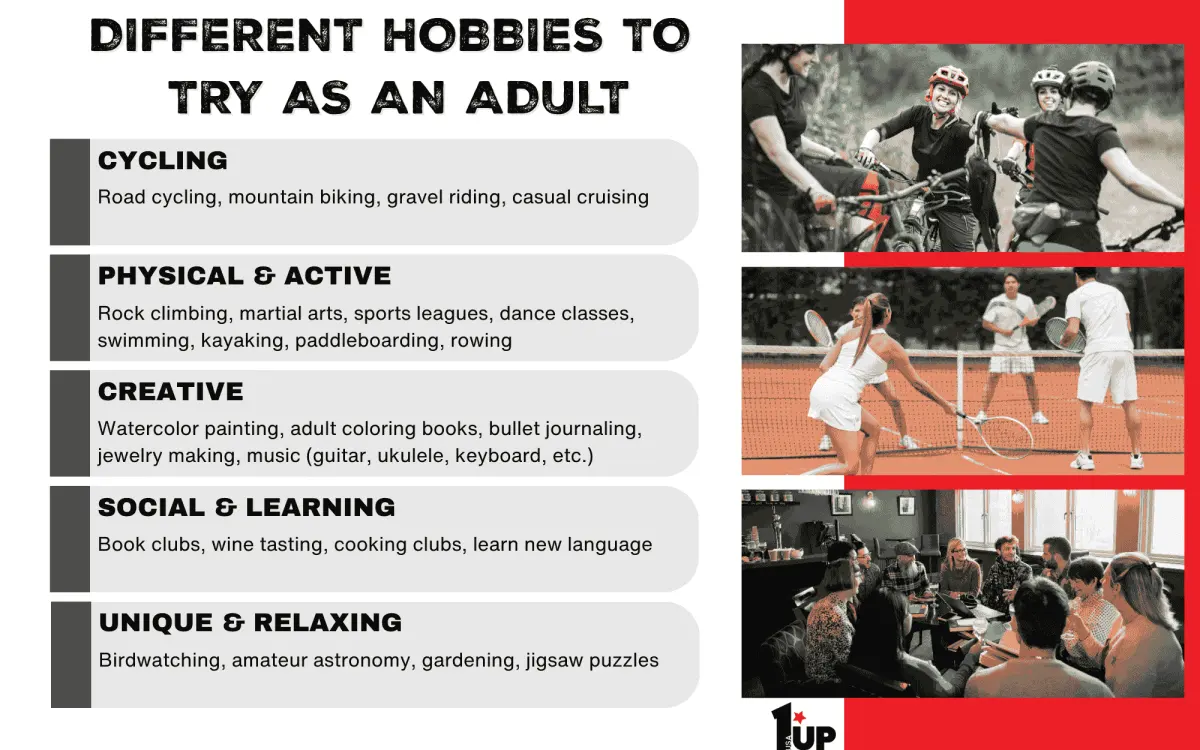
Selecting a hobby should be based on your personal interests rather than current trends. To find the right fit, consider the following approach to ensure long-term engagement and enjoyment:
- Reflect on childhood interests: Think about activities you enjoyed before professional responsibilities took over.
- Assess your energy levels: Choose active hobbies like hiking if you feel sluggish, or calming ones like knitting if you feel overwhelmed.
- Determine your budget: Start with low-cost options to see if the activity holds your interest.
- Evaluate your social needs: Decide if you prefer solitary pursuits or community-based groups.
Common mistakes include choosing a hobby solely for social status or over-investing in expensive equipment before testing the activity. Many beginners quit because they treat their hobby like a second job, setting rigid performance goals that strip away the joy. Instead, focus on the process rather than the final result.
Best hobbies for cognitive development
Certain hobbies are specifically effective at maintaining brain health and neuroplasticity. Learning a new language, playing a musical instrument, or engaging in complex strategy games like chess requires the brain to form new neural pathways. A study from the University of California, Riverside, suggests that complex leisure activities can delay cognitive decline in older adults by keeping the mind agile and challenged.
These activities often require sustained attention and working memory, which helps sharpen focus. For example, learning to play the piano involves coordinating hand movements with auditory feedback and reading musical notation, a multi-sensory exercise that strengthens executive function. By consistently challenging yourself with new, difficult tasks, you build cognitive reserve, which acts as a buffer against age-related memory loss and improves overall mental sharpness throughout your adult life.
How to balance hobbies with a busy schedule
Finding time for a hobby requires intentional scheduling rather than waiting for spare time to appear. Many people fail to maintain hobbies because they view them as "optional" tasks that can be sacrificed when work gets busy. To integrate a hobby effectively, treat it with the same respect as a professional appointment or a medical checkup.
- Use the "micro-habit" method: Dedicate just 15 minutes a day to your hobby to build consistency.
- Block time on your calendar: Treat your hobby time as a non-negotiable commitment.
- Combine activities: Listen to educational podcasts while painting, or practice language learning during your commute.
- Audit your screen time: Replace 30 minutes of passive social media scrolling with your chosen activity.
By making small, incremental changes to your daily routine, you prevent burnout and ensure that your hobby remains a sustainable part of your lifestyle. Consistency is far more beneficial than sporadic, intense sessions that leave you exhausted.
Common mistakes when starting a new hobby
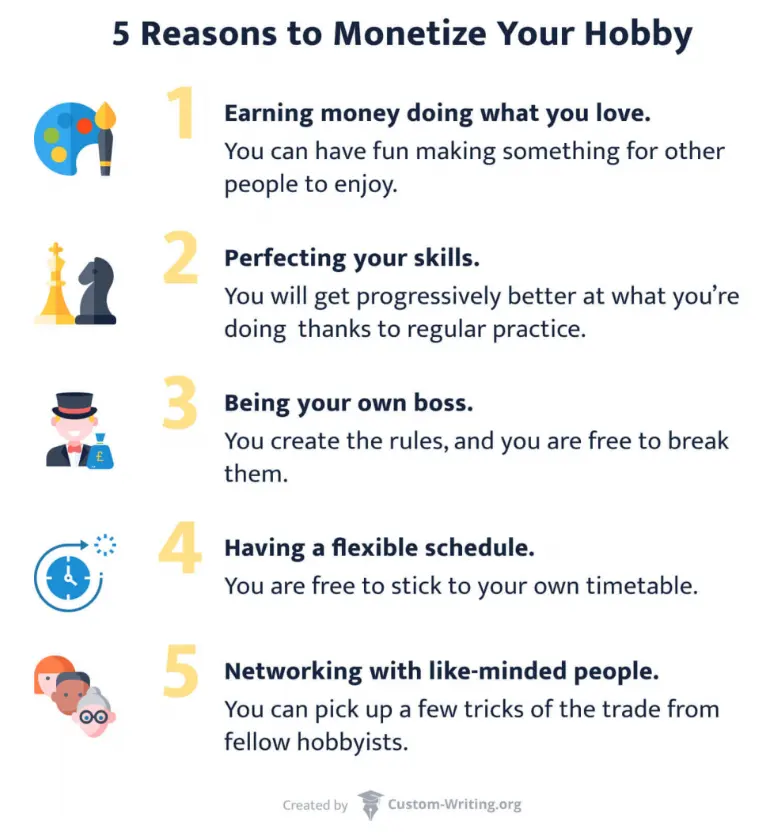
The most frequent error beginners make is the "perfectionist trap." This occurs when individuals compare their early, amateur efforts to the work of seasoned experts, leading to discouragement. It is essential to remember that the value of a hobby lies in the act of doing, not in achieving professional-level results. Avoid the temptation to monetize your hobby immediately, as turning a passion into a side hustle often introduces the very stress you were trying to escape.
Another mistake is failing to create a dedicated space for your activity. If you have to spend twenty minutes setting up your supplies every time you want to paint or write, you are less likely to start. Keep your tools organized and accessible to lower the barrier to entry. Finally, do not be afraid to abandon a hobby that no longer brings you joy. Your interests may evolve over time, and moving on to a new pursuit is a healthy part of personal growth and self-discovery.
Key facts
- Engaging in hobbies lowers cortisol levels, which is the primary hormone associated with stress.
- Creative pursuits like painting or writing improve cognitive flexibility and problem-solving skills.
- Studies show that people with active hobbies report a 30% higher sense of life satisfaction.
- Physical hobbies, such as gardening or hiking, boost cardiovascular health and immune function.
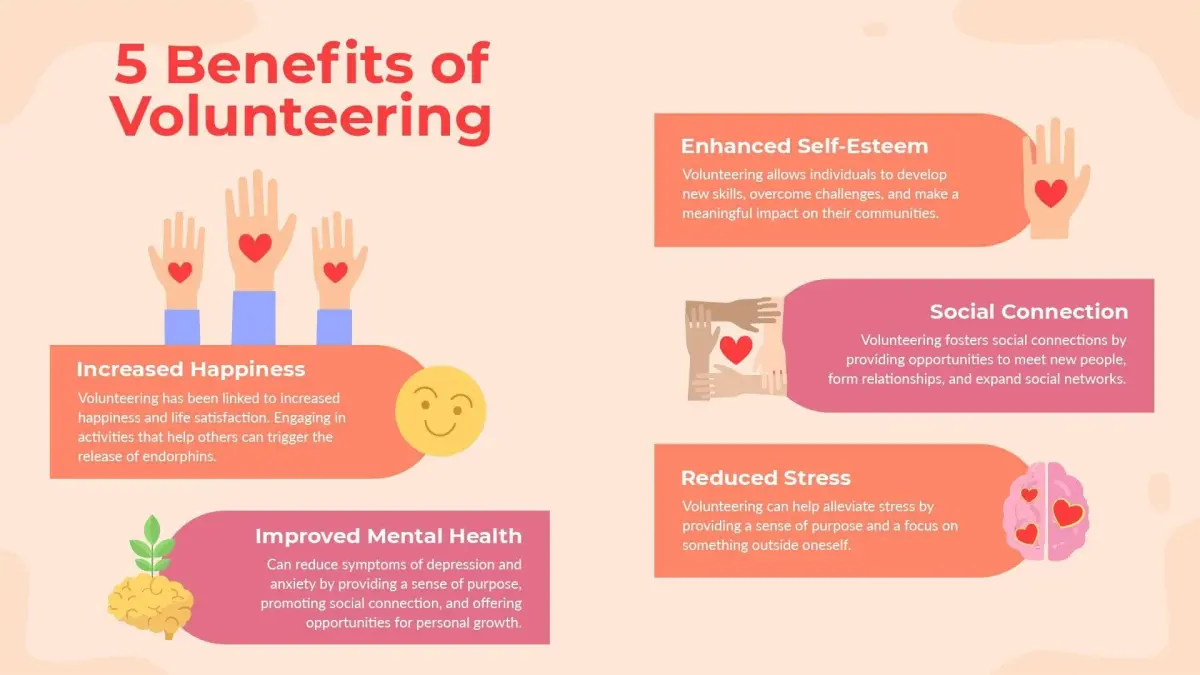
- Social hobbies, like joining a book club, reduce feelings of loneliness and improve social anxiety.
- Dedicating just 20 minutes a day to a hobby can significantly improve your mood and focus.
The bottom line
Hobbies are essential tools for maintaining mental and physical well-being in a fast-paced world. By providing a constructive outlet for stress and fostering personal growth, they enhance overall life satisfaction. Whether you choose a creative, physical, or social pursuit, the key is consistency. Engaging in activities you genuinely enjoy helps you recharge, improves cognitive function, and creates a more balanced, fulfilling daily routine.
People also ask
How do I choose a hobby that fits my lifestyle?
Consider your available time, budget, and whether you prefer solitary or social activities. Start by listing things you enjoyed as a child or skills you have always wanted to learn.
Is it better to have one hobby or many?
There is no strict rule, but focusing on one hobby allows for mastery and deeper satisfaction. Once you feel comfortable, exploring multiple interests can provide a broader range of mental and physical stimulation.
Can a hobby eventually become a career?
Many successful businesses started as personal interests, such as photography, coding, or baking. However, be aware that turning a passion into a job can sometimes remove the joy and relaxation it previously provided.
What are common mistakes when starting a new hobby?
The most frequent error is over-investing in expensive equipment before knowing if you enjoy the activity. Another mistake is setting unrealistic performance goals, which can quickly turn a fun pastime into a source of stress.
How can I stay motivated to continue my hobby?
Track your progress by keeping a journal or sharing your work with a community. Set small, achievable milestones rather than focusing on long-term perfection to maintain consistent momentum.
Can hobbies help with burnout at work?
Yes, hobbies provide a necessary psychological detachment from professional stressors. By shifting your focus to a non-work task, you allow your brain to recover and return to work with renewed energy.
This answer was created with the help of AI research tools and reference sources. Spotted an error? Let us know — we correct mistakes quickly. See our editorial policy.