Are jellyfish dangerous to humans?
Short answer
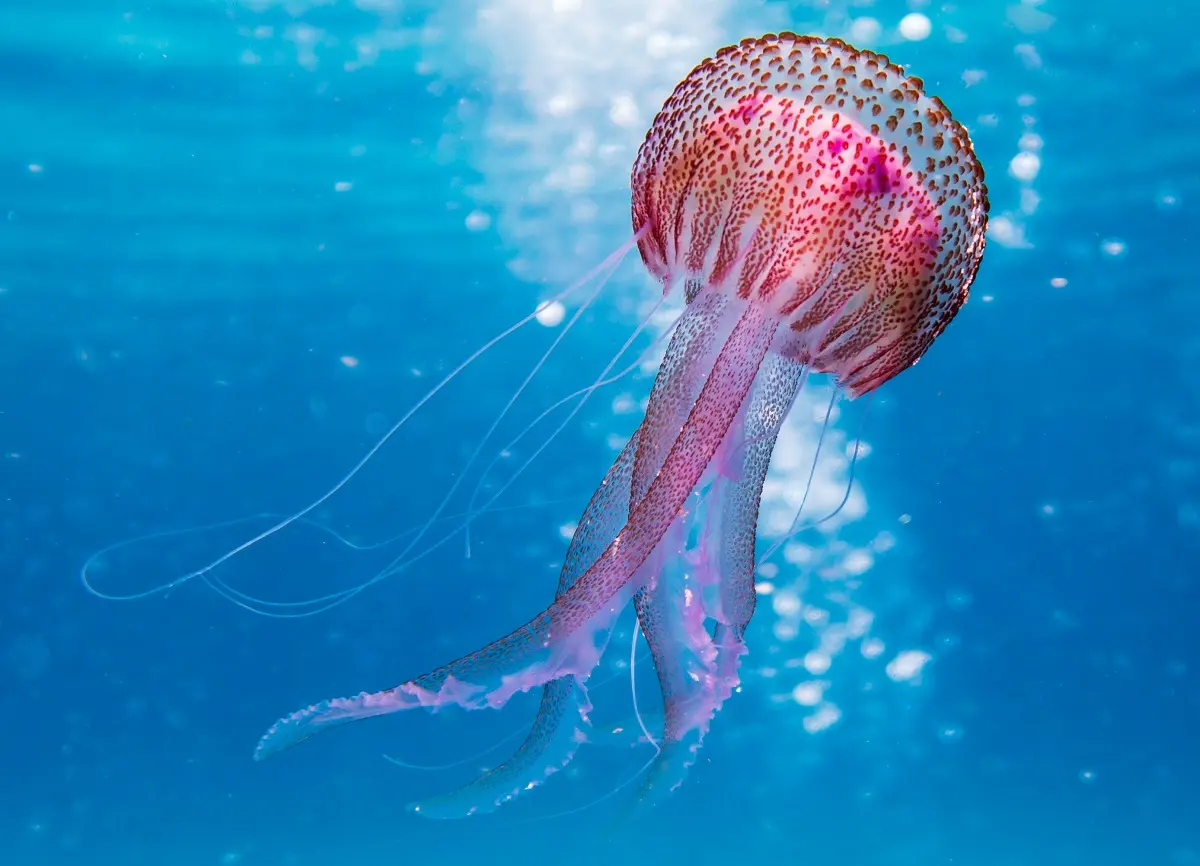
Jellyfish range from harmless to lethal. While most species cause only mild irritation, others possess potent toxins that can trigger severe allergic reactions, cardiac arrest, or death. The danger depends entirely on the specific species, the extent of the contact, and the victim's individual physiological response to the venomous stinging cells.
On this page
Which jellyfish are the most dangerous?
The danger posed by jellyfish varies significantly by species and geographic location. The most lethal jellyfish in the world is the box jellyfish, particularly the Chironex fleckeri, found in the coastal waters of Northern Australia and Southeast Asia. This creature can grow to the size of a basketball and possesses up to 60 tentacles that can reach three meters in length. Its venom is so potent that it can cause human heart failure within minutes of contact.
Other species, such as the Irukandji jellyfish, are significantly smaller—often no larger than a fingernail—but deliver a disproportionately painful sting. Their venom induces a condition known as Irukandji syndrome, characterized by severe muscle cramps, back pain, nausea, and dangerously high blood pressure. While less likely to be immediately fatal than the Chironex, these stings often require hospitalization for pain management and cardiac monitoring to ensure the victim remains stable during the recovery process.
How do jellyfish stings affect the human body?
Jellyfish tentacles are covered in specialized cells called cnidocytes, which contain tiny, harpoon-like structures known as nematocysts. When these cells come into physical or chemical contact with human skin, they discharge their venom instantly. This process happens in a fraction of a second, often before a swimmer even realizes they have brushed against a tentacle. The venom acts as a neurotoxin, a cardiotoxin, or a dermatotoxin, depending on the species.
The immediate reaction is usually an intense, burning sensation followed by localized redness, swelling, and welts that follow the pattern of the tentacles. In severe cases, the toxins enter the bloodstream and disrupt the nervous system or heart function. The following symptoms often indicate a systemic reaction that requires immediate medical intervention:
- Difficulty breathing or wheezing
- Chest pain or rapid heartbeat
- Nausea, vomiting, or abdominal cramps
- Dizziness, confusion, or loss of consciousness
- Widespread skin rash or hives
What to do if you get stung
If you are stung by a jellyfish, your primary goal is to neutralize any remaining nematocysts and prevent further venom injection. Time is a critical factor, as some jellyfish stings can lead to rapid systemic collapse. Follow these steps to manage the injury effectively while seeking professional medical assistance:
- Rinse the affected area thoroughly with household vinegar for at least 30 seconds. The acetic acid in the vinegar inhibits the discharge of undischarged nematocysts.
- Carefully remove any visible tentacles using tweezers or a gloved hand. Do not rub the area with your bare fingers, as this may trigger remaining stinging cells.
- Immerse the stung area in hot water (between 42°C and 45°C) for 20 to 45 minutes. The heat helps to denature the protein-based venom, providing significant pain relief.
- Seek emergency medical care immediately if the sting covers a large area of the body or if the victim shows signs of systemic distress.
Common mistakes when treating stings
Many people rely on outdated or harmful home remedies that can actually worsen the injury. One of the most dangerous myths is the belief that urinating on a jellyfish sting provides relief. In reality, urine lacks the specific chemical properties required to neutralize toxins and may actually cause the remaining nematocysts to fire, increasing the amount of venom delivered to the victim. Avoid these common errors to ensure you do not aggravate the wound:
- Do not rinse the area with fresh water, as the change in osmotic pressure can force more venom into the skin.
- Do not apply ice or cold packs, as these can trigger the discharge of dormant stinging cells.
- Do not scrub or rub the site with a towel, sand, or clothing, as this mechanical pressure will cause more nematocysts to release their toxins.
- Do not attempt to use alcohol or spirits, as these can also stimulate the stinging mechanism.
How to avoid jellyfish stings while swimming
Prevention is the most effective way to stay safe when entering the ocean. Before heading into the water, always check local beach reports and heed warning signs posted by lifeguards. Many coastal regions operate jellyfish monitoring programs that provide real-time data on bloom activity. If you know you are swimming in an area where dangerous jellyfish are common, take these simple precautions to minimize your risk of exposure:
- Wear protective clothing, such as a full-body lycra "stinger suit" or a wetsuit, which provides a physical barrier between your skin and the tentacles.
- Avoid swimming in murky water or near river mouths, where jellyfish are often more concentrated.
- Keep a bottle of vinegar in your beach bag as a standard part of your first-aid kit.
- Stay alert for "jellyfish blooms," which are large groups of jellyfish that can appear suddenly due to ocean currents or seasonal temperature changes.
Key facts
- Most jellyfish stings cause only minor irritation, but some species can deliver venom potent enough to cause cardiac arrest.
- The box jellyfish (Chironex fleckeri) is widely considered the most venomous marine animal, capable of killing a human in minutes.
- To treat a sting, rinse the area with vinegar for at least 30 seconds to deactivate remaining stinging cells.
- Never rinse a sting with fresh water, as it can cause the stinging cells to discharge more venom into your skin.
- Avoid rubbing the area or applying ice directly, as these actions can trigger the release of additional toxins.
- Wear protective clothing like "stinger suits" or pantyhose when swimming in areas known for high jellyfish populations.
The bottom line
While the majority of jellyfish stings are merely painful nuisances, some species pose a genuine threat to human life. Understanding how to react—specifically by using vinegar and avoiding fresh water—is essential for safety. By remaining vigilant in coastal waters, wearing protective gear, and treating every encounter with caution, you can significantly reduce the risk of injury while enjoying your time at the beach.
People also ask
Does urinating on a jellyfish sting actually help?
No, urinating on a sting is a myth that can worsen the injury. Fresh water or urine can trigger undischarged stinging cells to release more venom into the skin.
How can I tell if a jellyfish is dangerous?
It is difficult to identify species in the water, so treat all jellyfish as potentially harmful. If you see them, avoid contact and exit the water immediately.
What are the symptoms of a severe jellyfish sting?
Symptoms include intense pain, difficulty breathing, chest pain, nausea, and muscle spasms. If these occur, seek emergency medical attention immediately.
Can I remove jellyfish tentacles with my bare hands?
Do not touch tentacles with your hands, as they can still sting even if detached from the jellyfish. Use tweezers or a gloved hand to carefully remove them.
How long does the pain from a jellyfish sting last?
Minor stings typically subside within a few hours, while severe stings can cause pain that persists for days. Medical professionals may prescribe antihistamines or topical creams for relief.
Are jellyfish dangerous even if they are washed up on the beach?
Yes, jellyfish washed up on the shore can remain dangerous for several hours. The stinging cells remain active and can fire if touched or stepped on.
This answer was created with the help of AI research tools and reference sources. Spotted an error? Let us know — we correct mistakes quickly. See our editorial policy.