Are alligators dangerous to humans?
Short answer
Alligators are apex predators and can be dangerous to humans, though unprovoked attacks remain relatively rare. While they generally avoid people, they become aggressive if they feel threatened, are protecting their nests, or have been conditioned to associate humans with food. Respecting their space is the most effective way to prevent incidents.
On this page
Why do alligators attack humans?
Alligators are opportunistic predators that naturally hunt fish, turtles, and small mammals. Attacks on humans usually occur because the animal perceives a person as a threat or a potential food source. In many cases, these reptiles are simply defending their territory, particularly during the spring mating season or when a female is guarding her nest.
The most dangerous behavior involves alligators that have been fed by humans. When people intentionally or accidentally provide food, the animals lose their natural fear and begin to associate humans with easy meals. This process, known as habituation, makes them bold and more likely to approach people in search of sustenance. Once an alligator views humans as a source of food, it becomes a significant safety risk to the community.
How to identify dangerous alligator behavior
Alligators often display specific warning signs before an attack. A common misconception is that they will always hiss or lunge immediately; in reality, they are masters of stealth. If an alligator is watching you closely, rising high out of the water, or slapping its tail against the surface, it is signaling that you are too close.
You should be particularly cautious if you observe the following behaviors:
- Hissing loudly or making deep, rumbling bellows.
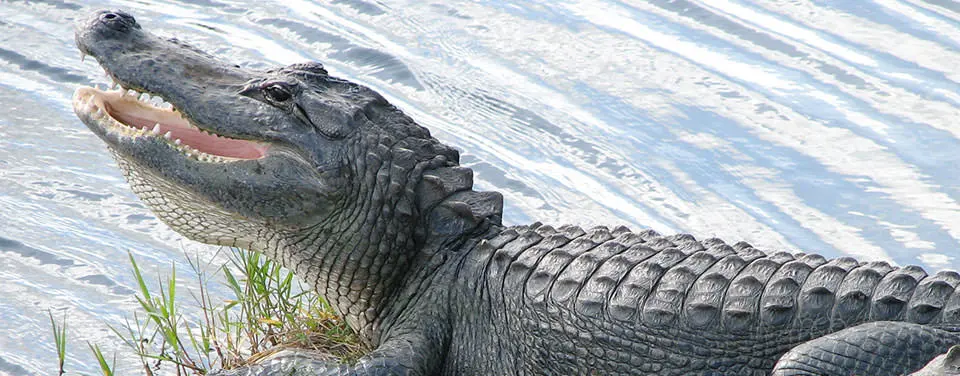
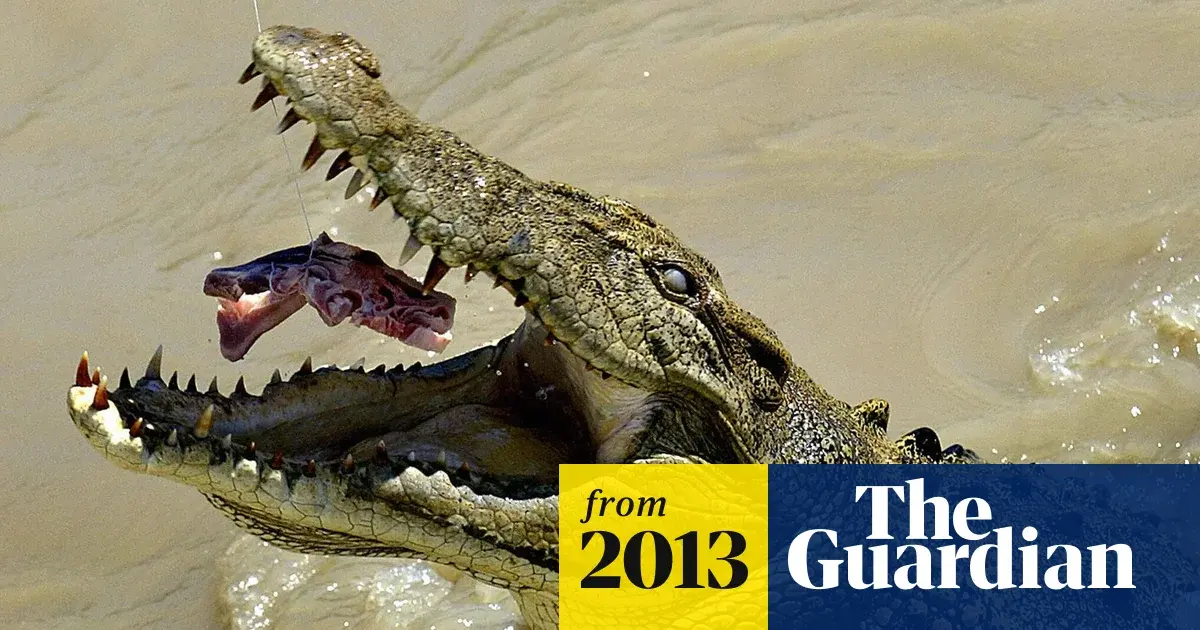
- Opening the mouth wide to display teeth as a threat.
- Moving toward you on land or in the water.
- Following you along the shoreline while you walk or jog.
If you see these signs, do not attempt to film the animal or get a better look. Back away slowly and maintain a clear line of sight, ensuring you do not trip or lose your balance while retreating to a safe distance.
Where are alligator encounters most common?
Alligators thrive in freshwater environments, including marshes, swamps, rivers, and lakes. In the United States, they are primarily found in the southeastern region, with the highest populations in Florida and Louisiana. Because these areas are also popular for human recreation, encounters occur frequently in residential ponds, golf courses, and public parks.
Human activity increases the likelihood of an encounter in several specific settings:
- Near the water's edge at dawn or dusk, when alligators are most active.
- In areas where people discard fish remains or pet food.
- Near heavy vegetation or tall grass where nests may be hidden.
- In murky water where a swimmer or wader cannot see the bottom.
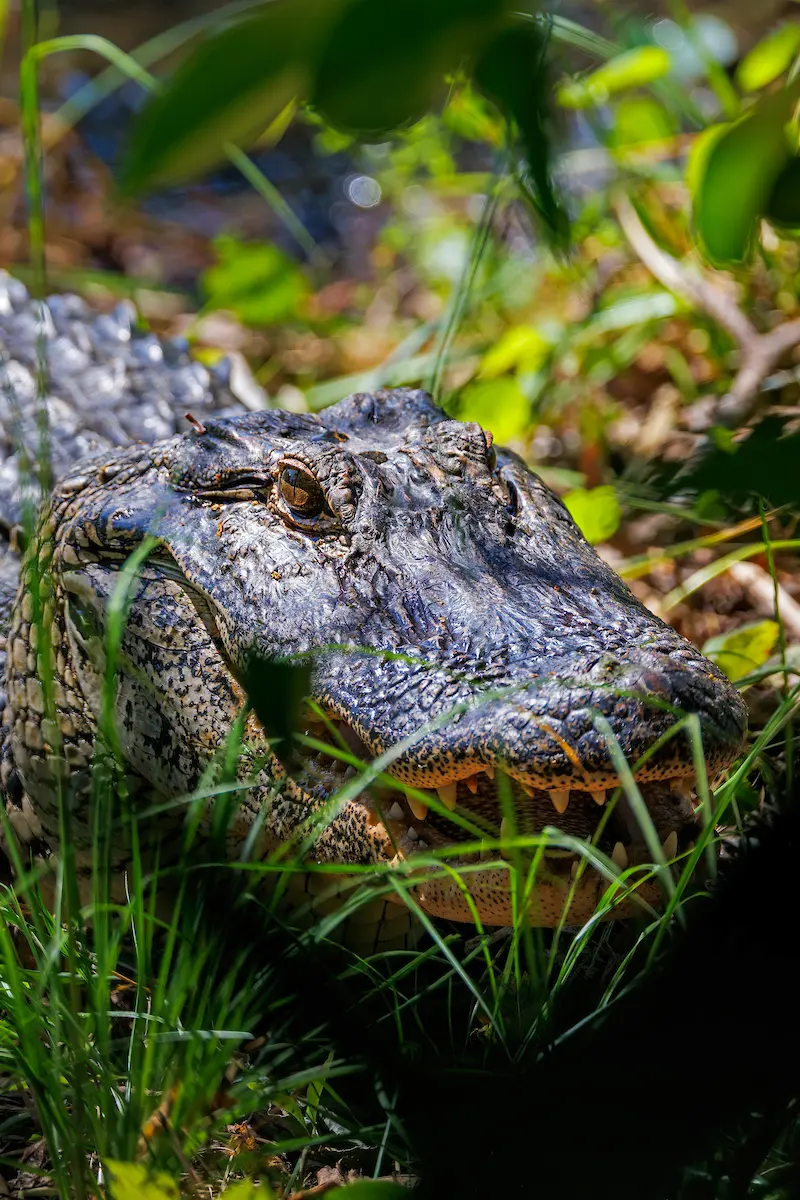
Always assume that any body of fresh water in alligator territory contains the reptiles, even if you do not see them. They are experts at camouflage and can remain submerged for long periods, waiting for prey to approach the bank.
What to do if an alligator attacks
If you are physically attacked by an alligator, your primary goal is to escape its grip and reach safety. These animals typically bite and perform a "death roll" to disorient prey or tear off flesh. If the alligator grabs a limb, do not try to pull it out of the mouth, as this will only cause more severe tissue damage.
Follow these steps to maximize your chances of survival:
- Strike the sensitive areas of the alligator, specifically the eyes and the snout.
- If the animal is holding you, try to gouge its eyes with your thumbs or fingers.
- If you are near the water, get to land immediately and run in a straight line away from the animal.
- Seek emergency medical attention immediately, as alligator bites are prone to severe bacterial infections.
Even a small bite can lead to significant complications due to the bacteria present in the alligator's mouth. Do not underestimate the injury, regardless of how minor it may appear at the time of the encounter.
Common mistakes when living near alligators
A frequent mistake is assuming that alligators are slow or sluggish on land. While they prefer to conserve energy, they can reach speeds of up to 30 miles per hour in short bursts on solid ground. People often stand too close to the water's edge to take photographs, underestimating how quickly an alligator can lunge from the shallows.
Other dangerous mistakes include:
- Letting pets or small children play near the edge of ponds or lakes.
- Swimming in water that is not designated for human use.
- Assuming that a small alligator is harmless and safe to handle.
- Walking dogs near the water, as their erratic movements and barking can trigger an alligator's predatory instinct.
By maintaining a respectful distance and never feeding the animals, you can coexist safely with these apex predators. Always prioritize situational awareness and keep a buffer zone of at least 30 feet between yourself and any body of water inhabited by alligators.
Key facts
- American alligators are apex predators that can grow up to 14 feet long and weigh over 1,000 pounds.
- Attacks on humans are rare, but they occur most frequently during the spring mating season between April and June.
- Alligators are ectothermic and rely on external heat, making them most active and aggressive during warmer months.
- If an alligator approaches you on land, run in a straight line away from the water; they are fast but tire quickly.
- Never feed an alligator, as this causes them to lose their natural fear of humans and associate people with food.
- Avoid swimming in murky, freshwater bodies like lakes or canals, especially at dawn or dusk when alligators hunt.
The bottom line
While American alligators are powerful predators, they are generally shy and prefer to avoid human contact. Fatalities remain extremely rare, usually resulting from accidental encounters or risky human behavior like feeding. By maintaining a safe distance, keeping pets leashed, and avoiding swimming in murky waters at dawn or dusk, you can safely coexist with these reptiles. Respect their space, and they will almost always leave you alone.
People also ask
Can I outrun an alligator on land?
Yes, alligators are capable of short bursts of speed reaching 30 miles per hour, but they lack endurance. Running in a straight line away from the water is usually sufficient to escape, as they rarely chase prey over long distances.
What should I do if an alligator bites me?
If grabbed, fight back aggressively by striking the snout or poking the eyes, which are the most sensitive areas. Do not attempt to pry the jaws open, as their closing force is immense.
Are small dogs safe around alligator habitats?
No, pets are at high risk because alligators often mistake them for natural prey like raccoons or otters. Always keep dogs on a leash and away from the water's edge in areas where alligators are present.
Do alligators hunt humans intentionally?
Humans are not natural prey for alligators, and most attacks are cases of mistaken identity or defensive behavior. Attacks usually happen when a person accidentally encroaches on a nest or a feeding territory.
How can I tell if an alligator is nearby?
Look for "slides," which are smooth, muddy paths leading into the water, or floating eyes and snouts. Listen for hissing sounds, which indicate an alligator feels threatened and is warning you to back away.
Is it safe to swim in a pool if an alligator is nearby?
While alligators can climb fences, they generally avoid chlorinated pools. However, if an alligator enters your pool, contact professional wildlife removal services immediately and keep all people and pets indoors.
This answer was created with the help of AI research tools and reference sources. Spotted an error? Let us know — we correct mistakes quickly. See our editorial policy.