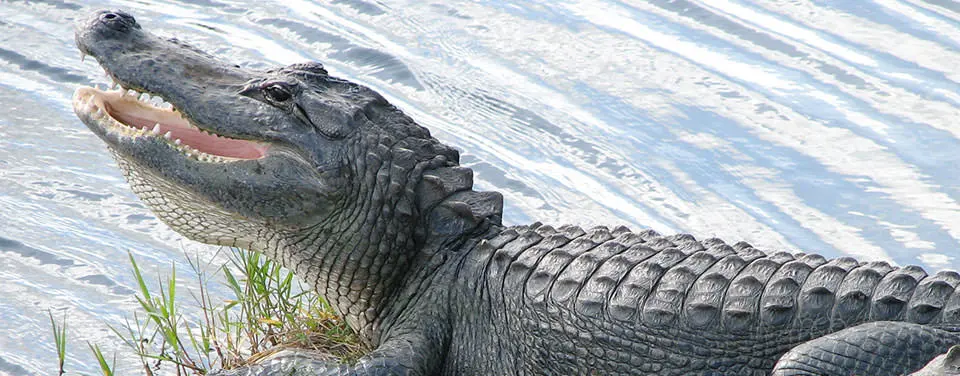
How long do alligators live?
Short answer
American alligators typically live between 35 and 50 years in the wild. While some individuals in captivity have reached ages exceeding 70 or 80 years due to consistent care and protection from environmental stressors, these cases are exceptions. Most wild alligators face significant challenges that limit their overall lifespan in nature.
On this page
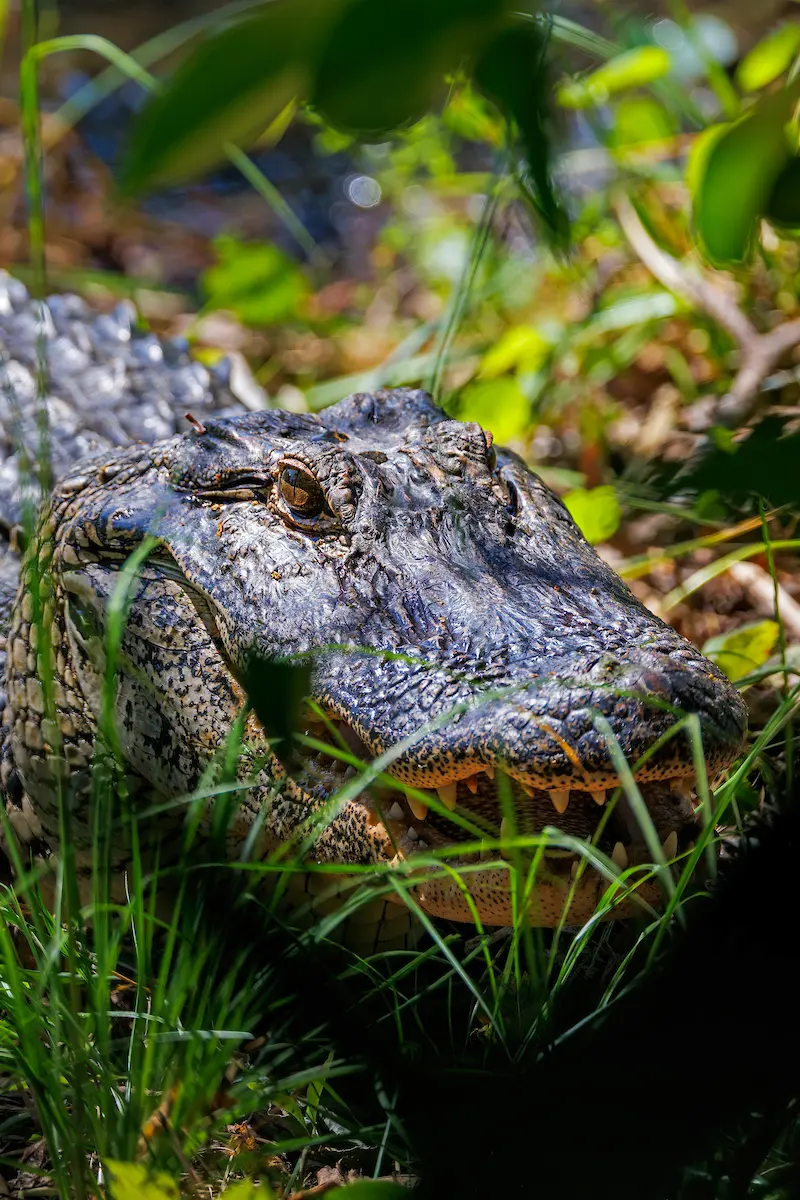
How long do alligators live in the wild?
In their natural habitat, American alligators generally reach maturity between 10 and 12 years of age. Once they reach adulthood, their survival rate increases significantly because they have few natural predators. However, environmental factors such as habitat loss, pollution, and competition for food resources play a massive role in determining how long an individual survives. While they are biologically capable of living for several decades, the pressures of the wild often cap their lifespan at around 50 years.
Environmental conditions significantly influence these reptiles, which are ectothermic and rely on external heat sources to regulate their body temperature. During periods of extreme drought or cold, juvenile alligators are particularly vulnerable, leading to high mortality rates before they reach adulthood. Those that successfully navigate these early developmental stages often thrive, but they must constantly contend with human encroachment, which remains the primary threat to their long-term survival in the southeastern United States.
How long do alligators live in captivity?
Alligators kept in zoos or research facilities often outlive their wild counterparts by a considerable margin. In a controlled environment, these animals are provided with a steady supply of high-quality food, medical care, and protection from predators or territorial conflicts. Because they do not have to expend energy searching for prey or defending large territories, they can dedicate more biological resources to cellular maintenance and longevity.
Several documented cases highlight the potential for extreme longevity in protected settings. For example, Muja, an American alligator living at the Belgrade Zoo in Serbia, has been in captivity since 1937, making him well over 80 years old. These instances demonstrate that the biological limit for the species is likely much higher than what is observed in nature. When provided with optimal conditions, it is not uncommon for healthy, well-monitored alligators to surpass the 70-year mark.
What factors affect alligator lifespan?
Several biological and environmental variables dictate the longevity of an alligator. Understanding these factors is essential for conservation efforts aimed at maintaining healthy populations across their range. The following list outlines the primary influences on how long these reptiles survive:
- Habitat quality: Access to clean, unpolluted water is vital for preventing disease and ensuring healthy growth.
- Food availability: Consistent access to prey allows for proper metabolic function and energy storage.
- Genetic health: Populations with high genetic diversity are generally more resilient to parasites and environmental shifts.
- Human interaction: Encounters with vehicles, illegal poaching, or habitat destruction significantly shorten the average lifespan.
- Climate stability: Stable temperatures allow alligators to maintain their metabolic processes without undue stress.
These factors work in tandem to determine the overall health of an alligator population. When a habitat is degraded, the cumulative stress on the animals often results in shorter lifespans and lower reproductive success rates.
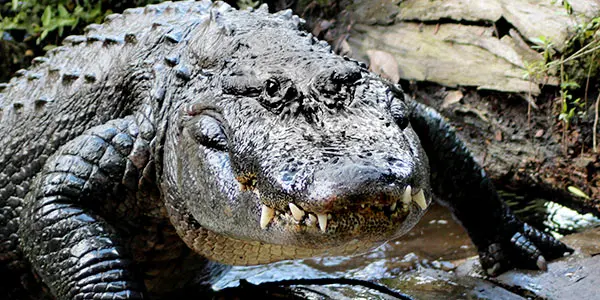
How to identify an alligator's age
Determining the exact age of an alligator in the wild is notoriously difficult because they do not have obvious external growth markers. Researchers typically rely on specific scientific methods to estimate age, as there is no simple visual test for a casual observer. The most common techniques used by wildlife biologists include:
- Counting growth rings: Scientists examine the lamellar bone tissue in the femur or scutes, which creates annual growth rings similar to those found in trees.
- Measuring body length: While not perfectly accurate due to varying growth rates, length provides a general estimate of age for younger, developing alligators.
- Analyzing tooth wear: Older alligators often show significant dental erosion, which can be used as a rough indicator of their advanced age.
These methods are primarily used for research and conservation monitoring rather than casual observation. Attempting to estimate an alligator's age based solely on its size is often misleading, as growth rates vary wildly depending on the availability of food and the temperature of the water.
Common mistakes when observing alligators
When people attempt to interact with or observe alligators, they often make errors that put both themselves and the animals at risk. It is important to remember that alligators are wild predators, and human interference can disrupt their natural behaviors and shorten their lives. Avoid the following common mistakes:
- Feeding alligators: This is the most dangerous mistake, as it causes the animal to associate humans with food, leading to "nuisance" behavior that often results in the animal being euthanized.
- Approaching nests: Female alligators are extremely protective of their young and will attack if they perceive a threat to their nest.
- Ignoring warning signs: If an alligator hisses or slaps its tail, it is signaling distress or territorial aggression; you should immediately back away.
- Assuming they are slow: Alligators can move with incredible speed on land over short distances, so maintaining a significant distance is the only safe way to observe them.
By respecting their space and avoiding any form of contact, you ensure that these reptiles can live out their natural lifespans without unnecessary human intervention. Always prioritize safety and maintain a distance of at least 30 feet from any alligator you encounter in the wild.
Key facts
- American alligators typically live between 35 and 50 years in the wild.
- Captive alligators often live longer, sometimes exceeding 70 years due to consistent food and lack of predators.
- Growth rates depend heavily on environmental temperature and the availability of prey.
- Alligators are considered sexually mature once they reach approximately 6 to 7 feet in length.
- Never feed wild alligators, as this causes them to lose their natural fear of humans and shortens their lifespan.
- If you encounter an alligator, maintain a distance of at least 60 feet to ensure your safety and the animal's well-being.
The bottom line
The lifespan of an American alligator is influenced by its environment, with wild specimens typically living up to 50 years. While captivity can extend this duration through consistent care, wild populations remain vulnerable to habitat encroachment and human interference. Understanding that these reptiles continue growing throughout their lives is key to appreciating their biology, provided humans respect their space and avoid dangerous feeding behaviors in the wild.
People also ask
Do alligators stop growing after a certain age?
Unlike mammals, alligators exhibit indeterminate growth, meaning they continue to grow throughout their lives. However, their growth rate slows significantly as they reach maturity and age.
How can you tell the age of an alligator?
Scientists determine an alligator's age by counting the growth rings in the cross-sections of their bones, similar to counting rings on a tree. This is a scientific process and cannot be done by observing the animal in the wild.
What is the most common cause of death for wild alligators?
For young alligators, predation by larger alligators, birds, and fish is the primary threat. For adults, the most significant dangers are habitat loss, illegal poaching, and human-wildlife conflict.
Do alligators live longer in captivity than in the wild?
Yes, captive alligators generally live longer because they are protected from environmental stressors, disease, and competition. They receive medical care and a steady diet, which eliminates the risks associated with hunting for food.
How fast do alligators grow?
In ideal conditions, young alligators can grow about one foot per year during their early stages of life. This rate decreases as they reach adulthood and their metabolic needs stabilize.
Is it true that alligators can live over 100 years?
While there are anecdotal reports of very old alligators, there is no scientific evidence confirming individuals reaching 100 years of age. Most documented cases of "centenarian" reptiles usually refer to specific species of tortoises rather than crocodilians.
This answer was created with the help of AI research tools and reference sources. Spotted an error? Let us know — we correct mistakes quickly. See our editorial policy.