What is a baby cow called?
Short answer
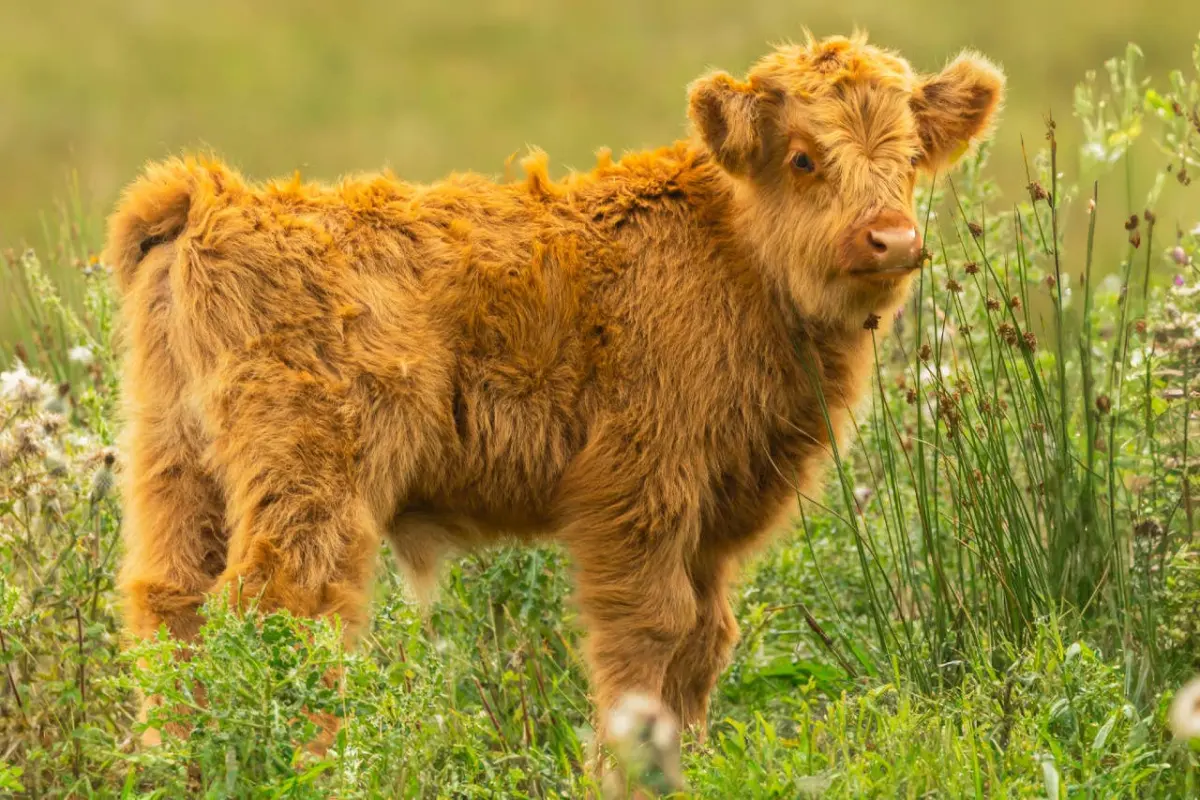
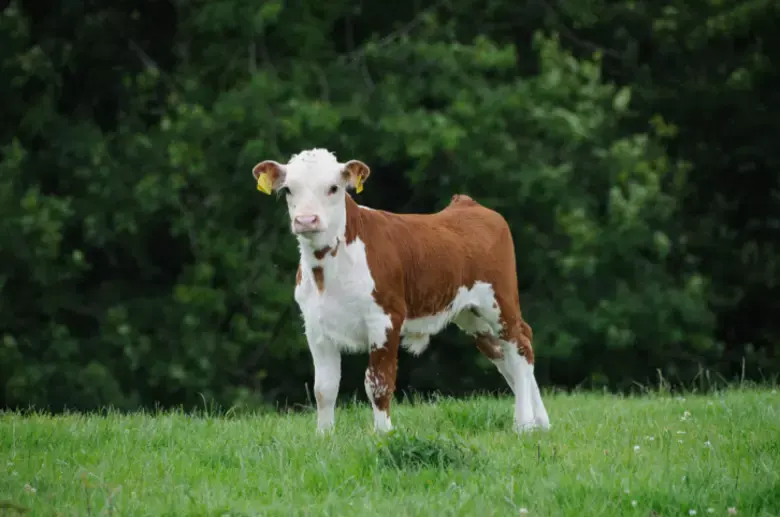
A baby cow is called a calf. This term applies to both males and females from birth until they reach the age of one year. Once a female calf matures and has her first offspring, she is referred to as a heifer, while a male is typically called a bull calf.
On this page
What is the difference between a calf and a heifer?
While the term calf is a universal designation for any bovine offspring under one year old, the terminology becomes more specific as the animal matures. A heifer is a female bovine that has not yet given birth to a calf. Once she successfully delivers her first offspring, she is officially classified as a cow. This distinction is vital for farmers and ranchers who manage herd demographics, as it helps them track reproductive status and nutritional needs.
Male calves follow a different naming convention as they age. A young male intended for breeding purposes is often referred to as a bull calf. If a male is castrated, he is known as a steer. Steers are typically raised for beef production because castration makes them more docile and easier to handle in a pasture environment. Understanding these specific labels ensures that livestock producers can communicate effectively about the age, sex, and intended purpose of each animal in their care.
How long does it take for a calf to grow?
The growth cycle of a calf is rapid, reflecting the animal's need to reach maturity quickly for survival and production. A newborn calf typically weighs between 60 and 100 pounds, depending on the breed. During the first few months, the calf relies heavily on its mother’s milk or a milk replacer to gain weight. By the time a calf reaches six months of age, it is usually weaned off milk and begins to transition fully to a diet of grass, hay, and grain.
Developmental milestones are critical during the first year of life. Farmers monitor these stages to ensure the animal is healthy and meeting growth targets:
- Birth to 2 months: The calf is highly dependent on milk and is susceptible to respiratory and digestive illnesses.
- 3 to 6 months: The rumen, or the primary stomach compartment, develops significantly, allowing the calf to digest forage.
- 6 to 12 months: This is the yearling stage, where the animal experiences a major growth spurt and prepares for its adult role.
Why do calves need colostrum?
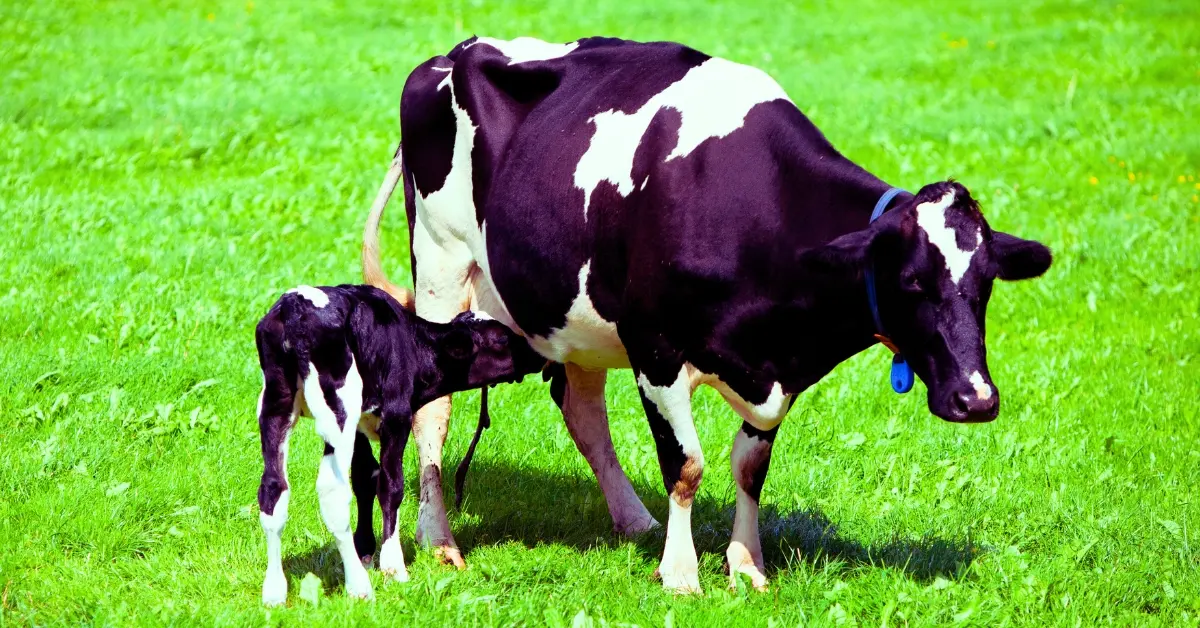
Colostrum is the first milk produced by a mother cow immediately after giving birth. It is thick, yellowish, and packed with essential antibodies that the calf cannot produce on its own. Because a calf is born with a very limited immune system, receiving colostrum within the first few hours of life is a matter of survival. Without this "passive immunity," the calf is at a high risk of contracting infections from the environment.
The timing of colostrum intake is crucial for the calf's long-term health. If a calf does not ingest enough colostrum quickly, the ability of its gut to absorb these life-saving antibodies decreases rapidly. Farmers often use a refractometer or a colostrometer to test the quality of the colostrum before feeding it to the calf. If the mother cannot provide enough, farmers must have a supply of high-quality, frozen colostrum on hand to ensure every newborn gets the boost it needs to thrive.
Common mistakes when raising a calf
One of the most frequent errors in calf management is providing an inconsistent feeding schedule. Calves are creatures of habit and thrive when they are fed at the same time every day. Inconsistent feeding times or fluctuating milk temperatures can lead to digestive upset, which can quickly turn into a serious health crisis. Another common oversight is neglecting the cleanliness of feeding equipment, such as bottles, nipples, or buckets, which can harbor harmful bacteria that cause scours, or diarrhea.
To avoid these issues, follow these best practices for daily care:
- Maintain a strict schedule for milk feedings to prevent stress.
- Ensure the calf has access to clean, fresh water at all times, even while still on milk.
- Keep the bedding dry and well-ventilated to prevent the buildup of ammonia and moisture.
- Monitor the calf’s behavior daily, looking for signs of lethargy, sunken eyes, or a lack of appetite.
How to care for a newborn calf
Caring for a newborn calf requires patience, observation, and a clean environment. Immediately after birth, the calf’s navel should be dipped in an iodine solution to prevent bacteria from entering the bloodstream. The calf should be moved to a clean, dry pen that is separated from adult animals to minimize exposure to pathogens. Providing a draft-free environment is essential, especially in cold weather, as young calves have very little body fat to keep them warm.
Beyond physical care, social interaction is also important for a calf's development. While they are often separated for health reasons, they still require human interaction or visual contact with other calves to reduce stress. A well-cared-for calf will be curious, alert, and eager to eat. By focusing on hygiene, proper nutrition, and timely medical intervention, producers can ensure that their calves grow into healthy, productive adults. Proper management during these early months sets the foundation for the entire lifespan of the animal.
Key facts
- A baby cow is officially called a calf from birth until it is weaned from its mother.
- Female calves that have not yet produced a calf of their own are known as heifers.
- Male calves intended for meat production are often referred to as bull calves or steers if they are castrated.
- Newborn calves typically weigh between 60 and 100 pounds depending on the breed.
- A calf should receive colostrum, the mother's first milk, within the first few hours of life to build a strong immune system.
- Farmers often use ear tags or tattoos to track the age and lineage of individual calves in a herd.
The bottom line
While the term calf is the standard name for a newborn bovine, the terminology changes as the animal matures based on its sex and reproductive status. Understanding these distinctions is essential for anyone involved in livestock management or agriculture. By providing proper nutrition, clean housing, and early colostrum, producers ensure that calves grow into healthy, productive adults capable of contributing to the herd’s long-term success.
People also ask
How long does a calf stay with its mother?
In natural settings, calves may stay with their mothers for several months. In commercial dairy operations, calves are often separated shortly after birth to manage health and nutrition, while in beef operations, they typically remain with the cow for six to ten months.
What do calves eat after they are weaned?
Once weaned, calves transition to a diet of grass, hay, and specialized grain mixes. They require constant access to clean water and high-quality forage to support their rapid growth and rumen development.
At what age is a calf considered an adult
A bovine is generally considered an adult when it reaches sexual maturity, which usually occurs between 12 and 18 months of age. However, a female is not typically referred to as a cow until she has given birth to her first calf.
How can you tell if a calf is healthy?
A healthy calf should be alert, have bright eyes, and possess a shiny coat. It should stand and nurse shortly after birth, and its manure should be firm rather than watery or discolored.
Do calves need special housing?
Calves require clean, dry, and well-ventilated housing to prevent respiratory issues. Individual hutches or group pens are common, provided there is protection from extreme weather, drafts, and damp bedding.
What is the difference between a heifer and a cow?
A heifer is a young female that has not yet had a calf. Once a female bovine gives birth to her first calf, she is officially classified as a cow.
This answer was created with the help of AI research tools and reference sources. Spotted an error? Let us know — we correct mistakes quickly. See our editorial policy.