How is rope made?
Short answer
Rope is manufactured by twisting or braiding natural or synthetic fibers into long, flexible strands. The process begins by spinning raw fibers into yarn, which are then twisted into strands. Finally, these strands are laid together in a counter-rotating motion to create a balanced, durable cordage capable of bearing significant tension.
On this page
How is rope manufactured industrially?
Industrial rope production relies on sophisticated machinery to ensure uniform strength and tension. The process begins with fiber preparation, where raw materials like nylon, polyester, or polypropylene are extruded or spun into continuous filaments. These filaments are gathered into yarns, which serve as the fundamental building blocks for all rope construction.
Once the yarn is prepared, the twisting process commences. Several yarns are twisted together to form a strand, with the direction of the twist—either S-twist or Z-twist—determined by the intended use. Finally, multiple strands are fed into a "laying machine." This device rotates the strands around a central core in the opposite direction of the initial twist, which prevents the rope from unspooling under load.
- Filament extrusion: Creating the base material.
- Yarn spinning: Grouping fibers for structural integrity.
- Stranding: Twisting yarns into individual strands.
- Closing: Combining strands into the final rope structure.
What is the difference between twisted and braided rope?
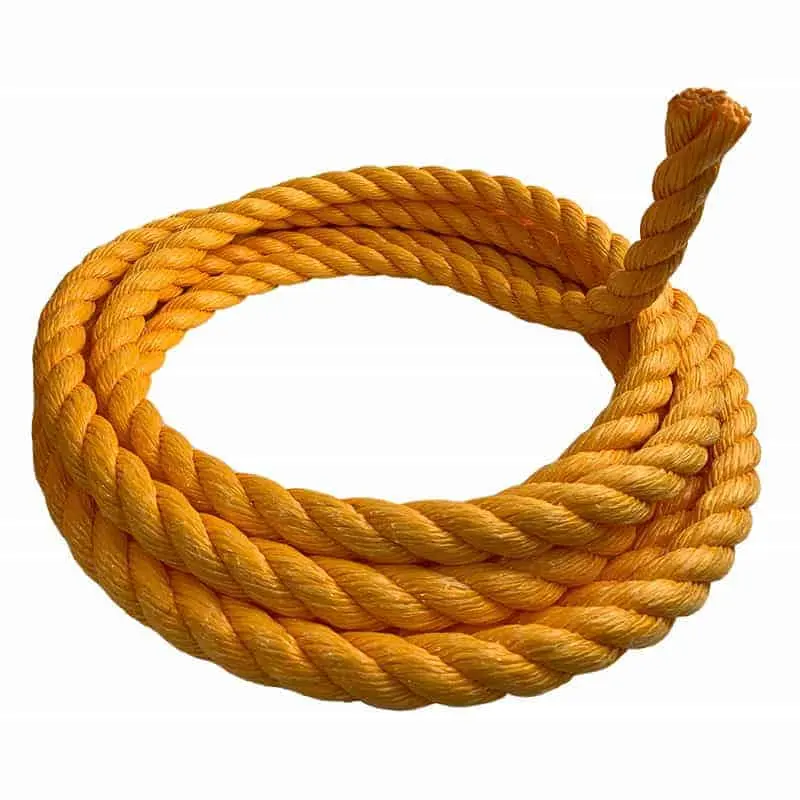
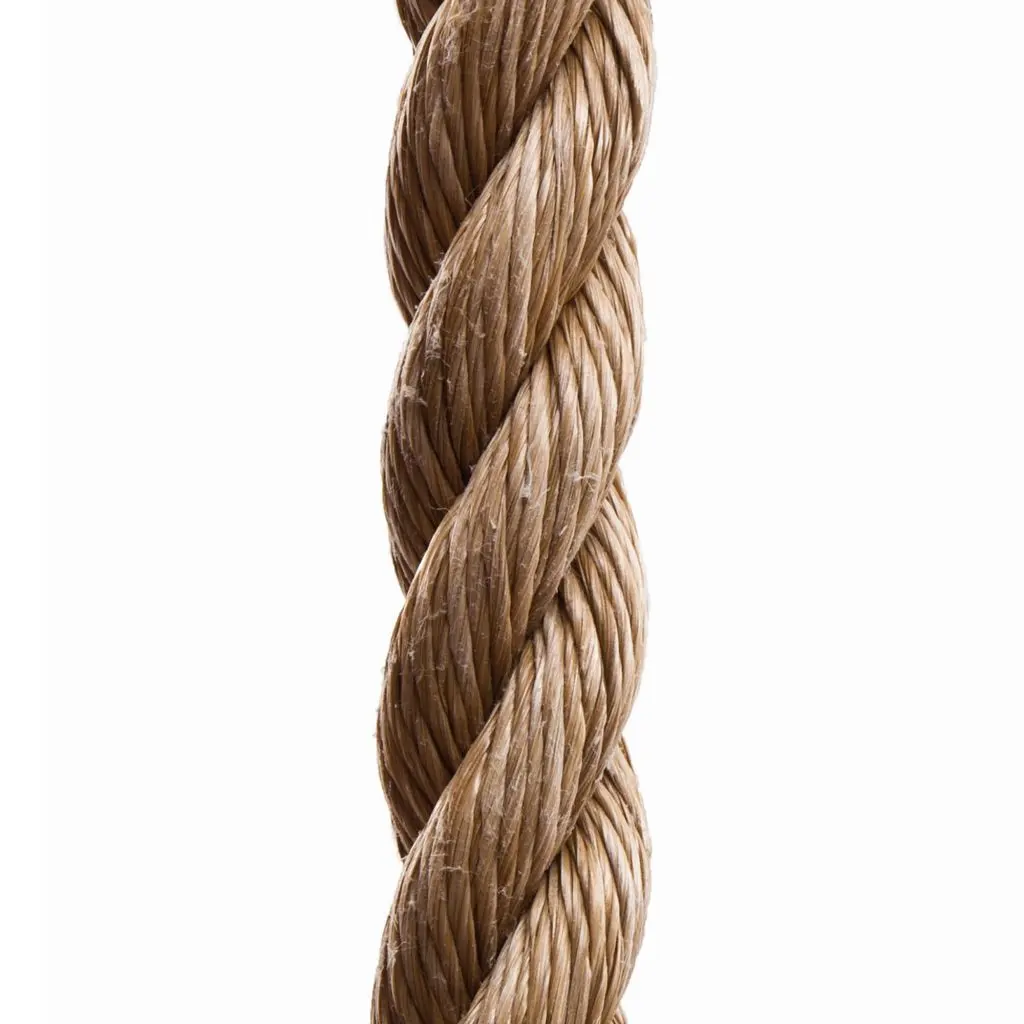
The structural design of a rope dictates its performance characteristics, such as stretch, flexibility, and abrasion resistance. Twisted rope, often called laid rope, is the traditional style consisting of three or more strands spiraled together. It is relatively easy to splice and provides a predictable amount of stretch, making it a staple for general utility and marine applications.
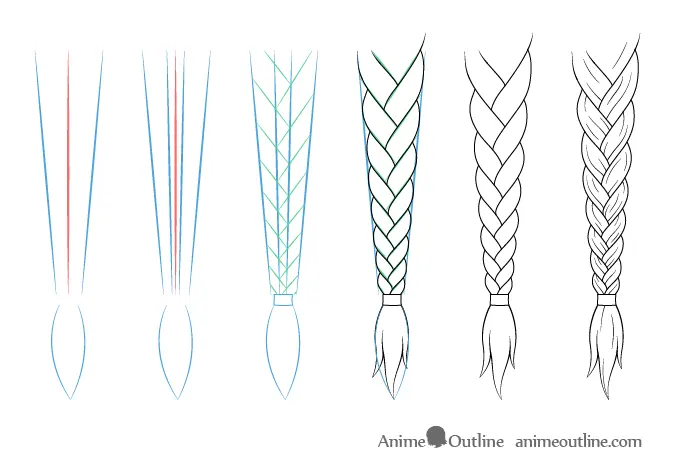
Braided rope, by contrast, is manufactured by interlacing strands in a diagonal pattern. This construction creates a rounder, more flexible cord that does not rotate under a load, which is critical for climbing or hoisting. While braided ropes are generally stronger and more resistant to kinking, they are significantly more difficult to repair or splice than their twisted counterparts.
- Select fiber type based on environmental exposure.
- Choose twisted construction for ease of knotting and splicing.
- Choose braided construction for high-strength, non-rotating requirements.
- Verify the diameter matches the intended hardware or pulley system.
How do fibers determine rope strength?
The choice of material is the primary factor in determining a rope’s breaking strength and environmental durability. Natural fibers, such as manila or sisal, were historically common but are prone to rot and UV degradation. Synthetic polymers have largely replaced them because they offer superior tensile strength, resistance to moisture, and longevity in harsh outdoor conditions.
Nylon is frequently used for applications requiring high elasticity and shock absorption, such as mooring lines. Polyester is preferred when low stretch and high abrasion resistance are necessary, while high-modulus polyethylene (HMPE) provides steel-like strength with a fraction of the weight. Understanding these material properties is essential for selecting the correct rope for specific industrial or recreational tasks.
How to maintain rope for longevity?
Proper maintenance significantly extends the lifespan of any rope, regardless of its construction or material. The most important practice is to keep the rope clean and free of grit, as sand and dirt particles act like tiny saws that cut internal fibers when the rope is flexed. Always wash synthetic ropes with fresh water after exposure to salt or chemicals.
Storage also plays a critical role in preserving rope integrity. Ropes should be coiled neatly and stored in a cool, dry, and dark environment to prevent degradation from ultraviolet radiation and moisture. Avoid storing ropes on concrete floors, which can leach chemicals or harbor dampness. Regularly inspect the rope for signs of wear, such as fraying, discoloration, or soft spots that indicate internal core damage.
Common mistakes when using rope?
One of the most frequent errors is overloading a rope beyond its safe working load (SWL). The SWL is typically a fraction of the rope’s minimum breaking strength, providing a necessary safety margin for dynamic forces. Users often ignore the fact that knots significantly reduce a rope's total strength, sometimes by as much as 50 percent, depending on the type of knot used.
Another common mistake is allowing a rope to run over sharp edges without protection. Friction against rough surfaces or metal edges will rapidly compromise the outer sheath of a braided rope or the strands of a laid rope. Always use edge protectors or pulleys to redirect the rope and distribute the load evenly. Finally, never leave a rope under constant tension for extended periods, as this can lead to permanent fiber deformation and reduced fatigue life.
Key facts
- Rope is made by twisting or braiding fibers together to increase tensile strength and flexibility.
- Natural fibers like manila hemp and sisal are traditional, while synthetic materials like nylon, polyester, and polypropylene are now industry standards.
- The "lay" of a rope refers to the direction of the twist; most ropes are right-hand laid, meaning the strands spiral clockwise.
- Kernmantle construction features a core of long, continuous fibers protected by a braided sheath, commonly used in climbing.
- A rope’s strength is measured by its minimum breaking strength, which decreases significantly when knots are introduced.
- To prevent fraying, always heat-seal the ends of synthetic ropes using a lighter or hot knife.
The bottom line
Modern rope manufacturing combines ancient twisting techniques with advanced synthetic polymers to ensure maximum durability and safety. Whether you choose a traditional twisted design or a sophisticated kernmantle braid, understanding your rope's material properties is essential for proper maintenance. Always inspect lines for internal damage, avoid sharp bends, and store them in cool, dry areas to extend their functional life for all your practical projects.
People also ask
What is the difference between rope and cordage?
Rope typically refers to lines with a diameter greater than 10 millimeters, while cordage is a general term for smaller lines, strings, and twines. Both are manufactured using similar twisting or braiding techniques.
Why do ropes lose strength when knotted?
Knots force the fibers to bend at sharp angles, creating stress points that distribute the load unevenly. A simple overhand knot can reduce a rope's total breaking strength by up to 50 percent.
How do I choose between braided and twisted rope?
Twisted rope is easier to splice and stretch, making it ideal for general utility work. Braided rope is more flexible, does not twist under load, and is preferred for pulleys and climbing.
Can I wash my synthetic rope?
Yes, you can wash synthetic ropes in cold water with mild, non-detergent soap to remove grit that causes internal abrasion. Always air-dry the rope away from direct sunlight, as UV radiation degrades synthetic fibers.
How often should I replace my rope?
If a rope shows signs of core damage, stiff sections, or significant fraying, it must be retired immediately. Even without visible wear, climbing ropes are generally replaced every five years of regular use.
What causes rope to rot?
Natural fibers like cotton or sisal rot when exposed to moisture and bacteria over long periods. Synthetic ropes are immune to rot but can be weakened by chemical exposure or prolonged ultraviolet light.
This answer was created with the help of AI research tools and reference sources. Spotted an error? Let us know — we correct mistakes quickly. See our editorial policy.