What is recycling?
Short answer
Recycling is the process of collecting, processing, and transforming waste materials into new, usable products. It diverts discarded items from landfills, conserves finite natural resources, and reduces the energy required for manufacturing. By turning old glass, plastic, paper, and metal back into raw materials, society minimizes environmental pollution and industrial waste.
On this page
How does the recycling process work?
The journey of a recyclable item begins at the point of collection, where materials are gathered through curbside programs or drop-off centers. Once collected, these items are transported to a Materials Recovery Facility (MRF). At the MRF, advanced technology and manual labor sort the materials by type—such as separating aluminum cans from plastic bottles or cardboard from mixed paper. This sorting is critical because contamination from non-recyclable items can ruin an entire batch of processed material.
After sorting, the materials are cleaned and processed into raw forms. For example, plastic bottles are shredded into flakes, and metal items are melted into ingots. These raw materials are then sold to manufacturers who use them to create brand-new products. This circular system effectively reduces the need to extract virgin resources like timber, petroleum, and metal ores. The cycle concludes when consumers purchase products made from recycled content, completing the loop and sustaining the market for these materials.
What are the benefits of recycling?
Recycling offers significant environmental and economic advantages that impact global sustainability. By utilizing existing materials, manufacturers consume far less energy than they would if they were processing raw, virgin resources. For instance, creating an aluminum can from recycled materials uses approximately 95% less energy than producing one from bauxite ore. This energy efficiency leads to a direct reduction in greenhouse gas emissions from industrial facilities and power plants.
Beyond energy savings, recycling plays a vital role in protecting ecosystems and reducing landfill dependency. Extracting raw materials often involves destructive practices like deforestation, strip mining, and oil drilling, all of which threaten biodiversity. By choosing to recycle, society preserves these natural habitats and extends the lifespan of existing landfills, which are rapidly reaching capacity. The economic impact is also substantial, as the recycling industry creates millions of jobs in collection, processing, and manufacturing sectors worldwide.
How to recycle properly at home
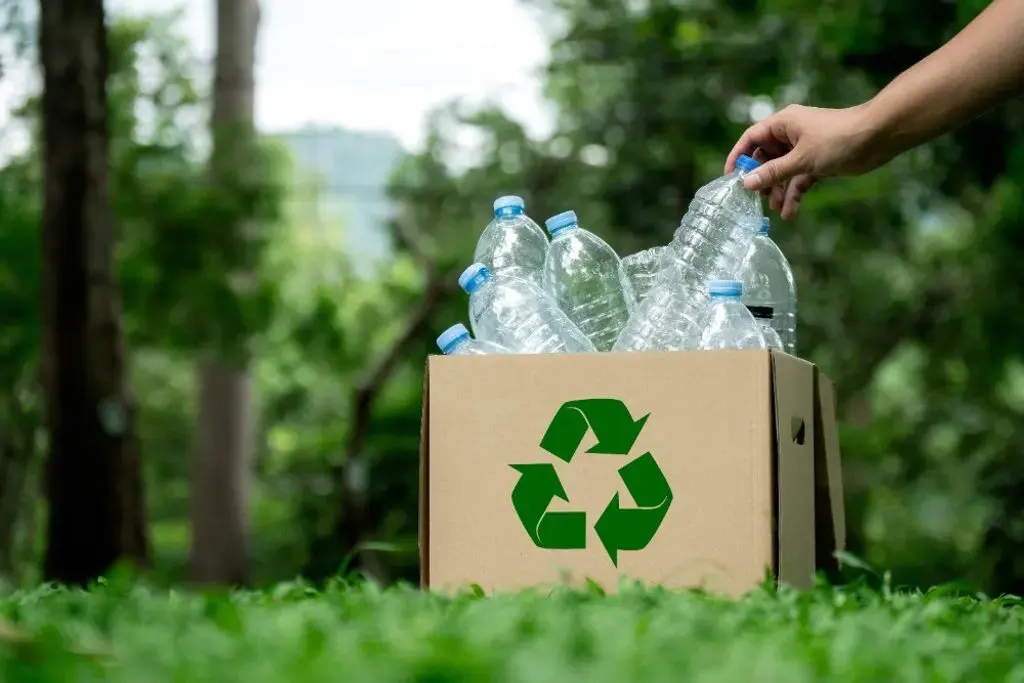
Effective recycling requires a basic understanding of what your local waste management facility can process. Because recycling infrastructure varies significantly by municipality, it is essential to check your local government’s website for a list of accepted items. Following these steps will help ensure your efforts are productive:
- Rinse all food containers thoroughly to remove residue, as organic matter can contaminate paper and plastic streams.
- Flatten cardboard boxes to save space in the bin and ensure they are processed correctly by sorting machinery.
- Keep caps on plastic bottles, as they are often made of different resins and can be separated during the high-density float-sink process.
- Remove plastic films or bags from your bin, as these often tangle in sorting equipment and cause facility shutdowns.
Common mistakes when recycling
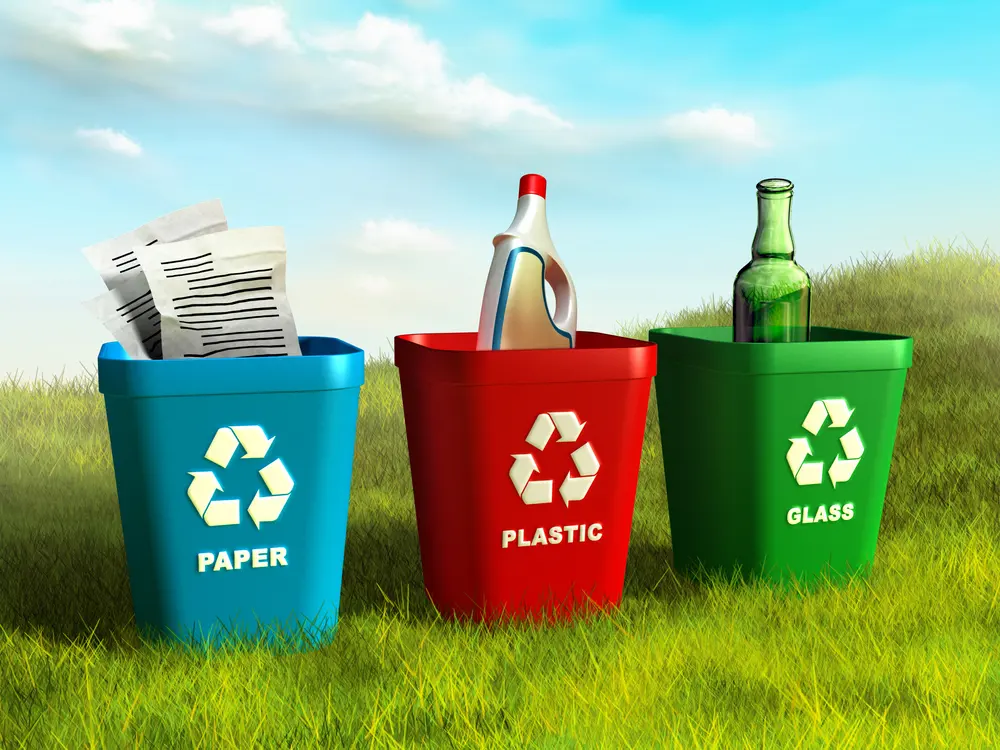
One of the most frequent errors is "wish-cycling," which occurs when people place items in the bin hoping they are recyclable even when they are not. This behavior often leads to contamination, which can cause entire loads of otherwise good recyclables to be sent to a landfill. Understanding what to avoid is just as important as knowing what to include.
- Do not include greasy pizza boxes, as the oil ruins the paper fibers and cannot be removed during the pulping process.
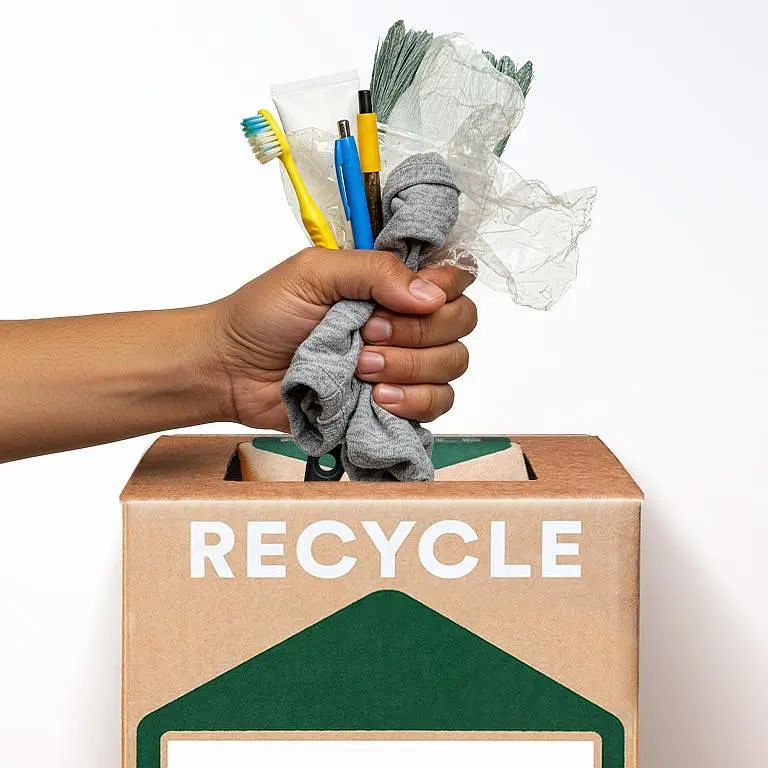
- Avoid placing small items like plastic straws or utensils in the bin; they are too light and small to be sorted by machines.
- Never include hazardous waste like batteries, paint, or electronics in standard bins, as these pose fire risks and require specialized disposal.
- Do not bag your recyclables, as workers at the facility cannot safely open bags, and they are often discarded as trash immediately.
Why recycling is important for the future
The global population is growing, and with it, the volume of waste generated daily continues to climb. Without robust recycling programs, the world would face an insurmountable crisis of overflowing landfills and depleted natural resources. Recycling serves as a bridge toward a circular economy, where the concept of "waste" is replaced by the concept of "resource." As technology improves, the ability to recycle complex materials like multi-layered plastics and electronic components will become increasingly sophisticated.
However, recycling is only one part of a broader strategy that must include reducing consumption and reusing items whenever possible. While recycling is a powerful tool, the most effective way to protect the planet is to minimize the amount of waste created in the first place. By making conscious choices as consumers—such as opting for products with minimal packaging—we can support a sustainable future. Through consistent effort and improved infrastructure, recycling will remain a cornerstone of environmental stewardship for generations to come.
Key facts
- Recycling is the process of converting waste materials into new products to prevent the waste of potentially useful materials.
- Aluminum cans are infinitely recyclable, meaning they can be melted down and reformed into new cans without losing quality.
- Glass can be recycled repeatedly, but it must be sorted by color because different types of glass have different melting points.
- Paper fibers shorten each time they are recycled, typically allowing the same material to be processed five to seven times.
- Plastic items are marked with resin identification codes (numbers 1 through 7) to help facilities sort them by chemical composition.
- Contamination is the leading cause of recycling failure; a single greasy pizza box can ruin an entire batch of otherwise clean paper.
The bottom line
Recycling serves as a vital component of sustainable waste management by conserving natural resources and reducing the energy required for manufacturing. While it is a practical tool for individuals, success depends on following local guidelines and preventing contamination. By prioritizing the reduction of waste, reusing existing items, and recycling correctly, you contribute to a more efficient circular economy that protects the environment for future generations.
People also ask
Why can't I put plastic bags in my curbside recycling bin?
Plastic bags and thin films get tangled in the sorting machinery at recycling facilities, often causing equipment to break down. These items should instead be taken to specialized drop-off locations, such as grocery stores, that have dedicated collection bins.
Does rinsing my containers really make a difference?
Yes, food residue acts as a contaminant that can degrade the quality of recycled materials or cause them to be rejected by processors. A quick rinse with water is usually sufficient to remove enough debris to make the container acceptable for recycling.
What does the chasing-arrows symbol on plastic actually mean?
That symbol identifies the type of plastic resin used to make the item, but it does not guarantee that the item is recyclable in your area. You must check your local municipal guidelines to see which specific numbers are accepted by your local program.
Are all types of paper recyclable?
Most office paper, newspapers, and cardboard are recyclable, but paper coated with plastic or wax, such as some coffee cups, often is not. Additionally, shredded paper is frequently rejected because the small pieces are difficult to sort and can contaminate other streams.
What happens to items that cannot be recycled?
Materials that cannot be processed are typically sent to landfills or waste-to-energy incineration facilities. This is why it is crucial to focus on reducing consumption and reusing items before relying on recycling as a final solution.
Is it better to recycle or to reuse an item?
Reusing an item is almost always more environmentally friendly because it avoids the energy-intensive processes required to collect, transport, and manufacture new products from recycled materials. Recycling should be viewed as a secondary option for materials that have reached the end of their functional life.
This answer was created with the help of AI research tools and reference sources. Spotted an error? Let us know — we correct mistakes quickly. See our editorial policy.