What are the benefits of journaling?
Short answer
Journaling provides a structured outlet for processing emotions, reducing stress, and improving cognitive function. By documenting daily experiences, individuals gain clarity, track personal growth, and enhance memory retention. Research suggests that consistent expressive writing can even bolster immune system function and lower blood pressure, making it a highly effective tool for well-being.
On this page
What are the mental health benefits of journaling?
Journaling serves as a powerful therapeutic tool for managing anxiety and depression. By externalizing internal thoughts, writers can distance themselves from ruminative cycles and gain a more objective perspective on their challenges. This practice, often referred to as expressive writing, was pioneered by psychologist James Pennebaker in the 1980s. His research demonstrated that individuals who write about traumatic or stressful events show measurable improvements in both psychological and physical health.
The process of articulating feelings helps regulate the amygdala, the brain's emotional processing center. When you name your emotions, you reduce their intensity, a phenomenon psychologists call "affect labeling." This clarity allows for better decision-making and emotional regulation throughout the day. Consistent practice can lead to:
- Reduced symptoms of generalized anxiety.
- Improved ability to manage stress triggers.
- Increased self-awareness and emotional intelligence.
- Better sleep quality due to reduced evening rumination.
How long does it take to see results?
Many people expect immediate psychological breakthroughs, but journaling is a cumulative habit that yields results over time. While you may feel a temporary sense of relief after a single session, the long-term cognitive benefits typically emerge after several weeks of consistent practice. Most experts suggest that even 10 to 15 minutes of writing per day is sufficient to observe positive changes in mood and focus.
Consistency is far more important than the duration of each session. If you are just starting, aim for a frequency that feels sustainable rather than overwhelming. You might notice subtle shifts in your outlook within two weeks, such as improved memory recall or a clearer understanding of your personal goals. To build the habit effectively, consider these steps:
- Set a specific time, such as immediately upon waking or before bed.
- Keep your journal in a visible, easily accessible location.
- Start with a small, non-negotiable goal, such as writing three sentences daily.
- Use a timer to prevent the task from feeling like a chore.
Best journaling techniques for beginners
For those new to the practice, the blank page can be intimidating. Beginners often benefit from structured methods that provide a clear framework for their thoughts. One popular approach is the "Gratitude Journal," where you list three specific things you are thankful for each day. This shifts the brain’s focus toward positive stimuli, a concept rooted in positive psychology that helps combat the natural human tendency toward negativity bias.
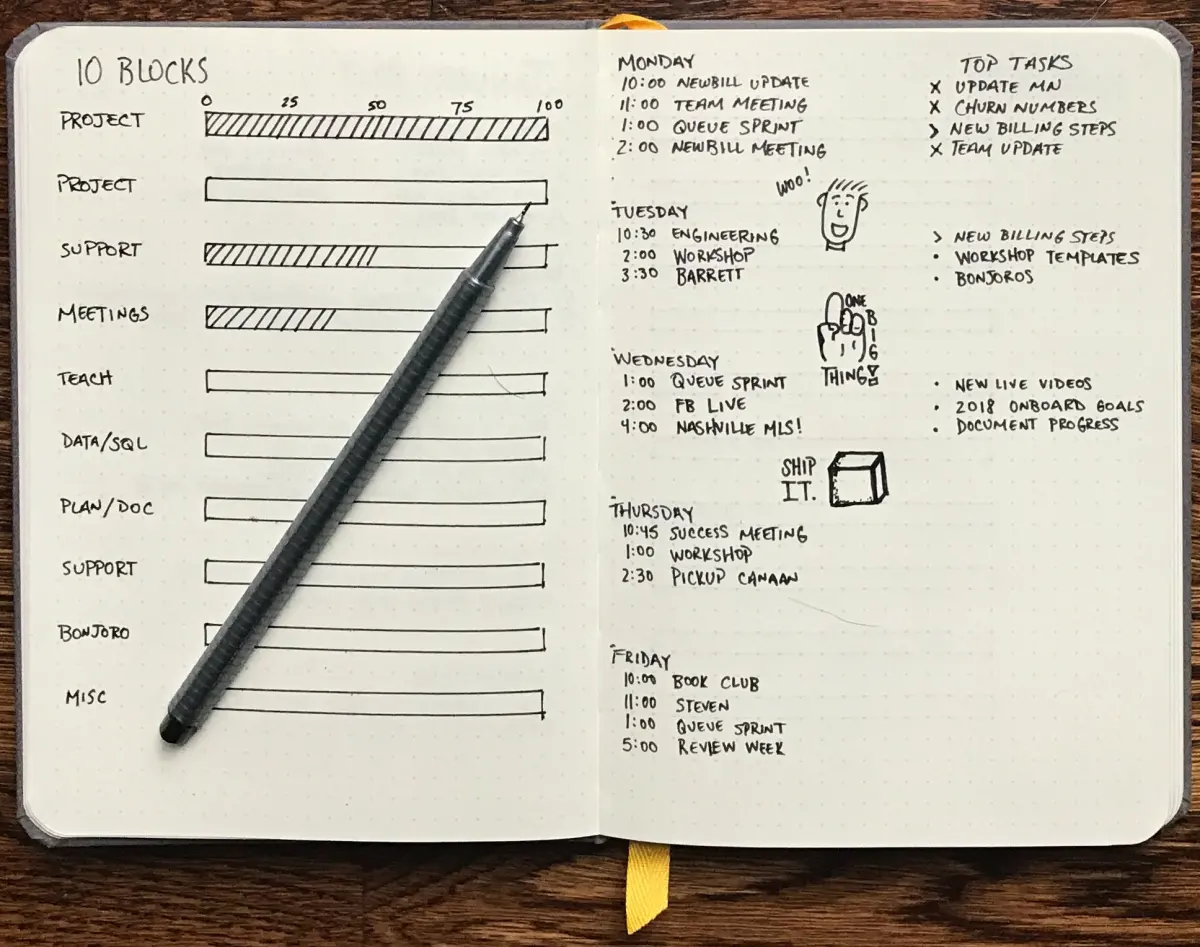
Another effective technique is "Bullet Journaling," which combines task management with reflection. This method uses rapid logging to track daily to-do lists alongside brief notes on your mood or significant events. If you prefer a more narrative style, try "Stream of Consciousness" writing. This involves writing whatever comes to mind without editing for grammar or structure. This method is particularly useful for clearing mental clutter and solving complex problems. Regardless of the method, the goal is to create a safe space for honest self-expression.
Common mistakes when starting a journal
The most frequent mistake beginners make is striving for perfection. Many people worry about their handwriting, grammar, or the "literary quality" of their entries, which creates unnecessary pressure. A journal is a private document, not a manuscript for publication. When you focus on performance, you lose the therapeutic benefit of raw, unfiltered honesty. If you find yourself editing your thoughts while writing, remind yourself that this is a tool for personal clarity, not external judgment.
Another common pitfall is inconsistency caused by setting unrealistic expectations. Attempting to write long, detailed essays every day often leads to burnout. When you inevitably miss a day, do not view it as a failure. Simply resume the practice the next time you have a moment. Other errors to avoid include:
- Using the journal only to vent, which can reinforce negative thought patterns.
- Ignoring the physical comfort of your writing space.
- Choosing a format that feels like a burden rather than a relief.
- Forgetting to review past entries to identify recurring patterns or growth.
Why journaling improves memory and focus
Writing by hand engages the brain in a way that typing does not. Research indicates that the physical act of forming letters helps encode information more deeply, improving retention and cognitive processing. When you journal, you are essentially offloading cognitive work from your working memory to the paper. This allows your brain to focus on synthesizing information and identifying patterns in your behavior, rather than simply trying to hold onto fleeting thoughts.
This practice also strengthens your ability to focus on long-term goals. By reviewing your entries, you can track your progress toward objectives and identify obstacles that consistently hinder you. This creates a feedback loop that fosters accountability and motivation. Whether you are tracking career milestones or personal habits, the act of writing forces you to slow down and process events with greater intention. Ultimately, journaling transforms your life from a series of reactive events into a curated narrative that you actively shape and understand.
Key facts
- Expressive writing can reduce symptoms of anxiety and depression by helping individuals process traumatic or stressful events.
- Research suggests that writing about personal goals increases the likelihood of achieving them by up to 42 percent.
- Journaling for 15 to 20 minutes a day has been shown to improve immune system function and lower blood pressure.
- Using a physical pen and paper often improves memory retention and cognitive processing compared to typing on a digital device.
- Gratitude journaling involves listing three specific things you are thankful for, which can shift focus toward positive emotions.
- Consistency is more effective than duration; writing for five minutes daily is better than writing for an hour once a week.
The bottom line
Journaling is a versatile, low-cost tool for enhancing mental clarity, emotional regulation, and goal achievement. By dedicating just a few minutes each day to writing, you can process complex emotions and track personal growth. Whether you prefer bulleted lists or long-form narrative, the practice serves as a private space to organize your thoughts, reduce stress, and cultivate a more intentional and mindful approach to daily life.
People also ask
What is the best time of day to journal?
There is no scientifically optimal time, but morning journaling can help set intentions for the day, while evening entries are excellent for reflection. Choose a time that fits your schedule to ensure you remain consistent.
Should I worry about grammar or spelling?
No, journaling is for your personal use and does not require formal structure. Focusing on perfectionism often inhibits the flow of thoughts and prevents honest self-expression.
What should I do if I have writer's block?
Use prompts like "What is one thing that went well today?" or "How am I feeling right now?" to get started. You can also simply describe your immediate surroundings to break the silence.
Is it better to write by hand or type on a computer?
Handwriting is generally recommended because it slows down your thinking process and engages more sensory pathways. However, typing is a valid alternative if you prioritize speed or digital organization.
How long should each entry be?
An entry can be as short as a single sentence or as long as several pages. The quality of your reflection is far more important than the total word count.
Can journaling replace professional therapy?
While journaling is a powerful tool for self-reflection and stress management, it is not a substitute for clinical treatment. If you are struggling with severe mental health issues, consult a licensed professional.
This answer was created with the help of AI research tools and reference sources. Spotted an error? Let us know — we correct mistakes quickly. See our editorial policy.