How big do chipmunks get?
Short answer
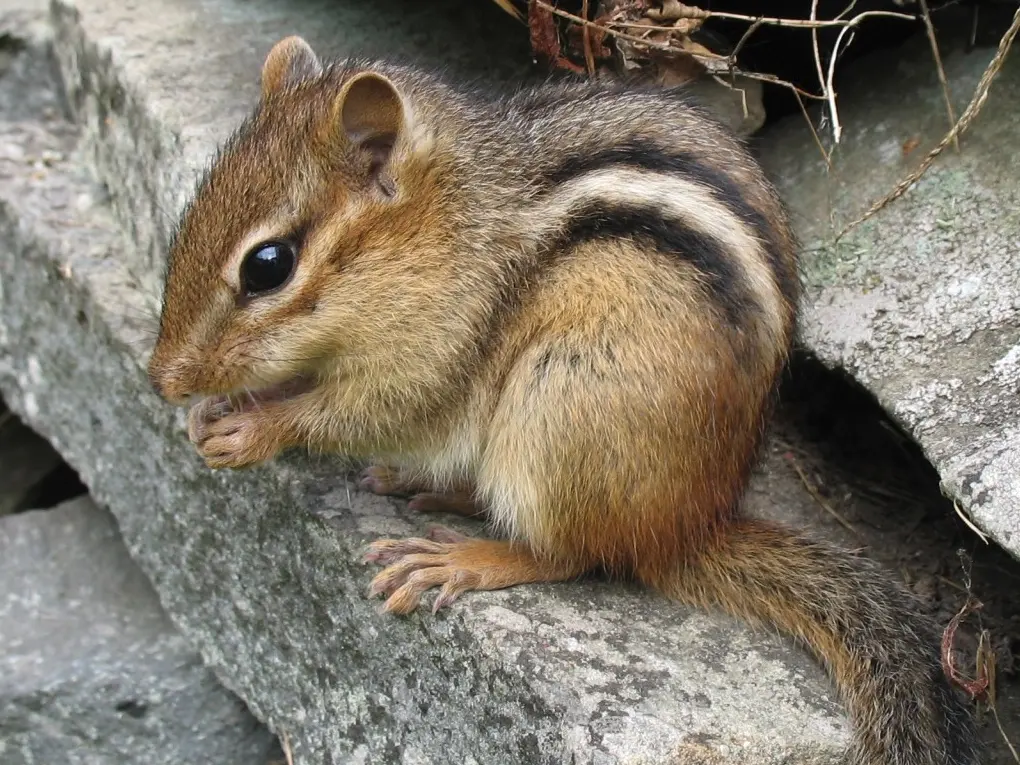
Chipmunks are small rodents, with most species measuring between 7 and 11 inches in total length, including their tails. They typically weigh between 1 and 5 ounces. The eastern chipmunk is generally the largest, while western species are often smaller, reflecting the diverse environmental adaptations across their broad North American range.
On this page
How big are different chipmunk species?
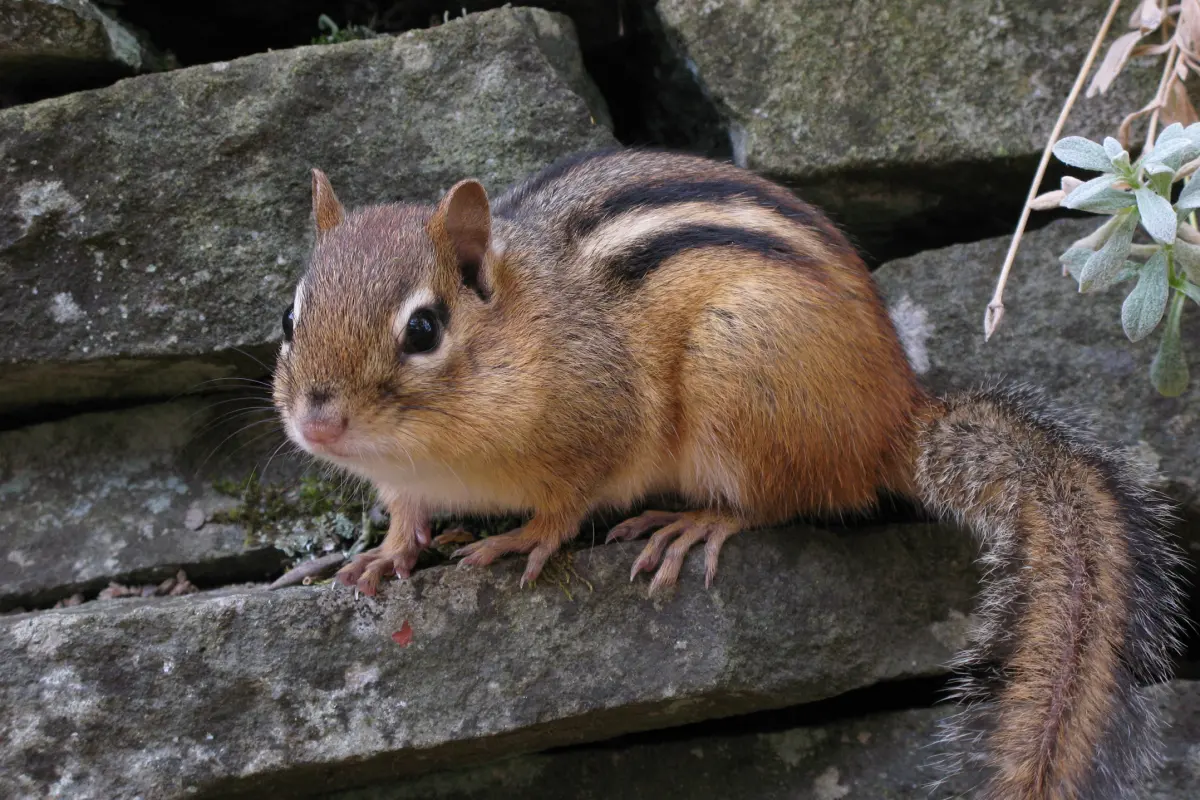
Chipmunks belong to the squirrel family, but they are significantly smaller than their tree-dwelling cousins. Size variation depends heavily on the specific species and its geographic habitat. The eastern chipmunk (Tamias striatus) is the most recognizable and robust, often reaching up to 11 inches in length. In contrast, many western species, such as the least chipmunk, are much smaller, often measuring closer to 7 or 8 inches.
Weight also fluctuates based on the season and the availability of food. During the late summer and autumn, chipmunks pack on body fat to survive the winter months, which can increase their weight by nearly 20 percent. While an average adult typically weighs around 3 ounces, a well-fed chipmunk preparing for hibernation may reach closer to 5 ounces before the first frost.
- Eastern chipmunk: 9–11 inches long; 2.5–5 ounces.
- Least chipmunk: 7–8 inches long; 1–2 ounces.
- Cliff chipmunk: 8–9 inches long; 2–3 ounces.
- Alpine chipmunk: 7–9 inches long; 1.5–2.5 ounces.
How do you measure a chipmunk accurately?
If you are observing chipmunks for research or personal interest, measuring them requires a non-invasive approach. Because these animals are skittish and fast, trying to handle them for physical measurement is dangerous for both the human and the rodent. Instead, experts rely on visual estimation or remote monitoring techniques to gauge the size of the population in a specific area.
To estimate size in the field, look for consistent reference points. Compare the chipmunk to a familiar object nearby, such as a specific rock, a fence post, or a garden ornament. By photographing the animal next to an object of known size, you can calculate the chipmunk's dimensions later. Avoid using bait to lure them into a trap for measurement, as this disrupts their natural foraging behaviors and can cause unnecessary stress.
- Select a stationary object in the chipmunk’s territory to use as a scale.
- Observe the animal from a distance using binoculars to avoid startling it.
- Capture a clear photograph when the chipmunk is aligned with your reference object.
- Use image analysis software to compare the pixels of the animal against the object.
Why does chipmunk size vary by region?
The size of a chipmunk is often an evolutionary response to the climate of its habitat. According to Bergmann’s Rule, animals living in colder, northern environments tend to be larger than their counterparts in warmer, southern climates. A larger body mass provides a better surface-area-to-volume ratio, which helps the animal retain heat more effectively during harsh, freezing winters.
Food availability also plays a significant role in determining how large a chipmunk grows. In regions with dense forests and abundant mast crops—such as acorns, seeds, and berries—chipmunks can maintain higher body weights. Conversely, in arid or high-altitude environments where resources are scarce, natural selection favors smaller individuals that require less total caloric intake to survive. These environmental pressures ensure that each species is perfectly tuned to the specific demands of its ecosystem.
Common mistakes when estimating chipmunk size
One of the most frequent errors people make is confusing a chipmunk with a juvenile squirrel. While they look similar at a glance, squirrels are significantly larger and lack the distinct facial stripes that define the chipmunk. If you see a rodent that appears to be over 12 inches long, it is almost certainly a young tree squirrel rather than a mature chipmunk.
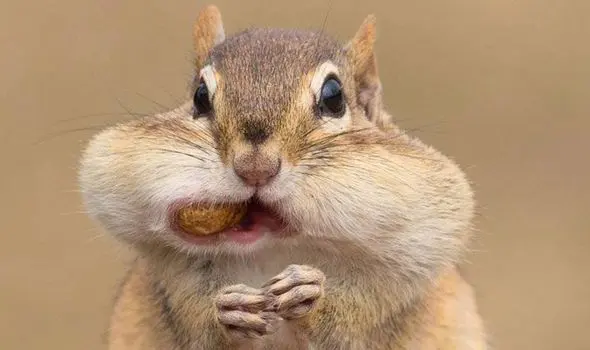
Another common mistake is overestimating size due to the chipmunk's puffed-out cheeks. When a chipmunk is foraging, it fills its internal cheek pouches with seeds and nuts, which can make its head appear twice as wide as usual. This creates a visual illusion of a much larger body. Always wait for the chipmunk to empty its pouches before making an assessment of its true physical size or health.
- Mistaking a juvenile squirrel for a large chipmunk.
- Failing to account for the added width of full cheek pouches.
- Assuming all chipmunks in a garden are the same age and size.
- Relying on memory rather than photographic evidence for comparisons.
How to support healthy chipmunk growth
If you enjoy having chipmunks in your yard, the best way to support their health is to provide a natural, undisturbed habitat. Avoid the temptation to provide supplemental food, as this can lead to unnatural weight gain and dependency on human-provided sources. Instead, focus on planting native shrubs and trees that produce the seeds and nuts they naturally consume.
Ensure that your yard provides plenty of cover, such as rock piles or brush, which allows them to hide from predators while they forage. By maintaining a natural environment, you help the local chipmunk population reach its full, healthy potential without interfering with their biological cycles. Remember that a chipmunk's size is a reflection of its success in its environment; a healthy, active animal is always preferable to one that has been artificially overfed.
Key facts
- Most chipmunks, such as the common Eastern chipmunk, measure between 8 and 12 inches in total length, including their tail.
- Their body weight typically ranges from 2 to 5 ounces, depending on the species and the season.
- The tail accounts for roughly one-third to one-half of their total body length.
- Female chipmunks are often slightly larger and heavier than males in many North American populations.
- Avoid feeding chipmunks by hand, as their small, sharp teeth can easily break skin if they feel threatened or mistake a finger for food.
- When observing size, remember that chipmunks appear larger when they stuff their expandable cheek pouches with food, which can nearly double the width of their heads.
The bottom line
Chipmunks are small, agile rodents typically reaching lengths of 8 to 12 inches and weighing up to 5 ounces. Their size is often deceptive because they use expandable cheek pouches to transport large quantities of food. While they are fascinating to observe in nature, it is best to keep a respectful distance, as these industrious creatures are wild animals that can bite when they feel cornered or threatened.
People also ask
Do chipmunks hibernate during the winter?
Chipmunks do not enter true hibernation, but they do enter a state of torpor where their body temperature and heart rate drop. They wake periodically throughout the winter to eat from the food caches they stored in their burrows during the autumn.
How long do chipmunks typically live in the wild?
Most chipmunks live for about two to three years in their natural habitat. Predators such as hawks, foxes, snakes, and domestic cats significantly limit their lifespan.
What is the difference between a chipmunk and a ground squirrel?
While both are members of the Sciuridae family, chipmunks are distinguished by the prominent black and white stripes on their faces. Ground squirrels lack these distinct facial markings and are generally larger and bulkier than chipmunks.
Are chipmunks considered pests in a garden?
Chipmunks can become pests if they dig up flower bulbs, eat garden vegetables, or burrow under structural foundations. To deter them, use hardware cloth to protect bulbs or install motion-activated sprinklers to discourage them from frequenting specific areas.
What do chipmunks eat to maintain their size?
Their diet is omnivorous, consisting primarily of seeds, nuts, berries, and grains. They also supplement their nutrition by consuming insects, earthworms, bird eggs, and small amphibians.
How deep do chipmunks dig their burrows?
Chipmunk burrows can extend up to 30 feet in length and reach depths of several feet underground. These complex systems include multiple entrances, sleeping chambers, and dedicated areas for storing winter food supplies.
This answer was created with the help of AI research tools and reference sources. Spotted an error? Let us know — we correct mistakes quickly. See our editorial policy.