How big do seahorses get?
Short answer
Seahorses vary significantly in size depending on the species, ranging from tiny pygmy varieties measuring less than an inch to large species reaching up to 14 inches in length. Most common aquarium species typically grow between 3 and 7 inches, making them relatively small creatures compared to many other marine fish.
On this page
How big do different seahorse species grow?
The diversity within the genus Hippocampus is vast, resulting in a wide spectrum of physical dimensions. At the smallest end of the scale, the Japanese pygmy seahorse (Hippocampus japapigu) and the Denise’s pygmy seahorse (Hippocampus denise) rarely exceed 0.8 inches in total length. These miniature marvels are often difficult to spot in the wild due to their diminutive size and excellent camouflage.
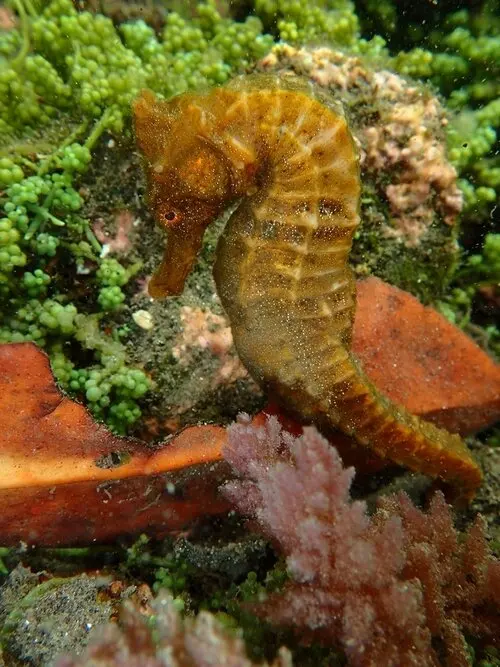
Conversely, the big-belly seahorse (Hippocampus abdominalis) is one of the largest species in the world, capable of reaching lengths of up to 14 inches. Other notable giants include the lined seahorse (Hippocampus erectus) and the pot-bellied seahorse, which frequently grow to 6 or 8 inches in captivity. Understanding these variations is vital for researchers and enthusiasts alike, as size dictates the specific environmental needs and dietary requirements of the animal.
What factors influence seahorse growth rates?
Several biological and environmental factors dictate how quickly and how large a seahorse will grow throughout its lifespan. Nutrition is arguably the most significant factor; seahorses have high metabolisms and require frequent feedings of live prey, such as mysis shrimp, to maintain steady growth. Inadequate caloric intake often leads to stunted growth or poor health, preventing the animal from reaching its full genetic potential.
Environmental quality also plays a critical role in developmental success. Water temperature, salinity levels, and the presence of stressors like high nitrate levels can inhibit growth. Furthermore, the amount of available space in an aquarium environment influences the physical development of captive specimens. To ensure healthy growth, keepers should focus on the following:
- Maintaining stable water parameters within the species-specific range.
- Providing a varied diet rich in high-quality, gut-loaded live foods.
- Ensuring the tank is large enough to allow for natural swimming and hunting behaviors.
How do you measure a seahorse accurately?
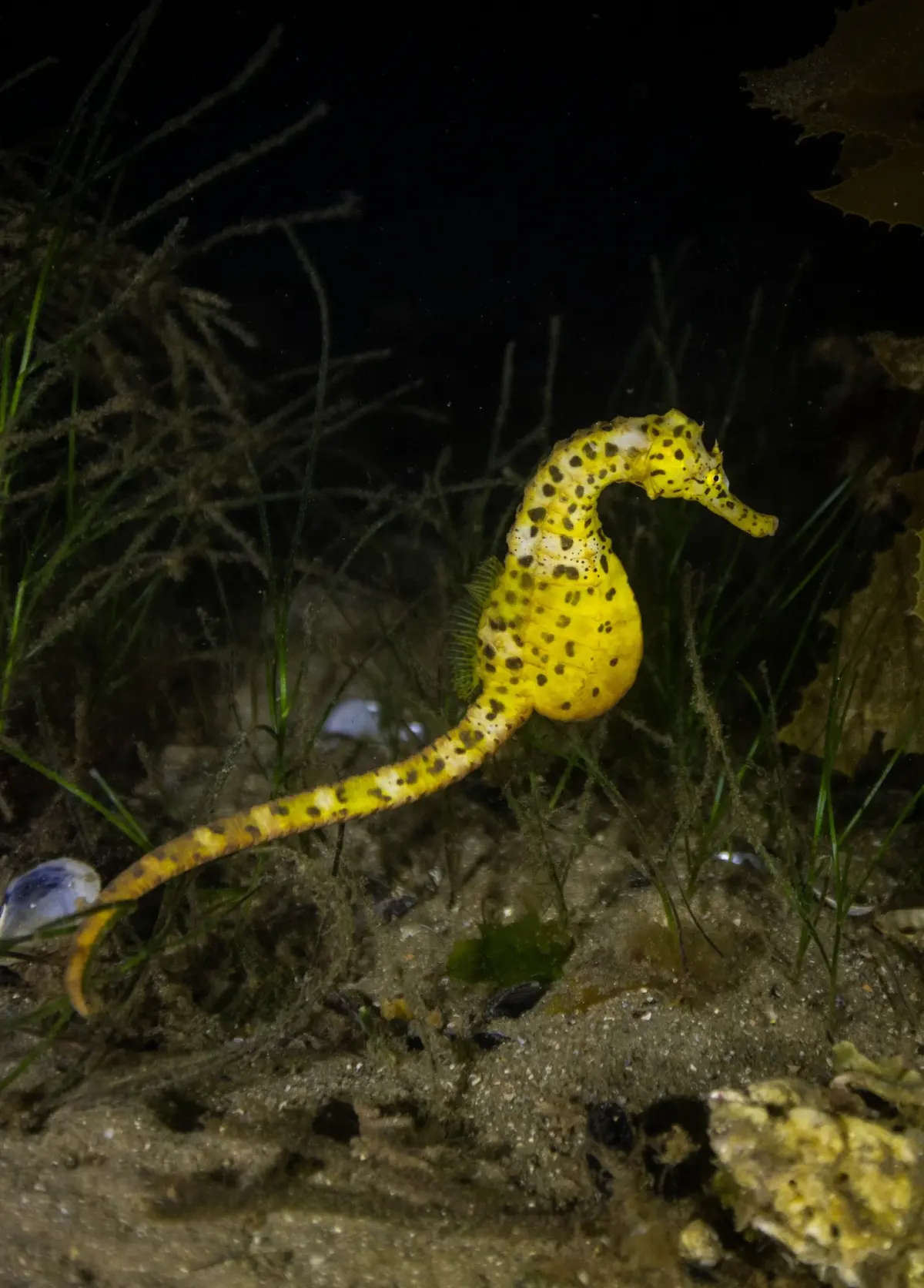
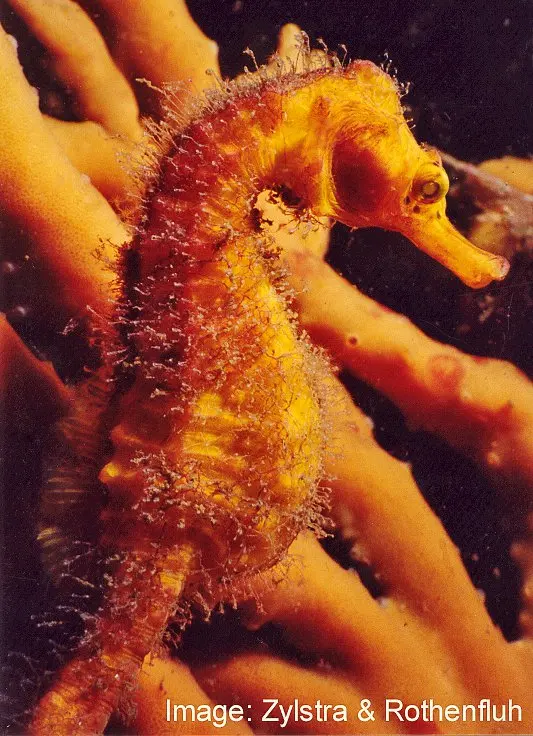
Measuring a seahorse presents unique challenges because of their prehensile, curled tails and upright posture. Unlike standard fish that can be measured from nose to tail fin, seahorses are typically measured from the top of their coronet—the crown-like structure on their head—to the tip of the tail when fully extended. This "stretched length" provides the most accurate reflection of their true size.
Using a ruler or tape measure while the seahorse is swimming is generally inaccurate and stressful for the animal. Instead, experts often use photographic analysis or wait until the animal is resting against a substrate to estimate length. When handling is absolutely necessary for medical assessment, it must be done with extreme care to avoid damaging the delicate skin or the dorsal fin.
- Gently guide the seahorse into a clear, shallow container of tank water.
- Allow the animal to relax and extend its tail naturally.
- Use a ruler held against the outside of the container to gauge the length without physical contact.
What are common mistakes when keeping seahorses?
A frequent error among novice keepers is underestimating the space requirements for larger species. While a small seahorse might seem comfortable in a nano-tank, these animals require significant vertical space to accommodate their swimming patterns and courtship displays. Cramped conditions lead to increased stress, which suppresses the immune system and makes the animals susceptible to bacterial infections and skin lesions.
Another common mistake involves ignoring the specific growth trajectory of the species being housed. Some owners assume all seahorses remain small and fail to upgrade their equipment as the fish matures. This lack of foresight often results in poor water quality as the waste output of a growing, larger seahorse quickly overwhelms the filtration capacity of a small system. Avoiding these pitfalls requires thorough research into the specific adult size of the chosen species before installation.
Why does seahorse size matter for conservation?
Size is a critical metric for conservationists monitoring wild populations, as it serves as an indicator of environmental health and reproductive maturity. Larger individuals are often more successful at breeding, as they can produce larger clutches of eggs and are generally more resilient to environmental fluctuations. When populations show a decline in average size, it often signals that the ecosystem is under stress, perhaps due to overfishing or habitat degradation.
Protecting these creatures involves maintaining the integrity of their seagrass and coral reef habitats. Because seahorses are poor swimmers, they rely on specific structures to anchor themselves; if these structures are lost, the population suffers. By tracking the growth and size distribution of wild colonies, scientists can better understand the impact of human activity on marine biodiversity. Preserving the natural size range of these fish ensures that they remain a functional part of the complex marine food web for future generations to study and appreciate.
Key facts
- Seahorses range in size from the tiny Hippocampus denise, which measures about 0.6 inches, to the Big-belly seahorse, which can reach 14 inches.
- Most common seahorse species typically grow to between 3 and 7 inches in length.
- Size is measured from the tip of the snout to the end of the straightened tail, rather than the curled resting position.
- Larger species like the Pacific seahorse inhabit temperate waters, while dwarf species are often found in tropical reefs.
- Captive seahorses often grow larger than wild counterparts due to consistent, high-quality nutrition and lack of predators.
- Avoid housing different species together, as size disparities can lead to aggressive competition for food and space.
The bottom line
Seahorses exhibit a remarkable range in size, spanning from less than an inch to over a foot in length. Understanding these dimensions is essential for enthusiasts, as proper tank size and dietary requirements depend entirely on the specific species. By providing adequate vertical space and appropriate nutrition, keepers can ensure these unique creatures thrive, allowing them to reach their full potential size in a healthy, captive environment.
People also ask
Do male and female seahorses grow to different sizes?
In many species, there is little sexual dimorphism regarding total length, though males often possess deeper chests to accommodate their brood pouches. Females may appear slightly more slender, but overall body length remains relatively consistent between the sexes.
How fast do seahorses grow?
Seahorses grow rapidly during their first few months of life, often reaching sexual maturity within three to six months. Growth rates are highly dependent on water temperature and the frequency of feeding in their environment.
Can I keep a large seahorse in a small tank?
No, large seahorses require significant vertical swimming space, typically a tank at least 20 to 30 gallons for a pair. Cramped conditions lead to stress, disease, and stunted growth, which significantly shortens their lifespan.
Does the size of a seahorse affect its diet?
Yes, larger seahorses require larger prey items, such as adult brine shrimp or mysis shrimp, to meet their caloric needs. Smaller species may struggle to ingest these items and require specialized, smaller zooplankton.
Why do seahorses curl their tails?
They use their prehensile tails to anchor themselves to seagrass or coral, which helps them remain stable in currents. This behavior makes them appear much smaller than their actual measured length.
Do seahorses continue to grow throughout their lives?
Like many fish, seahorses exhibit indeterminate growth, meaning they continue to grow slowly throughout their adult lives. However, the rate of growth slows significantly once they reach sexual maturity.
This answer was created with the help of AI research tools and reference sources. Spotted an error? Let us know — we correct mistakes quickly. See our editorial policy.