How big do hyenas get?
Short answer
Hyena size varies significantly by species. The spotted hyena, the largest, weighs between 90 and 190 pounds and stands about 30 to 35 inches tall at the shoulder. In contrast, the smaller aardwolf typically weighs only 15 to 30 pounds, while the striped and brown hyenas fall in the middle range.
On this page
How big are the different hyena species?
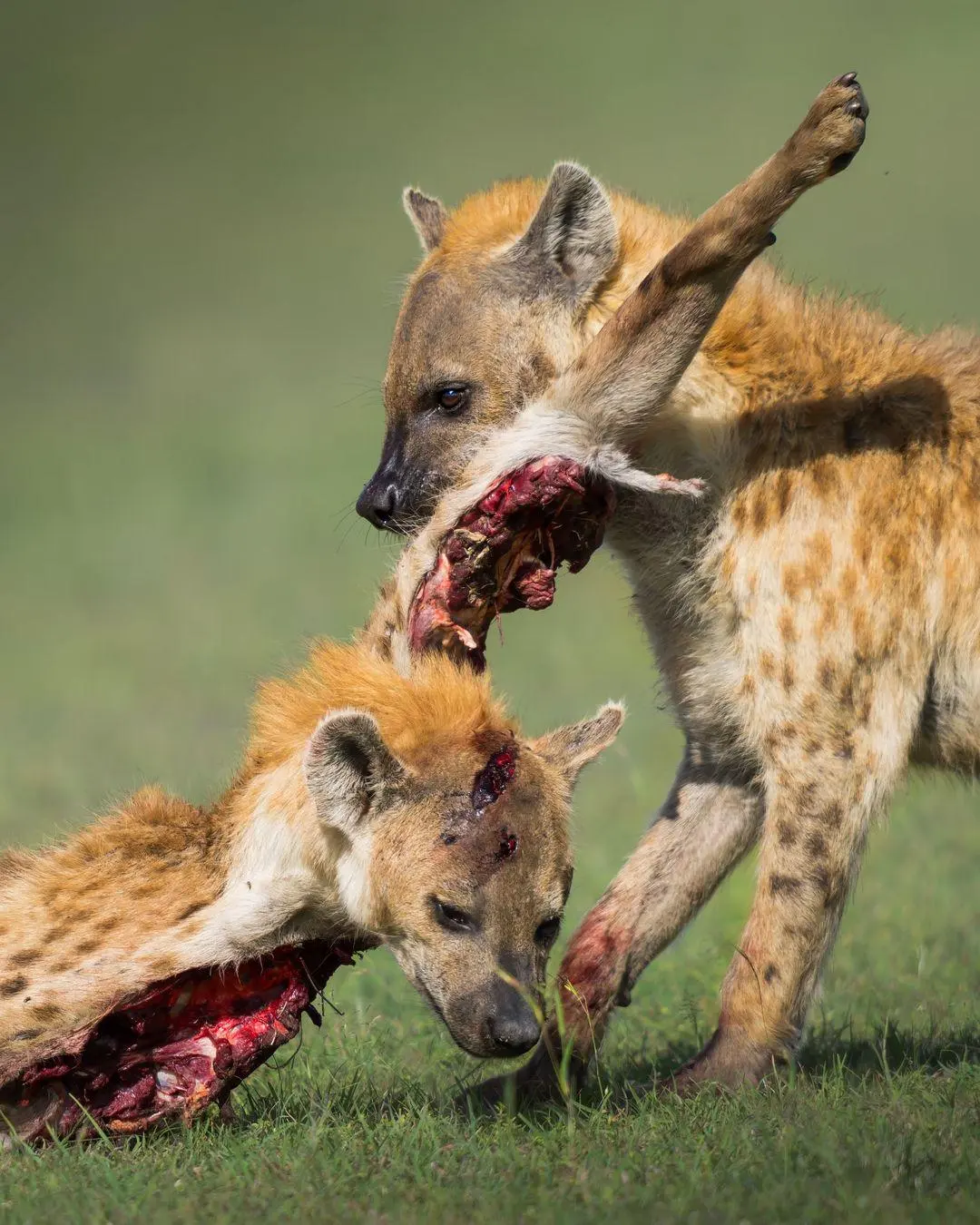
There are four distinct species of hyena, and they vary greatly in physical dimensions. The spotted hyena (Crocuta crocuta) is the most recognizable and the largest of the group. Adult females are generally heavier than males, often weighing up to 190 pounds, while males usually peak around 140 pounds. These animals possess a robust build designed for crushing bone and endurance running.
The brown hyena (Parahyaena brunnea) and the striped hyena (Hyaena hyaena) are slightly smaller than their spotted cousins. They typically weigh between 70 and 120 pounds. The aardwolf (Proteles cristata) is the smallest member of the family, often mistaken for a jackal due to its slender frame and weight of less than 30 pounds. Understanding these differences is essential for identifying which species you might be observing in the wild, as their size influences their hunting behavior and social structure.
How do female hyenas compare to males in size?
In the world of spotted hyenas, females are larger and more aggressive than males, a phenomenon known as reverse sexual dimorphism. This size advantage is not just a matter of weight; females also possess a unique anatomical structure that contributes to their dominance within the clan. They are roughly 10 to 15 percent heavier than males, which allows them to secure priority access to food sources during communal feedings.
This size hierarchy is critical for the survival of the species. Because the social structure is matriarchal, the larger females hold the highest ranks and dictate the movements of the entire group. When assessing the size of a spotted hyena, it is helpful to follow these general guidelines:
- Females: 110–190 pounds, with broader shoulders and more muscular necks.
- Males: 90–140 pounds, often appearing more slender or less barrel-chested.
- Juveniles: Rapidly gain weight in the first year, often reaching 70 percent of adult size by 12 months.
What factors influence how big a hyena grows?
A hyena’s ultimate size is determined by a combination of genetics, habitat quality, and access to prey. In regions where large ungulate populations are abundant, such as the Serengeti, spotted hyenas tend to reach the upper end of their weight range. Conversely, hyenas living in arid or resource-poor environments may be smaller due to nutritional stress during their developmental years.
Social rank also plays a significant role in growth. High-ranking individuals have first access to kills, ensuring they receive the protein and calcium necessary for optimal bone and muscle development. Lower-ranking hyenas may suffer from stunted growth or delayed maturation because they are forced to scavenge scraps rather than feeding on fresh carcasses. This disparity highlights how social dynamics directly manifest in physical stature within the clan.
How to measure a hyena in the field?
Measuring a wild animal requires caution and specialized equipment to ensure both the safety of the observer and the animal. Researchers typically use remote camera traps or physical capture methods to gather data on height and weight. If you are interested in estimating the size of a hyena from a distance, follow these steps to maintain accuracy:
- Observe the animal standing next to a known reference point, such as a termite mound or a specific shrub.
- Use a high-resolution photograph to compare the hyena's shoulder height against the reference object later.
- Calculate the height by scaling the image based on the known dimensions of the reference object.
- Avoid approaching the animal, as hyenas are powerful predators that can become defensive if they feel cornered or threatened.
Common mistakes when estimating hyena size
A frequent error people make is overestimating the size of a hyena due to its sloping back. The anatomy of a hyena features longer front legs than hind legs, which gives the animal a distinct, hunched appearance. This posture can make them look smaller or more fragile than they actually are when viewed from a distance. Observers often mistake the long, coarse hair of a striped or brown hyena for extra body mass, leading to inaccurate weight guesses.
Another mistake is assuming all hyenas are scavengers of similar size. Because they are often filmed alongside smaller animals, their true scale is frequently misrepresented in media. Always check the species before making assumptions about their physical capabilities. Remember that even the smallest aardwolf is a specialized insectivore, while the spotted hyena is a formidable apex predator capable of taking down prey much larger than itself. By focusing on the shoulder height and overall muscle mass rather than just the silhouette, you can gain a much more accurate understanding of these complex animals.
Key facts
- The spotted hyena is the largest species, with females weighing between 110 and 190 pounds.
- Males are generally smaller than females, typically weighing 100 to 140 pounds.
- Adults reach a shoulder height of approximately 30 to 35 inches.
- From head to tail, these animals measure between 3.5 and 5 feet in length.
- Female spotted hyenas are physically dominant and possess unique genitalia that mimic male anatomy.
- When observing hyenas in the wild, maintain a distance of at least 100 yards to ensure safety and avoid altering their natural behavior.
The bottom line
Hyenas vary significantly in size, with the spotted hyena standing as the largest and most recognizable member of the family. Females consistently outweigh males, reflecting a unique social structure where size correlates with dominance. Understanding these physical dimensions is essential for identifying species correctly in the wild. Always remember to respect their space, as these powerful animals are formidable predators that require careful observation from a distance.
People also ask
Are hyenas considered members of the dog family?
Despite their dog-like appearance, hyenas are not canines. They belong to the biological family Hyaenidae, which is more closely related to felines and viverrids like mongooses.
Do all hyena species grow to the same size?
No, sizes vary significantly across the four species. The spotted hyena is the largest, while the aardwolf is the smallest, weighing only 15 to 30 pounds.
Why are female hyenas larger than males?
Female spotted hyenas have higher levels of androgens, which contribute to their larger size and more aggressive nature. This physical advantage allows them to dominate the social hierarchy.
How long do hyenas live in their natural habitat?
In the wild, spotted hyenas typically live for 12 to 20 years. Their survival depends on access to prey and the strength of their social clan.
Are hyenas dangerous to humans?
While they generally avoid humans, hyenas are powerful predators capable of inflicting severe injury. It is a common mistake to underestimate their strength or attempt to feed them.
What do hyenas eat to maintain their size?
They are opportunistic carnivores that consume a wide range of prey, including zebras and wildebeests. Their powerful jaws allow them to crush bones, extracting vital nutrients that help them maintain their robust frames.
This answer was created with the help of AI research tools and reference sources. Spotted an error? Let us know — we correct mistakes quickly. See our editorial policy.