How big do chimpanzees get?
Short answer
Adult chimpanzees typically stand between 3 and 5 feet tall when fully upright. Males generally weigh between 70 and 130 pounds, while females are slightly smaller, weighing between 60 and 110 pounds. Despite their smaller stature compared to humans, chimpanzees possess significantly greater muscle density and physical strength than the average adult person.
On this page
How large are chimpanzees on average?
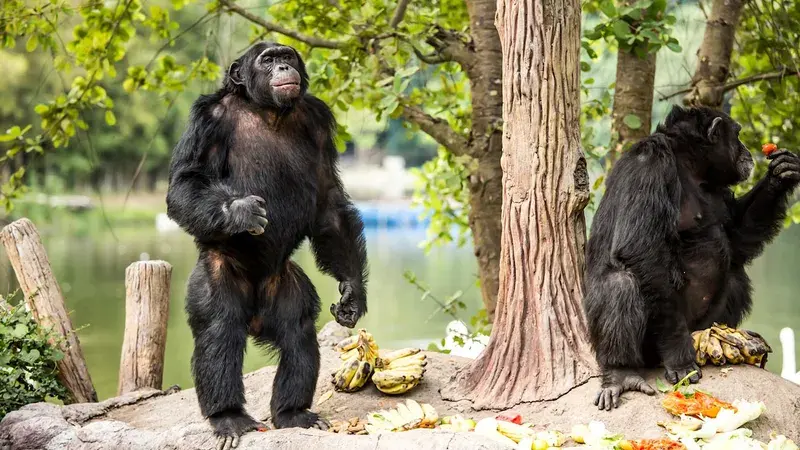
Chimpanzees (Pan troglodytes) exhibit sexual dimorphism, meaning males and females differ in size and weight. While height measurements are often cited as standing between 3 and 5 feet, these animals rarely walk fully upright in the wild. Instead, they typically move using knuckle-walking, which keeps their bodies closer to the ground. When they do stand bipedally, their posture is often slouched, making them appear shorter than their maximum potential height.
Weight varies significantly based on the subspecies, age, and nutritional availability in their natural habitat. A healthy adult male in the wild usually weighs around 100 pounds, though some individuals can reach up to 150 pounds in captivity due to less physical activity and different dietary intake. Females are consistently lighter, rarely exceeding 110 pounds. Understanding these physical dimensions is essential for researchers studying primate development and the energy requirements of these complex social animals.
Why do chimpanzees appear stronger than their size suggests?
Although a chimpanzee might be shorter than an average human, they are pound-for-pound significantly stronger. This discrepancy is largely attributed to the composition of their muscle fibers. Chimpanzees possess a higher proportion of fast-twitch muscle fibers, which are designed for explosive power and rapid movement. These fibers allow them to perform feats of strength, such as swinging through dense canopy or defending territory, that would be impossible for a human of similar weight.
Beyond muscle fiber type, the neurological control of their muscles differs from humans. Chimpanzees have a higher ratio of motor neurons to muscle fibers, allowing them to recruit more muscle mass simultaneously during a contraction. This biological advantage provides them with the following capabilities:
- Exceptional grip strength used for climbing and manipulating heavy objects.
- High-velocity movements that facilitate quick escapes from predators.
- Sustained power during aggressive displays or territorial disputes.
How do chimpanzees grow from infancy to adulthood?
Chimpanzee growth follows a trajectory somewhat similar to humans but at an accelerated pace. Infants are entirely dependent on their mothers for the first few years of life, receiving both nourishment and protection. During this period, they focus on motor skill development, learning to navigate the arboreal environment by mimicking the movements of their mothers and older siblings.
As they transition into adolescence, they experience a growth spurt that brings them closer to their adult size. By the time they reach social maturity, which occurs between 12 and 15 years of age, they have attained their full physical stature. The growth process is influenced by several factors:
- Nutritional quality: Access to diverse fruits, leaves, and occasional protein sources like insects or small mammals.
- Social hierarchy: Higher-ranking individuals often have better access to preferred food resources.
- Health status: Exposure to parasites or illnesses can temporarily stunt growth during critical developmental windows.
What are the common mistakes when estimating primate size?
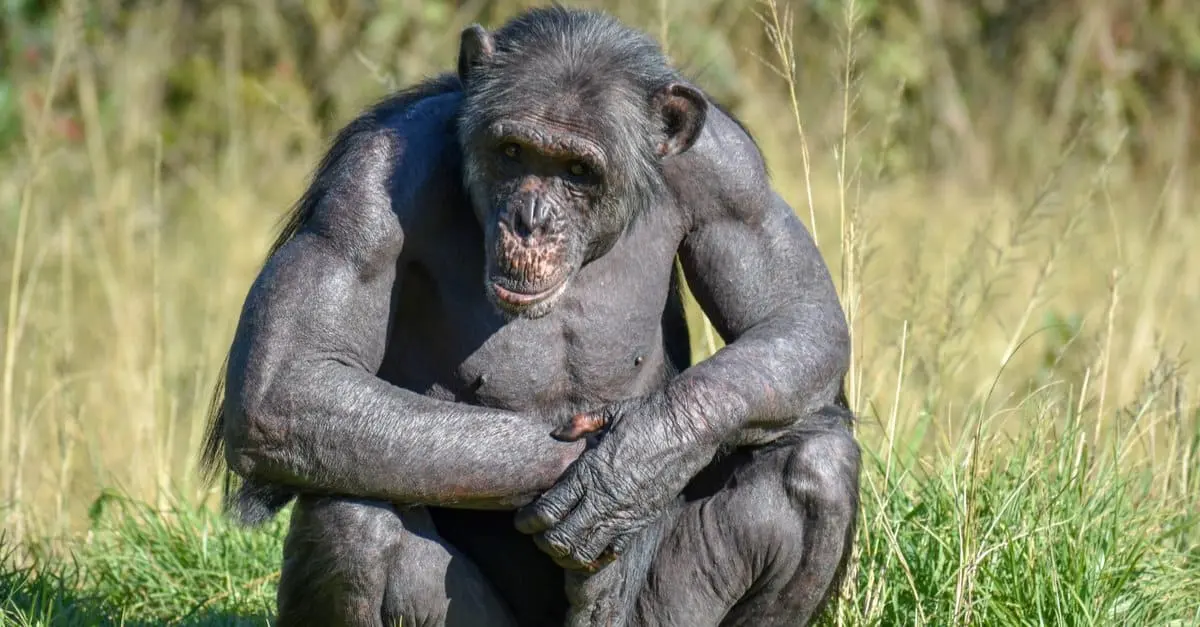
A frequent error when observing chimpanzees is overestimating their height based on their behavior. Because they often display by hair-raising, swaying, or slapping the ground, they appear much larger and more intimidating than their physical measurements would imply. Observers often mistake this psychological intimidation for actual physical bulk, leading to inaccurate perceptions of their size.
Another mistake is comparing captive chimpanzees to wild ones. In controlled environments, chimpanzees may become obese due to a lack of the strenuous exercise required for foraging and traveling long distances. This weight gain can create a false impression of the species' natural anatomy. When studying or observing these animals, it is important to:
- Account for the animal's posture before recording height.
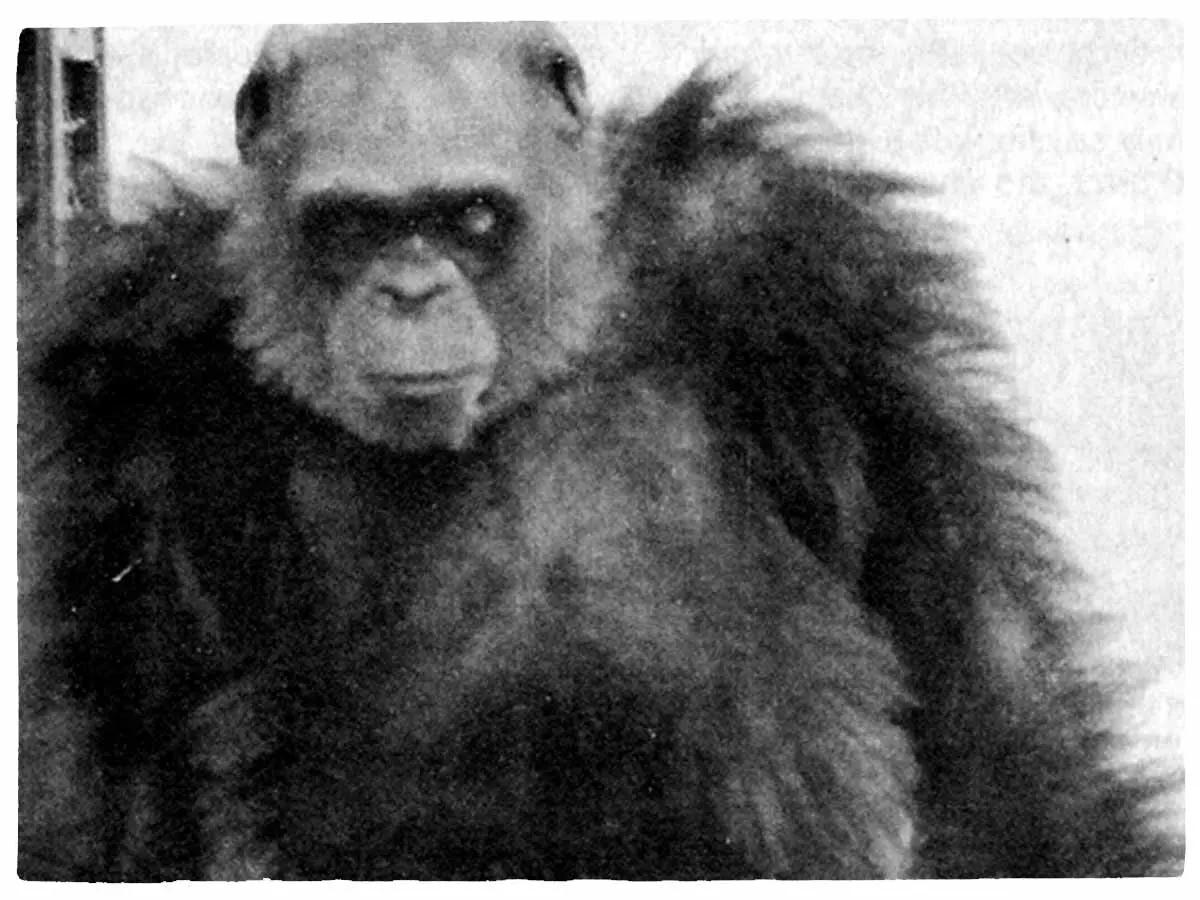
- Recognize that fur density can make an individual appear much broader than they actually are.
- Differentiate between healthy muscle mass and excess fat in captive populations.
How does environment influence chimpanzee physical development?
The environment plays a decisive role in the physical development of chimpanzee populations. Chimpanzees living in dense tropical rainforests often have different activity levels compared to those in mosaic habitats consisting of both forests and savannas. These environmental pressures dictate how much energy is spent on travel versus how much is available for growth and maintenance.
In areas where food is scarce or highly seasonal, chimpanzees may be smaller on average due to periodic nutritional stress. Conversely, populations with access to a consistent, high-calorie diet tend to reach the upper limits of their species' size range. This adaptability is a testament to the species' resilience, but it also means that size is not a static trait. By monitoring the physical condition of these primates, conservationists can gain valuable insights into the health of their ecosystems and the long-term viability of specific groups.
Key facts
- Adult male chimpanzees typically weigh between 35 and 70 kilograms (77 to 154 pounds).
- Females are generally smaller, weighing between 25 and 50 kilograms (55 to 110 pounds).
- When standing fully upright, chimpanzees reach heights of 1.2 to 1.5 meters (4 to 5 feet).
- Despite their size, chimpanzees possess a muscle density that makes them significantly stronger than the average human.
- A common mistake is assuming chimpanzees are small; their compact, muscular frames allow for explosive power in climbing and fighting.
- Never attempt to approach or interact with a wild chimpanzee, as their physical strength and unpredictable nature pose severe risks to humans.
The bottom line
Chimpanzees are compact, powerful primates that rarely exceed five feet in height. While they appear smaller than humans, their dense muscle mass provides immense physical strength. Understanding these dimensions is vital for safety, as their size belies their dangerous potential. Whether in the wild or captivity, these animals maintain a robust, athletic build that is perfectly evolved for their demanding lifestyle in the African forests.
People also ask
Are chimpanzees stronger than humans?
Yes, chimpanzees are estimated to be roughly 1.35 to 1.5 times stronger than humans in terms of raw muscle power. Their muscle fibers are structured to provide high-speed, high-force movements necessary for life in the canopy.
Do chimpanzees grow larger in captivity?
Chimpanzees in captivity often weigh more than their wild counterparts due to a consistent food supply and lower levels of physical activity. Obesity is a documented health issue for captive primates that do not have to forage for their meals.
How long do chimpanzees live?
In the wild, chimpanzees typically live between 30 and 40 years. With proper veterinary care and protection from predators, they can live into their 50s in zoos or sanctuaries.
How does the size of a chimpanzee compare to a gorilla?
Gorillas are significantly larger and heavier than chimpanzees, with adult male gorillas often weighing between 135 and 200 kilograms. Chimpanzees are much more agile and better adapted for arboreal movement compared to the terrestrial gorilla.
Do chimpanzees have a specific growth period?
Chimpanzees reach physical maturity around 12 to 15 years of age. They experience a childhood phase similar to humans, during which they rely on their mothers for protection and nutritional guidance.
Is there a difference in size between chimpanzee subspecies?
While there are four recognized subspecies of chimpanzees, their physical dimensions remain relatively consistent across the board. Environmental factors, such as food availability in their specific habitat, have a greater impact on size than genetic subspecies differences.
This answer was created with the help of AI research tools and reference sources. Spotted an error? Let us know — we correct mistakes quickly. See our editorial policy.