Why do we have belly buttons?
Short answer
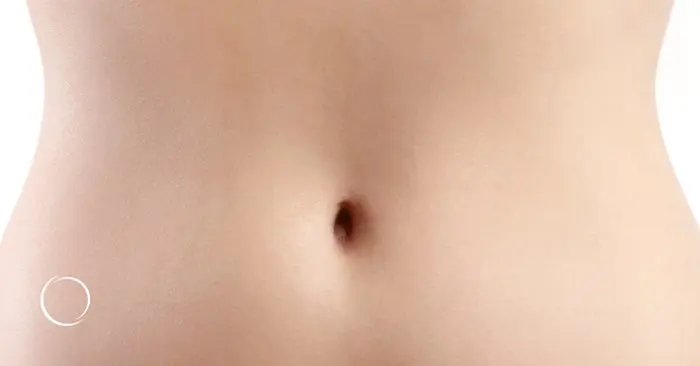
Belly buttons, or navels, are the permanent scars left behind after the umbilical cord is detached at birth. During gestation, this cord serves as the vital lifeline connecting a fetus to the placenta, delivering oxygen and nutrients. Once the baby begins breathing independently, the cord is severed, leaving the navel behind.
On this page
Why do we have belly buttons?
Every placental mammal possesses a belly button because of the unique way they develop in the womb. During pregnancy, the fetus cannot eat or breathe on its own, so it relies entirely on the umbilical cord. This tube connects the fetal circulatory system to the placenta, which acts as a filter and exchange site for the mother’s blood. The cord contains two arteries and one vein, protected by a substance called Wharton’s jelly.
When a baby is born, the umbilical cord is no longer necessary because the infant’s lungs and digestive system begin to function. A doctor or midwife clamps the cord and cuts it, leaving a small stump on the infant's abdomen. Within one to three weeks, this stump dries up, turns black, and eventually falls off naturally. The remaining tissue heals into the indentation we recognize as the navel, serving as a permanent anatomical reminder of our prenatal development.
How does the umbilical cord function?
The umbilical cord is a sophisticated biological conduit that ensures the survival of the fetus. It functions as a bridge, transporting oxygenated, nutrient-rich blood from the placenta to the fetus, while simultaneously carrying waste products like carbon dioxide and urea back to the placenta to be processed by the mother’s body. Without this connection, the rapid growth and development required during the nine months of gestation would be impossible.
The structure of the cord is remarkably resilient, designed to prevent kinking or compression that could restrict blood flow. It is composed of:
- Two umbilical arteries that carry deoxygenated blood away from the fetus.
- One umbilical vein that carries oxygenated, nutrient-rich blood toward the fetus.
- Wharton’s jelly, a gelatinous substance that cushions the vessels and prevents them from collapsing.
- An outer layer of amniotic membrane that protects the entire structure from the surrounding amniotic fluid.
What are the different types of belly buttons?
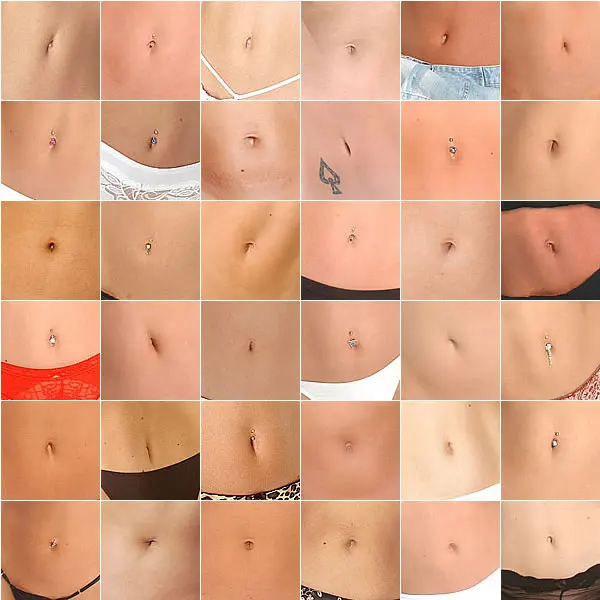
While all belly buttons originate from the same process, they vary significantly in appearance due to how the abdominal wall heals after the cord stump falls off. There is no genetic blueprint for a specific shape; rather, the final look is determined by the way the skin contracts and the underlying muscle tissue settles. Most people have an "innie," where the skin pulls inward, but some have an "outie," where the tissue protrudes outward.
An "outie" is often the result of a minor umbilical hernia, which occurs when a small portion of the intestine pushes through the abdominal wall before it has fully closed. In many cases, these resolve on their own during early childhood as the abdominal muscles strengthen. If an outie persists into adulthood, it is simply a variation of normal human anatomy and does not indicate a health problem. The shape of your navel is essentially a unique signature of your body’s healing process during infancy.
How to clean your belly button safely
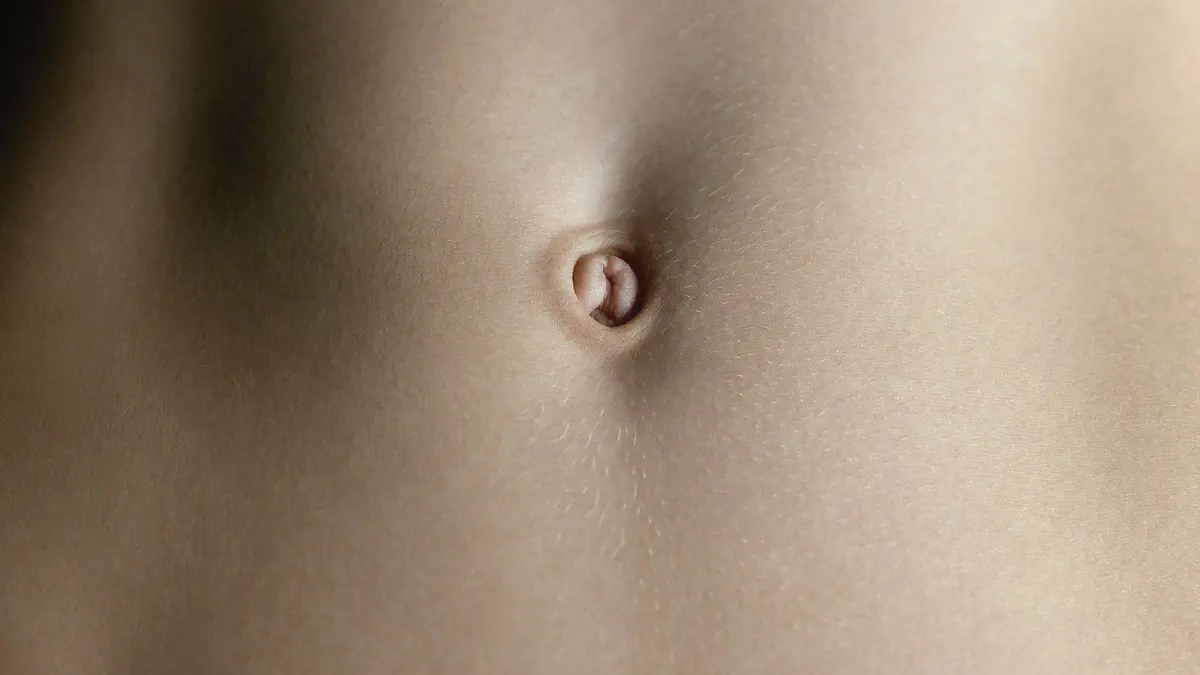
Because the navel is a deep, often moist cavity, it can become a breeding ground for bacteria, yeast, and dead skin cells if not cleaned regularly. Many people overlook this area during their daily shower routine, which can lead to unpleasant odors or minor infections. To maintain proper hygiene, you should gently clean the area at least once or twice a week.
Follow these steps to ensure you are cleaning the area correctly:
- Use a mild soap and warm water on a soft washcloth to gently wipe the interior of the navel.
- If your navel is particularly deep, use a cotton swab dipped in a mixture of water and gentle soap to reach the crevices.
- Rinse the area thoroughly with clean water to ensure no soap residue remains, as this can cause irritation.
- Dry the area completely with a clean towel, as moisture trapped in the folds can encourage fungal growth.
Common mistakes when caring for your navel
One of the most frequent mistakes people make is neglecting the belly button entirely, which allows debris—a mixture of lint, sweat, and skin cells—to accumulate. This buildup, often called "navel fluff," is harmless but can become quite dirty if left for months. Conversely, some people scrub the area too aggressively with harsh chemicals or abrasive tools, which can cause micro-tears in the delicate skin and lead to inflammation or infection.
Avoid these common pitfalls to keep your navel healthy:
- Do not use sharp objects or fingernails to dig out debris, as the skin inside the navel is thin and easily damaged.
- Avoid applying heavy lotions or oils inside the navel, as these can trap moisture and promote bacterial overgrowth.
- Do not ignore persistent redness, swelling, or discharge, as these can be signs of an infection that requires medical attention.
- Avoid using scented soaps or harsh antiseptics that may disrupt the natural microbiome of the skin, potentially leading to irritation or dermatitis.
Key facts
- A belly button, or umbilicus, is a permanent scar formed after the umbilical cord detaches following birth.
- During fetal development, the umbilical cord serves as the vital lifeline that delivers oxygen and nutrients from the placenta to the fetus.
- Once a baby is born and begins breathing independently, the cord is clamped and cut, leaving a small stump that falls off within one to three weeks.
- Belly buttons are categorized into two primary shapes: "innies," which are indented, and "outies," which protrude outward due to the way the scar tissue heals.
- The umbilicus is a high-density area for bacteria; studies have identified over 2,300 different species of microbes living within the average human navel.
- To clean your belly button, gently use a cotton swab dipped in warm, soapy water or a mild saline solution to remove debris, then pat it completely dry.
The bottom line
The belly button is a permanent anatomical scar marking the site where the umbilical cord once connected a fetus to the placenta. While it serves no biological purpose after birth, its unique structure requires regular, gentle hygiene to prevent bacterial buildup. Whether you have an "innie" or an "outie," it remains a fascinating, natural reminder of the complex biological process that sustains human life.
People also ask
Can a belly button change shape over time?
Yes, the shape of a navel can shift due to significant weight gain, pregnancy, or abdominal surgeries like a hernia repair. These physical changes alter the tension of the surrounding skin and muscle, which can turn an "innie" into an "outie" or vice versa.
Do all mammals have belly buttons?
Nearly all placental mammals possess a belly button because they rely on an umbilical cord for fetal development. However, these scars are often obscured by fur or are so faint that they are difficult to locate on many animals.
Is it dangerous to pierce your belly button?
Navel piercings carry a higher risk of infection compared to ear piercings because the area is warm, moist, and prone to friction from clothing. If you choose to get one, ensure the studio uses sterile equipment and follow strict aftercare cleaning protocols to prevent complications.
Why do some people have "outies"?
An outie is typically the result of how the umbilical cord stump healed after birth, often influenced by the amount of scar tissue formed. In some cases, it may also indicate a minor umbilical hernia, where a small portion of the intestine pushes through the abdominal wall.
Does the belly button have a function in adulthood?
In an adult, the belly button serves no physiological function and is essentially a vestigial scar from fetal life. It is, however, a common entry point for surgeons during laparoscopic procedures because it provides a direct path to the abdominal cavity with minimal scarring.
Should I worry about a foul smell coming from my belly button?
A persistent odor usually indicates an accumulation of sweat, dead skin cells, or bacteria that has not been properly cleaned. If the smell is accompanied by redness, discharge, or pain, it may be an infection that requires medical evaluation by a doctor.
This answer was created with the help of AI research tools and reference sources. Spotted an error? Let us know — we correct mistakes quickly. See our editorial policy.