How do you draw a television set?
Short answer
Drawing a television set involves creating a rectangular frame with depth to suggest a three-dimensional cabinet. Start by sketching a simple box, then add internal details like the screen, control buttons, and a stand. Focus on perspective and clean geometric lines to ensure the final illustration looks realistic and proportional.
On this page
How to draw a basic television set
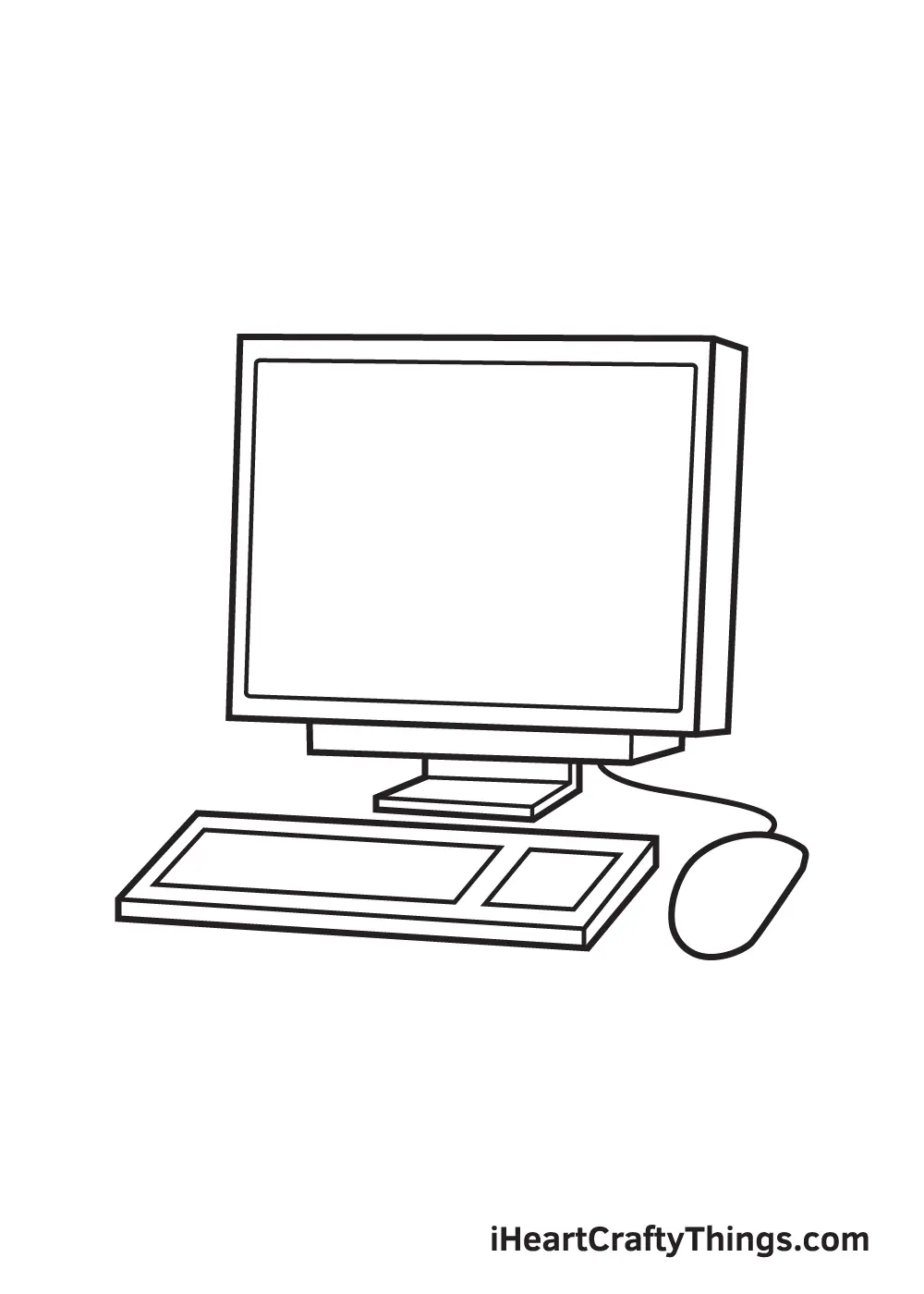
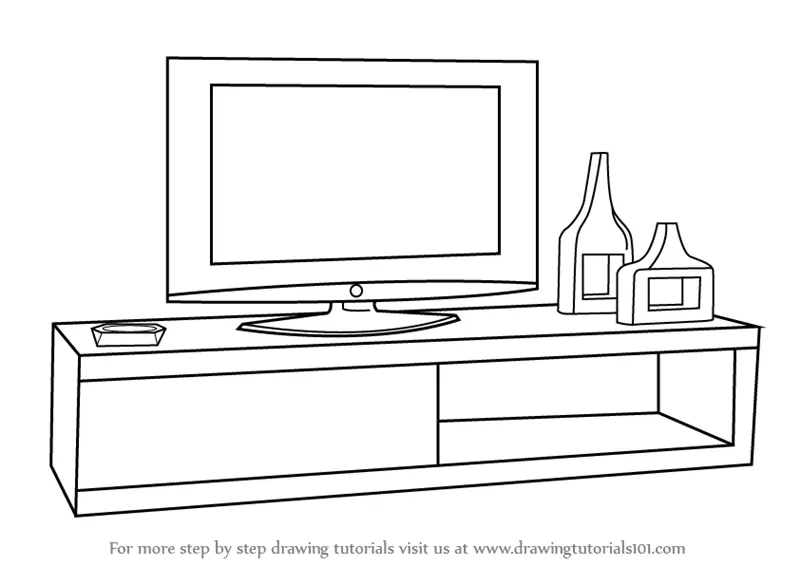
To begin your drawing, start with a light pencil sketch of a rectangle. This will serve as the outer frame of the television cabinet. If you are drawing a vintage model, make the rectangle slightly thicker to account for the bulky cathode ray tube housing. For a modern flat-screen TV, keep the frame very thin and sleek.
Once the primary shape is established, add a smaller rectangle inside the first one to represent the screen. Ensure the borders are even on all sides to create a balanced look. You can use a ruler to maintain straight edges, which is essential for mechanical objects like electronics. After finalizing the outlines, you can darken your lines with a pen or a darker grade of pencil to give the drawing definition.
What tools are best for beginners
For those just starting, a simple HB pencil, a white eraser, and a ruler are the most effective tools. A ruler is critical because televisions are composed almost entirely of rigid, straight lines. Using a compass or a circular stencil can also help if you decide to draw a vintage television with rounded corners or circular knobs.
When you are ready to add depth or shading, consider using these supplies:
- Graphite pencils ranging from 2B to 4B for creating shadows.
- A blending stump to smooth out transitions on the screen surface.
- A fine-liner pen for adding permanent, crisp details to the buttons or ports.
- A kneaded eraser to lift graphite for highlights, especially on the screen.
How to add realistic depth and perspective
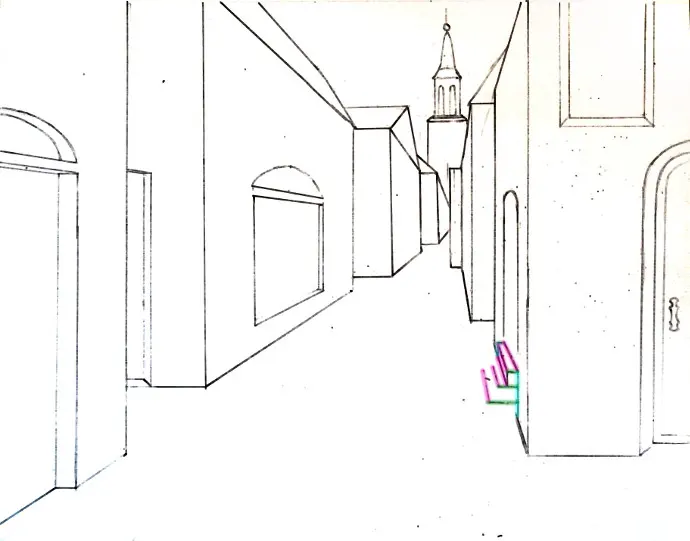
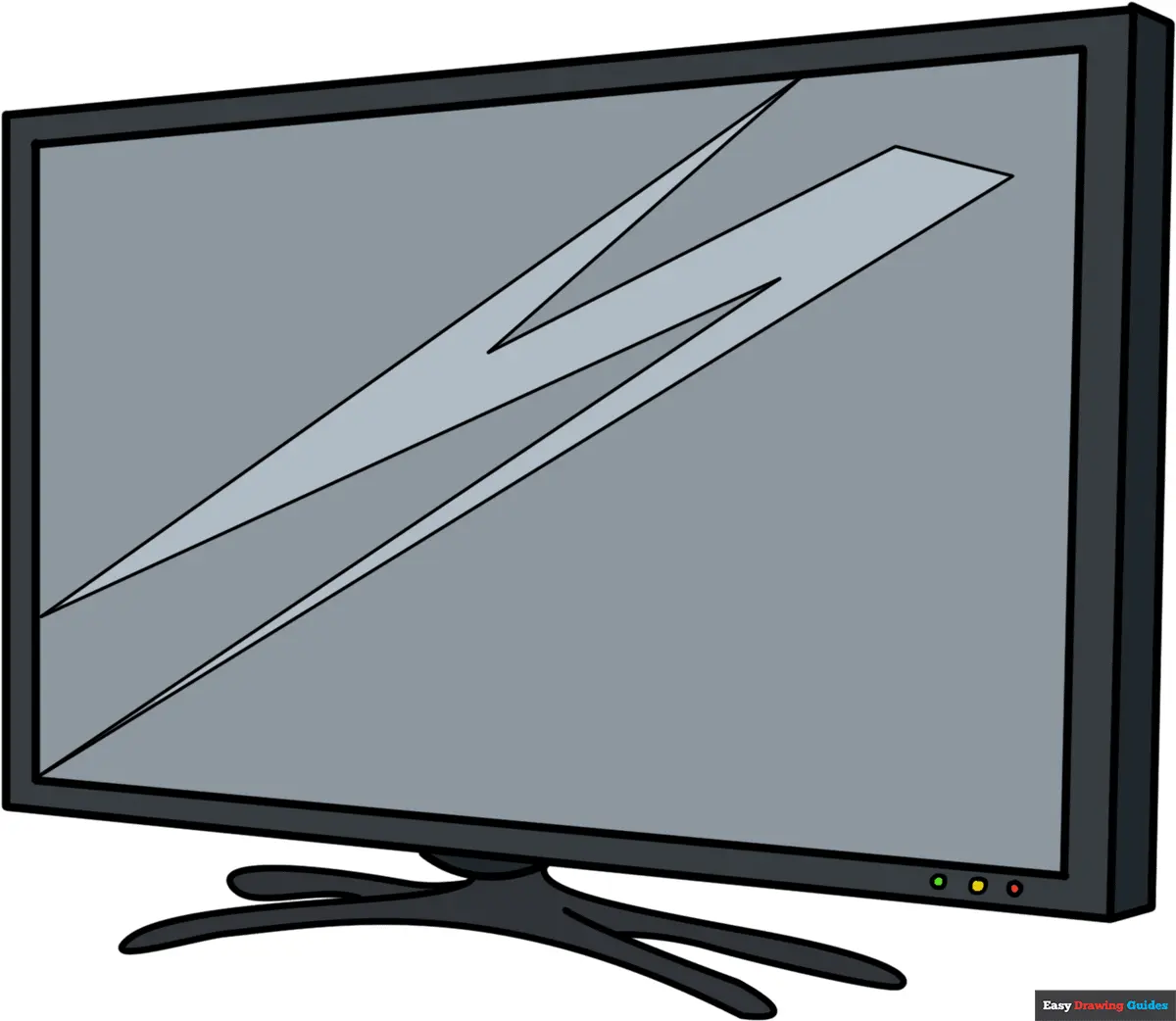
To make your television look three-dimensional, you must apply the principles of one-point perspective. Draw a second, slightly offset rectangle behind the first one and connect the corners with diagonal lines. This creates the illusion of volume, showing the side panels of the television cabinet. If you are drawing a modern flat screen, keep this depth minimal to reflect the slim profile of current technology.
Adding a stand or wall mount further enhances the sense of space. A pedestal stand usually consists of a small rectangular or oval base connected to the bottom of the TV by a narrow neck. When drawing this, ensure the base is slightly wider than the neck to provide visual stability. Remember to shade the underside of the television where the screen meets the frame to suggest a slight recession.
Common mistakes when drawing electronics
One of the most frequent errors is failing to align the internal screen with the outer frame. If the screen is tilted or off-center, the entire drawing will look distorted and unprofessional. Always check your measurements from the edges before finalizing your lines. Another common mistake is ignoring the reflection on the screen, which makes the TV look like a hollow frame rather than a functioning device.
Avoid these pitfalls by following these steps:
- Use a light touch with your pencil so that mistakes can be easily erased without leaving marks.
- Check the symmetry of your buttons and speakers by drawing faint guidelines across the face of the TV.
- Keep your shading consistent, ensuring the light source comes from one direction to avoid conflicting shadows.
- Do not over-complicate the details on the back of the set unless you are drawing it from a rear angle.
Why screen reflections matter for realism
The screen of a television is essentially a dark, reflective surface. To make your drawing look authentic, you should add a subtle gradient or a few diagonal white lines to represent light hitting the glass. This simple technique transforms a flat gray rectangle into a realistic object that occupies physical space. You can also add a slight vignette effect, where the corners of the screen are darker than the center.
When adding these highlights, be careful not to overdo it. A few well-placed strokes with an eraser or a white gel pen are often enough to suggest the presence of glass. If you are drawing a television that is turned on, you can add a soft glow around the edges of the screen using a light gray or blue pencil. This technique creates a sense of illumination that adds a professional finish to your artwork.
Key facts
- Start by drawing a simple rectangle to serve as the main screen frame.
- Use a ruler to ensure your straight lines are parallel and crisp.
- Add a smaller, slightly offset rectangle inside the first to create the bezel or frame depth.
- Draw a trapezoid at the bottom to represent the stand, or add small circles for feet.
- Include a tiny square or circle in the corner to represent the power indicator light.
- Avoid drawing the screen as a flat plane; add a subtle diagonal line across the glass to suggest reflection.
The bottom line
Drawing a television set relies on mastering basic geometric shapes and perspective. By starting with a clean rectangular frame and adding depth through secondary lines, you can create a convincing object. Focus on the thickness of the casing and the placement of small details like buttons or indicator lights to provide realism. With practice, these simple techniques allow you to render any style of electronic display.
People also ask
How do I make the television look three-dimensional?
Draw a thin rectangle extending from the back of the screen frame to represent the thickness of the casing. Connect the corners of the front frame to this back rectangle using short, angled lines to create depth.
Should I draw the television screen as a blank white space?
A blank screen often looks unfinished, so try adding a faint grid or a simple shape inside to represent an image. You can also draw thin, horizontal lines across the screen to mimic the look of a display.
What is the best way to draw the remote control?
Sketch a long, narrow rectangle with rounded corners to form the base. Add small, evenly spaced dots or squares to represent the buttons, keeping them aligned in vertical rows.
How do I draw a vintage television with knobs?
Draw a large, boxy shape instead of a thin rectangle, as older sets were much deeper. Place two circles on the side panel to act as the channel and volume dials.
How can I make the television look like it is mounted on a wall?
Omit the stand entirely and draw the television flush against a horizontal line representing the wall. Add a small shadow directly behind the bottom edge to create the illusion of it hanging.
What common mistake should I avoid when drawing cables?
Do not draw cables as perfectly straight lines, as this looks unnatural. Use gentle, flowing curves that droop toward the floor to suggest the weight and flexibility of the wires.
This answer was created with the help of AI research tools and reference sources. Spotted an error? Let us know — we correct mistakes quickly. See our editorial policy.