What is the Stawamus Chief famous for?
Short answer
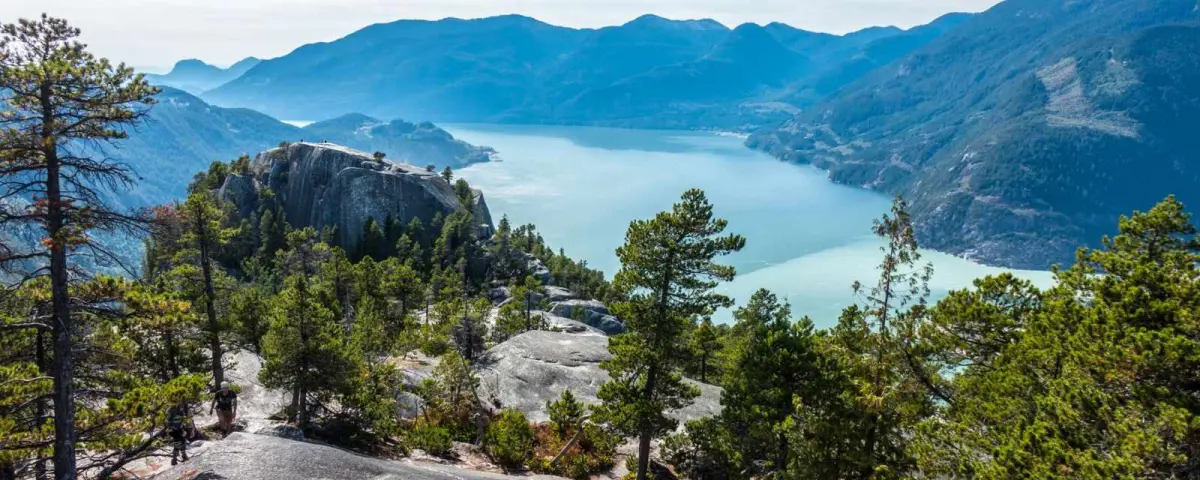
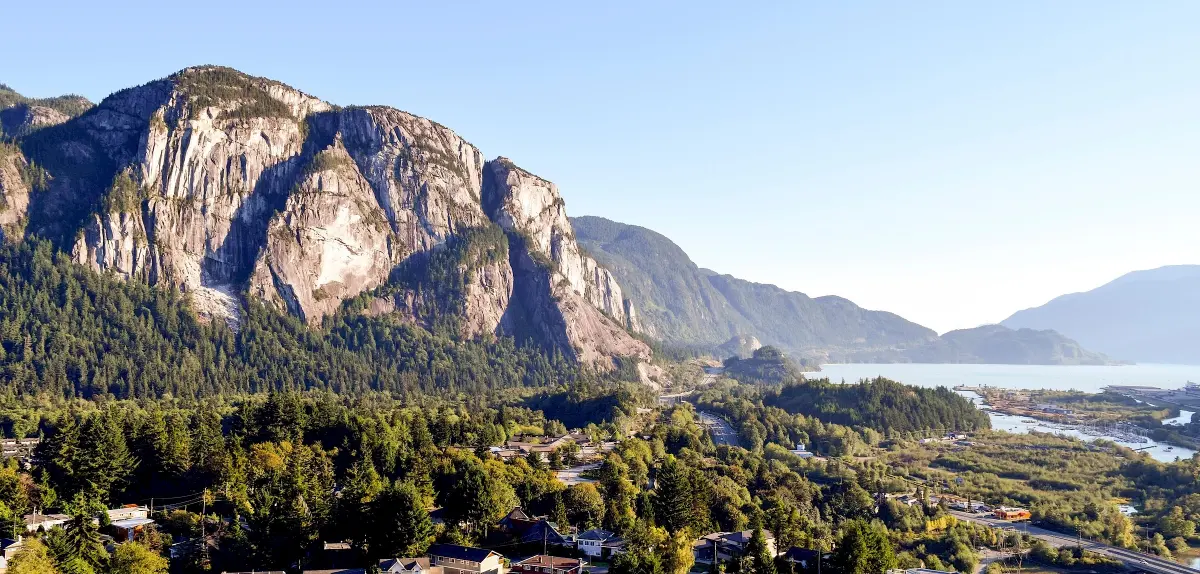
The Stawamus Chief, a massive granite monolith near Squamish, British Columbia, is world-renowned as a premier destination for rock climbing and hiking. Rising 700 meters above the Howe Sound, it features iconic multi-pitch routes and challenging trails, drawing outdoor enthusiasts globally to experience its sheer vertical faces and panoramic coastal views.
On this page
Why is the Stawamus Chief famous?
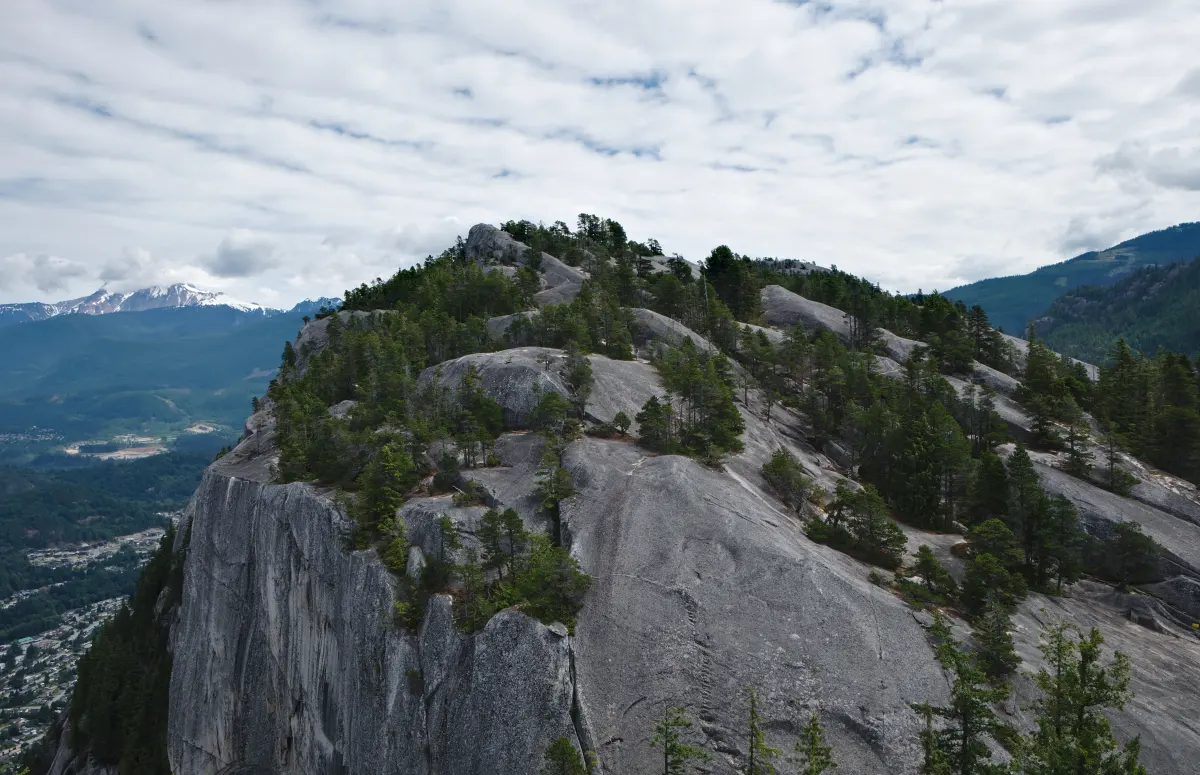
The Stawamus Chief, locally referred to as "The Chief," is one of the largest granite monoliths on the planet. Its fame stems primarily from its imposing vertical profile, which dominates the skyline along the Sea-to-Sky Highway. For geologists and climbers alike, the dome represents a massive remnant of volcanic activity and glacial scouring that occurred millions of years ago, resulting in the distinct, sheer faces that attract thousands of visitors annually.
Beyond its geological significance, the mountain serves as a cultural hub for the Squamish Nation, who know the site as Siyám Smánit. The monolith holds deep spiritual importance, representing a significant landmark in the traditional territory of the Skwxwú7mesh people. This intersection of natural grandeur, deep-rooted indigenous history, and modern adventure sports has cemented its status as an essential Canadian landmark.
How long does it take to hike the Stawamus Chief?
Hiking to the summits of the Chief is a strenuous endeavor that typically requires significant physical preparation. The trail system is divided into three distinct peaks, each offering varying levels of difficulty and time commitments. Most hikers should allocate a full day to explore the area safely, as the terrain is steep, rugged, and often slippery.
- First Peak: A 1.5 to 2-hour ascent that leads to the most popular summit.
- Second Peak: An additional 30 to 45 minutes of hiking from the first peak.
- Third Peak: A further 30-minute trek from the second peak, offering quieter vistas.
- Descent: Allow at least 1.5 hours to return to the trailhead, as the steep stairs can be taxing on the knees.
In total, a round trip covering all three peaks usually takes between 5 and 7 hours. Factors such as trail congestion, weather conditions, and individual fitness levels will significantly influence your pace. Always check the weather forecast before departing, as the summits are exposed and can become hazardous during sudden rain or high winds.
Best climbing routes for beginners
The Chief is a world-class climbing destination, but its sheer size can be intimidating for those new to granite face climbing. The area offers a variety of beginner-friendly multi-pitch routes that allow novices to experience the thrill of the ascent under safer, more manageable conditions. Many of these routes are well-protected and offer excellent opportunities to learn crack and slab climbing techniques.
- Banana Peel: A classic, low-angle route that is perfect for those transitioning from gym climbing to outdoor granite.
- Calculus Crack: A famous route that provides a great introduction to jamming techniques without extreme vertical exposure.
- Grahan-Higgins: A moderate multi-pitch climb that offers a scenic experience with relatively straightforward navigation.
When starting out, it is highly recommended to hire a local guide or climb with an experienced partner who knows the specific nuances of the Chief’s rock quality. Granite can be sharp and unforgiving, so wearing appropriate footwear and utilizing high-quality protection is essential for a successful and safe experience on the wall.
Common mistakes when visiting the Chief
One of the most frequent errors visitors make is underestimating the physical demands of the trail. Many tourists arrive in improper footwear, such as flip-flops or casual sneakers, which lack the grip necessary for the slick, polished granite sections found near the summits. Additionally, failing to carry enough water is a common oversight that leads to exhaustion and dehydration during the warm summer months.
Another major mistake is ignoring the environmental warnings posted at the trailhead. The Chief is home to sensitive ecosystems and nesting birds, and straying from marked paths can cause significant ecological damage. Furthermore, visitors often forget to pack out their trash, leaving waste on the mountain that disrupts the natural habitat. Always follow "Leave No Trace" principles to ensure that this iconic landmark remains pristine for future generations of hikers and climbers.
Safety tips for a successful trip
Safety should always be the priority when exploring the Stawamus Chief, particularly because the weather can shift rapidly in the Howe Sound region. The rock faces are prone to becoming extremely slippery when wet, and the steep staircases can become dangerous traps during heavy rainfall. It is essential to wear layers, as the temperature at the summit is often significantly lower than at the base.
- Carry a headlamp if starting your hike in the afternoon to avoid being caught on the trail after sunset.
- Bring a physical map or a reliable GPS device, as cell service can be spotty on the backside of the mountain.
- Inform a friend or family member of your planned route and expected return time.
- Pack a basic first-aid kit, including blister care and bandages for minor scrapes.
By respecting the mountain’s terrain and preparing for the unexpected, you can safely enjoy the spectacular natural beauty that has made the Stawamus Chief a legendary destination for outdoor enthusiasts from every corner of the globe. Always prioritize your physical limits over reaching the final peak, as the descent is often where most injuries occur due to fatigue.
Key facts
- The Stawamus Chief, locally known as "The Chief," is a massive granite monolith rising 700 meters above the town of Squamish, British Columbia.
- It is one of the largest free-standing granite monoliths in the world, formed by glacial erosion and volcanic activity millions of years ago.
- The mountain is a world-renowned destination for rock climbing, offering over 1,500 established routes ranging from beginner scrambles to expert multi-pitch climbs.
- Hikers can reach the three distinct summits—First, Second, and Third Peak—via a well-maintained trail system that gains approximately 600 meters of elevation.
- The area is culturally significant to the Sḵwx̱wú7mesh (Squamish) Nation, who refer to the mountain as Siám’ Smánit, meaning "the leader."
- When hiking, always carry the "Ten Essentials," including water, a headlamp, and a map, as weather conditions on the granite face can change rapidly.
The bottom line
The Stawamus Chief stands as a premier outdoor landmark in British Columbia, offering a unique blend of challenging rock climbing and rewarding hiking experiences. Whether you are scaling its iconic granite walls or trekking to its panoramic summits, the mountain provides a profound connection to nature. By respecting the park's regulations and preparing for its steep, rugged terrain, visitors can safely enjoy this majestic geological marvel.
People also ask
How long does it take to hike to the top of the Stawamus Chief?
A typical round-trip hike to the First Peak takes between three to five hours, depending on your fitness level and pace. Experienced hikers may move faster, while those carrying heavy gear or stopping for photos should budget extra time.
Do I need a permit to climb or hike at the Stawamus Chief?
No individual permit is required for hiking or climbing on the Chief. However, visitors must respect all provincial park regulations, including staying on marked trails to prevent erosion and protecting the fragile alpine environment.
Is the Stawamus Chief dangerous for beginners?
The hiking trails are physically demanding and involve steep stairs, ladders, and exposed sections that can be slippery when wet. Beginners should avoid the area during heavy rain or snow, as the granite becomes extremely slick and hazardous.
What is the best time of year to visit the Chief?
The ideal time to visit is from late spring to early autumn, specifically between May and September. During these months, the trails are generally free of snow, and climbing conditions on the granite face are optimal.
Are dogs allowed on the trails?
Yes, dogs are permitted on the hiking trails, but they must be kept on a leash at all times. This rule is strictly enforced to protect local wildlife and ensure the safety of other hikers on narrow, crowded sections.
What should I do if I encounter a bear?
The region is active bear country, so you should make noise while hiking to avoid startling animals. If you see a bear, stay calm, back away slowly without turning your back, and never attempt to feed or approach the animal.
This answer was created with the help of AI research tools and reference sources. Spotted an error? Let us know — we correct mistakes quickly. See our editorial policy.