Is Mount Seymour worth visiting?
Short answer
Mount Seymour is absolutely worth visiting for its accessible alpine terrain, breathtaking views of the Vancouver skyline, and diverse recreational opportunities. Whether you seek challenging summer hikes or family-friendly winter sports, this mountain provides a quintessential Pacific Northwest experience just a short drive from the bustling heart of downtown Vancouver.
On this page
Why visit Mount Seymour
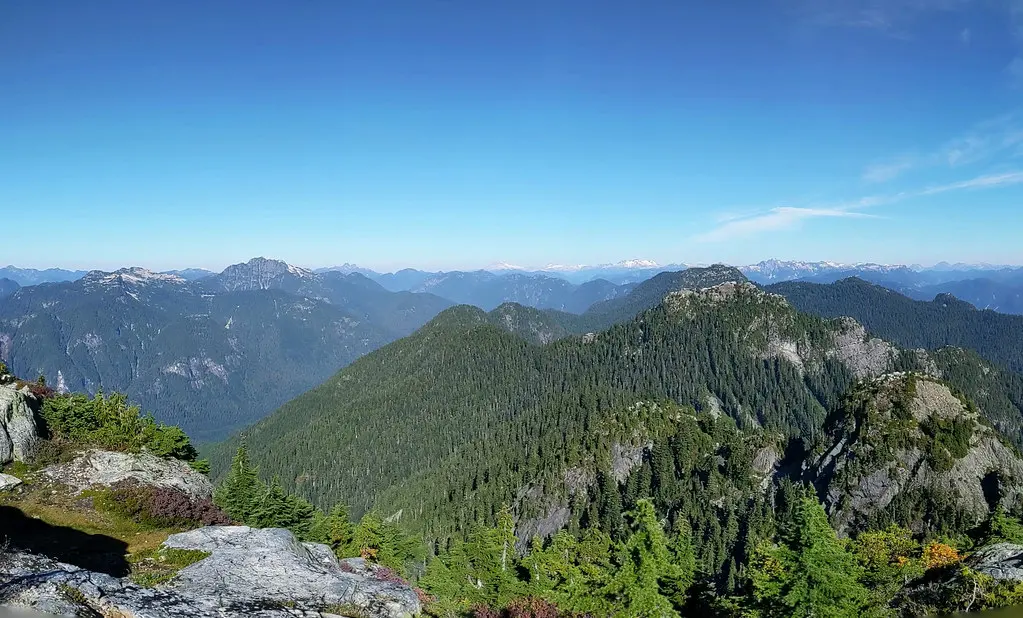
Mount Seymour is a premier destination within Mount Seymour Provincial Park, located in the District of North Vancouver. It serves as a vital outdoor hub for locals and tourists alike, offering a distinct escape into the rugged North Shore Mountains. Unlike its neighboring peaks, Seymour is celebrated for its manageable scale and proximity to urban amenities, making it ideal for those who want a wilderness experience without the logistical burden of a multi-day expedition. The mountain is particularly famous for its panoramic vistas, which look out over the Burrard Inlet, the Strait of Georgia, and the sprawling metropolitan landscape.
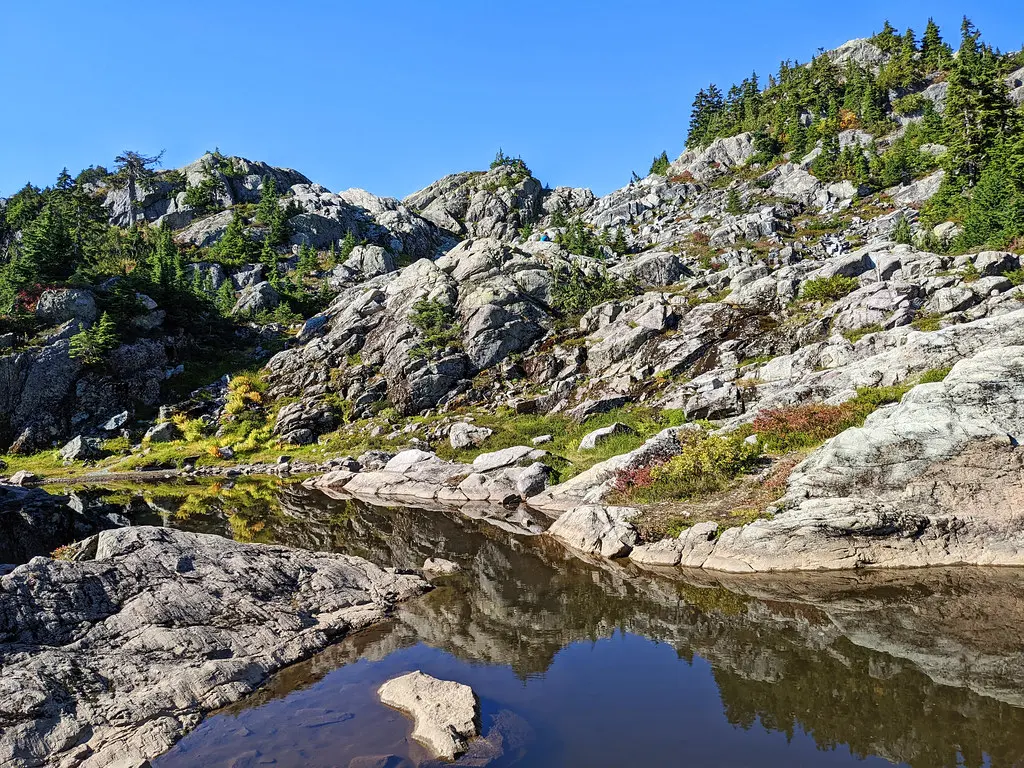
The park encompasses over 3,500 hectares of protected land, featuring a complex network of trails that cater to varying skill levels. During the summer, the sub-alpine meadows bloom with vibrant wildflowers, while the winter months transform the slopes into a snowy playground. Because the mountain is situated at a higher elevation than the city, it often provides a refreshing change in temperature and air quality. Whether you are a photographer looking for the perfect sunset shot or a nature enthusiast interested in old-growth forests, the mountain offers a unique vantage point that captures the essence of British Columbia’s geography.
How long does it take to hike Mount Seymour
The time required to explore the mountain depends entirely on the specific trail you choose and your personal fitness level. For casual visitors, the walk to the First Peak is the most popular choice, typically requiring 3 to 4 hours for a round trip. If you intend to summit all three peaks—First, Second, and Third—you should budget at least 5 to 6 hours to account for the technical terrain and time spent enjoying the summit views. It is important to note that trail conditions can significantly impact your pace, especially during the shoulder seasons when mud or lingering snow may be present.
To ensure you have a safe and efficient trip, follow these timing considerations:
- First Peak: 4-5 km round trip, 2.5–3 hours.
- Second Peak: 6 km round trip, 3.5–4.5 hours.
- Third Peak: 8-9 km round trip, 5–6 hours.
- Always add an extra hour for breaks and unexpected weather delays.
Always check the current park status before departing, as trail maintenance or seasonal closures can alter your planned route. Starting early in the morning is highly recommended to avoid the midday heat and the peak crowds that often gather on weekends.
Best activities for beginners
Mount Seymour is an excellent entry point for those new to mountain recreation, particularly during the winter season. The Mount Seymour Resort operates a dedicated ski area that is widely considered the most family-friendly on the North Shore. Beginners can take advantage of professional ski and snowboard lessons, which are designed to build confidence on the gentle slopes of the lower mountain. The resort also offers a dedicated snowshoeing network, allowing visitors to explore the serene, snow-covered forest trails without needing the technical skills required for downhill skiing or backcountry touring.
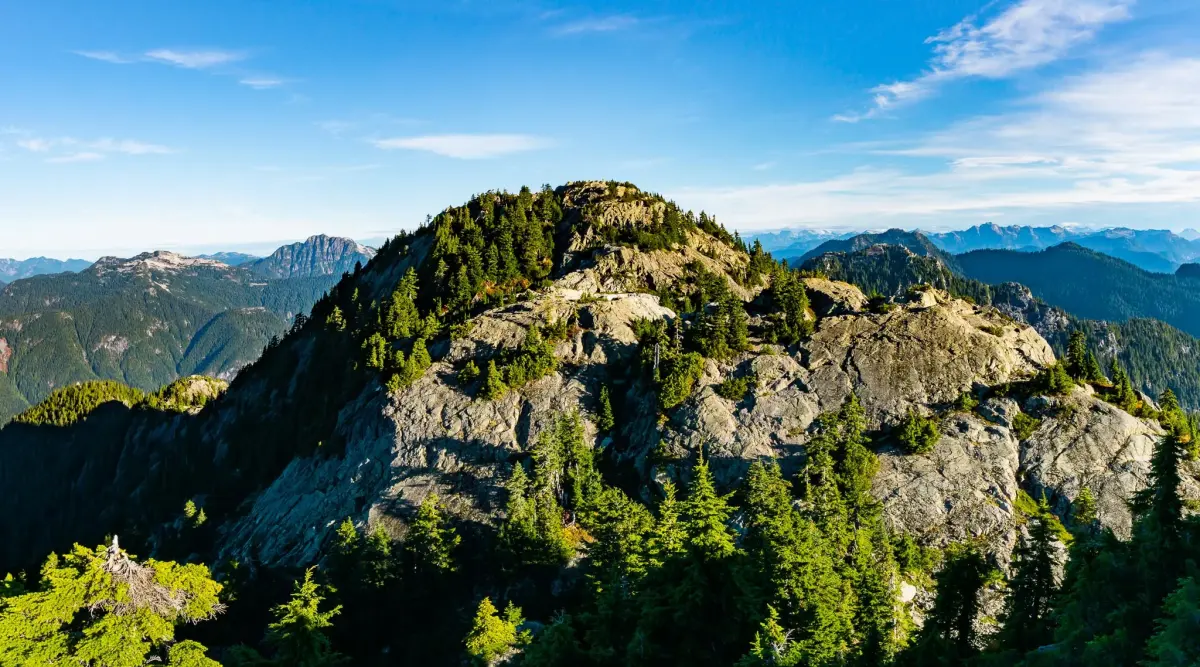
During the warmer months, beginners should stick to the well-marked and maintained trails that lead to the lower viewpoints. These paths are clearly signed and provide a gradual introduction to the mountain’s terrain. If you are new to hiking, follow these simple steps to ensure a positive experience:
- Wear sturdy, broken-in hiking boots with good ankle support.
- Carry a small daypack with at least one liter of water and a high-energy snack.
- Bring a light rain jacket, as weather in the mountains can change rapidly regardless of the forecast.
- Stick to the marked trails to protect the fragile alpine vegetation and avoid getting lost.
Common mistakes when visiting Mount Seymour
One of the most frequent errors visitors make is underestimating the mountain’s weather. Even on a sunny day in downtown Vancouver, the summit of Mount Seymour can be significantly colder, windier, and shrouded in thick fog. Many hikers arrive in light clothing, only to find themselves shivering once they reach the exposed ridge lines. Always pack an extra layer, such as a fleece or a windbreaker, and check the mountain-specific weather forecast rather than relying on the city’s general report. Failing to prepare for these temperature drops is the leading cause of discomfort and potential safety issues for unprepared tourists.
Another common mistake is neglecting to bring the "Ten Essentials" for outdoor safety. Visitors often assume that because the mountain is close to the city, they do not need to carry emergency gear. However, the terrain is rugged and cell service can be spotty. To avoid unnecessary risks, ensure you have a map, a compass or GPS, a headlamp with extra batteries, and a basic first-aid kit. Additionally, many people fail to account for the parking situation; the lots fill up extremely quickly on sunny weekends. Arriving before 8:00 AM is often the only way to guarantee a spot during the peak summer and winter seasons.
How to get to Mount Seymour
Accessing the mountain is straightforward, provided you have a reliable vehicle. From downtown Vancouver, take the Trans-Canada Highway (Highway 1) east and take Exit 22 for Mount Seymour Parkway. Follow the signs for Mount Seymour Road, which is a winding, paved road that takes you directly to the main parking areas at the base of the resort. The drive typically takes 30 to 45 minutes depending on traffic. If you are visiting during the winter, you must carry winter tires, as the road can become icy and the local authorities strictly enforce tire requirements for safety.
For those without a car, public transportation options are limited, though the resort sometimes operates a shuttle service during the peak ski season. It is advisable to check the official resort website for current shuttle schedules and pricing before planning your trip. If you choose to use ride-sharing services, be aware that getting a return trip from the mountain can be difficult due to limited connectivity at the trailhead. Regardless of your mode of transport, always ensure you have a clear plan for your return journey before you begin your ascent, as the mountain becomes significantly more challenging to navigate once the sun begins to set.
Key facts
- Mount Seymour is located within Mount Seymour Provincial Park, roughly 30 minutes by car from downtown Vancouver.
- The peak elevation of the mountain is 1,449 meters (4,754 feet) above sea level.
- The area features a ski resort that offers 200 acres of skiable terrain and 40 hectares of night skiing.
- During summer months, the park provides over 40 kilometers of hiking trails ranging from beginner to advanced difficulty.
- Visitors must purchase a parking pass during the winter season to manage high traffic volumes on the access road.
- The mountain is a popular destination for snowshoeing, with dedicated trails that lead to scenic viewpoints like Dog Mountain.
The bottom line
Mount Seymour is an excellent destination for outdoor enthusiasts seeking accessible adventure near Vancouver. Whether you are hitting the slopes for winter sports or exploring alpine trails during the summer, the mountain offers diverse experiences for all skill levels. By checking weather conditions, preparing your vehicle for mountain roads, and arriving early to secure parking, you can enjoy a safe and rewarding visit to this scenic provincial park.
People also ask
Is Mount Seymour suitable for beginner skiers?
Yes, the resort features a dedicated learning area and gentle slopes designed for novices. It is widely considered one of the most family-friendly ski hills in the Vancouver area.
Do I need special equipment to visit in the winter?
You should carry tire chains or ensure your vehicle has winter-rated tires, as the access road can become icy. If you plan to hike, micro-spikes or snowshoes are essential for safety on packed snow.
Are dogs allowed on the trails?
Dogs are permitted on most trails within the provincial park, provided they remain on a leash. Some specific areas may have restrictions, so always check the posted signage at the trailhead.
What is the best time of year to visit for hiking?
The optimal window for hiking is from July through September. During these months, the snow has typically melted from the higher elevations, revealing the full extent of the alpine trails.
Is there public transportation to the mountain?
Public transit access is limited compared to other local mountains. While a seasonal shuttle service sometimes operates, most visitors find that driving or using a ride-sharing service is the most reliable method.
Can I go backcountry skiing on Mount Seymour?
Yes, there are popular backcountry routes, but they require significant experience and avalanche safety gear. You must check the current avalanche forecast before heading beyond the resort boundaries.
This answer was created with the help of AI research tools and reference sources. Spotted an error? Let us know — we correct mistakes quickly. See our editorial policy.