Is Strathcona in Vancouver worth visiting?
Short answer
Strathcona is absolutely worth visiting for travelers seeking an authentic, historic experience away from typical tourist hubs. As Vancouver’s oldest residential neighborhood, it offers a compelling mix of preserved Victorian architecture, vibrant street art, and a burgeoning culinary scene. It is an ideal destination for those who value local culture and heritage.

On this page
What is the history of Strathcona?
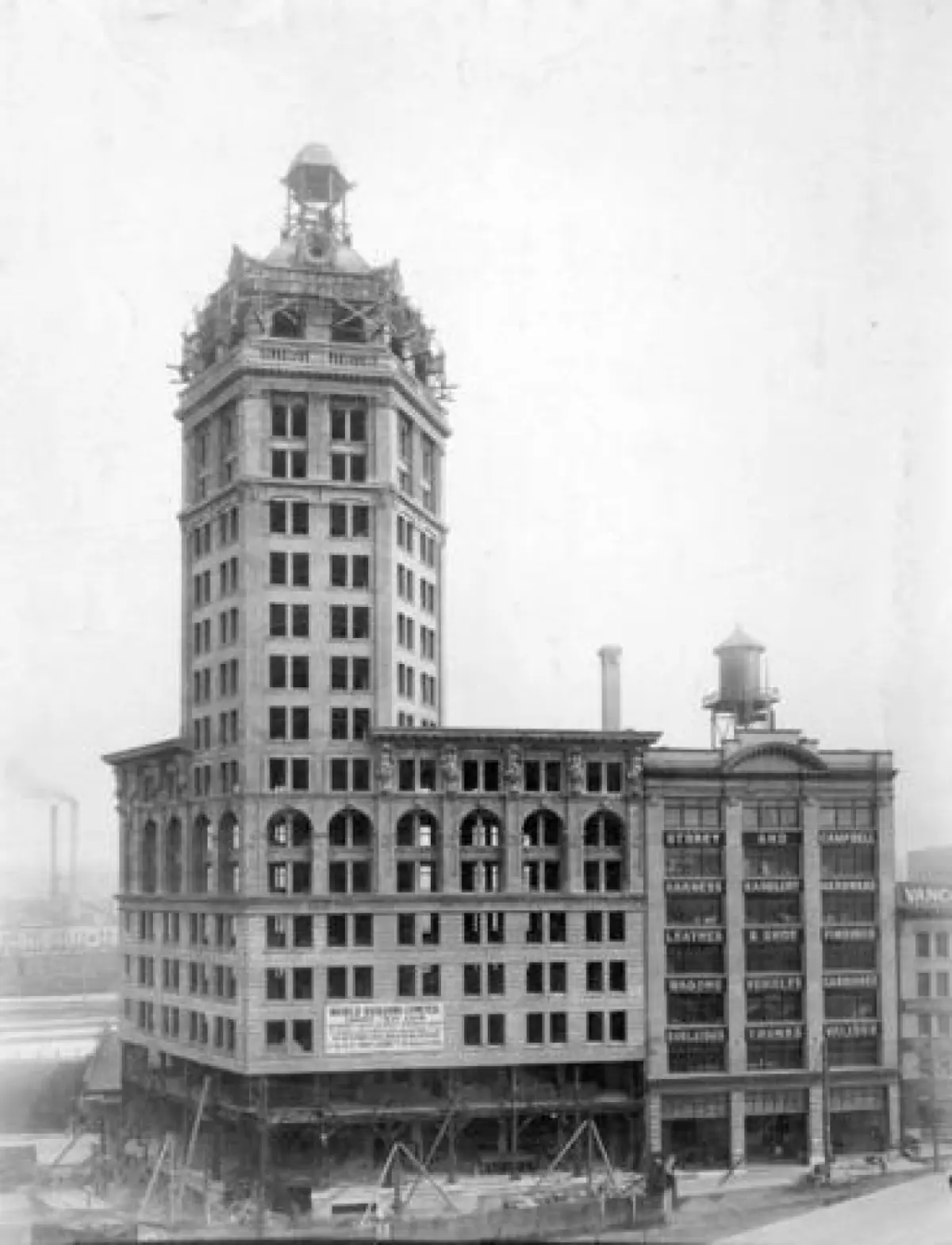
Strathcona holds the distinction of being the oldest residential neighborhood in Vancouver, with roots dating back to the late 19th century. Originally known as the East End, the area served as the primary home for early laborers, immigrants, and families who built the city’s industrial foundation. Today, it remains a protected heritage zone, featuring an impressive collection of well-preserved Victorian and Edwardian homes that provide a rare glimpse into the city's architectural past.
Walking through the streets, visitors can observe the evolution of the neighborhood from a bustling working-class hub to a tight-knit community of artists and families. The area is defined by its narrow, tree-lined streets and colorful houses that stand in stark contrast to the glass towers of downtown. Notable landmarks include:
- The Strathcona Community Garden, one of the oldest in the city.
- The historic Union Street houses.
- The various murals that decorate the brick facades of industrial buildings.
How to explore Strathcona on foot
The best way to appreciate the neighborhood’s character is by walking the grid of residential streets. Start your journey at the intersection of Keefer and Hawks streets to see the heart of the historic district. From there, head south toward the community gardens, where you can witness the neighborhood’s commitment to urban agriculture. The terrain is relatively flat, making it accessible for most visitors, though the sidewalks can be narrow in certain sections.
To make the most of your walking tour, follow these steps:
- Begin at the corner of Pender and Heatley to view the oldest residential architecture.
- Walk east along Union Street to see the community-led greening projects.
- Head toward the industrial edge near East Hastings to find local coffee roasters and artisan shops.
- Conclude your walk at MacLean Park, a quiet green space perfect for resting.
Where to eat and drink in Strathcona
Strathcona has transformed into a culinary destination known for its independent spirit and high-quality craftsmanship. Unlike the polished dining rooms of Yaletown, the establishments here are often tucked into converted warehouses or unassuming storefronts. The neighborhood is particularly famous for its craft breweries and artisanal bakeries that prioritize local ingredients and small-batch production.
When visiting, prioritize these types of establishments:
- Independent coffee roasters that source beans directly from growers.
- Craft breweries that utilize the area’s industrial heritage for their taprooms.
- Small-scale bakeries specializing in sourdough and seasonal pastries.
- Casual eateries serving fusion cuisine that reflects the neighborhood's diverse history.
Visitors should note that many of these businesses operate on limited hours, particularly on weekdays, so checking social media or websites before arriving is highly recommended.

Common mistakes when visiting Strathcona
One of the most frequent errors visitors make is confusing Strathcona with the adjacent Downtown Eastside. While they share a border, the two areas have very different atmospheres and safety profiles. Tourists should remain aware of their surroundings, particularly as they move closer to the northern boundaries near East Hastings Street, where social challenges are more visible. Always stay on the main thoroughfares during your walk and avoid wandering into poorly lit alleys or isolated industrial zones after dark.
Another common mistake is expecting a traditional shopping district. Strathcona is primarily a residential community, meaning there are no large malls or chain stores. If you are looking for a high-end retail experience, you will be disappointed. Instead, embrace the neighborhood's quiet, local pace. Do not attempt to photograph private residences without permission, as the residents take great pride in their privacy and the historic nature of their homes.
Why Strathcona is a photographer's dream
The neighborhood offers a unique aesthetic that is difficult to replicate elsewhere in Vancouver. The combination of weathered brick, vibrant street art, and lush, overgrown gardens provides endless opportunities for candid photography. Because the area is not heavily populated by tourists, you can often capture scenes of daily life without the interference of large crowds. The light in the morning is particularly striking as it hits the pastel-colored Victorian homes.
When documenting your visit, consider focusing on these elements:
- The contrast between the historic Victorian houses and the modern street art murals.
- The intricate woodwork and decorative details on the heritage homes.
- The community-led urban gardens that showcase the neighborhood's green initiatives.
- The industrial textures of the converted warehouses that now house creative studios.
By focusing on these details, you will capture the true essence of Strathcona, which is a blend of historical preservation and modern, community-driven creativity that defines this unique corner of Vancouver.
Key facts
- Strathcona is Vancouver’s oldest residential neighborhood, officially established in the 1870s.
- The area features the highest concentration of Victorian-era houses in the city, many dating back to the late 19th century.
- Visit the Strathcona Community Garden, one of the oldest and largest community-managed gardens in Vancouver.
- Walk along East Hastings Street to find a dense cluster of independent coffee shops, craft breweries, and artisanal bakeries.
- Avoid walking alone late at night in the blocks immediately adjacent to the Downtown Eastside, as the area experiences significant social challenges.
- Use public transit or a bicycle to reach the neighborhood, as street parking is limited and often restricted to permit holders.
The bottom line
Strathcona is a rewarding destination for travelers who appreciate historic architecture, local art, and an authentic, gritty urban atmosphere. While it lacks the glitz of downtown, its Victorian houses and independent businesses offer a unique window into Vancouver’s past and present. By sticking to daylight hours and focusing on the residential core, you will find a vibrant, community-focused neighborhood that feels distinctly different from the rest of the city.
People also ask
Is Strathcona considered a safe neighborhood for tourists?
Strathcona is generally safe during daylight hours, especially along the residential streets and commercial corridors. However, visitors should remain aware of their surroundings, particularly near the western edge of the neighborhood where homelessness and public drug use are prevalent.
What is the best way to explore the architecture in Strathcona?
The most effective way to see the historic homes is by taking a self-guided walking tour starting at the intersection of Keefer and Hawks streets. Focus your route on the 600 to 900 blocks of Keefer and Harris streets to view the best-preserved examples of Queen Anne and Edwardian architecture.
Are there any notable restaurants or cafes in the area?
Yes, the neighborhood is a hub for local food culture, featuring popular spots like The Wilder Snail for coffee and light lunches. You will also find high-quality craft beer at nearby breweries like Strange Fellows, which is located just on the border of the district.
How do I get to Strathcona using public transportation?
You can take the R5 RapidBus or the number 14 bus along Hastings Street, which drops you off in the heart of the neighborhood. Alternatively, the area is easily accessible via the Adanac Bikeway, a major east-west cycling route that runs directly through the center of the district.
Can I visit the Strathcona Community Garden?
Yes, the garden is open to the public and serves as a peaceful green space for residents and visitors alike. It is located between Prior and Keefer streets and offers a unique look at the neighborhood’s commitment to urban agriculture and community building.
What is the significance of the Strathcona Residents’ Association?
This organization has been vital in preserving the neighborhood's historic character since the 1970s, successfully preventing large-scale demolition projects. Their advocacy ensures that the area retains its unique architectural heritage and community-focused atmosphere despite ongoing city development.
This answer was created with the help of AI research tools and reference sources. Spotted an error? Let us know — we correct mistakes quickly. See our editorial policy.
![18 Important Things To Know Before Visiting Buenos Aires [2026 Update]](/img/ac/what-is-buenos-aires-known-for-1.webp)