What is the provincial flower of BC?
Short answer
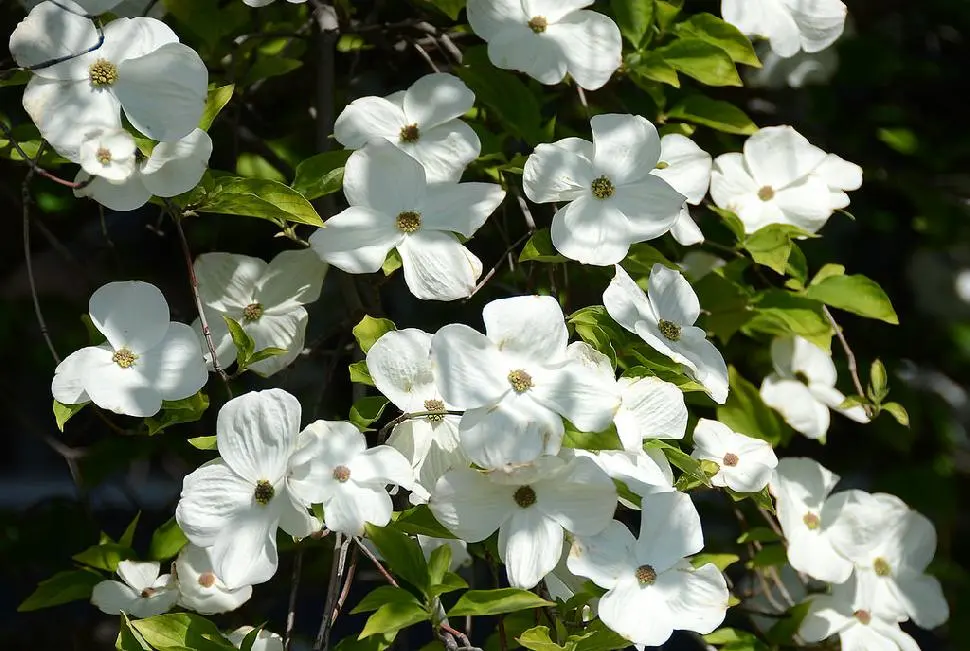
The Pacific dogwood, scientifically known as Cornus nuttallii, is the official provincial flower of British Columbia. Adopted in 1956, this native tree species is celebrated for its large, showy white bracts that bloom each spring. It serves as a protected floral emblem, representing the natural beauty and ecological diversity of the province.

On this page
What does the Pacific dogwood look like?
The Pacific dogwood is a deciduous tree that typically grows between 10 and 25 meters tall. Its most distinctive feature is the spring bloom, which consists of four to seven large, white, petal-like structures called bracts. These surround a central cluster of small, greenish-yellow flowers. While many people mistake the white bracts for petals, they are actually specialized leaves designed to attract pollinators.
During the autumn months, the tree undergoes a dramatic transformation. The leaves turn vibrant shades of orange and red, providing a striking contrast to the forest canopy. The tree also produces clusters of small, bright red berries that serve as an essential food source for local bird species. Identifying the tree is relatively straightforward if you observe these key physical characteristics:
- Oval-shaped leaves with prominent, curved veins.
- A smooth, greyish-brown bark that becomes slightly scaly with age.
- A distinct, spreading branch structure that creates a layered appearance.
When does the Pacific dogwood bloom?
The blooming season for the Pacific dogwood typically occurs between April and June, depending on the elevation and local climate. In lower-lying coastal areas, you might see the first white bracts appearing as early as mid-April. In higher mountainous regions, the flowering process is delayed, often peaking in late May or early June. This period of bloom is highly anticipated by residents as a true sign of spring.
The duration of the bloom can be influenced by weather conditions such as late frosts or heavy spring rains. If the weather remains cool and stable, the bracts can remain on the tree for several weeks. However, intense wind or heat can cause the display to fade more quickly. To catch the bloom at its peak, consider visiting provincial parks or botanical gardens during these specific times:
- Mid-April: Check coastal parks near sea level.
- Early May: Explore mid-elevation forests and trails.
- Late May: Travel to higher interior elevations where the season arrives last.
Where can you find the Pacific dogwood?
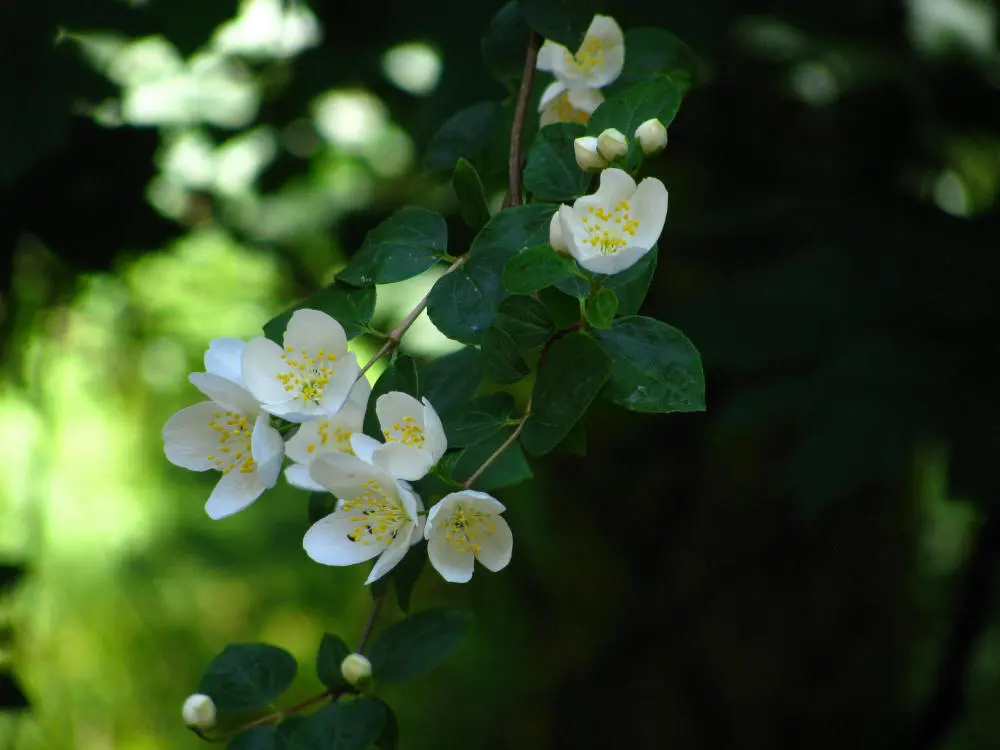
This species is native to the western coast of North America, stretching from southern British Columbia down to California. In British Columbia, it thrives primarily in the moist, well-drained soils of the coastal regions. You will most commonly find it growing in the understory of coniferous forests, often alongside Douglas fir and western red cedar trees. It prefers areas with partial shade, though it can tolerate full sun if the soil moisture is sufficient.
While the Pacific dogwood is a symbol of the province, it has become increasingly rare in the wild due to a fungal disease known as dogwood anthracnose. This disease causes leaf spots and twig dieback, which can eventually kill the tree. Because of this, conservation efforts are focused on protecting existing stands and encouraging the planting of resistant varieties in urban gardens. If you are hiking in the Lower Mainland or on Vancouver Island, keep an eye out for these trees in protected parklands.
How to grow a Pacific dogwood at home
Growing a Pacific dogwood in a home garden requires careful attention to site selection and soil preparation. Because the tree is sensitive to root disturbance, it is best to plant it in a permanent location while it is still young. Choose a spot that receives morning sun and afternoon shade, as this mimics the tree's natural forest-edge habitat. Ensure the soil is rich, acidic, and well-draining to prevent root rot.
When planting, follow these steps to ensure the tree establishes successfully:
- Dig a hole twice as wide as the root ball but no deeper.
- Gently loosen the roots if they are circling the container.
- Place the tree in the hole and backfill with native soil mixed with organic compost.
- Water deeply immediately after planting and apply a layer of mulch around the base.
- Avoid piling mulch against the trunk, as this can encourage disease and pest issues.
Common mistakes when caring for dogwoods
One of the most frequent mistakes gardeners make is overwatering or underwatering the tree during its first few years. While the Pacific dogwood likes moisture, it cannot tolerate "wet feet" or stagnant water in the root zone. Conversely, allowing the soil to dry out completely during a hot summer will stress the tree and make it more susceptible to pests. Monitoring the moisture level of the top few inches of soil is the best way to determine when to water.
Another common error involves improper pruning, which can leave the tree vulnerable to fungal infections. You should only prune during the dormant winter months to minimize the risk of spreading spores. Always use clean, sterilized tools and avoid cutting large, healthy branches unless absolutely necessary for the tree's safety. By following these basic care guidelines, you can help preserve the health of this iconic symbol of British Columbia for years to come.
Key facts
- The Pacific dogwood (Cornus nuttallii) is the official provincial flower of British Columbia.
- It was officially adopted as the floral emblem on March 2, 1956.
- The tree typically grows to heights of 10 to 20 meters in the wild.
- Its "flowers" are actually clusters of small, greenish-yellow blossoms surrounded by four to eight large, white, petal-like bracts.
- The species is native to the coastal regions of the Pacific Northwest, ranging from British Columbia to California.
- It is illegal to pick or damage the Pacific dogwood in British Columbia under the Dogwood Protection Act.
The bottom line
The Pacific dogwood stands as a protected symbol of British Columbia's natural heritage. Recognized by its distinct, large white bracts, this tree thrives in the coastal climate of the Pacific Northwest. While it remains a beautiful sight in the wild, its status as a protected species means that enthusiasts should admire it in place rather than attempting to harvest or transplant it from the forest.
People also ask
Why is the Pacific dogwood protected by law?
The provincial government enacted the Dogwood Protection Act to prevent the over-harvesting and destruction of these trees. Because they are slow-growing and sensitive to environmental changes, the law ensures their preservation for future generations.
Where is the best place to see a Pacific dogwood in bloom?
You can find these trees in open forests and along the edges of clearings throughout coastal British Columbia. They are particularly visible in the spring, typically between April and June, when the white bracts are in full display.
Does the Pacific dogwood produce fruit?
Yes, the tree produces clusters of bright red, berry-like fruits in the autumn. These berries are a vital food source for local bird populations, including robins and band-tailed pigeons.
Can I plant a Pacific dogwood in my home garden?
While possible, they are notoriously difficult to cultivate because they are highly susceptible to dogwood anthracnose, a fungal disease. It is best to consult a local nursery for disease-resistant cultivars or specific soil requirements before planting.
Are there other types of dogwood trees in British Columbia?
Yes, the red-osier dogwood is another common species found in the province. Unlike the Pacific dogwood, it is a shrub that thrives in wet soil and is often used for landscaping and erosion control.
What should I avoid when caring for a Pacific dogwood?
Avoid over-watering the base of the tree, as this encourages fungal growth and root rot. Additionally, never prune the tree during the wet season, as open wounds are highly vulnerable to infection from spores.
This answer was created with the help of AI research tools and reference sources. Spotted an error? Let us know — we correct mistakes quickly. See our editorial policy.