Who invented the first vaccine?
Short answer
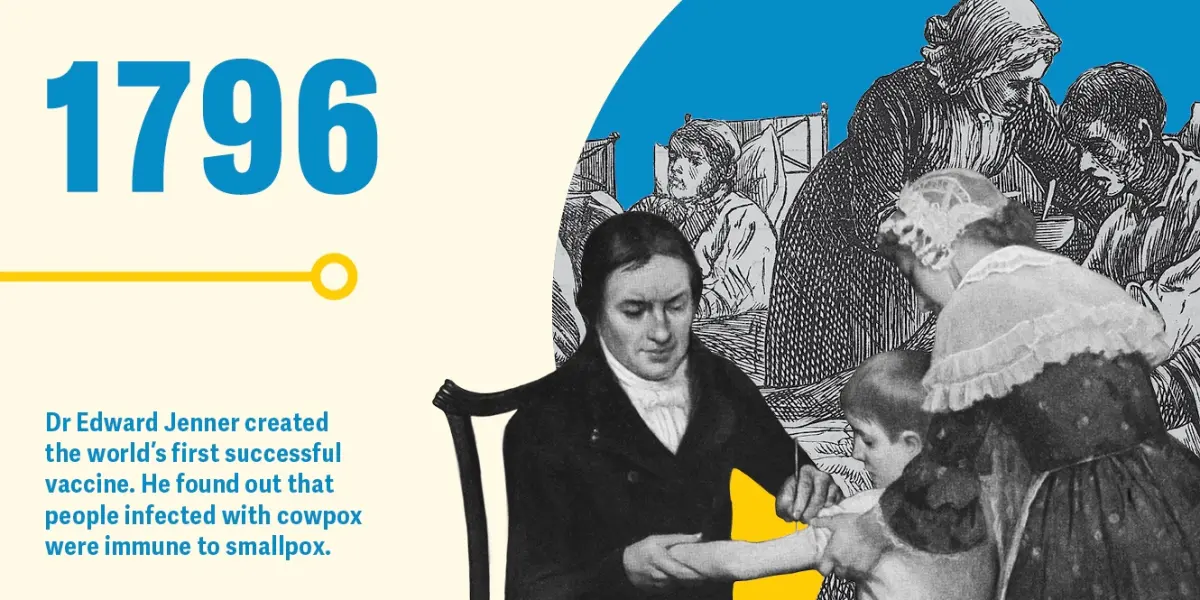
Edward Jenner, an English physician, is credited with inventing the first successful vaccine in 1796. By inoculating a young boy with cowpox matter, he demonstrated that it provided immunity against the deadly smallpox virus. This breakthrough laid the foundation for the field of immunology and the global eradication of smallpox.
On this page
Who invented the first vaccine?
Edward Jenner is widely recognized as the father of immunology for his work in the late 18th century. While he is often cited as the inventor, he built upon centuries of traditional practices known as variolation. In many parts of Asia and Africa, people had long practiced infecting healthy individuals with small amounts of smallpox material to induce a milder form of the disease. Jenner’s innovation was shifting this practice from the dangerous smallpox virus to the much milder cowpox virus.
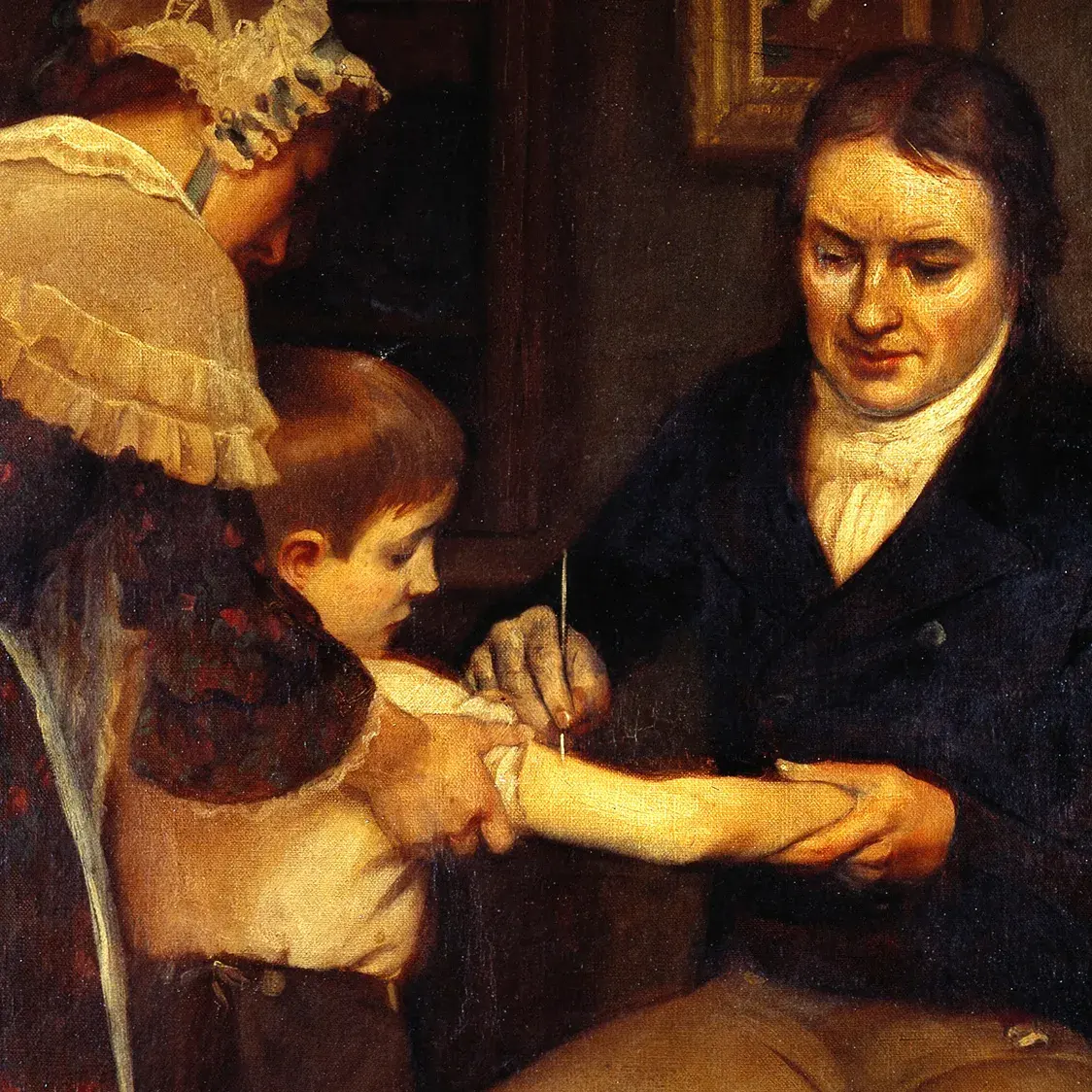
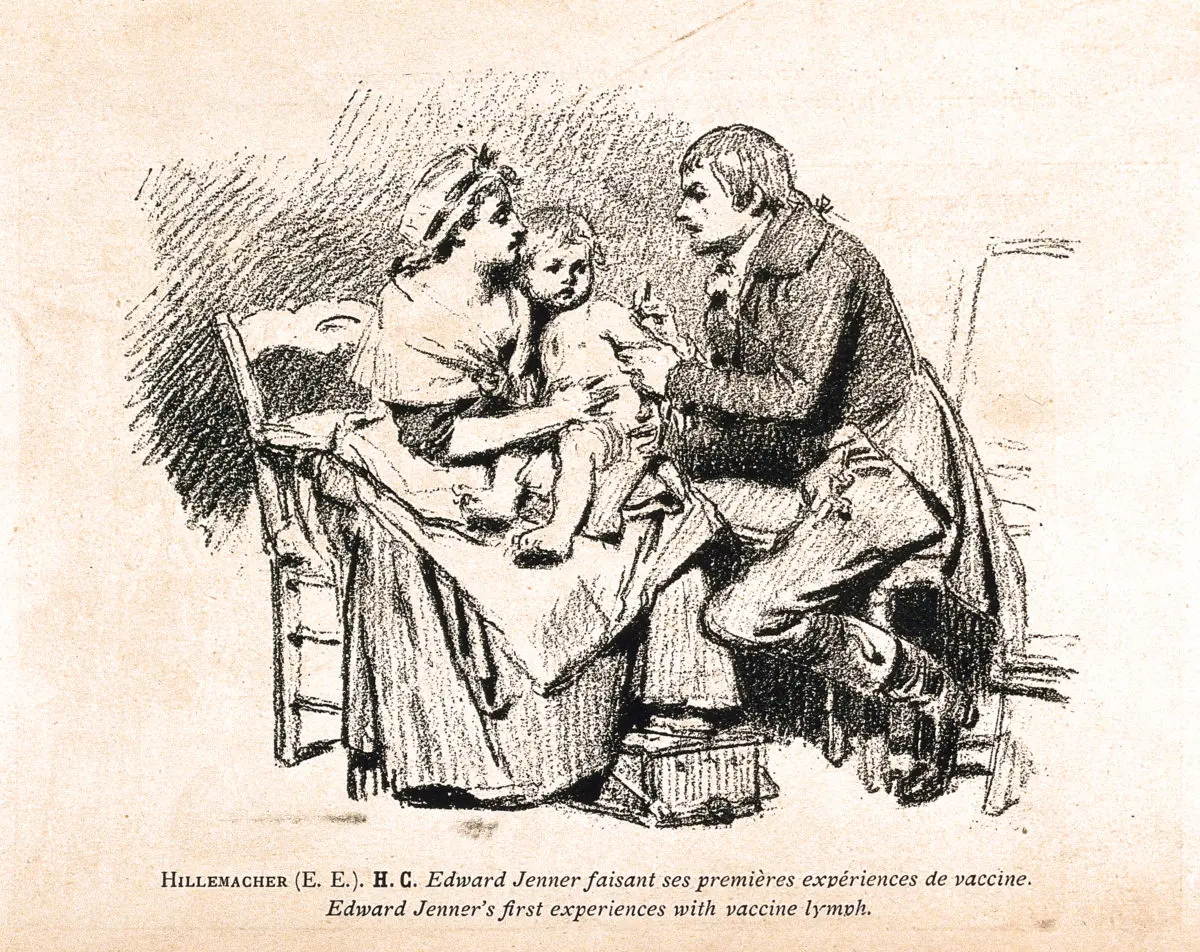
Jenner observed that milkmaids who contracted cowpox from cattle seemed immune to smallpox. In May 1796, he tested this hypothesis by taking pus from a cowpox lesion on a milkmaid’s hand and injecting it into James Phipps, an eight-year-old boy. Months later, Jenner exposed Phipps to smallpox, and the boy showed no signs of illness. This experiment proved that a related, less harmful virus could confer protection against a more lethal pathogen.
How did the first vaccine work?
The mechanism behind Jenner’s vaccine relied on the biological similarity between the cowpox and smallpox viruses. When the cowpox virus enters the body, the immune system recognizes it as a foreign threat and produces antibodies. Because the two viruses are structurally similar, these antibodies also work to neutralize the smallpox virus if the person is exposed to it later. This process is known as cross-immunity.
Modern vaccines have evolved significantly, but they still follow this fundamental principle of training the immune system. Instead of using live, related viruses, today’s vaccines often use inactivated pathogens, pieces of viral protein, or genetic instructions like mRNA. These methods safely trigger an immune response without causing the disease itself. The process involves several key stages:
- Recognition of the antigen by the immune system.
- Activation of specialized white blood cells, including B cells and T cells.
- Production of memory cells that remain in the body for long-term protection.
Why is vaccination so important today?
Vaccination is the most effective public health tool for preventing the spread of infectious diseases. By creating "herd immunity," vaccines protect not only the individual but also the community, especially those who cannot be vaccinated due to medical conditions. When a high percentage of a population is immune, the pathogen struggles to find new hosts, effectively breaking the chain of transmission.
The impact of vaccines on global health is immense, as they have drastically reduced mortality rates for once-common childhood diseases. Before the widespread use of vaccines, illnesses like measles, polio, and diphtheria claimed millions of lives annually. Today, these diseases are largely controlled or, in the case of smallpox, entirely eradicated from the human population. The success of these programs relies on consistent global participation and public trust in scientific evidence.
Common mistakes when discussing vaccine history
A frequent misunderstanding is the belief that Jenner was the first person to ever attempt immunization. While he created the first scientific vaccine, the practice of variolation predates his work by centuries. Confusing these two distinct methods can lead to inaccuracies regarding the evolution of medicine. It is essential to distinguish between the risky practice of using live smallpox and the safer, systematic use of cowpox.
Another common error is assuming that the term "vaccine" existed before Jenner. He actually coined the term himself, deriving it from the Latin word "vacca," which means cow. When evaluating historical medical breakthroughs, keep these points in mind:
- Do not equate ancient variolation with modern vaccination techniques.
- Avoid attributing the invention to a single moment, as it was the culmination of years of observation.
- Recognize that the transition from observation to controlled experimentation was the true scientific milestone.
- Always verify the distinction between live-virus inoculation and modern synthetic vaccine development.
How to learn more about vaccine science
For those interested in the history and future of immunology, there are many reputable resources available. Start by exploring the archives of major public health organizations, which provide detailed timelines of how specific vaccines were developed. Understanding the rigorous testing phases—such as clinical trials and peer-reviewed studies—can help clarify why modern vaccines are considered safe and effective for the general public.
If you are researching this topic, focus on the transition from the 18th-century cowpox experiments to the development of the germ theory of disease in the 19th century. Scientists like Louis Pasteur later expanded on Jenner’s work by developing vaccines for rabies and anthrax. By studying these figures, you gain a comprehensive view of how human ingenuity has managed to control the microscopic threats that once dictated the course of human history. Engaging with these historical narratives provides a deeper appreciation for the medical advancements that define modern life.
Key facts
- Edward Jenner is widely credited with creating the first successful vaccine in 1796.
- He used cowpox material to provide immunity against the more dangerous smallpox virus.
- The term "vaccine" comes from the Latin word "vacca," which means cow.
- Before vaccines, people practiced variolation, which involved intentionally infecting someone with smallpox matter.
- Jenner’s method was safer than variolation because cowpox rarely caused severe illness in humans.
- Vaccination is a preventative measure, not a cure for an active infection.
The bottom line
Edward Jenner transformed medical history in 1796 by proving that cowpox exposure provided immunity to smallpox. This discovery laid the foundation for modern immunology, shifting medicine from reactive treatments to proactive prevention. By training the immune system to recognize threats early, vaccines have successfully eradicated deadly diseases and extended human life expectancy globally. Understanding this history highlights the vital role of scientific observation in public health.
People also ask
How did Edward Jenner test his theory?
Jenner took pus from a cowpox lesion on a milkmaid's hand and inoculated an eight-year-old boy. After the boy recovered from the mild cowpox, Jenner exposed him to smallpox, and the boy did not develop the disease.
What is the difference between a vaccine and a medicine?
A vaccine trains your immune system to recognize and fight specific pathogens before you get sick. Medicine is typically used to treat an illness or manage symptoms after an infection has already occurred.
Why was the smallpox vaccine so significant?
It was the first time a disease was successfully prevented through controlled immunization. This breakthrough eventually led to the global eradication of smallpox in 1980.
Are vaccines always 100 percent effective?
No vaccine is perfectly effective for everyone. Factors like age, immune system health, and the specific pathogen can influence how well a person responds to a vaccine.
What is the most common mistake people make regarding vaccines?
A common mistake is believing that vaccines cause the diseases they are meant to prevent. Modern vaccines use weakened or inactive parts of a germ that cannot trigger the full disease.
Can you get a vaccine if you are already sick?
It is generally recommended to wait until you have recovered from an acute illness before receiving a vaccine. Consult a healthcare provider to ensure your immune system is ready to respond effectively.
This answer was created with the help of AI research tools and reference sources. Spotted an error? Let us know — we correct mistakes quickly. See our editorial policy.