Are great white sharks dangerous to humans?
Short answer
Great white sharks are capable of inflicting fatal injuries on humans, but they rarely target people as prey. Most encounters are investigative bites rather than predatory attacks. While the risk of a shark bite is statistically extremely low, the immense size and power of these apex predators necessitate caution in their habitats.
On this page
Are great white sharks dangerous to humans?
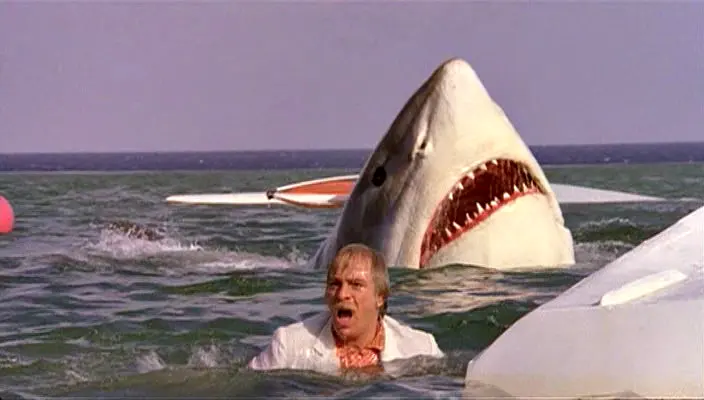
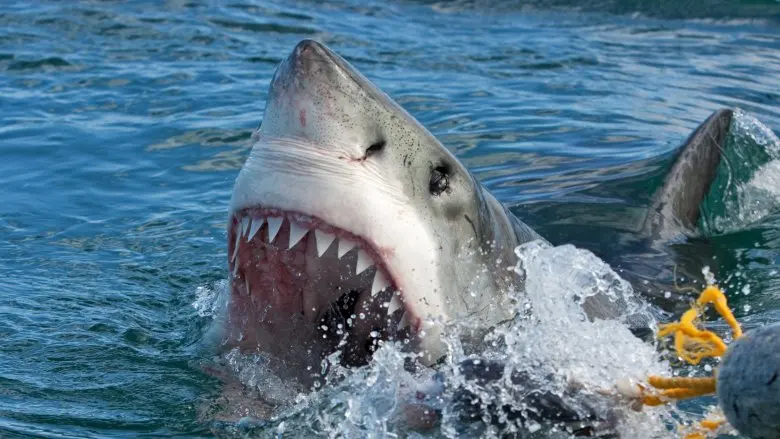
Great white sharks (Carcharodon carcharias) are apex predators that occupy the top of the marine food chain. Their biological design, characterized by serrated teeth and powerful jaws, makes them physically capable of causing severe harm to humans. However, sharks do not naturally hunt humans; they typically feed on seals, sea lions, and fish. When a shark attacks a human, it is often a case of mistaken identity, where the shark confuses a human silhouette with its typical prey.
Despite their fearsome reputation, the actual frequency of unprovoked attacks is remarkably low. Globally, there are usually fewer than 100 unprovoked shark attacks reported annually across all species, with great whites responsible for only a fraction of that total. Most encounters result in minor injuries rather than fatalities. The shark often releases the human immediately after realizing the target is not a preferred food source, as humans lack the high-fat blubber content that sharks require for energy.
How do shark attacks happen?
Shark attacks often occur due to "exploratory biting." Because sharks lack hands, they use their mouths to investigate unfamiliar objects in their environment. A great white may bite a surfboard or a swimmer to test the texture and taste of the object. Unfortunately, because of the shark's size and the sharpness of its teeth, even a gentle exploratory bite can cause significant tissue damage or blood loss to a human.
Environmental factors also play a critical role in these interactions. Sharks are more active during dawn and dusk, times when their hunting success is highest. Murky water, river mouths, and areas with high seal populations increase the likelihood of an encounter. When visibility is poor, a shark may be unable to distinguish a human from a seal, leading to a higher probability of an investigative strike.
How to stay safe in the water
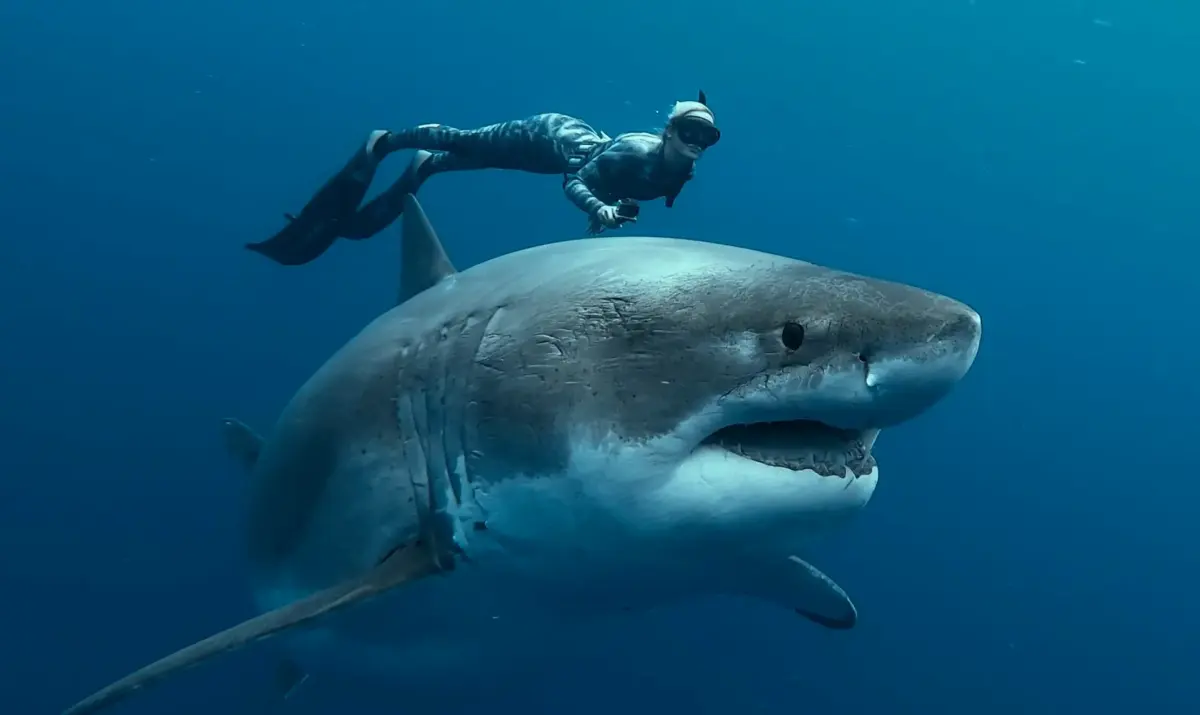
While the risk is low, swimmers and surfers can take proactive steps to minimize the chances of an unwanted interaction. Understanding the behavior of the ocean environment is the most effective way to remain safe. By following these guidelines, you can significantly reduce your risk profile:
- Avoid swimming during dawn, dusk, or night, when sharks are most active.
- Stay out of the water if you have an open wound or are bleeding, as sharks have a keen sense of smell.
- Avoid areas where seals or sea lions are present, as these are primary food sources for great whites.
- Do not swim near commercial fishing operations or areas where bait is being used.
- Stay in groups, as sharks are less likely to approach a larger cluster of people.
Common mistakes when swimming in shark territory
Many people inadvertently increase their risk by ignoring environmental cues. One common mistake is entering the water near a colony of pinnipeds, such as seals or sea lions. These animals are the primary prey for adult great white sharks, and the presence of these mammals is a strong indicator that a shark may be in the vicinity. Ignoring local warning signs or swimming at beaches known for high shark activity is another preventable error.
Another frequent mistake is wearing high-contrast clothing or shiny jewelry. The reflection of sunlight on metal can mimic the shimmer of fish scales, potentially attracting a shark’s attention. Furthermore, excessive splashing can create low-frequency vibrations in the water that mimic the distress signals of an injured fish. If you find yourself in the water, maintain calm, steady movements and avoid erratic thrashing, which may trigger a predatory response from a nearby shark.
What to do if you encounter a shark
If you spot a shark while in the water, your primary goal is to maintain eye contact and exit the water as calmly as possible. Panic can lead to erratic movements that may pique the shark's curiosity. If you are surfing or diving, keep your equipment between you and the shark to create a physical barrier. If an attack occurs, experts recommend the following defensive actions:
- Do not play dead; this is ineffective against a shark.
- If the shark makes contact, strike back with force.
- Aim for the most sensitive areas, specifically the eyes, gills, or the snout.
- Use any available object, such as a camera, surfboard, or dive knife, to fend off the animal.
- Exit the water immediately and seek emergency medical attention, as shock can mask the severity of injuries.
By remaining vigilant and respecting the natural habitat of these animals, humans can coexist with sharks while minimizing the inherent risks of ocean recreation. The ocean is a wilderness, and while great white sharks are powerful, informed behavior remains the best defense against the rare possibility of an encounter.
Key facts
- Great white sharks are responsible for the highest number of unprovoked shark attacks on humans globally.
- Most encounters are "test bites" where the shark investigates an object before releasing it.
- Humans are not a natural food source for great whites, which prefer energy-rich marine mammals like seals.
- Avoid swimming near seal colonies or in murky water where visibility is low.
- If you encounter a shark, maintain eye contact and back away slowly without splashing.
- Attacks are statistically rare, with the average person being more likely to be struck by lightning.
The bottom line
While great white sharks are formidable predators capable of causing serious injury, unprovoked attacks remain statistically rare. Most incidents result from curiosity rather than predatory intent. By understanding their behavior, avoiding high-risk areas like seal colonies, and practicing common-sense safety measures, humans can coexist with these animals while minimizing danger. Respecting their environment is the most effective way to ensure safety during ocean activities.
People also ask
Do great white sharks hunt humans on purpose?
No, humans do not fit into the natural diet of a great white shark. Most attacks occur because the shark mistakes a human silhouette for a seal or is investigating an unfamiliar object.
What should I do if I see a shark while swimming?
Stay calm, keep the shark in your sight, and move toward the shore or a boat as smoothly as possible. Avoid erratic movements or splashing, as these can mimic the behavior of injured prey.
Are there specific times of day when sharks are more active?
Sharks are often more active during dawn and dusk when light levels are low. Swimming during these hours increases the risk of a case of mistaken identity.
Does wearing bright colors attract sharks?
High-contrast colors or shiny jewelry can catch a shark's attention by reflecting light. It is safer to wear muted, dark-colored wetsuits and avoid wearing reflective accessories in the water.
Why do great white sharks bite humans and then leave?
They often bite to identify what an object is, using their sensitive mouths to sense texture and density. Once they realize the human is not a seal, they typically lose interest and depart.
How can I reduce my risk of being bitten?
Swim in groups, stay close to the shore, and avoid areas where people are fishing. Fishing activity can attract sharks by creating bait trails in the water.
This answer was created with the help of AI research tools and reference sources. Spotted an error? Let us know — we correct mistakes quickly. See our editorial policy.