Where do sharks live?
Short answer
Sharks inhabit every ocean on Earth, ranging from shallow coastal waters to the deepest abyssal zones. While most species prefer tropical or temperate marine environments, some tolerate brackish or freshwater systems. Their distribution depends on water temperature, depth, prey availability, and reproductive needs, ensuring they occupy nearly every aquatic ecological niche.

On this page
Where do sharks live in the ocean?
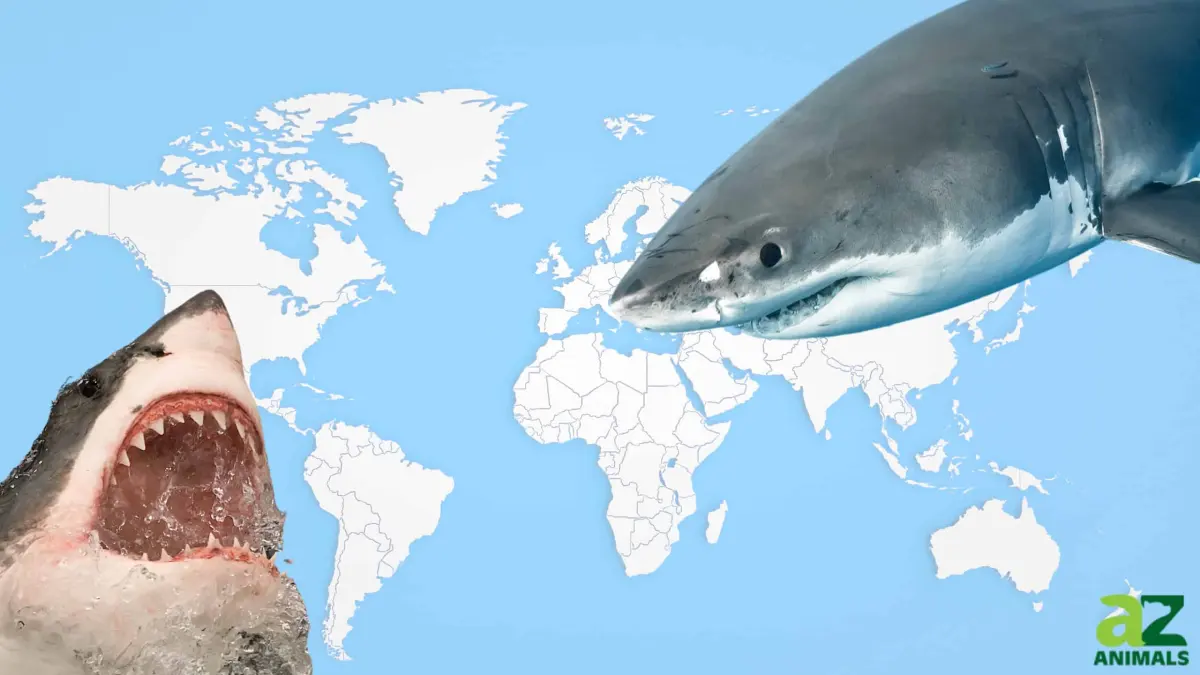
Sharks are found in all five of the world’s oceans, including the Atlantic, Pacific, Indian, Arctic, and Southern Oceans. Most species thrive in warmer, tropical waters, but many are highly migratory and travel thousands of miles across open basins. Pelagic sharks, such as the blue shark and the mako, spend their entire lives in the open ocean, far from any coastline.
In contrast, benthic sharks, like the nurse shark or the wobbegong, live on or near the seafloor. These species are often found in coral reefs or rocky crevices where they can hide and ambush prey. The depth at which a shark lives is determined by its physiological needs; some species are found at depths exceeding 6,000 feet, while others prefer the sun-drenched shallows of continental shelves.
Which sharks live in freshwater?
While sharks are primarily marine animals, a few species have evolved the ability to survive in low-salinity environments. The bull shark is the most famous example, as it possesses specialized kidneys that allow it to regulate its internal salt balance when moving from saltwater to freshwater. These sharks have been documented swimming thousands of miles up major river systems, including the Amazon and the Mississippi.
Other species, such as the river sharks of the genus Glyphis, are restricted entirely to freshwater or estuarine habitats. These rare animals are adapted to muddy, low-visibility rivers in Southeast Asia and Australia. It is a common misconception that all sharks require high salinity to survive, but the reality is that their physiological flexibility allows for surprising geographical diversity.
How do sharks choose their habitat?
Sharks select their homes based on a combination of environmental factors and biological requirements. Temperature is the most critical variable, as most sharks are ectothermic and rely on their environment to regulate body heat. This is why many species follow seasonal migration patterns, moving toward the poles in the summer and returning to warmer equatorial waters during the winter months.
Prey density also dictates where sharks congregate. They are highly active predators that require significant caloric intake, leading them to inhabit areas with high concentrations of fish, seals, or squid. The following factors influence their movement:
- Water temperature gradients and seasonal shifts.
- The presence of underwater structures like reefs or shipwrecks.
- Proximity to breeding and pupping grounds.
- Currents that concentrate food sources in specific corridors.
How can you spot sharks in the wild?
If you are interested in observing sharks in their natural habitat, you must understand their behavioral patterns and safety protocols. The best way to see them is through guided, ethical ecotourism operations that prioritize animal welfare. These experts know exactly where and when specific species congregate, such as the seasonal gathering of whale sharks near Ningaloo Reef in Australia.
To observe sharks safely, follow these professional guidelines:
- Research the specific species in the area to understand their temperament.
- Maintain a respectful distance to avoid disrupting their hunting or resting behaviors.
- Use a reputable guide who follows "no-chumming" policies to prevent unnatural conditioning.
- Always remain calm and keep the shark in your line of sight if you are swimming.
- Avoid wearing shiny jewelry or bright clothing that could be mistaken for fish scales.
Common mistakes when looking for sharks
A frequent mistake people make is assuming that sharks are always aggressive or that they are evenly distributed throughout the ocean. In reality, sharks are often elusive and prefer to avoid human contact. People often search for sharks in areas with high boat traffic or murky water, which makes spotting them difficult and potentially dangerous. Another error is assuming that a shark seen in a coastal area is "lost." Many species, such as blacktip or lemon sharks, use shallow coastal nurseries as a standard part of their life cycle to protect their young from larger predators.
Furthermore, many enthusiasts fail to check local environmental conditions before heading out. Sharks are less active in extremely cold water or during periods of intense storm activity. By ignoring these environmental cues, observers often miss the opportunity to see these animals in their natural state. Always prioritize your safety and the health of the marine ecosystem by respecting local regulations and keeping a professional distance from all wild marine life.
Key facts
- Sharks inhabit every ocean on Earth, from the shallow coastal waters of the tropics to the freezing depths of the Arctic.
- Some species, such as the bull shark, can tolerate low-salinity environments and travel hundreds of miles up freshwater rivers like the Amazon.
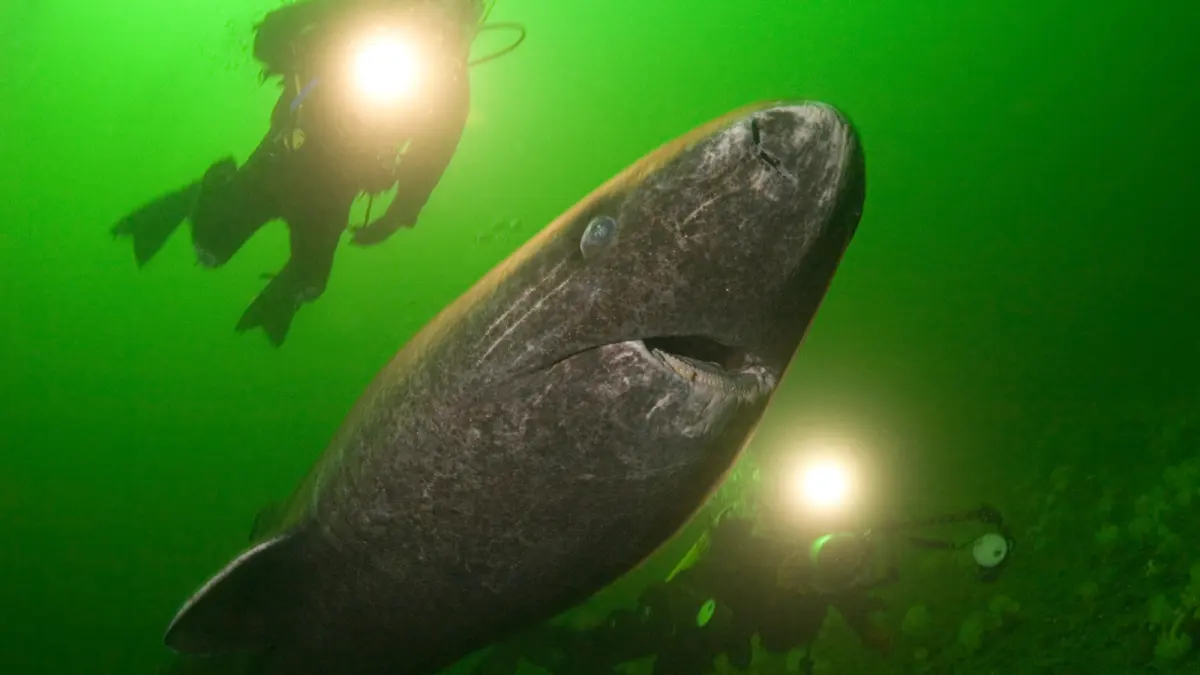
- Most sharks prefer temperate or tropical waters, though the Greenland shark thrives in temperatures as low as -1°C (30°F).
- Sharks are found at various depths, ranging from surface-dwelling species like the mako to deep-sea dwellers living 2,000 meters below the surface.
- Avoid assuming all sharks live in the open ocean; many species rely on coral reefs, seagrass beds, or mangrove forests as essential nurseries.
- When swimming in shark habitats, avoid splashing or wearing shiny jewelry, as these can mimic the erratic movements or scales of distressed prey.
The bottom line
Sharks are remarkably adaptable predators that occupy nearly every marine environment on the planet. From the sunlit shallows of tropical reefs to the crushing, frigid darkness of the deep ocean, they have evolved to exploit diverse ecological niches. Understanding that sharks are not limited to the open sea is essential for respecting their role in maintaining healthy, balanced ecosystems across our global waterways.
People also ask
Do sharks live in freshwater lakes?
While most sharks are strictly marine, the bull shark is a notable exception capable of surviving long-term in freshwater. They have been documented in Lake Nicaragua and the Mississippi River, though they are not permanent residents of most landlocked lakes.
Are there sharks in the Mediterranean Sea?
Yes, the Mediterranean Sea is home to approximately 47 species of sharks, including the great white and the blue shark. Despite this, sightings are relatively rare due to the declining populations of many Mediterranean shark species.
How deep can sharks swim?
Many deep-sea sharks, such as the goblin shark, live at depths exceeding 1,000 meters. These species have evolved specialized physiological adaptations to survive the intense pressure and near-freezing temperatures of the bathypelagic zone.
Do sharks stay in the same place their whole lives?
Some species, like the nurse shark, are relatively sedentary and remain in a specific home range for years. Conversely, migratory species like the great white shark travel thousands of miles across open ocean basins annually.
Can sharks survive in polluted water?
Sharks are highly sensitive to environmental degradation, particularly in coastal nurseries. Pollution, such as plastic waste and chemical runoff, significantly disrupts their ability to hunt and reproduce, often forcing them to abandon traditional habitats.
Are sharks found near beaches?
Many shark species, such as blacktip and lemon sharks, frequently patrol shallow coastal waters to hunt for small fish. While these areas are their natural habitat, human-shark encounters remain statistically rare given the millions of people who swim daily.
This answer was created with the help of AI research tools and reference sources. Spotted an error? Let us know — we correct mistakes quickly. See our editorial policy.