What is Nepal known for?
Short answer
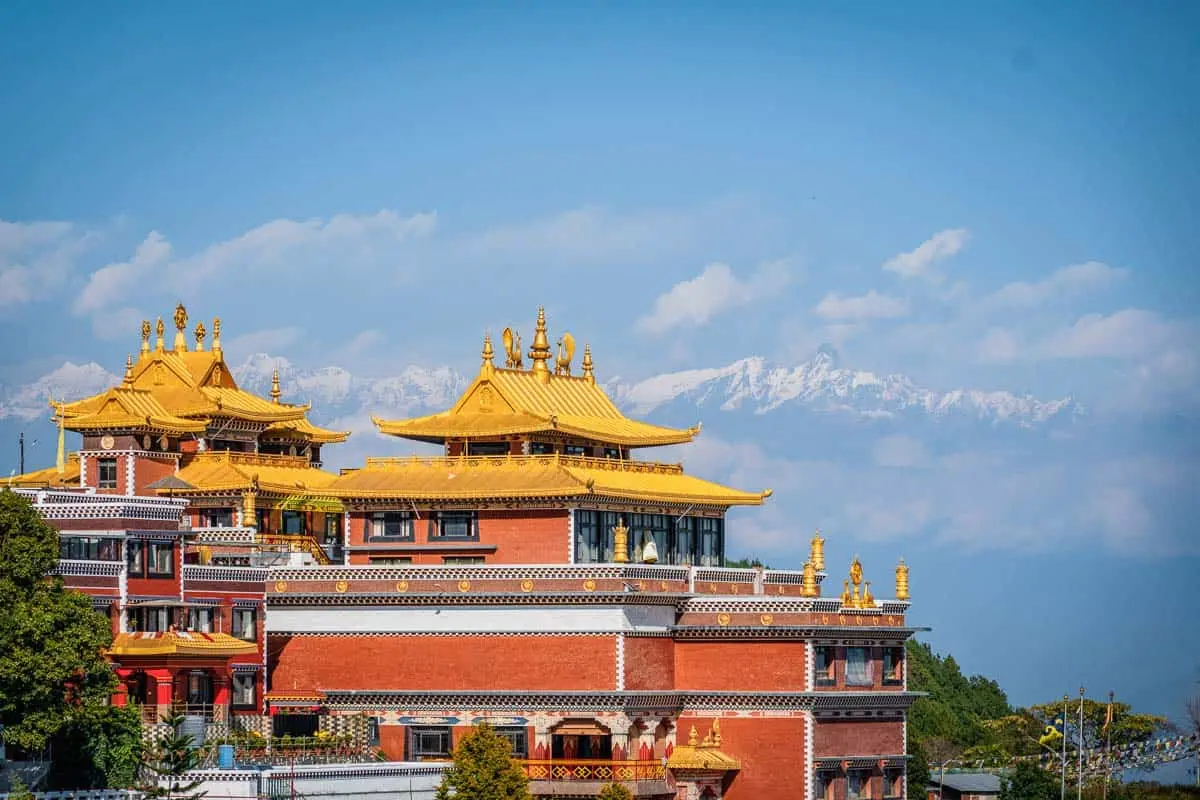
Nepal is internationally renowned as the home of the Himalayan mountain range, including Mount Everest, the world’s highest peak. It is a spiritual hub, serving as the birthplace of Lord Buddha, and a cultural crossroads where Hindu and Buddhist traditions blend seamlessly amidst diverse landscapes ranging from tropical jungles to alpine glaciers.
On this page
Why is Nepal famous for trekking?
Nepal is the premier global destination for high-altitude trekking, offering access to the world’s most formidable peaks. Eight of the fourteen mountains exceeding 8,000 meters are located within its borders. The Everest Base Camp trek and the Annapurna Circuit remain the most popular routes, drawing thousands of adventurers annually who seek to experience the unique topography of the Himalayas. These paths provide more than just physical challenge; they offer deep immersion into the lives of the Sherpa, Gurung, and Magar communities who inhabit these high-altitude villages.
The infrastructure for trekking is highly developed, consisting of a vast network of teahouses that provide food and lodging. This allows travelers to traverse the region without carrying heavy camping equipment. However, the environment is demanding, and the thin air at high altitudes requires careful preparation. Most trekkers follow a structured itinerary to allow for proper acclimatization, typically spending 12 to 20 days on the trail.
- Obtain a TIMS (Trekkers' Information Management Systems) card and relevant national park permits before departure.
- Hire a licensed local guide to navigate complex terrain and provide cultural context.
- Carry a comprehensive medical kit, specifically including medication for altitude sickness.
- Pack layers of moisture-wicking clothing to manage rapidly changing temperatures.
How to visit the birthplace of Buddha?
Lumbini, located in the Terai plains of southern Nepal, is recognized as the birthplace of Siddhartha Gautama, the historical Buddha. Designated as a UNESCO World Heritage site, it attracts pilgrims and scholars from across the globe. The focal point of the area is the Maya Devi Temple, which marks the exact spot where Queen Maya Devi is said to have given birth in 623 BCE. Surrounding the temple, various nations have constructed monasteries and meditation centers, creating a serene, international landscape of spiritual architecture.
Visitors often spend two to three days exploring the Sacred Garden, the Ashoka Pillar—erected by Emperor Ashoka in 249 BCE—and the various monastic zones. The atmosphere is one of profound silence and reflection, contrasting sharply with the bustling energy of Kathmandu. It is best to visit between November and February, as the summer months bring extreme heat and monsoon rains that can disrupt travel plans.
- Respect the silence within the temple complex and meditation areas.
- Dress modestly, covering shoulders and knees, to honor the religious significance of the site.
- Use a bicycle or rickshaw to navigate the sprawling monastic zone efficiently.
- Engage with local monks to learn about the history of the site and contemporary Buddhist practices.
What are the most famous cultural traditions?
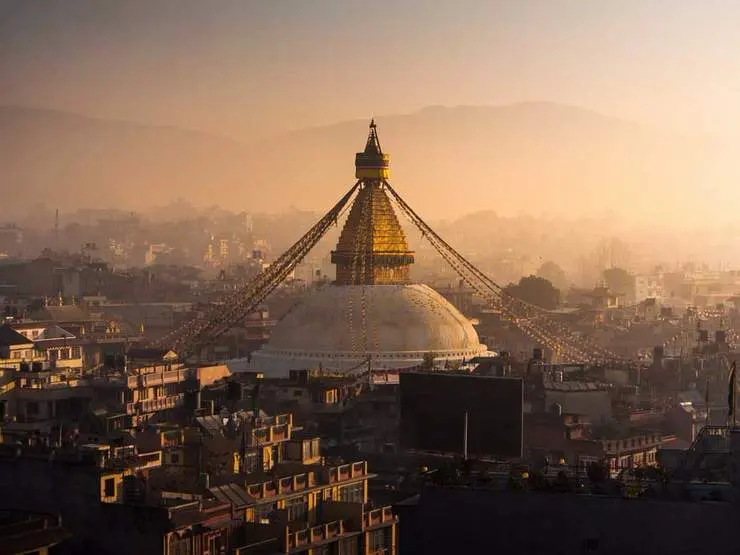
Nepal’s culture is a vibrant mosaic of Hindu and Buddhist influences, often practiced simultaneously by the same individuals. The country is known for its intricate wood carvings, particularly in the Kathmandu Valley, where the Newar people have preserved centuries-old architectural styles. Festivals such as Dashain, the longest and most significant Hindu festival, and Tihar, the festival of lights, showcase the country's deep commitment to ritual, family, and community. These events involve elaborate processions, traditional music, and the decoration of homes with marigolds and oil lamps.
The culinary landscape is equally distinct, centered around the staple dish, dal bhat (lentil soup and rice). This meal is consumed twice daily by most Nepalese, often accompanied by tarkari (vegetable curry) and achar (spicy pickle). Another iconic food is the momo, a steamed or fried dumpling filled with meat or vegetables, which has become a symbol of Nepalese hospitality. Sharing a meal is considered a sacred act of bonding, and guests are frequently treated with immense generosity.
Common mistakes when visiting Nepal
Many travelers underestimate the physical and logistical demands of the country, leading to avoidable complications. A frequent error is attempting to cover too much territory in a short timeframe. Because of the rugged terrain and unpredictable weather, transportation by road is often slow, and domestic flights are frequently delayed or canceled during the monsoon season. It is essential to build buffer days into any itinerary to account for these logistical realities.
Another common mistake involves ignoring the risks of altitude sickness. Many tourists assume they are fit enough to bypass the gradual ascent required for high-altitude trekking. This can lead to severe health issues, including pulmonary or cerebral edema. Furthermore, failing to respect local customs, such as pointing feet at people or religious statues, can be seen as offensive. Always seek permission before taking photographs of individuals or sacred interiors, and ensure your behavior aligns with the conservative values of the local communities.
Best time of year for travel
The climate in Nepal is dictated by the monsoon cycle, which largely determines the feasibility of travel. The primary tourist season occurs from October to December, following the monsoon. During these months, the air is crisp, the skies are clear, and the views of the Himalayan peaks are at their most spectacular. This period is ideal for trekking, photography, and outdoor excursions. The spring season, from March to May, is the second-best window, characterized by blooming rhododendrons and warmer temperatures, though haze can sometimes obscure mountain views.
The monsoon season, lasting from June to September, brings heavy rainfall, leeches, and increased risk of landslides, making it less suitable for high-altitude trekking. However, it is a fantastic time to visit the rain-shadow regions like Mustang or Dolpo, which remain dry even during the wet season. By planning your trip according to these seasonal patterns, you ensure a safer and more rewarding experience in one of the world's most geographically diverse nations.
Key facts
- Nepal is home to eight of the world’s ten highest mountains, including Mount Everest, which reaches an elevation of 8,848.86 meters.
- The country is the birthplace of Siddhartha Gautama, the Buddha, who was born in Lumbini around 623 BCE.
- Kathmandu, the capital city, is famous for its seven UNESCO World Heritage sites located within the Kathmandu Valley.
- Trekking permits are mandatory for most remote regions; always obtain these through an authorized agency before starting your journey.
- Avoid trekking solo in high-altitude areas; hiring a local guide ensures safety and supports the regional economy.
- Respect local customs by dressing modestly, particularly when visiting temples, and always remove your shoes before entering homes or religious sites.
The bottom line
Nepal is a land of profound contrasts, bridging the gap between the world's highest peaks and the spiritual heart of Buddhism. Whether you are trekking the rugged Himalayan trails or exploring the ancient, intricate architecture of Kathmandu, the country offers a unique blend of adventure and cultural heritage. By prioritizing safety and respecting local traditions, travelers can experience one of the most diverse and welcoming nations on Earth.
People also ask
What is the best time of year to visit Nepal?
The peak trekking seasons are spring (March to May) and autumn (September to November). These months offer the clearest skies and most stable weather for mountain views.
Do I need a visa to enter Nepal?
Most nationalities require a visa, which can be obtained upon arrival at Tribhuvan International Airport or at land border crossings. Ensure you have a passport valid for at least six months and passport-sized photos ready.
Is it safe to drink tap water in Nepal?
Tap water is not safe for consumption and can cause severe illness. Always drink treated, boiled, or bottled water to stay healthy during your travels.
What currency is used in Nepal?
The official currency is the Nepalese Rupee (NPR). While major hotels and shops in Kathmandu accept credit cards, carry cash for remote villages where banking infrastructure is absent.
What is the primary religion in Nepal?
Hinduism is the dominant religion, practiced by about 80% of the population, followed by Buddhism. The two faiths coexist harmoniously, often blending rituals in shared temples and shrines.
How should I handle altitude sickness?
Altitude sickness can occur above 2,500 meters; ascend slowly and drink plenty of fluids. If symptoms like severe headaches or nausea persist, descend immediately to a lower altitude.
This answer was created with the help of AI research tools and reference sources. Spotted an error? Let us know — we correct mistakes quickly. See our editorial policy.