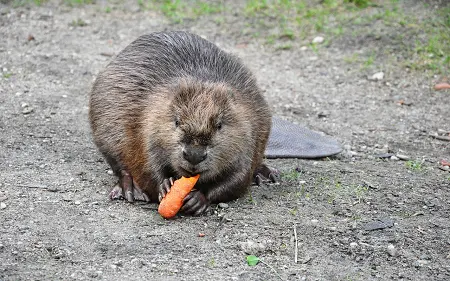
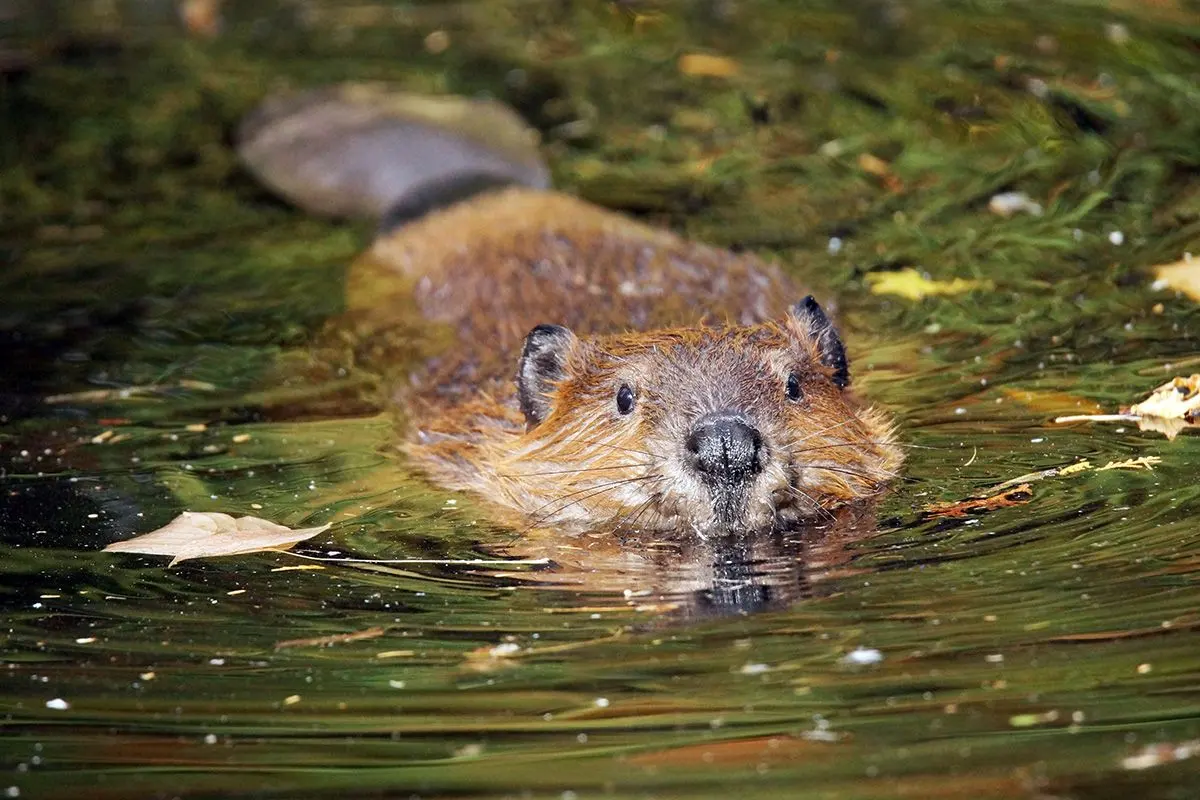
What is a baby beaver called?
Short answer
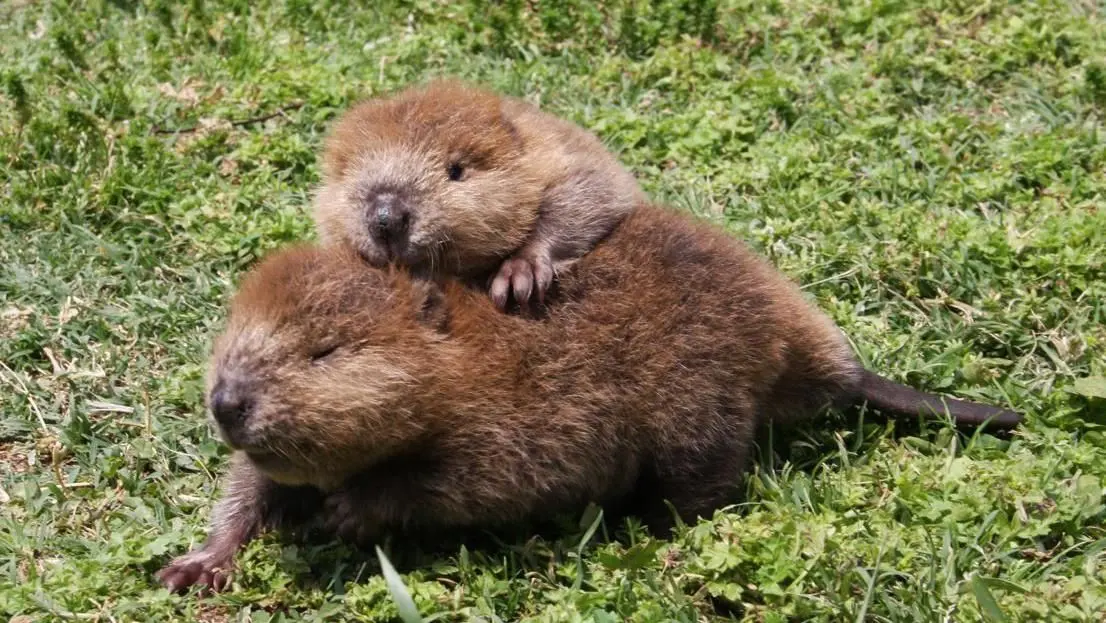
A baby beaver is called a kit or a kitten. These young rodents are born fully furred, with their eyes open and teeth already emerged. Within just a few days of birth, kits are capable of swimming, though they remain under the close supervision of their parents for several months.
On this page
What is the official name for a baby beaver?
The standard terminology for a juvenile beaver is a kit, though the term kitten is also widely accepted in scientific and colloquial contexts. These terms apply from the moment of birth until the animal reaches its yearling stage. Unlike many other mammals that are born helpless, beaver kits are precocial, meaning they are relatively mature and mobile shortly after birth.
A typical litter consists of two to four kits, though larger litters of up to six are occasionally recorded. They are born weighing approximately one pound and are covered in a thick coat of soft, brown fur. Because they are born with their eyes open and their incisors already partially developed, they can begin exploring their immediate surroundings within the lodge almost immediately.
How long do kits stay with their parents?
Beavers are highly social animals that live in family units known as colonies. Kits typically remain with their parents for two years, which is a longer period of dependency than seen in many other small mammals. During this time, they learn essential survival skills, such as how to maintain the lodge, forage for food, and construct dams.
The family structure is vital for the survival of the kits. Older siblings, often called yearlings, frequently assist the parents in caring for the new arrivals. This communal living arrangement ensures that the young have protection from predators and guidance during the harsh winter months when food resources are scarce.
- First summer: Kits stay inside or near the lodge, learning to forage for aquatic plants.
- Second year: Juveniles help with dam maintenance and wood collection.
- Third year: Most beavers leave the colony to find their own territory and mates.
What do baby beavers eat?
During the first few weeks of life, kits rely primarily on their mother’s milk for nutrition. As they grow, they begin to transition toward a diet of solid plant matter. By the time they are a few months old, they are fully capable of consuming the same vegetation as the adults, including bark, leaves, and aquatic plants.
- Water lilies and pond weeds
- Inner bark of willow, aspen, and birch trees
- Woody twigs and tender shoots
- Aquatic roots and tubers
When feeding, kits are often seen mimicking the behavior of their parents. They learn to identify which trees provide the most nutrients and how to safely navigate the water while carrying food back to the lodge. This dietary shift is critical for building the fat reserves necessary to survive their first winter in cold climates.
How do kits learn to swim?
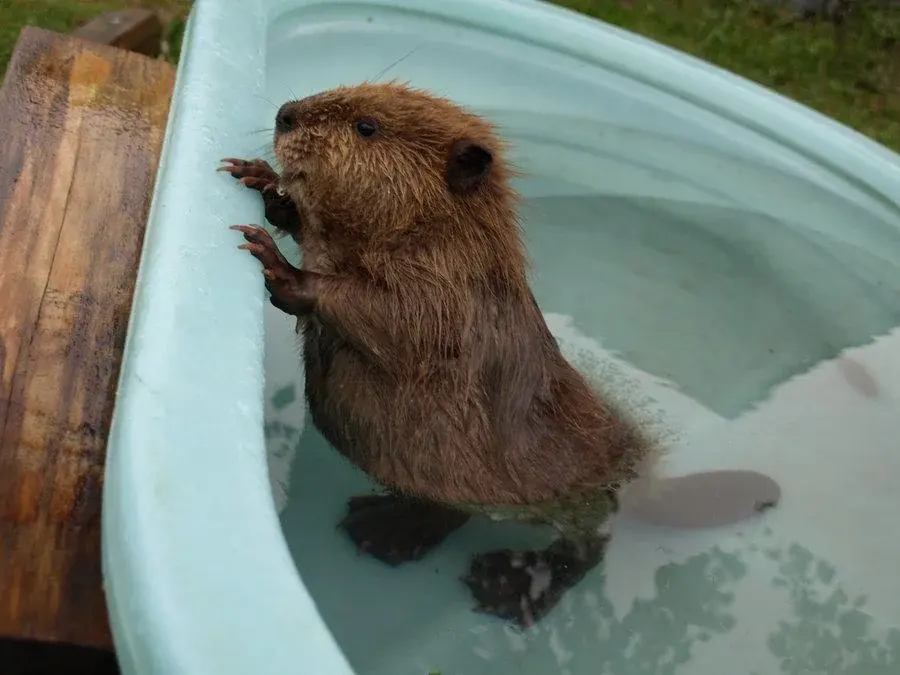
Although it may seem counterintuitive for a semi-aquatic animal, kits are not born with perfect swimming skills. While they are naturally buoyant due to their thick fur and body shape, they must practice maneuvering in the water. Mothers often assist their young by allowing them to ride on their backs during initial excursions outside the lodge.
Common mistakes when observing or interacting with beaver kits include:
- Approaching the lodge too closely, which causes the mother to slap her tail, signaling danger.
- Attempting to feed the kits, which disrupts their natural foraging behavior and health.
- Making loud noises, as kits are sensitive to vibrations that suggest the presence of predators.
By staying close to the parents in the safety of the lodge’s underwater entrance, kits gradually build the muscle coordination required for diving and underwater navigation. This process is essential for avoiding predators like otters, mink, and birds of prey.
Why do beavers live in lodges?
The lodge serves as the primary nursery for the kits, providing a secure, temperature-controlled environment. These structures are built from sticks, logs, and mud, with an underwater entrance that prevents most land-based predators from entering. Inside, there is a dry, elevated platform where the kits sleep and groom themselves.
The insulation provided by the thick walls of the lodge is vital for the survival of the young during freezing temperatures. Throughout the winter, the family remains huddled together, sharing body heat and consuming the food caches they stored nearby. This communal lifestyle is the cornerstone of beaver biology, ensuring that the next generation successfully matures to adulthood. By the time the kits are ready to disperse and establish their own colonies, they possess the architectural and social skills necessary to thrive in their own aquatic environments.
Key facts
- A baby beaver is officially called a kit or a kitten.
- Kits are born fully furred, with their eyes open and their incisors already visible.
- Newborn beavers weigh approximately 1 pound (450 grams) at birth.
- Young beavers begin swimming within 24 hours of being born.
- Kits stay with their parents for two years before leaving to establish their own territories.
- Weaning typically occurs after six weeks, though kits continue to eat solid food provided by parents.
The bottom line
A baby beaver, known as a kit, is a remarkably precocious animal that enters the world ready to swim and explore. Born into a supportive family unit, these young rodents rely on their parents for food and protection for their first two years of life. Observing these kits in the wild during late spring offers a fascinating glimpse into the complex social structure of beaver colonies.
People also ask
How many kits are usually in a beaver litter?
A typical litter consists of two to four kits. Occasionally, a litter may contain as few as one or as many as six, depending on the health and age of the mother.
Do male beavers help raise the kits?
Yes, beavers are monogamous and both parents participate in raising the young. The father helps protect the lodge and assists in teaching the kits how to forage for food.
What do baby beavers eat?
Kits start by nursing on their mother's milk. By the time they are a few weeks old, they begin nibbling on soft aquatic plants and the inner bark of trees brought into the lodge by their parents.
How can you tell a kit apart from an adult beaver?
The most obvious difference is size, as kits are significantly smaller than adults. Additionally, kits have a more rounded, fluffy appearance and lack the thick, weathered fur of fully matured beavers.
Are baby beavers dangerous to handle?
While kits are small, they possess sharp teeth and can deliver a painful bite if they feel threatened. It is best to observe them from a distance to avoid stressing the animals or risking injury.
When is the best time of year to see kits?
Kits are generally born in late spring, typically between April and June. This is the best window to spot them near the lodge as they begin to venture out into the water.
This answer was created with the help of AI research tools and reference sources. Spotted an error? Let us know — we correct mistakes quickly. See our editorial policy.