Where do monarch butterflies live?
Short answer
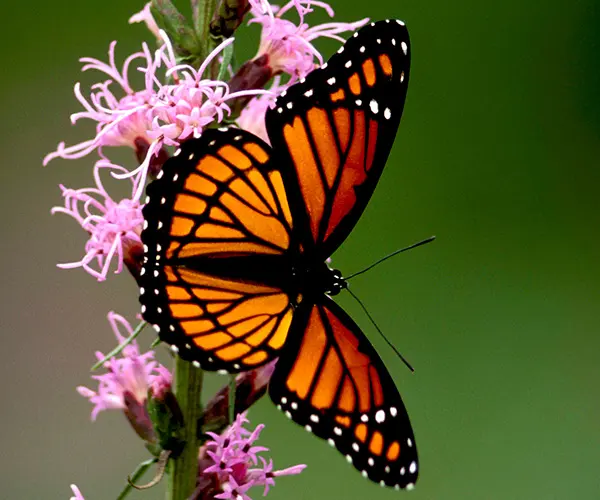
Monarch butterflies inhabit North, Central, and South America, with populations also established in Australia, New Zealand, and parts of Europe. Most famous for their multi-generational migration, North American monarchs travel between summer breeding grounds in the United States and Canada to overwintering sites in central Mexico or along the California coast.
On this page
Where do monarch butterflies live throughout the year?
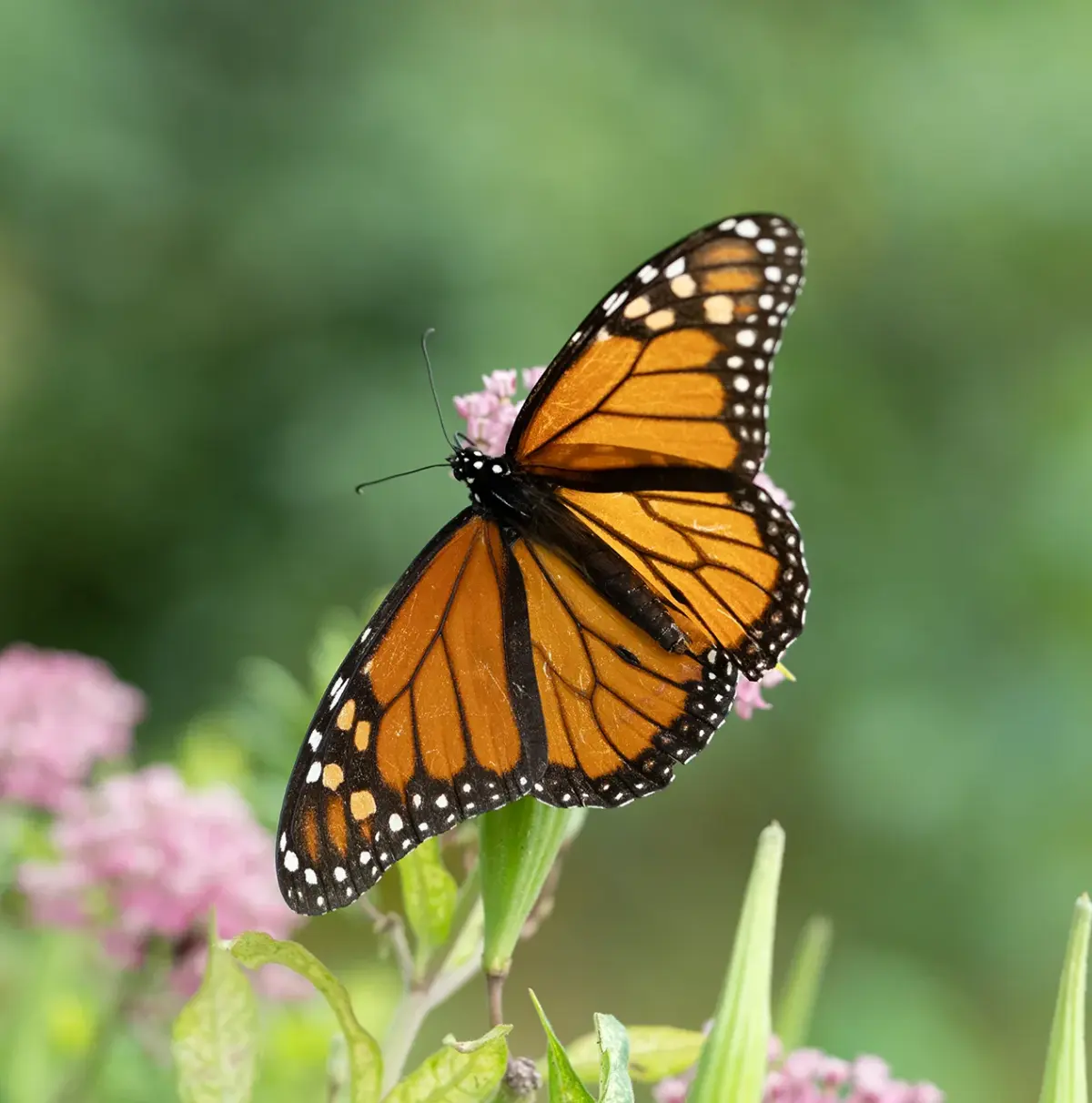
Monarch butterflies are highly migratory insects that rely on specific geographic regions to complete their complex life cycles. During the spring and summer months, they are found across most of North America, stretching from southern Canada down through the United States. They thrive in open fields, meadows, and gardens where milkweed is abundant, as this plant is the only host for their larvae.
As autumn approaches, the North American population undergoes a massive shift. The eastern population migrates thousands of miles to the oyamel fir forests in the mountains of central Mexico. Meanwhile, the western population typically heads toward the milder coastal climate of California. These overwintering sites provide the specific microclimates necessary for the butterflies to survive the winter in a state of semi-dormancy.
- Eastern population: Migrates to the Trans-Mexican Volcanic Belt.
- Western population: Migrates to groves along the Pacific coast.
- Non-migratory populations: Found in Florida, Hawaii, and parts of the Caribbean.
How do monarch butterflies choose their habitat?
Monarchs select habitats based on two primary requirements: the presence of nectar-rich flowers for adults and milkweed for their caterpillars. Milkweed is non-negotiable because it contains cardiac glycosides that make the larvae toxic to predators. Without these specific plants, a monarch population cannot sustain itself in a given area.
Beyond food sources, monarchs look for environments that offer protection from extreme weather and predators. They prefer sunny areas with windbreaks, such as hedgerows or forest edges, which help them conserve energy. In the summer, they are frequently found in agricultural borders, suburban backyards, and restored prairie lands. By planting native milkweed and nectar sources, homeowners can effectively turn their own gardens into viable monarch habitats.
- Identify a sunny spot that receives at least six hours of direct sunlight daily.
- Research native milkweed species specific to your local region to ensure compatibility.
- Incorporate a variety of nectar plants that bloom at different times throughout the season.
- Avoid using pesticides or herbicides, as these chemicals are lethal to monarch eggs and larvae.
Why do monarch butterflies migrate to specific locations?
Migration is a survival strategy driven by the need to escape freezing winter temperatures. Monarchs are cold-blooded insects and cannot survive the harsh winters of the northern United States and Canada. By moving south, they find thermal stability that allows them to survive until the spring, when they begin the journey back north to lay eggs.
The overwintering sites in Mexico are particularly unique because of their high altitude and specific vegetation. The oyamel fir trees provide a canopy that traps heat and moisture, preventing the butterflies from freezing while also stopping them from drying out. This delicate balance is essential for the survival of the species. If these forests are degraded by logging or climate change, the butterflies lose their only refuge, which directly threatens the long-term viability of the entire eastern population.
Common mistakes when creating a monarch habitat
One of the most frequent errors is planting non-native milkweed, such as tropical milkweed (Asclepias curassavica). While this plant is easy to grow, it does not die back in the winter in warmer climates. This can encourage monarchs to stay in areas where they should be migrating, and it often leads to the buildup of a harmful parasite called Ophryocystis elektroscirrha.
Another mistake is failing to provide a continuous supply of nectar. Monarchs need energy throughout the entire season, not just when they are breeding. If a garden only has flowers in early summer, the butterflies will struggle to find food during their critical fall migration. It is also a mistake to keep a garden too tidy; leaving leaf litter and dead stalks provides necessary shelter for various insects and supports a healthy ecosystem that benefits monarchs.
- Planting non-native, invasive species that outcompete local milkweed.
- Using chemical fertilizers that can alter the chemistry of the milkweed leaves.
- Removing "weeds" that are actually vital nectar sources for migrating adults.
How can you help protect monarch habitats?
Protecting monarchs starts with land stewardship and community involvement. You can contribute by registering your garden as a Monarch Waystation, which provides the necessary resources for monarchs to produce successive generations and sustain their migration. These waystations act as stepping stones across the landscape, ensuring that butterflies have access to food and shelter even in highly developed urban areas.
On a larger scale, supporting conservation organizations that work to protect the oyamel fir forests in Mexico is vital. Habitat loss due to deforestation remains the greatest threat to the species. By advocating for the preservation of these critical overwintering grounds and supporting local policies that promote native plant restoration, you help ensure that future generations can witness the incredible phenomenon of the monarch migration. Every small patch of milkweed planted contributes to a larger network of survival for these iconic butterflies.
Key facts
- Monarch butterflies are native to North America, with populations divided into eastern and western migratory groups.
- Eastern monarchs migrate up to 3,000 miles to overwinter in the oyamel fir forests of central Mexico.
- Western monarchs typically spend the winter along the Pacific coast of California, from Mendocino County to Baja.
- Milkweed is the only plant species upon which monarch butterflies lay their eggs and feed their larvae.
- To support monarchs, plant native milkweed species rather than tropical milkweed, which can harbor harmful parasites.
- Avoid using chemical pesticides in your garden, as these substances are lethal to monarch caterpillars and butterflies.
The bottom line
Monarch butterflies inhabit diverse landscapes across North America, relying on specific migratory routes to survive seasonal changes. Their survival depends heavily on the availability of native milkweed for breeding and nectar-rich flowers for energy. By planting native milkweed and avoiding pesticides, you can provide essential habitats for these iconic insects, ensuring they thrive during their incredible journey across the continent each year.
People also ask
How far do monarch butterflies travel during their migration?
Monarchs can travel between 50 and 100 miles per day during their migration. The entire journey from Canada to Mexico can span up to 3,000 miles.
Why do monarch butterflies need milkweed?
Milkweed is the exclusive host plant for monarch larvae. The caterpillars consume the leaves to sequester toxins that make them unpalatable to predators.
How long do monarch butterflies live?
Most monarchs live for two to six weeks, but the "super generation" that migrates to Mexico can live for up to eight or nine months.
Read the full answer →What temperature do monarchs need to survive?
Monarchs are cold-blooded and require air temperatures above 55 degrees Fahrenheit to fly. They cluster in trees during winter to maintain a stable, cool temperature.
Can I raise monarch butterflies at home?
While it is possible to raise them, experts recommend caution to avoid spreading disease. Ensure you have a constant supply of fresh, pesticide-free milkweed.
How can I tell if a monarch is male or female?
Males have a small black spot on a vein on each hindwing, which are scent patches. Females lack these spots and typically have thicker, darker veins on their wings.
This answer was created with the help of AI research tools and reference sources. Spotted an error? Let us know — we correct mistakes quickly. See our editorial policy.