Are sea lions dangerous to humans?
Short answer
Sea lions are wild animals that can be dangerous to humans, especially when they feel threatened or during mating season. While they are often viewed as playful, they possess powerful jaws and can inflict serious bite wounds. Attacks are rare but occur when people approach them too closely or provoke them.
On this page
Are sea lions aggressive toward humans?
Sea lions are generally wary of humans and prefer to keep their distance, but their behavior changes significantly depending on environmental factors. During the breeding season, males become highly territorial and aggressive to protect their harems from perceived intruders. If a human wanders into a nesting area or blocks a sea lion’s path to the water, the animal may interpret the presence as a direct threat.
These marine mammals are capable of reaching speeds of up to 25 miles per hour in the water and can move surprisingly fast on land. Their bites are particularly dangerous because their mouths harbor bacteria that frequently lead to severe infections. Even a "warning" nip can cause deep tissue damage and require significant medical intervention. It is a common misconception that their curiosity makes them friendly; in reality, they are wild predators that should never be approached or touched.
How to stay safe around sea lions
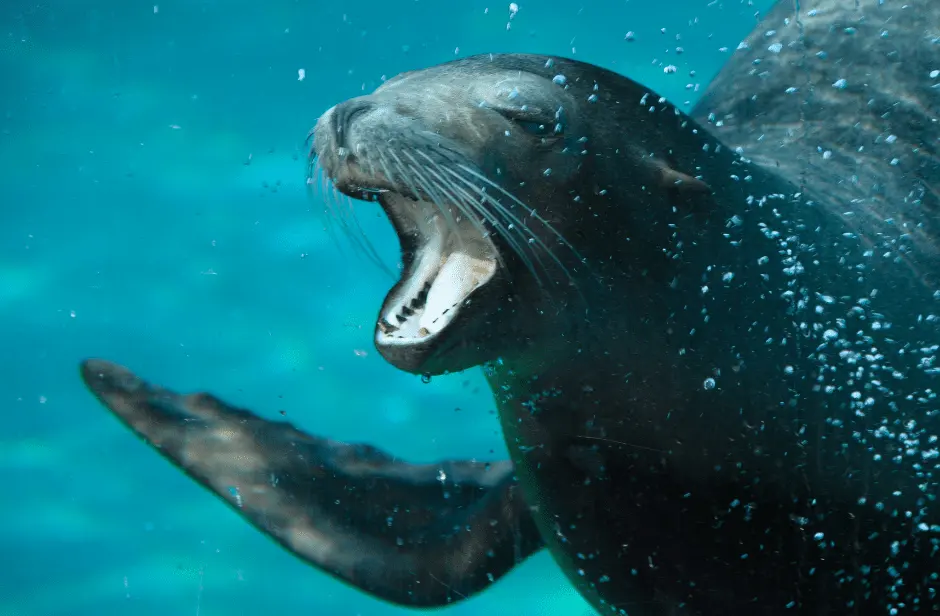
Maintaining a safe distance is the most effective way to prevent negative encounters. Experts generally recommend staying at least 50 to 100 yards away from sea lions, whether they are on a beach, a dock, or in the water. If an animal begins to vocalize, stare intently, or move toward you, it is a clear sign that you have encroached on its space and should retreat immediately.
- Observe from a distance using binoculars or a camera zoom lens.
- Keep dogs on a short leash at all times, as sea lions often view canines as predators.
- Never attempt to feed sea lions, as this encourages them to lose their natural fear of humans.
- Move away slowly if you find yourself between a sea lion and the water.
- Avoid blocking pathways on piers or boat ramps where these animals frequently haul out.
Why do sea lion attacks happen?
Most incidents involving human injury occur because people underestimate the size and strength of these animals. A large male California sea lion can weigh up to 800 pounds, making them physically capable of overpowering a human with ease. Attacks often occur when individuals try to take "selfies" or get close enough to touch the animals for social media content. This proximity triggers a fight-or-flight response, and the animal chooses to fight.
Another significant factor is the presence of food. Humans who fish near sea lions often inadvertently encourage aggressive behavior by offering scraps or leaving bait unattended. Once a sea lion associates humans with food, it may become bold and demanding. This "begging" behavior can quickly turn into aggression if the animal does not receive what it expects, leading to lunging or biting incidents that could have been easily avoided.
Common mistakes when observing marine life
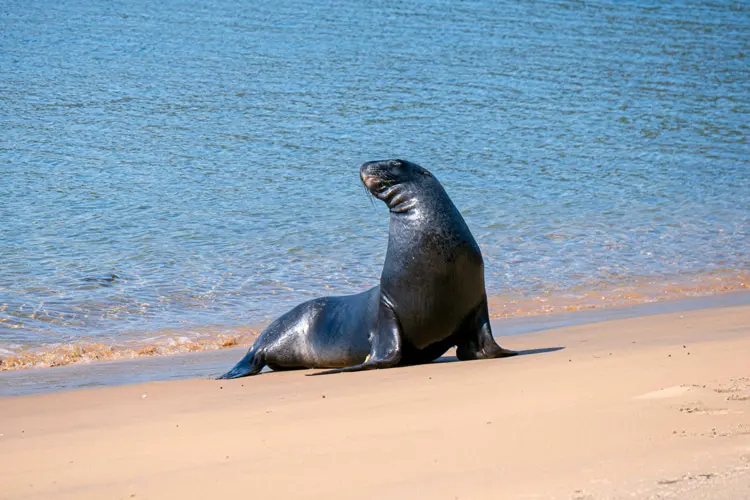
Many people make the mistake of assuming that because a sea lion is resting, it is docile or "tame." In reality, a resting sea lion is conserving energy and is often easily startled. Approaching a sleeping animal is dangerous because it may wake up disoriented and defensive. Furthermore, trying to move around or "herd" a sea lion back into the water is a major error that almost always results in the animal turning to defend itself.
- Attempting to pet or touch a sea lion, regardless of its apparent calm.
- Making loud noises or sudden movements that startle the animal.
- Ignoring warning signs, such as barking, baring teeth, or aggressive head-tossing.
- Feeding the animals, which creates a dangerous dependency and alters their natural hunting instincts.
- Bringing small children or pets too close to the water's edge in areas known for sea lion activity.
What to do if a sea lion approaches
If you are in the water and a sea lion approaches you, remain calm and do not splash or panic. Splashing can be misinterpreted as aggressive behavior or play, which may incite the animal to engage more intensely. Instead, keep your eyes on the animal, back away slowly toward the shore or a boat, and keep your body vertical. Do not turn your back on the animal, as this may encourage it to pursue you.
If you are on land and a sea lion charges, move behind a solid object like a wall, a vehicle, or a large rock. If you are bitten, seek medical attention immediately, regardless of how minor the wound appears. Because of the high risk of infection from marine bacteria, doctors will often prescribe specific antibiotics to prevent complications. Reporting the incident to local wildlife authorities is also essential, as it helps track animal behavior and protects other members of the public from future harm.
Key facts
- Sea lions are wild animals that can weigh over 800 pounds and possess powerful jaws capable of inflicting severe bite wounds.
- They are highly territorial, especially during breeding seasons, and may attack if they feel cornered or threatened.
- Never attempt to feed sea lions, as this encourages aggressive "begging" behavior and draws them closer to human activity.
- Maintain a distance of at least 50 yards (150 feet) from sea lions on land to avoid triggering a defensive response.
- If a sea lion approaches you on a beach, back away slowly and quietly without turning your back or running.
- Sea lions are agile in the water; avoid swimming or surfing near them, particularly if they are feeding or socializing in groups.
The bottom line
While sea lions may appear playful or docile, they are powerful wild predators that should always be treated with caution. Respecting their space, never offering food, and observing from a distance are the most effective ways to prevent dangerous encounters. By understanding their territorial nature and avoiding close physical proximity, you can safely enjoy watching these fascinating marine mammals in their natural, undisturbed habitat.
People also ask
Do sea lions carry diseases that can be transmitted to humans?
Yes, sea lion bites can transmit serious bacterial infections like Mycoplasma or Staphylococcus. Seek immediate medical attention for any bite, as these wounds often require professional cleaning and antibiotics.
Is it safe to take photos of sea lions at close range?
No, using a zoom lens from a safe distance is the only responsible way to photograph them. Getting too close can cause the animal stress, leading it to charge or bite to defend its space.
Are sea lions more aggressive than seals?
Sea lions are generally more vocal and social than true seals, but they are also more prone to defensive aggression. Their ability to rotate their hind flippers allows them to move quickly on land, making them more dangerous if you are caught off guard.
What should I do if a sea lion blocks my path on a dock or pier?
Do not try to shoo the animal away or walk past it. Wait for the sea lion to move on its own or find an alternate route that keeps you at a safe distance.
Can sea lions be trained to be friendly toward people?
While they are intelligent and can be trained in controlled settings, they remain wild animals. Any "friendliness" is usually a conditioned response to food, which can quickly turn into dangerous, demanding behavior.
Does the noise level of a sea lion indicate it is about to attack?
Barking and growling are common ways sea lions communicate, but they are also signs of agitation. If a sea lion stops its normal activity to fixate on you and begins vocalizing, it is warning you to leave the area immediately.
This answer was created with the help of AI research tools and reference sources. Spotted an error? Let us know — we correct mistakes quickly. See our editorial policy.