Are tarantulas dangerous to humans?
Short answer
Tarantulas are generally not dangerous to humans. While they possess venom, their bite is typically comparable to a bee sting in terms of pain and medical severity for healthy adults. No human death has ever been reliably attributed to a tarantula bite, though allergic reactions or secondary infections can occasionally occur.
On this page
Are tarantulas venomous to humans?
Tarantulas belong to the family Theraphosidae and possess venom glands used primarily to subdue prey like insects, small lizards, and rodents. While all tarantulas are technically venomous, the toxicity of their venom varies significantly by species. Most New World tarantulas, found in the Americas, have relatively mild venom that causes localized pain, swelling, and redness. In contrast, some Old World species from Africa, Asia, and Europe possess more potent venom that can cause muscle cramps, intense burning sensations, and systemic discomfort.
Despite their intimidating appearance and venomous nature, tarantulas rarely view humans as prey. They are generally shy, reclusive creatures that prefer to retreat or hide when threatened. A bite is almost always a defensive reaction to feeling trapped or physically handled. Because they have limited venom stores, they often perform "dry bites" on humans, where they strike without injecting any venom at all to conserve their resources for hunting.
What happens if a tarantula bites?
If you are bitten by a tarantula, the immediate sensation is often described as a sharp pinprick followed by a dull, throbbing ache. The severity of the reaction depends on the species, the amount of venom injected, and the individual's sensitivity. For the vast majority of people, the symptoms remain localized to the bite site and subside within a few hours or days.
However, certain individuals may experience more severe reactions. If you or someone else is bitten, follow these steps to manage the situation:
- Stay calm and move away from the spider to prevent further bites.
- Wash the affected area thoroughly with soap and warm water to reduce the risk of infection.
- Apply a cold compress to the site to minimize swelling and alleviate pain.
- Monitor the area for signs of an allergic reaction, such as hives, difficulty breathing, or facial swelling.
- Seek professional medical attention if symptoms worsen or if you have a known history of severe insect sting allergies.
Why do tarantulas use urticating hairs?
Many New World tarantulas have a unique defense mechanism involving urticating hairs located on their abdomens. When these spiders feel threatened, they use their hind legs to flick these barbed, irritating hairs into the air toward a potential predator. These hairs are not venomous, but they act as a physical irritant that can cause significant discomfort if they come into contact with skin, eyes, or the respiratory tract.
The reaction to urticating hairs can be more bothersome than a bite for many people. Common symptoms include:
- Intense itching and a burning rash on the skin.
- Watery, red, or irritated eyes if the hairs are rubbed into them.
- Sneezing, coughing, or throat irritation if the hairs are inhaled.
- Prolonged skin sensitivity that can last for several days.
To avoid these issues, never handle a tarantula that is flicking its abdomen toward you. If you accidentally come into contact with these hairs, use adhesive tape to lift them from your skin and wash the area immediately.
Common mistakes when handling tarantulas
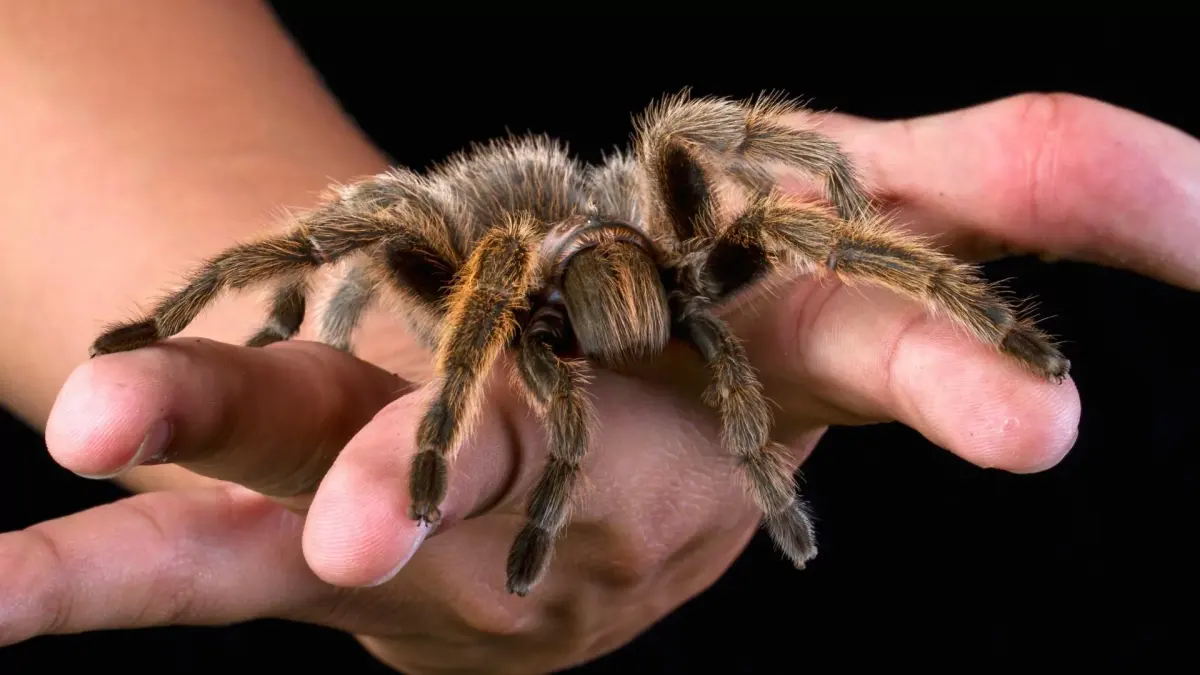
A frequent mistake people make is assuming that because tarantulas are popular pets, they are docile and enjoy being held. In reality, tarantulas do not experience affection and handling them is almost exclusively for the benefit of the human, not the spider. Handling poses a significant risk to the spider, as a fall from just a few feet can cause a fatal rupture of their delicate abdomen.
Another error is ignoring the spider's warning signs. Before biting or flicking hairs, most tarantulas will display defensive postures. Common signs that a spider is stressed include:
- Raising the front legs or the cephalothorax into the air.
- Exposing the fangs as a clear warning.
- Rapidly retreating or hiding in a burrow.
- Flicking hairs toward the perceived threat.
If you observe these behaviors, leave the spider alone. Respecting the animal’s space is the best way to ensure both your safety and the well-being of the spider.
How to stay safe around tarantulas
Safety when encountering tarantulas is largely a matter of common sense and observation. If you encounter a tarantula in the wild, the best practice is to observe it from a distance. These spiders play a vital role in local ecosystems by controlling insect populations, and they are not looking for a confrontation with humans. Avoid disturbing their burrows or trying to pick them up for a closer look.
For those who keep tarantulas as pets, safety involves proper husbandry and maintenance. Always use long-handled tongs when feeding or cleaning the enclosure to keep your hands at a safe distance. Keep the enclosure in a secure location where it cannot be knocked over by children or pets. By understanding the specific needs and temperaments of your spider, you can enjoy the fascinating hobby of arachnoculture without the risk of injury or unnecessary stress. Remember that a healthy, undisturbed tarantula is a quiet and harmless neighbor.
Key facts
- No human death has ever been recorded from a tarantula bite.
- Tarantula venom is generally weaker than that of a common honeybee.
- Most tarantulas prefer to flee or flick irritating hairs rather than bite.
- Urticating hairs on the abdomen can cause severe skin and eye irritation.
- Bites are most likely to occur when a spider feels trapped or threatened.
- Always wash a bite area with soap and water to prevent secondary infection.
The bottom line
While tarantulas are often feared due to their size and appearance, they pose virtually no significant threat to human health. Their venom is mild, and they typically avoid contact with people. By treating these spiders with respect, keeping your distance, and avoiding unnecessary handling, you can safely coexist with them. They are fascinating, misunderstood animals that serve a vital role in controlling insect populations in their natural habitats.
People also ask
Do all tarantulas have venom?
Yes, all known species of tarantulas possess venom glands used to subdue their prey. However, this venom is evolved to paralyze insects and small vertebrates, not to harm large mammals like humans.
What does a tarantula bite feel like?
Most people describe the sensation as similar to a bee or wasp sting. The area may swell, turn red, and feel warm or itchy for a few hours after the incident.
Why do tarantulas throw hairs at people?
Many New World tarantulas have specialized urticating hairs on their abdomens for defense. When threatened, they use their hind legs to kick these barbed hairs into the air, which can cause painful rashes if they contact skin or eyes.
What should I do if I am bitten by a tarantula?
Clean the wound thoroughly with soap and water to minimize the risk of infection. Apply a cold pack to reduce swelling and monitor the site for any signs of an allergic reaction, such as difficulty breathing.
Are tarantulas aggressive toward humans?
Tarantulas are generally docile and shy creatures that avoid confrontation whenever possible. They only bite as a last resort when they feel cornered or are being handled roughly.
Can a tarantula bite cause a serious allergic reaction?
While rare, some individuals may have an allergic reaction to tarantula venom or their hairs. If you experience systemic symptoms like dizziness, nausea, or throat swelling, seek professional medical attention immediately.
This answer was created with the help of AI research tools and reference sources. Spotted an error? Let us know — we correct mistakes quickly. See our editorial policy.