Are coyotes dangerous to humans?
Short answer
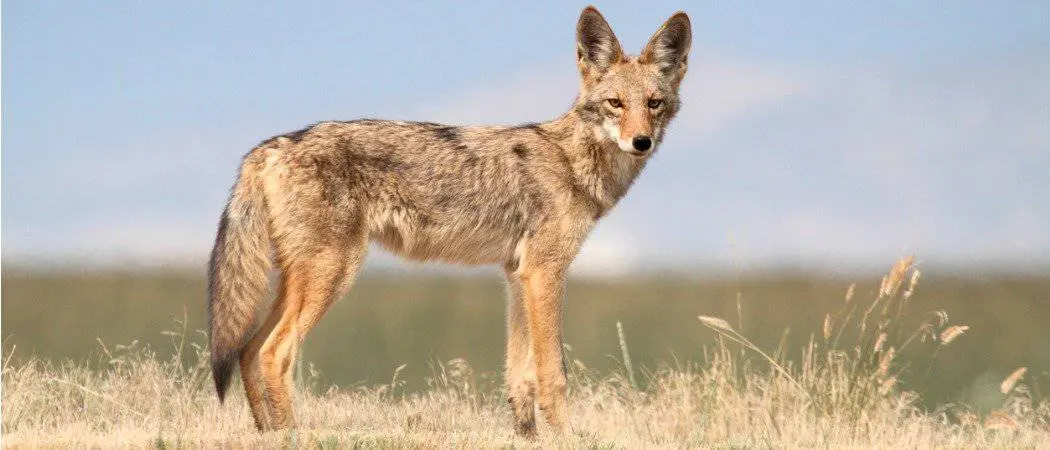
Coyotes are generally not dangerous to humans, and unprovoked attacks are extremely rare. While they are adaptable predators that thrive in urban environments, they typically fear people. Most negative encounters result from animals being fed by humans, which causes them to lose their natural wariness and become bold or aggressive.

On this page
Why do coyotes approach humans?
Coyotes are naturally timid animals that prefer to avoid contact with people. However, when humans provide food—either intentionally or through improperly secured trash—coyotes learn to associate neighborhoods with easy meals. This process, known as habituation, is the primary driver behind bold behavior. Once a coyote views humans as a source of sustenance, its instinctual fear diminishes significantly.
Habituation often leads to "nuisance" behaviors, such as coyotes lingering in yards or following people on walking trails. While this is not an immediate attack, it is a dangerous precursor to conflict. If a coyote loses its fear, it may eventually test boundaries, leading to incidents where the animal nips at clothing or displays defensive posturing. Maintaining a coyote's natural fear of humans is the most effective way to ensure public safety.
How to stay safe around coyotes
If you encounter a coyote, the most important rule is to maintain your confidence and presence. Never turn your back on the animal or run away, as this can trigger their predatory chase instinct. Instead, make yourself appear as large and intimidating as possible to reinforce the animal's natural instinct to flee from humans.
To effectively haze a coyote and discourage it from returning to your area, follow these steps:
- Stand your ground and maintain direct eye contact with the animal.
- Shout in a loud, authoritative voice, or use a whistle or air horn.
- Wave your arms overhead or use a jacket to make your silhouette appear larger.
- Throw small objects, such as tennis balls or sticks, toward the coyote—but not directly at it—to startle it.
- Continue these actions until the coyote completely leaves the area.
What to do if a coyote attacks
Although attacks on humans are statistically negligible, they do occur under specific circumstances. If a coyote acts aggressively, such as growling, lunging, or following you persistently, do not show fear. Continue to haze the animal while slowly backing away toward a secure location, such as a building or a vehicle. If you are with children or pets, pick them up immediately to keep them off the ground and out of the animal's reach.
In the highly unlikely event that a coyote makes physical contact, fight back aggressively. Use any available tools, such as sticks, rocks, or even your fists, to defend yourself. Aim for the animal's head and snout to discourage further engagement. After any physical encounter, seek immediate medical attention to assess the risk of injury or disease, such as rabies, though rabies in coyotes remains relatively uncommon in most regions.
Common mistakes when living near coyotes
Many residents unintentionally invite coyotes into their yards by failing to manage attractants. The most common mistake is leaving pet food outdoors, which acts as a beacon for hungry wildlife. Additionally, unsecured compost bins, fallen fruit from trees, and overflowing bird feeders provide secondary food sources that sustain coyote populations in suburban areas. Keeping a clean yard is the first line of defense against unwanted visitors.
Another frequent error is failing to supervise small pets while they are outdoors. Coyotes view small dogs and cats as prey, and they are highly skilled at jumping fences to access backyard spaces. To protect your animals, consider these precautions:
- Keep dogs on a short, non-retractable leash during walks, especially at dawn and dusk.
- Ensure backyard fences are at least six feet tall and buried several inches underground to prevent digging.
- Bring pets inside before dark when coyote activity typically peaks.
- Never leave small children unattended in areas known to have high coyote density.
When to contact wildlife professionals
If a coyote displays persistent, bold behavior despite your efforts to haze it, you should contact local animal control or state wildlife agencies. Persistent behavior includes animals that approach people without hesitation, follow hikers, or show no reaction to loud noises. These animals are likely habituated and may require professional intervention to prevent a future safety incident. Do not attempt to trap or relocate a coyote yourself, as this is often illegal and dangerous.
Furthermore, report any incidents of aggressive behavior to your local authorities immediately. Data on coyote sightings and interactions help wildlife managers track population trends and identify areas where public education campaigns are needed. By working with professionals, communities can implement effective coexistence strategies that protect both human residents and the local ecosystem. Responsible management ensures that coyotes remain wild and that humans can safely share the landscape with these resilient, intelligent predators.
Key facts
- Coyotes are naturally timid and typically avoid human contact unless they have been habituated by food rewards.
- Attacks on humans are extremely rare, with fewer than 10 reported incidents occurring annually across North America.
- Never feed a coyote, as intentional or accidental feeding causes them to lose their natural fear of people.
- If approached by a coyote, maintain eye contact, stand your ground, and make yourself look as large as possible.
- Haze a coyote by shouting, clapping, or throwing objects near—but not at—the animal to reinforce its fear of humans.
- Keep small pets on a short leash and supervise them closely, as coyotes often view small animals as prey.
The bottom line
Coyotes are generally wary of humans and pose a minimal threat when treated with respect and caution. By removing food attractants, keeping pets supervised, and practicing hazing techniques, you can effectively coexist with these animals. The most important takeaway is to never feed them; human-provided food is the primary driver of aggressive behavior, turning a naturally shy wild animal into a potential nuisance or safety risk.
People also ask
Why do coyotes sometimes attack humans?
Most attacks occur because the animal has become habituated to humans due to food sources like garbage or pet food. In rare cases, a coyote may attack if it is sick, injured, or defending a den site.
Are coyotes more dangerous at night?
Coyotes are primarily nocturnal or crepuscular, meaning they are most active at night or during dawn and dusk. While they are more visible during these times, they are not inherently more aggressive at night than during the day.
What should I do if a coyote follows me?
Do not run or turn your back on the animal, as this can trigger a predatory chase instinct. Instead, continue facing the coyote, back away slowly, and make loud noises to discourage it from following.
Can coyotes carry rabies?
Yes, like all mammals, coyotes can contract rabies. If you see a coyote acting erratically, such as stumbling, biting at the air, or showing unprovoked aggression, stay away and report it to local animal control.
Is it safe to let my dog play in the yard?
It is generally safe, but you should always supervise your pets, especially if you live in an area with coyote activity. Keep yards clear of food scraps and tall brush that might provide cover for a coyote.
Will a coyote attack a large dog?
Coyotes usually avoid confrontations with large dogs because they risk injury. However, they may act aggressively if they feel their territory or den is being threatened by a large canine.
This answer was created with the help of AI research tools and reference sources. Spotted an error? Let us know — we correct mistakes quickly. See our editorial policy.