What are the benefits of dancing?
Short answer
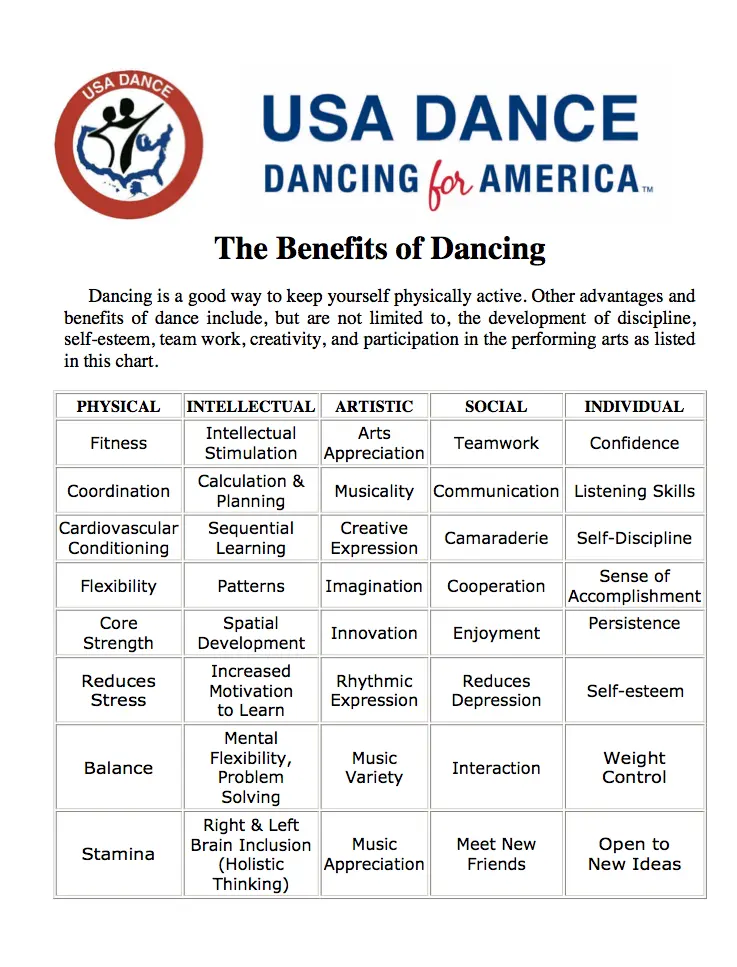
Dancing provides comprehensive health benefits by improving cardiovascular fitness, muscular strength, and cognitive function. Engaging in rhythmic movement lowers stress levels, enhances balance, and promotes social connection. Whether practiced as a structured exercise or a casual hobby, dance serves as an effective, accessible tool for maintaining long-term physical and mental well-being.
On this page
How does dancing improve physical health?
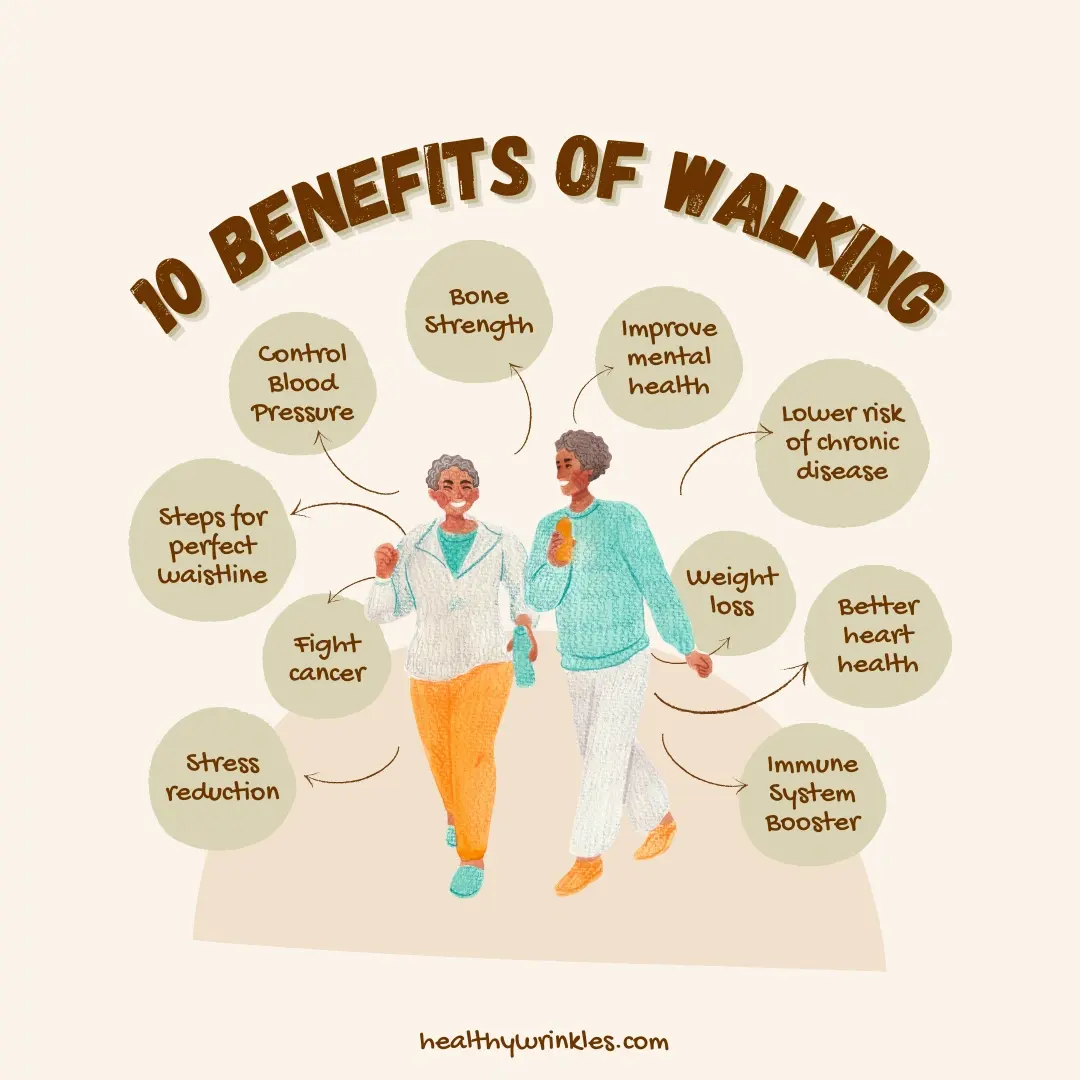
Dancing acts as a full-body workout that improves cardiovascular health, muscular endurance, and flexibility. Because it involves constant movement, it keeps the heart rate elevated, which strengthens the heart muscle and improves circulation. Research published in the New England Journal of Medicine has shown that regular dancing can significantly lower the risk of cardiovascular disease compared to sedentary activities.
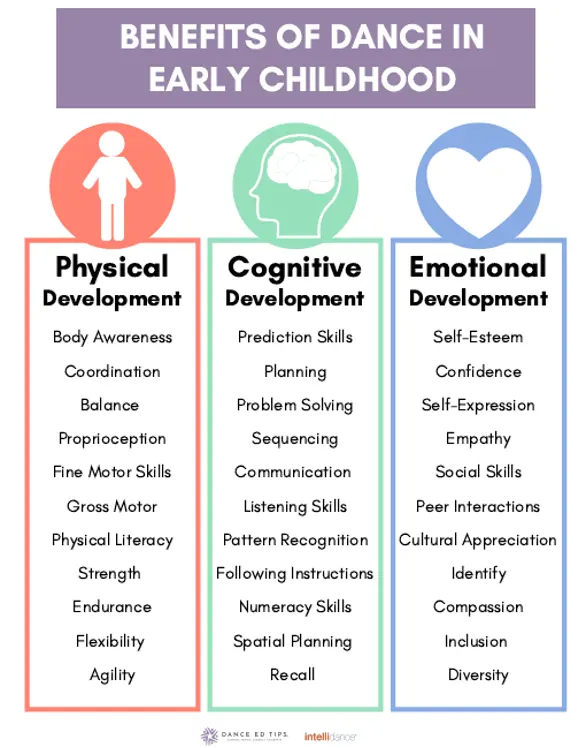
Beyond heart health, dance builds functional strength by engaging multiple muscle groups simultaneously. Unlike repetitive gym exercises, dancing requires coordination and balance, which stabilizes the core and improves posture. The following physical benefits are commonly observed:
- Increased bone density, which helps prevent osteoporosis.
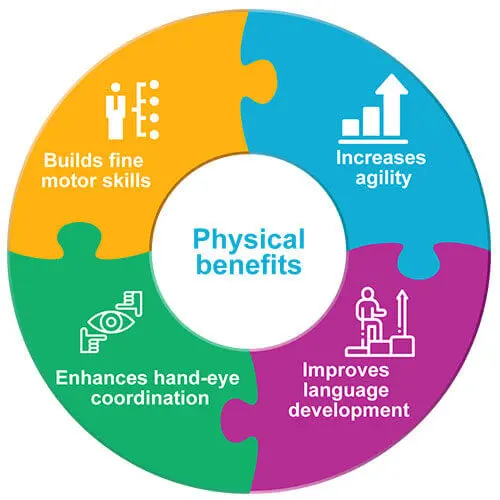
- Enhanced agility and spatial awareness.
- Improved muscular tone through varied ranges of motion.
- Better weight management due to consistent calorie expenditure.
Why is dancing good for brain health?
Dancing is unique because it requires the simultaneous use of cognitive and physical faculties. When you learn a dance routine, you are engaging the hippocampus, the area of the brain responsible for memory and spatial navigation. Studies have indicated that the mental effort required to memorize steps and synchronize with music can help protect against cognitive decline and dementia in older adults.
The mental challenge of dancing involves several complex processes that keep the brain sharp:
- Pattern recognition: Identifying and repeating sequences of movement.
- Sensory integration: Processing auditory rhythms and visual cues simultaneously.
- Neuroplasticity: Creating new neural pathways through the mastery of complex motor skills.
- Stress reduction: Lowering cortisol levels through the release of endorphins.
How to start dancing as a beginner
Starting a dance practice does not require formal training or expensive equipment. The most important step is choosing a style that aligns with your personal interests, such as salsa, ballet, hip-hop, or ballroom. Beginners should focus on finding a supportive environment, whether through local community centers, online tutorials, or introductory studio classes.
To begin your dance journey effectively, follow these logical steps:
- Assess your physical comfort level and choose a low-impact style if you have joint concerns.
- Invest in supportive footwear that provides adequate arch support and grip.
- Dedicate 20 to 30 minutes, three times per week, to build consistency.
- Focus on learning basic steps before attempting complex choreography to avoid frustration.
- Listen to your body and incorporate rest days to allow muscles to recover and adapt to new movements.
Common mistakes when starting to dance
One of the most frequent mistakes beginners make is comparing their progress to experienced dancers. It is essential to remember that dance is a skill developed over time, and early sessions are meant for exploration rather than perfection. Another common error is ignoring the importance of warming up, which can lead to unnecessary strains or injuries in the ankles, knees, and lower back.
To ensure a safe and productive practice, avoid these common pitfalls:
- Skipping the warm-up: Always spend five minutes stretching to prepare your muscles.
- Overexertion: Pushing too hard early on can lead to burnout or injury.
- Poor posture: Neglecting core engagement can cause back pain and limit your range of motion.
- Ignoring rhythm: Focusing too much on steps while ignoring the music can prevent you from developing a natural flow.
- Lack of consistency: Irregular practice makes it difficult for the brain to retain complex movement patterns.
How long does it take to see results?
The timeframe for seeing results depends on the frequency and intensity of your practice. Most people notice improvements in their mood and energy levels within the first two weeks of consistent movement. Physical changes, such as increased stamina and muscle tone, typically become apparent after four to six weeks of regular participation.
Cognitive benefits, such as improved memory and coordination, often take longer to manifest, usually becoming noticeable after three months of dedicated learning. The key to long-term success is viewing dance as a lifestyle rather than a temporary goal. By maintaining a steady routine, you allow your body to adapt physically while your brain continues to build the neural connections necessary for fluid movement. Consistency is the primary driver of progress, and even short, frequent sessions are more effective than sporadic, intense workouts. Over time, the cumulative effect of these sessions will lead to lasting improvements in your overall quality of life.
Key facts
- Dancing can burn between 200 and 400 calories per hour, depending on the intensity and style of movement.
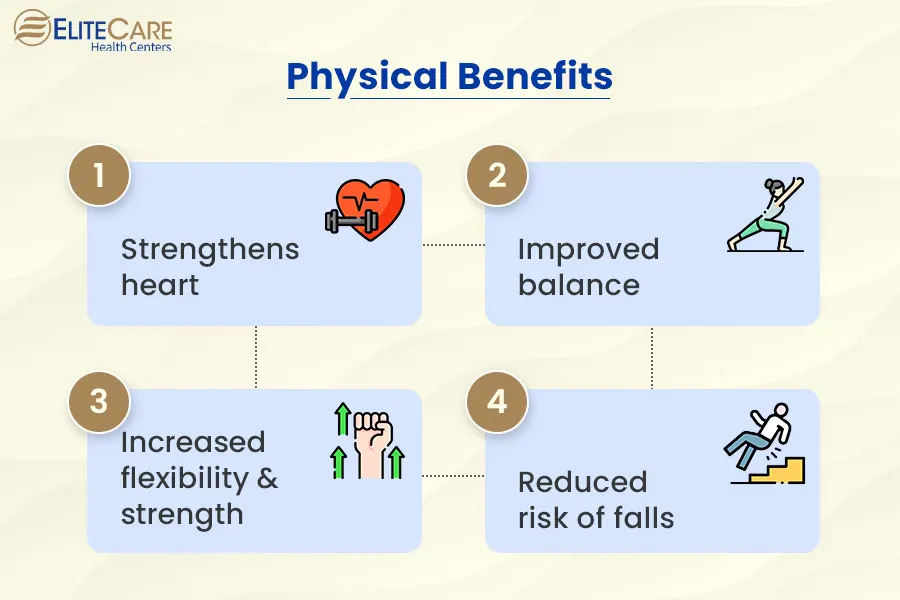
- Regular dance practice improves balance and gait in older adults, significantly reducing the risk of falls.
- Learning complex choreography engages the hippocampus, which helps improve memory and cognitive function.
- Dancing releases endorphins and dopamine, which are brain chemicals that naturally reduce stress and elevate mood.
- To avoid injury, always perform a five-minute dynamic warm-up, such as marching in place or gentle leg swings.
- A common mistake is wearing improper footwear; always choose shoes with adequate arch support and appropriate grip for the surface.
The bottom line
Dancing is a multifaceted activity that offers profound benefits for both the body and mind. By integrating physical exertion with rhythmic coordination, it improves cardiovascular health, boosts cognitive performance, and enhances emotional well-being. Whether you are a novice or an experienced mover, incorporating dance into your routine provides a sustainable, enjoyable path toward achieving lasting fitness, better balance, and a more vibrant, active lifestyle every day.
People also ask
Does dancing count as aerobic exercise?
Yes, dancing is considered a cardiovascular activity that strengthens the heart and lungs. Engaging in styles like salsa, hip-hop, or ballet for at least 150 minutes per week meets standard health guidelines.
Can dancing help with chronic pain?
Research suggests that low-impact dance, such as ballroom or folk dancing, can alleviate joint stiffness and improve flexibility. It encourages movement in a controlled way that often reduces discomfort associated with arthritis.
How often should a beginner practice to see results?
Beginners should aim for two to three sessions per week to build muscle memory and stamina. Starting with 20-minute sessions prevents burnout and allows the body to adapt to new physical demands.
Is dancing effective for weight loss?
Dancing is an effective tool for weight management when combined with a balanced diet. High-energy styles like Zumba or aerobic dance provide a full-body workout that increases metabolic rate.
What are the best dance styles for improving coordination?
Tap dancing and Irish step dancing are excellent for coordination because they require precise footwork and rhythm. These styles force the brain and feet to communicate rapidly, enhancing overall motor skills.
How can I prevent shin splints while dancing?
Shin splints are often caused by dancing on hard surfaces like concrete or wearing worn-out shoes. Use a sprung floor or a mat, and gradually increase the duration of your practice to let your muscles strengthen.
This answer was created with the help of AI research tools and reference sources. Spotted an error? Let us know — we correct mistakes quickly. See our editorial policy.