Where do octopuses live?
Short answer
Octopuses inhabit every ocean on Earth, ranging from shallow tropical tide pools to the freezing depths of the midnight zone. While most species prefer rocky reefs or coral environments where they can find dens, some occupy open water or sandy sea floors. They are found globally, excluding only the most extreme polar regions.
On this page
Where do octopuses live in the ocean?
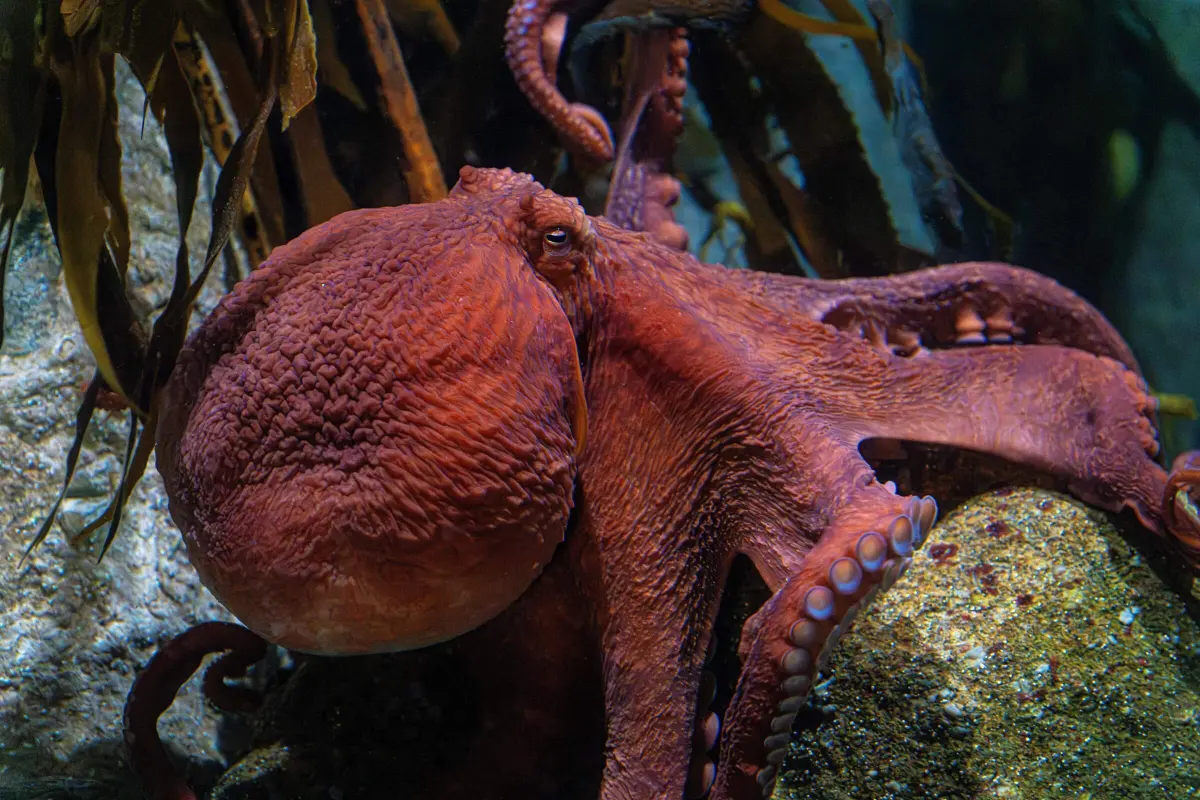
Octopuses are remarkably adaptable creatures that occupy a diverse array of marine environments across the globe. You can find them in every ocean, from the warm, sun-drenched waters of the tropics to the cold, high-pressure depths of the deep sea. Their distribution is largely dictated by their need for shelter and access to prey, such as crustaceans and mollusks.
Most octopuses are benthic, meaning they live on or near the ocean floor. They favor habitats that provide complex structures, such as coral reefs, rocky crevices, or beds of seagrass. These environments offer essential protection from predators and serve as ideal hunting grounds. Some species, however, have adapted to life in the open ocean, known as the pelagic zone, where they drift with currents rather than remaining tethered to a specific den.
- Shallow coastal waters: High prey availability and abundant hiding spots.
- Coral reefs: Complex architecture provides excellent camouflage and safety.
- Open ocean: Pelagic species hunt while suspended in the water column.
- Deep-sea trenches: Specialized species survive in extreme pressure and near-freezing temperatures.
How to find an octopus in the wild
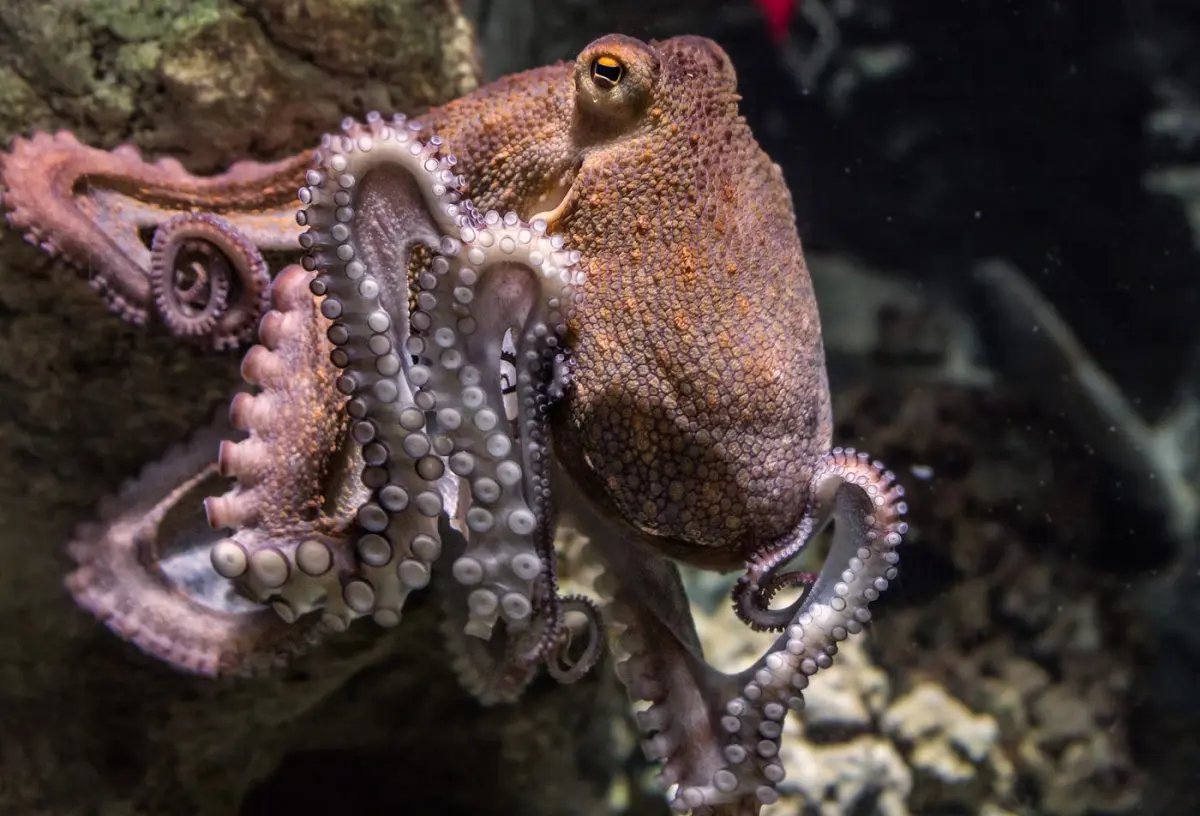
If you are snorkeling or diving, spotting an octopus requires a keen eye and patience. Because they are masters of camouflage, they often blend perfectly into their surroundings by changing the color and texture of their skin. Instead of looking for the animal itself, look for signs of their presence, such as a "midden," which is a pile of discarded shells and crab remains outside a den entrance.
Focus your search on areas with rocky outcrops or coral formations that provide small holes or crevices. Octopuses are nocturnal by nature, so you are more likely to see them during dusk or dawn when they emerge to hunt. Avoid poking or prodding at potential dens, as this causes significant stress to the animal and can lead to defensive behavior.
- Scan the seafloor for discarded shell piles, which indicate a nearby den.
- Look for movement that seems unnatural, such as a rock that appears to "breathe" or shift.
- Observe the texture of the substrate; octopuses often mimic the bumpy surface of coral.
- Maintain a respectful distance to ensure the animal does not feel threatened and retreat.
Why do octopuses change their habitats?
Octopuses are not strictly territorial in the way terrestrial mammals are, but they do have preferred home ranges. They may move between different dens to avoid predators or to follow shifting food sources. If a particular area becomes overfished or polluted, an octopus will instinctively relocate to a more suitable environment that offers better safety and resources.
Seasonal changes also influence where octopuses live. During mating seasons, individuals may travel longer distances to find a partner, often moving into deeper or shallower water depending on the species' specific reproductive requirements. Furthermore, some species undergo drastic habitat shifts throughout their life cycle. For example, many octopuses begin their lives as tiny, planktonic larvae drifting in the open ocean before settling into a benthic lifestyle as they mature into adults.
Common mistakes when looking for octopuses
A frequent mistake beginners make is assuming that octopuses are always hiding in deep, inaccessible caves. While they do use dens, they are often found in surprisingly shallow water, sometimes just a few feet deep in rocky tide pools. Another error is moving too quickly through an area; octopuses rely on stillness to stay hidden, and a fast-moving diver will likely cause them to remain perfectly camouflaged and invisible.
Many people also mistakenly believe that all octopuses are aggressive. While they are intelligent hunters, they are generally shy and prefer to retreat rather than engage with humans. Attempting to touch or handle an octopus is a significant mistake, as it can damage their delicate skin and cause them to release ink, which depletes their energy reserves. Always prioritize observation over interaction to ensure the animal remains healthy and undisturbed in its natural home.
Best environments for octopus survival
The ideal habitat for an octopus must provide three things: safety, food, and a stable environment. Areas with high biodiversity, such as coral reefs, are perfect because they offer a constant supply of crabs, shrimp, and small fish. These environments also provide a wealth of hiding spots, allowing the octopus to tuck itself away when it is not hunting.
- High-quality water: Free from excessive pollution or sediment that clogs their gills.
- Structural complexity: Rocks, shells, or coral that allow for secure denning.
- Abundant prey: Consistent access to small crustaceans and mollusks.
- Minimal disturbance: Areas with low human traffic or boat activity.
By understanding these requirements, researchers and conservationists can better protect the fragile ecosystems that support these highly intelligent cephalopods. Preserving the integrity of rocky reefs and protecting water quality are the most effective ways to ensure that octopus populations continue to thrive in their natural habitats across the world's vast and varied oceans.
Key facts
- Octopuses inhabit every ocean on Earth, ranging from shallow tide pools to the deep-sea floor.
- Most species prefer temperate or tropical waters, though some thrive in near-freezing polar environments.
- They are benthic creatures, meaning they spend the majority of their lives living on or near the seabed.
- To find an octopus, look for rocky crevices, coral reefs, or discarded shells where they hide to avoid predators.
- Avoid searching for them in polluted waters or areas with heavy boat traffic, as these environments are often inhospitable.
- When observing them in the wild, maintain a respectful distance to prevent the animal from becoming stressed or releasing ink.
The bottom line
Octopuses are remarkably adaptable creatures found in diverse marine environments across the globe. From the sunlit shallows of tropical coral reefs to the crushing, dark depths of the abyssal zone, they utilize their intelligence to find shelter in rocky crevices and seafloor debris. Understanding their need for protective dens and saltwater habitats is essential for anyone interested in observing these fascinating cephalopods in their natural home.
People also ask
Do octopuses live in freshwater?
No, octopuses are exclusively marine animals and require saltwater to survive. They lack the biological mechanisms to regulate their internal salt balance in freshwater environments.
How deep can an octopus live?
While many species stay in shallow coastal waters, some species like the Dumbo octopus have been filmed at depths of 7,000 meters. These deep-sea dwellers have adapted to extreme pressure and near-freezing temperatures.
Do octopuses migrate?
Most octopuses are solitary and territorial, staying within a limited home range throughout their lives. They generally do not undertake long-distance migrations like whales or sea turtles.
Can octopuses live on land?
Octopuses cannot live on land, but some species can crawl across exposed rocks for short periods to hunt for prey. They must keep their gills moist to breathe and will quickly suffocate if they remain out of water for too long.
Do they build permanent homes?
They do not build permanent structures but often create "dens" in natural crevices or holes. They frequently decorate these entrances with shells and stones, which are sometimes called "octopus gardens."
Are all octopuses found in coral reefs?
While reefs are popular habitats, octopuses also live in seagrass beds, sandy plains, and rocky kelp forests. Their habitat choice depends largely on the specific species and the availability of food and shelter.
This answer was created with the help of AI research tools and reference sources. Spotted an error? Let us know — we correct mistakes quickly. See our editorial policy.