Where do sea otters live?
Short answer
Sea otters inhabit the nearshore coastal waters of the North Pacific Ocean. Their range spans from the northern islands of Japan, through the Russian Kuril Islands and Kamchatka Peninsula, across the Aleutian Islands of Alaska, and down the western coast of North America to the central coastline of California.
On this page
Where do sea otters live geographically?
Sea otters occupy a narrow, crescent-shaped range along the rim of the North Pacific. They are strictly marine mammals, rarely venturing onto land except to rest or avoid severe storms. Their primary populations are concentrated in three distinct regions: the Russian Far East, the Alaskan archipelago, and the California coast. These animals prefer shallow, productive waters where they can easily reach the seafloor to forage for food.
The distribution of these populations is not continuous. Due to historical overhunting during the maritime fur trade of the 18th and 19th centuries, many colonies were isolated or eradicated. Today, conservation efforts have helped stabilize these groups, though they remain vulnerable to environmental changes. You will typically find them in these specific zones:
- The Commander Islands and Kuril Islands in Russia.
- The Aleutian Islands and the Gulf of Alaska.
- The central coast of California, specifically between San Mateo and Santa Barbara counties.
What kind of habitat do sea otters need?
Sea otters require specific environmental conditions to survive, primarily centered around the presence of kelp forests. These underwater ecosystems provide essential protection from strong currents and predators, such as sharks. The dense canopy of giant kelp or bull kelp acts as a natural anchor, allowing otters to wrap themselves in the fronds while they sleep so they do not drift away with the tide.
Beyond the physical structure of the kelp, these animals need water that is rich in nutrients and prey. They thrive in rocky, nearshore environments where the depth is generally less than 130 feet. This depth allows them to dive efficiently to the bottom to retrieve urchins, clams, and crabs. They avoid deep, open ocean waters where food is harder to access and the lack of shelter leaves them exposed to the elements.
How to spot sea otters in the wild
If you are planning a trip to observe sea otters, you must know where and when to look. The best strategy is to visit protected coastal areas during the early morning or late afternoon when they are most active. Use binoculars or a spotting scope to scan the surface of the water near kelp beds, as they are often difficult to see with the naked eye from the shore.
Follow these steps to ensure a successful and ethical wildlife viewing experience:
- Research local marine sanctuaries or state parks known for otter sightings.
- Maintain a distance of at least 50 yards to avoid causing the animals stress.
- Use a telephoto lens if you intend to take photographs to prevent disturbing their natural behavior.
- Scan the kelp canopy for small, dark shapes bobbing on the surface.

Why do sea otters stay near the shore?
The reliance on nearshore environments is driven by the sea otter's unique physiology. Unlike other marine mammals such as whales or seals, sea otters do not have a layer of blubber to keep them warm. Instead, they rely on an extremely dense coat of fur that traps air to provide insulation. Staying in shallow, protected waters minimizes the energy they must spend fighting cold currents and maintaining their body temperature.
Furthermore, their high metabolic rate requires them to consume up to 25 percent of their body weight in food every single day. By remaining in shallow, rocky habitats, they minimize the energy cost of diving to great depths. If they lived in deep water, the caloric cost of foraging would exceed the energy they gain from their prey, leading to rapid starvation. Their habitat choice is essentially a survival strategy dictated by their biological need for constant, high-calorie intake.
Common mistakes when looking for sea otters
A frequent error enthusiasts make is assuming that sea otters can be found on sandy beaches or in open, boat-heavy channels. Otters generally avoid areas with high boat traffic because the noise and movement disrupt their foraging and resting patterns. If you are searching in a busy harbor or a wide, sandy bay, you are unlikely to encounter them. Focus instead on quiet, rocky coves where kelp growth is abundant and human activity is restricted.
Another mistake is misidentifying other marine animals as sea otters. People often confuse them with river otters, which are sometimes seen in estuaries, or harbor seals, which frequently haul out on rocks. Remember these key differences to avoid confusion:
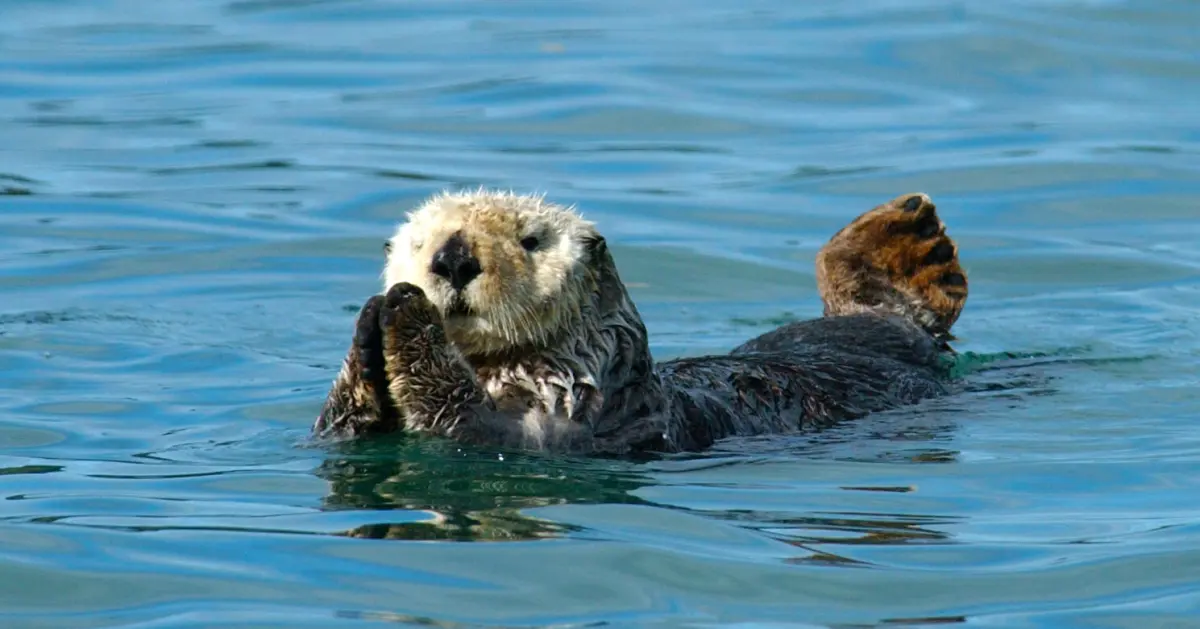
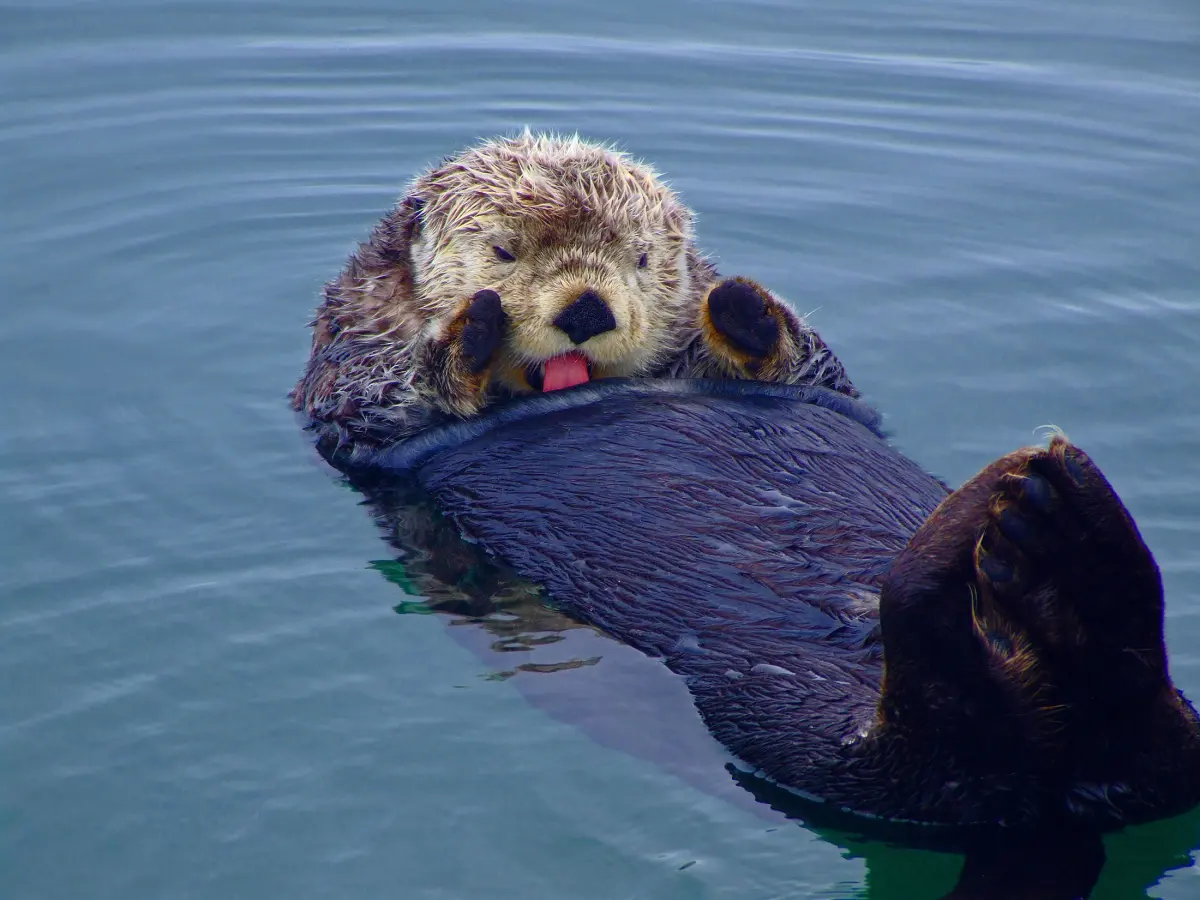
- Sea otters float on their backs; seals and river otters almost never do.
- Sea otters have a distinct, rounded head and a blunt nose.
- Sea otters are almost always found in the water, whereas seals spend significant time resting on land.
By focusing your search on the specific, kelp-rich environments they call home, you significantly increase your chances of seeing these fascinating creatures in their natural habitat.
Key facts
- Sea otters inhabit the nearshore coastal waters of the North Pacific Ocean, ranging from Japan to Baja California.
- They prefer shallow, rocky environments that provide access to kelp forests and abundant invertebrate prey.
- Unlike other marine mammals, sea otters rely on their exceptionally dense fur rather than blubber to maintain body heat.
- They rarely venture onto land, spending nearly their entire lives in the water, including sleeping, grooming, and nursing pups.
- Conservation efforts have successfully reintroduced populations to areas like the coast of Washington and British Columbia.
- When observing them, always maintain a distance of at least 50 yards to avoid causing stress or forcing them to flee.
The bottom line
Sea otters are specialized marine mammals that thrive exclusively in the nearshore environments of the North Pacific Ocean. By anchoring themselves in kelp forests, they create stable homes where they hunt, groom, and raise their young. Protecting these coastal habitats is essential, as the presence of sea otters is a vital indicator of a balanced ocean ecosystem that supports a wide variety of marine life.
People also ask
Do sea otters live in freshwater rivers?
No, sea otters are strictly marine mammals and require saltwater environments to survive. They lack the physiological adaptations to live in freshwater habitats, unlike their relatives, the river otters.
How deep can sea otters dive to find food?
While they typically forage in shallow waters, sea otters can dive to depths of 300 feet. They primarily hunt for sea urchins, clams, and crabs on the ocean floor.
Do sea otters migrate long distances?
Sea otters are generally non-migratory and remain within a relatively small home range throughout their lives. They tend to stay in the same kelp forest areas as long as food supplies remain stable.
Why are sea otters considered a keystone species?
They play a critical role in maintaining the health of kelp forest ecosystems by preying on sea urchins. Without otters, urchin populations can explode and overgraze the kelp, leading to the collapse of the habitat.
Can sea otters live in captivity?
Yes, some sea otters live in aquariums and zoos, often as rescues that cannot be released into the wild. These facilities provide specialized care and veterinary support to ensure their complex dietary and grooming needs are met.
Are sea otters found in the Atlantic Ocean?
No, sea otters are native only to the North Pacific. Historical populations existed in the Atlantic, but they are not currently found there in the wild.
This answer was created with the help of AI research tools and reference sources. Spotted an error? Let us know — we correct mistakes quickly. See our editorial policy.