What is the difference between a bee and a wasp?
Short answer
Bees and wasps belong to the same insect order, Hymenoptera, but differ significantly in diet, body shape, and behavior. Bees are typically hairy, vegetarian pollinators that collect pollen, while wasps are generally smooth-skinned predators or parasites. While bees die after losing their stinger, many wasp species can sting multiple times without injury.
On this page
How to tell a bee from a wasp
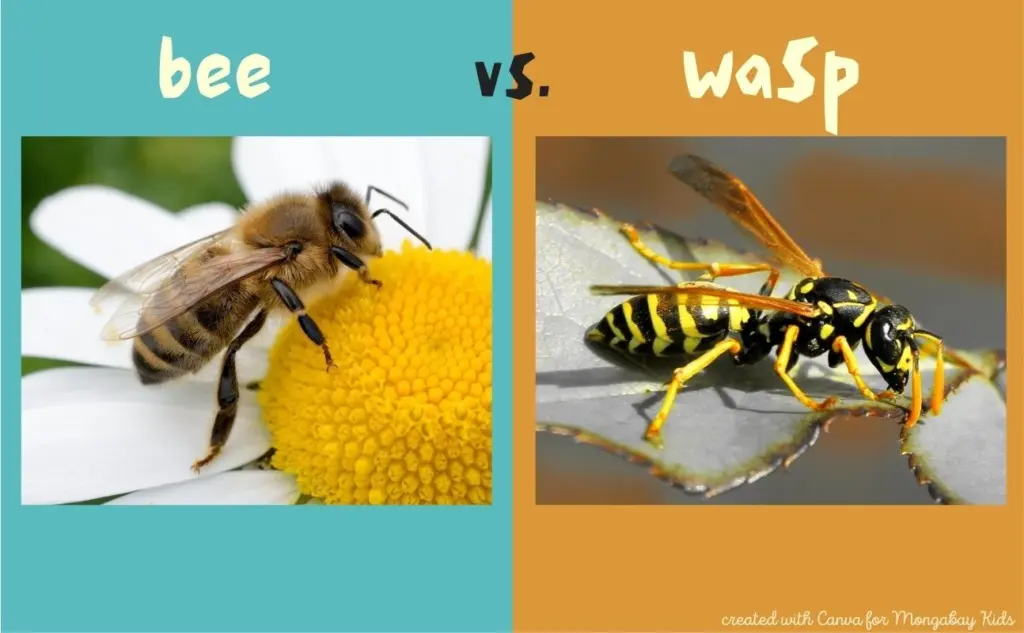
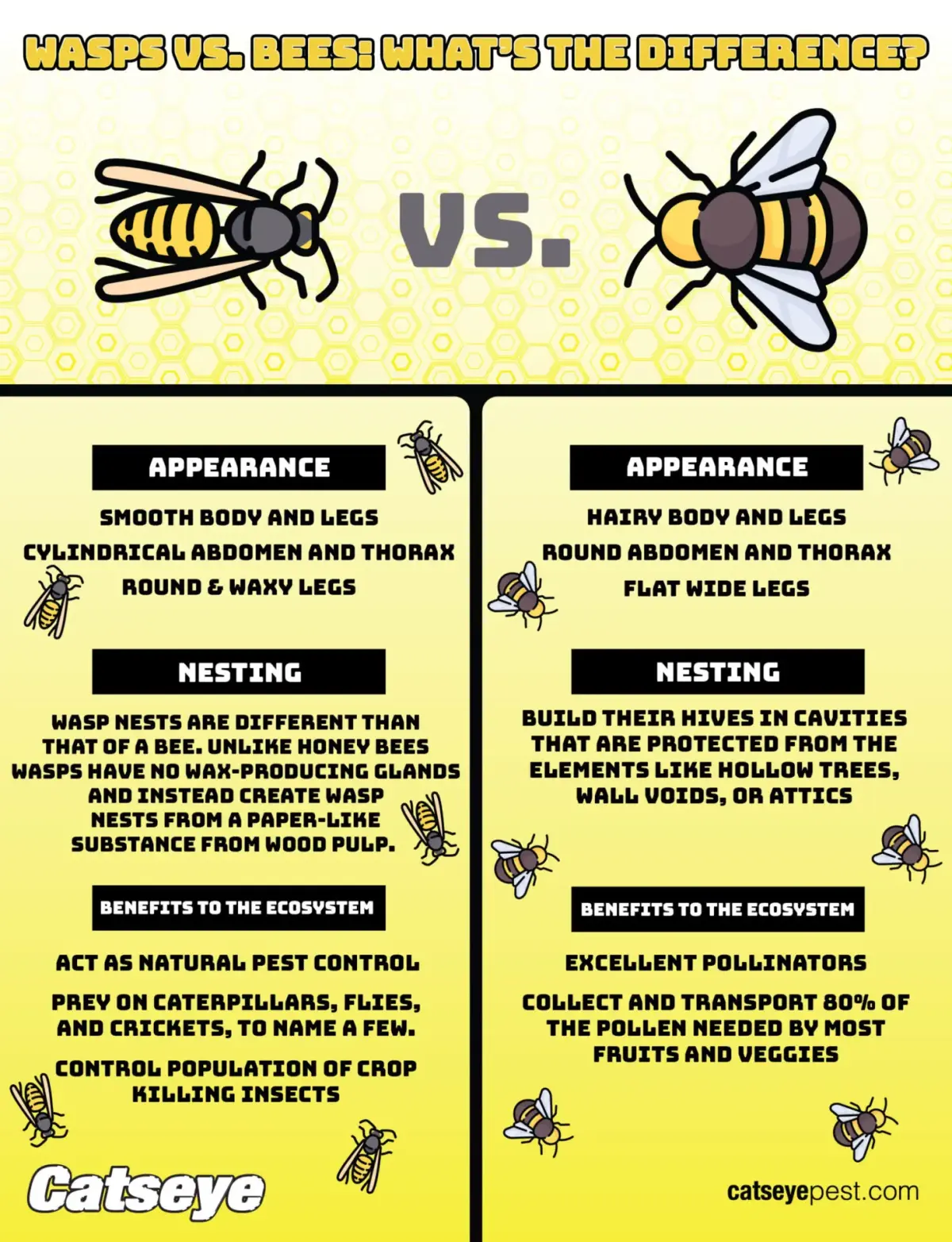
The most reliable way to distinguish between these insects is by observing their physical appearance and hair density. Bees, such as the common honeybee (Apis mellifera), possess fuzzy, branched hairs designed to trap pollen grains as they move between flowers. In contrast, wasps, including yellowjackets and hornets, appear sleek, shiny, and almost hairless. Their bodies often feature a very narrow "waist," known as a petiole, which creates a distinct separation between their thorax and abdomen.
Coloration also provides a helpful visual cue for identification. While both insects often display yellow and black warning colors, bees tend to have more muted, earthy tones of brown, orange, or golden yellow. Wasps frequently exhibit vibrant, high-contrast patterns of bright yellow, white, or deep black. If you observe an insect, consider these physical traits:
- Hairiness: Bees are fuzzy; wasps are smooth.
- Body shape: Bees are generally rounder; wasps are slender with a pinched waist.
- Legs: Bees have flattened hind legs for carrying pollen; wasps have thin, cylindrical legs.
What do bees and wasps eat
Dietary habits represent the most fundamental difference between these two groups of insects. Bees are strictly vegetarian, feeding exclusively on nectar and pollen throughout their life cycles. They act as essential pollinators, visiting flowers to gather the energy-rich nectar and protein-packed pollen required to feed their developing larvae. This mutualistic relationship with plants makes bees vital to global food security and ecosystem health.
Wasps, however, are primarily carnivores or omnivores. Adult wasps often consume nectar for quick energy, but they hunt other insects—such as caterpillars, flies, or spiders—to provide protein for their young. Some species are scavengers that are attracted to human food, particularly sugary drinks and proteins like meat. This dietary difference explains why you are likely to see wasps hovering near a picnic table, while bees are far more interested in the flowers nearby. Understanding this distinction helps in managing encounters, as wasps are more likely to be attracted to your lunch than bees are.
Why do bees and wasps sting
Stinging is a defensive mechanism, but the biological consequences for the insect differ drastically. Honeybees possess barbed stingers that become lodged in the elastic skin of mammals. When the bee attempts to fly away, the stinger remains in the skin, causing the bee to suffer a fatal abdominal rupture. Because of this, honeybees are generally reluctant to sting unless they feel their hive or life is directly threatened.
Wasps, such as yellowjackets and paper wasps, have smooth, needle-like stingers. They can retract these stingers easily after a strike, allowing them to sting multiple times in rapid succession without harming themselves. This biological advantage makes wasps more aggressive when defending their nests. If you encounter a nest, it is important to recognize the difference in threat levels:
- Honeybees: Usually calm unless disturbed; they die after stinging.
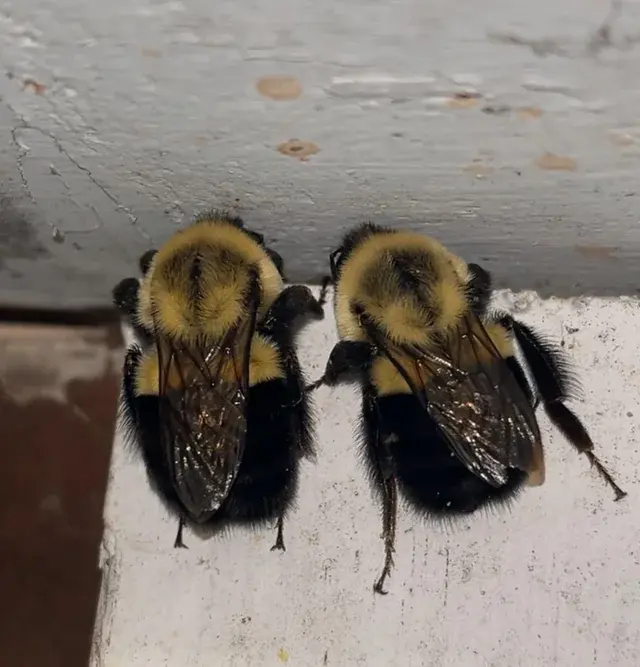
- Bumblebees: Generally docile but can sting repeatedly.
- Yellowjackets: Highly territorial and prone to swarming if their nest is approached.
- Hornets: Large and aggressive when their colony is threatened.
Common mistakes when identifying insects
A frequent error is assuming that all yellow-and-black flying insects are bees. Many people misidentify hoverflies—harmless insects that mimic the appearance of wasps to deter predators—as dangerous stinging insects. Another common mistake is failing to notice the nesting site, which provides clear evidence of the species. Honeybees typically build wax combs inside hollow trees or cavities, while paper wasps construct open, umbrella-shaped nests made of a papery pulp derived from chewed wood fibers.
People also often confuse the temperament of different species. For instance, bumblebees are large and loud, which can be intimidating, yet they are among the most gentle pollinators. Conversely, people may ignore a small, slender insect that is actually a predatory wasp, assuming it is a harmless bee. To avoid confusion, focus on the insect's activity. If it is visiting a flower, it is likely a bee. If it is investigating your trash can or hovering persistently around your soda, it is almost certainly a wasp.
How to stay safe around stinging insects
If you find yourself in the presence of bees or wasps, the best strategy is to remain calm and move slowly. Avoid swatting or making sudden, jerky movements, as these actions are interpreted as threats and can trigger a defensive response. If a wasp approaches you, simply walk away steadily rather than running, which may cause the insect to follow you. Never attempt to remove a nest yourself if you are unsure of the species or if you have a known allergy to stings.
If you are stung, the first priority is to move away from the immediate area to avoid further stings from the colony. For honeybee stings, use a credit card to gently scrape the stinger out of the skin rather than pinching it, which can release more venom. Apply a cold compress to reduce swelling and monitor for signs of an allergic reaction. If you experience difficulty breathing, dizziness, or swelling of the throat, seek emergency medical attention immediately, as these are signs of anaphylaxis.
Key facts
- Bees are typically covered in branched, fuzzy hairs designed to collect pollen, while wasps generally have smooth, shiny bodies with few hairs.
- Most bees are vegetarians that feed exclusively on pollen and nectar, whereas wasps are predators or scavengers that hunt other insects.
- A honeybee can only sting once because its barbed stinger becomes lodged in human skin, while wasps have smooth stingers and can sting repeatedly.
- Bees are essential pollinators for about one-third of the human food supply, including many fruits, vegetables, and nuts.
- Wasps are beneficial for natural pest control because they feed on garden pests like caterpillars, aphids, and flies.
- If you encounter a nest, avoid swatting; move away slowly and calmly to avoid triggering a defensive response from the colony.
The bottom line
Distinguishing between bees and wasps is primarily a matter of observing body hair and diet. Bees are fuzzy, pollen-collecting pollinators vital to our ecosystem, while wasps are smooth-bodied predators that help control insect populations. Understanding these differences allows you to coexist safely with both groups. When in doubt, keep your distance, avoid sudden movements, and appreciate the unique roles these insects play in maintaining a healthy environment.
People also ask
Do all bees die after they sting?
Only the honeybee dies after stinging a mammal because its barbed stinger gets stuck in the skin. Other bee species, such as bumblebees and carpenter bees, have smooth stingers and can sting multiple times without dying.
Why are wasps considered more aggressive than bees?
Wasps are territorial predators that protect their nests vigorously, often reacting to perceived threats with little provocation. Bees are generally focused on foraging and will usually only sting if they feel their hive is directly threatened or if they are physically squeezed.
How can you tell a bee nest from a wasp nest?
Bee nests are often found in hollow trees, wall cavities, or underground and may contain wax honeycomb structures. Wasp nests are frequently constructed from a paper-like material made of chewed wood fibers and are often shaped like hanging gray spheres or umbrellas.
Are yellowjackets bees or wasps?
Yellowjackets are a type of social wasp, not bees. They are easily identified by their bright yellow and black markings, smooth bodies, and tendency to scavenge for human food at picnics or outdoor events.
What should I do if I am allergic to stings?
If you have a known allergy, carry an epinephrine auto-injector at all times and seek immediate medical attention if stung. Avoid wearing bright colors or strong perfumes, as these can inadvertently attract stinging insects.
Do bees and wasps hibernate in the winter?
In many species, the entire colony dies off in the winter, leaving only the newly mated queen to hibernate in a protected spot. She emerges in the spring to start a new colony, while honeybee colonies survive the winter by huddling together for warmth.
This answer was created with the help of AI research tools and reference sources. Spotted an error? Let us know — we correct mistakes quickly. See our editorial policy.