Why are bees important?
Short answer
Bees are essential to global ecosystems and human food security because they act as primary pollinators for a vast array of flowering plants. By transferring pollen between blossoms, they facilitate the reproduction of crops and wild flora, directly supporting biodiversity and the production of approximately one-third of the human food supply.
On this page
Why are bees important for the environment?
Bees serve as the backbone of terrestrial ecosystems by ensuring the reproduction of diverse plant species. Through the process of pollination, bees enable plants to produce seeds, fruits, and nuts, which in turn provide food and habitat for countless other animals. Without these insects, many plant populations would decline rapidly, leading to a collapse in the food chain that sustains birds, mammals, and insects.
Beyond their role in reproduction, bees contribute to the health of the soil and the maintenance of genetic diversity within plant communities. By visiting a wide variety of flowers, they facilitate cross-pollination, which creates stronger, more resilient plant populations capable of adapting to environmental changes. This natural service is irreplaceable, as no other group of animals is as efficient or as widespread in their pollination activities.
How do bees support human food production?
The economic and nutritional value of bees is immense, as they are responsible for pollinating many of the world’s most nutrient-dense foods. Crops such as almonds, apples, blueberries, strawberries, and broccoli rely heavily on insect pollination to produce viable yields. Without the intervention of bees, global agricultural output would drop significantly, leading to higher food prices and a lack of access to essential vitamins and minerals.
While some crops are wind-pollinated, the majority of the fruits and vegetables that form the basis of a healthy human diet require animal-assisted pollination. The following list highlights the impact of bees on common food items:
- Almonds: Nearly 100% dependent on honeybee pollination.
- Apples: Yields increase by up to 70% with active bee visitation.
- Coffee: Pollination by bees improves both the quality and quantity of coffee bean production.
- Melons: Require multiple visits from bees to ensure fruit development and uniform shape.
What are the best ways to help bees?
Creating a bee-friendly environment is a practical way to support local populations that are currently facing threats from habitat loss and pesticide exposure. You can start by transforming a small portion of your lawn or balcony into a sanctuary that provides both food and nesting sites. By choosing the right plants and maintaining a clean environment, you provide a lifeline for native species.
To create a successful pollinator garden, follow these simple steps:
- Select native plants: Choose flowers that are indigenous to your region, as local bees have evolved to thrive on them.
- Provide a water source: Place a shallow dish with stones and water in your garden so bees can land and drink without drowning.
- Avoid chemicals: Refrain from using synthetic pesticides or herbicides, which can be toxic to bees even in small doses.
- Leave bare ground: Many native bees are ground-nesters and require patches of undisturbed soil to build their homes.
Why are bee populations declining?
Bee populations are currently threatened by a combination of factors, often referred to as the "four Ps": pests, pathogens, poor nutrition, and pesticides. The widespread use of neonicotinoids and other systemic insecticides has been linked to impaired navigation and weakened immune systems in bees. These chemicals often persist in the environment, meaning that even if a garden is not sprayed directly, bees may encounter toxins on nearby agricultural lands.
Habitat loss remains the most significant driver of decline, as urban sprawl and intensive monoculture farming replace diverse wildflower meadows with sterile landscapes. When bees are forced to travel longer distances to find food, they expend more energy, leaving them less capable of reproducing or surviving the winter. Climate change further exacerbates these issues by causing "phenological mismatch," where flowers bloom before bees emerge from hibernation, leaving the insects without a reliable food source.
Common mistakes when trying to help bees
One of the most frequent errors people make is purchasing "wildflower seed mixes" that contain invasive or non-native species. These plants may look attractive but often provide little to no nutritional value for local bee populations. Always check the origin of your seeds and prioritize species that are native to your specific geographic area to ensure the best results for your local ecosystem.
Another common mistake is over-managing your garden space, which can inadvertently destroy nesting sites. Many people feel compelled to tidy up their yards by removing dead wood, hollow stems, and leaf litter during the autumn and winter months. However, these materials are essential winter shelters for solitary bees and other beneficial insects. To avoid these issues, adopt a more relaxed approach to landscaping:
- Leave dead stalks and stems standing until late spring to protect hibernating larvae.
- Avoid using heavy mulches that cover the ground entirely, as this prevents ground-nesting bees from accessing the soil.
- Do not be afraid of a "messy" garden, as it is often the most productive habitat for pollinators.
Key facts
- Bees pollinate approximately 75 percent of the world's food crops, including fruits, vegetables, and nuts.
- A single honeybee colony can contain between 20,000 and 60,000 bees at the height of the summer season.
- Honeybees are the only insect that produces food consumed by humans, specifically honey and royal jelly.
- To help local bee populations, plant native flowers that bloom at different times throughout the growing season.
- Avoid using pesticides in your garden, as these chemicals can be toxic to bees even in small doses.
- Provide a shallow water source, such as a birdbath with pebbles, so bees can drink without drowning.
The bottom line
Bees are indispensable to our global food supply and the health of natural ecosystems. By pollinating a vast array of crops and wild plants, they ensure biodiversity and food security. Protecting these insects through habitat conservation and reducing chemical use is vital for the environment. Simple actions, such as planting native flowers and providing water, help sustain these essential pollinators for future generations to enjoy.
People also ask
Do all bees produce honey?
No, only honeybees and a few species of stingless bees produce honey in quantities useful to humans. Most of the world's 20,000 bee species are solitary and focus entirely on pollination rather than honey storage.
Are bees aggressive toward humans?
Most bees are docile and will only sting if they feel threatened or if their hive is disturbed. Honeybees die after stinging, so they avoid doing so unless it is a last resort to protect their colony.
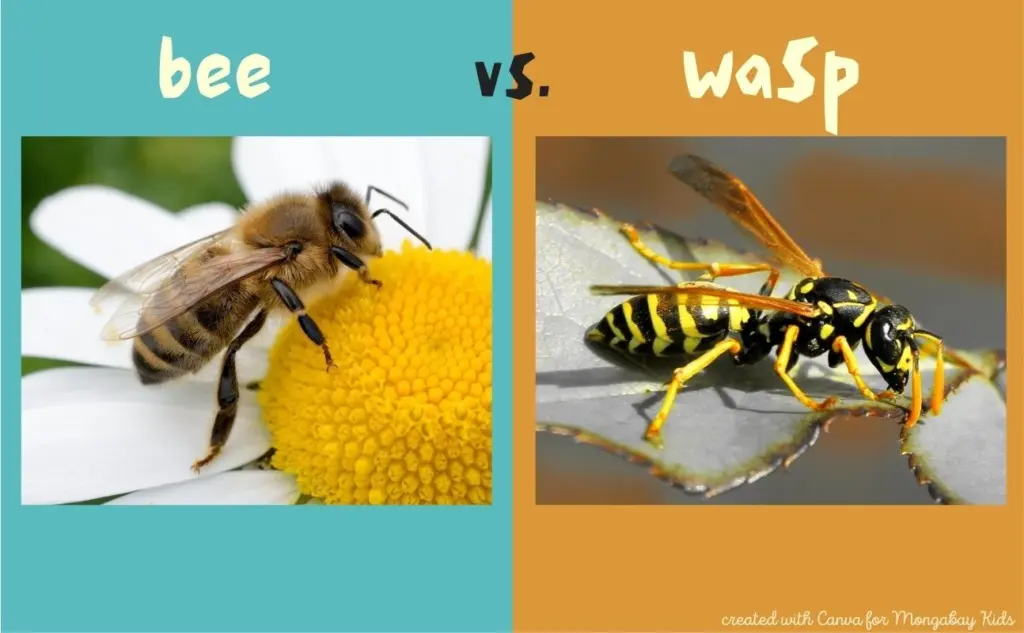
What is the difference between a bee and a wasp?
Bees are generally hairier and feed on nectar and pollen, while wasps are smoother and often hunt other insects. Bees are essential pollinators, whereas wasps play a different role in the ecosystem as predators and scavengers.
Read the full answer →Why are bee populations declining?
Bee populations face threats from habitat loss, the widespread use of pesticides, climate change, and the spread of parasites like the Varroa mite. These factors work together to weaken colonies and reduce their survival rates.
Can I keep bees in an urban environment?
Yes, urban beekeeping is increasingly popular and can be successful if you have enough space and access to nectar sources. You must check local ordinances and ensure you have the proper training to manage a hive responsibly.
What should I do if I find a bee swarm?
Do not panic, as swarming bees are usually non-aggressive because they have no hive to defend. Contact a local beekeeping association, as they often have volunteers who will safely collect the swarm for relocation.
This answer was created with the help of AI research tools and reference sources. Spotted an error? Let us know — we correct mistakes quickly. See our editorial policy.