Are pythons dangerous to humans?
Short answer
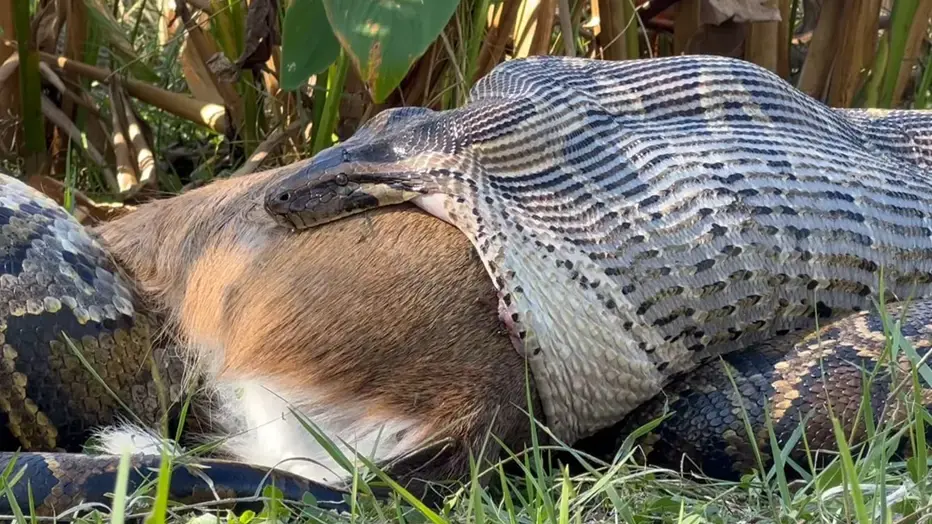
Pythons are generally not dangerous to humans, as they rarely view people as prey. While large species like the reticulated python are physically capable of killing an adult, unprovoked attacks are exceptionally rare. Most encounters result in no harm, provided individuals maintain a respectful distance and avoid cornering or threatening these reptiles.

On this page
Are pythons dangerous to humans?
Most pythons are shy, non-venomous snakes that prefer to avoid human contact entirely. Unlike venomous snakes, which may strike defensively, pythons typically retreat when they sense a human presence. The danger level depends almost entirely on the size of the snake and the circumstances of the encounter. Small to medium-sized pythons, such as ball pythons, pose virtually no threat to humans and are frequently kept as docile pets.
However, massive species like the reticulated python (Malayopython reticulatus) and the African rock python (Python sebae) possess the physical strength to constrict and potentially kill a human. While these incidents are statistically negligible compared to other animal-related injuries, they do occur in specific contexts. Fatalities are almost exclusively limited to situations involving very large specimens in close, captive, or territorial proximity. In the wild, these snakes prioritize smaller, easier-to-swallow prey like rodents, birds, and small mammals.
Why do python attacks happen?
Attacks on humans are rarely predatory in nature; they are almost always defensive reactions. A python may strike if it feels threatened, cornered, or if it mistakes a human’s hand for food during feeding time. Because pythons rely on heat-sensing pits to locate prey, a warm hand reaching into an enclosure can trigger a predatory response. This is why experienced keepers emphasize the importance of using tools rather than bare hands.
Environmental factors also play a significant role in snake behavior. If a snake is shedding its skin, it may be more irritable and prone to striking because its vision is obscured. Additionally, maternal pythons guarding their nests can become highly aggressive toward anything that approaches their eggs. Understanding these behavioral triggers is essential for anyone living or working near these animals. Avoiding these specific scenarios significantly reduces the risk of an unwanted encounter.
- Never handle a snake while it is in the "blue" phase (when its eyes turn cloudy before shedding).
- Avoid reaching into a dark hide or enclosure without first alerting the snake to your presence.
- Keep hands away from the head area of the snake to prevent accidental bites.
- Do not attempt to move a wild snake; allow it to move away on its own.
How to stay safe around pythons
If you encounter a python in the wild, the best course of action is to stop moving and maintain a safe distance. Most snakes will not pursue a human, as they have no interest in engaging with a creature that is too large to consume. If you are hiking in areas where pythons are native, stay on marked trails and wear long pants to minimize exposed skin.
If you must interact with a python in a captive setting, always prioritize safety protocols. Never handle a large python alone, as a second person is necessary to manage the snake's body if it becomes stressed or begins to constrict. Furthermore, ensure that your enclosure is secure, as escapes can lead to panic in residential areas. By following these basic safety steps, you can coexist peacefully with these reptiles without incident.
- Maintain a distance of at least one body length from the snake.
- Move slowly and avoid making sudden, erratic motions that could be perceived as a threat.
- If the snake is blocking a path, wait for it to move or find an alternate route.
- If bitten, clean the wound thoroughly with soap and water and seek medical attention to prevent infection.
Common mistakes when handling pythons
One of the most frequent errors people make is underestimating the strength of a large constrictor. Owners sometimes attempt to handle a snake that is too large for them to control safely, which can lead to the snake wrapping around their torso or neck. This is a dangerous situation that can quickly escalate if the handler panics. Always respect the animal's size and physical capabilities.
Another common mistake is failing to wash hands after handling food items, such as frozen rodents, before touching the snake. The scent of prey on your fingers can trigger a feeding strike, even if the snake is otherwise calm. Additionally, many people make the mistake of assuming that a "tame" snake will never bite. Any animal with a mouth can bite under the right circumstances. Maintaining professional boundaries and keeping your hands away from the snake’s face during handling is the most effective way to avoid injury.
What to do if a python bites
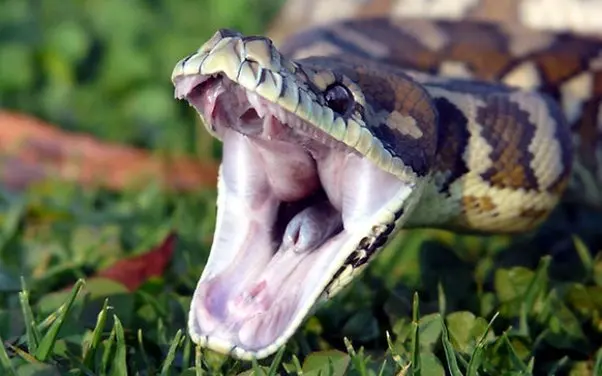
If you are bitten by a python, your immediate reaction should be to remain calm. A python's teeth are curved backward, meaning that pulling away forcefully will only cause the teeth to tear the skin further. Instead, stay still and wait for the snake to realize you are not food; often, it will release its grip on its own within a few seconds.
If the snake does not release, you can use a small amount of rubbing alcohol or a mild soap solution near the snake's mouth, which will often cause it to let go immediately. Once the snake has released, focus on wound care. Because snake mouths contain bacteria, you must wash the area with antiseptic soap and apply a sterile bandage. If the bite is deep or if you have not had a tetanus shot in the last five to ten years, visit a doctor to ensure the wound heals properly without complications.
Key facts
- Only a few giant python species, such as the reticulated and African rock python, are physically capable of posing a lethal threat to adult humans.
- Pythons are non-venomous constrictors that kill by wrapping their bodies around prey to induce circulatory arrest, not by crushing bones.
- Most python species are shy and will attempt to flee or hide when they encounter a human rather than engage in conflict.
- Attacks on humans are extremely rare and almost always occur when an animal feels cornered, threatened, or mistakes a person for prey.
- Never handle large pythons alone, as a snake over 8 feet long can easily overpower a single person during a feeding response or defensive strike.
- If a snake bites you, do not pull away, as the backward-curving teeth will cause more tissue damage; instead, remain still until the animal releases.
The bottom line
While pythons are formidable predators, they pose a negligible risk to humans in most circumstances. They are naturally reclusive animals that prefer avoiding contact with people. By maintaining a respectful distance, avoiding the handling of large wild specimens, and understanding basic defensive behaviors, you can safely coexist with these reptiles. Ultimately, the danger is vastly overstated in popular media, as fatal encounters remain statistically rare globally.
People also ask
Can a python swallow a human whole?
While large pythons like the reticulated python can consume large mammals, the human shoulder girdle is generally too wide for them to ingest an adult. There are very few documented cases of humans being consumed, and these involve smaller individuals and exceptionally large snakes.
How can I tell if a python is about to strike?
A threatened python will often coil its body into an "S" shape, hiss loudly, and puff up its body to appear larger. If you observe these defensive postures, you should slowly back away without making sudden movements.
Are pet pythons safe to keep at home?
Ball pythons and other smaller species are generally docile and widely considered safe pets for experienced keepers. However, keeping giant constrictors requires specialized training and secure enclosures to prevent accidental escapes or injuries.
What should I do if a python wraps around my arm?
Do not panic or try to yank your limb free, as this triggers the snake's constriction reflex. Use a blunt object or your other hand to gently pry the snake's tail tip or body away from the anchor point to break its grip.
Do pythons hunt humans for food?
Humans are not natural prey for pythons, and the snakes do not actively hunt people. Attacks are almost exclusively defensive or the result of a "feeding error" where the snake strikes at movement in a captive environment.
What is the most dangerous python species?
The reticulated python, found in Southeast Asia, is considered the most dangerous due to its immense size and aggressive temperament. It is the longest snake in the world and the species most frequently involved in rare, fatal incidents.
This answer was created with the help of AI research tools and reference sources. Spotted an error? Let us know — we correct mistakes quickly. See our editorial policy.