What do pythons eat?
Short answer
Pythons are carnivorous constrictors that feed exclusively on vertebrate prey. Their diet ranges from small rodents and birds for hatchlings to large mammals like antelope or pigs for mature giant species. They swallow their food whole, using powerful muscles to suffocate prey before consuming it headfirst to facilitate easier digestion.
On this page
What do pythons eat in the wild?
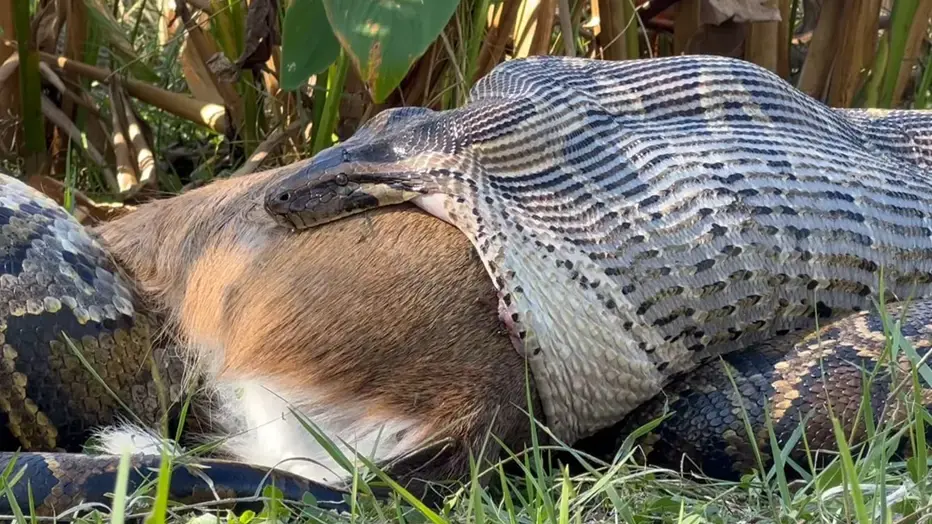
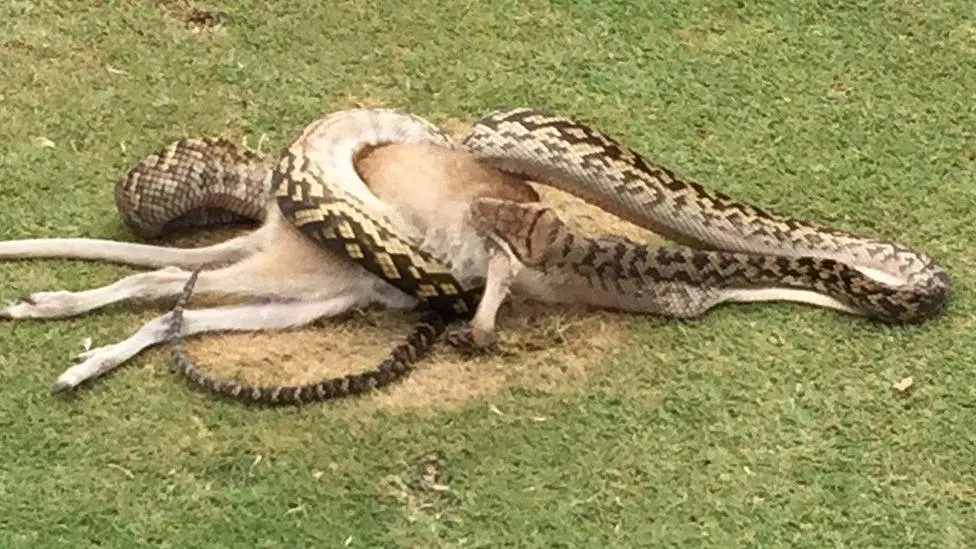
Pythons are opportunistic predators that consume a wide variety of animals based on their size and habitat. Smaller species, such as the ball python, primarily hunt rodents, frogs, and small birds. As pythons grow, their dietary requirements shift toward larger targets. Large species like the reticulated python or the African rock python are capable of taking down significant prey, including monkeys, monitor lizards, and occasionally medium-sized ungulates.
The hunting strategy of a python relies on ambush. They remain motionless for hours, waiting for a victim to wander within striking distance. Once the prey is close, the snake lunges, secures the animal with its teeth, and coils its body around the target. Constriction stops the prey's blood flow and breathing, allowing the snake to consume the meal safely. Because they are ectothermic, pythons do not need to eat as frequently as mammals, often going weeks or months between large meals.
How to feed a pet python safely
Feeding a pet python requires careful attention to the size and type of prey provided. Most keepers use pre-killed, frozen-thawed rodents to prevent the snake from being injured by a live animal. It is essential to ensure the prey item is not significantly wider than the thickest part of the snake’s body, as this can cause regurgitation or digestive stress.
- Thaw the frozen rodent completely in warm water until it reaches body temperature.
- Use long feeding tongs to present the prey to the snake, mimicking the movement of a live animal.
- Allow the snake to strike and constrict the prey naturally.
- Leave the snake undisturbed in its enclosure for 48 hours after feeding to ensure proper digestion.
Avoid handling your python for at least two days after a meal. If you disturb them too soon, they may become stressed and regurgitate the food, which is physically taxing and harmful to their health.
How long does it take for a python to digest?
Digestion in pythons is a highly intensive metabolic process. After a large meal, the snake’s heart rate increases, and its organs—including the stomach and liver—can grow significantly in size to process the proteins and fats. For a small meal, digestion might take only a few days, but a massive meal can require several weeks for complete breakdown.
During this period, the snake remains largely inactive to conserve energy. The digestive process is so demanding that pythons often experience a temporary drop in their immune function. It is common for snakes to seek out warmer areas of their enclosure during this time, as higher temperatures help accelerate the chemical reactions required to break down bone and fur. Owners should monitor their snake’s behavior closely, ensuring they have access to a proper thermal gradient to facilitate this vital biological process.
Common mistakes when feeding pythons
One of the most frequent errors owners make is overfeeding. While it is tempting to provide food frequently to encourage growth, excessive feeding leads to obesity, which significantly shortens a python’s lifespan and causes organ failure. Another common mistake is attempting to feed a snake while it is in the process of shedding its skin. During this phase, the snake’s eyes are clouded, and its vision is impaired, making it feel vulnerable and prone to refusing food or acting defensively.
- Feeding prey that is too large for the snake's current size.
- Handling the snake immediately before or after a feeding session.
- Providing live prey that can bite or scratch the snake.
- Ignoring the snake’s refusal to eat, which may indicate illness or improper environment.
- Using the same tongs for handling and feeding, which can cause the snake to associate your hands with food.
Always maintain a consistent schedule and keep a record of feedings to track the snake's growth and health trends over time.
Why do pythons go on hunger strikes?
It is not uncommon for pythons to stop eating for extended periods, a behavior often referred to as a hunger strike. In the wild, this is a natural response to seasonal changes or a lack of available prey. In captivity, this behavior is usually triggered by environmental stressors, such as an enclosure that is too cold, too bright, or lacking adequate hiding spots. If a python feels insecure, it will prioritize survival over feeding.
Before assuming a health issue, check that the enclosure temperatures and humidity levels are within the species-specific requirements. If the snake is healthy, active, and maintaining its weight, a short-term fast is rarely a cause for alarm. However, if the snake begins to lose weight rapidly or shows signs of lethargy, it is time to consult a veterinarian who specializes in exotic reptiles. By providing a stable, low-stress environment, most keepers can successfully manage their python's nutritional needs throughout its long life.
Key facts
- Pythons are obligate carnivores, meaning they rely exclusively on animal flesh for nutrition.
- These snakes are ambush predators that kill their prey through constriction rather than venom.
- A python's diet is determined primarily by its size; hatchlings eat small lizards or rodents, while giants like the reticulated python can consume deer or wild boar.
- Digestion is a slow process that can take several days or even weeks depending on the size of the meal and the ambient temperature.
- Captive pythons should be fed appropriately sized frozen-thawed rodents to prevent injury from live prey and to ensure nutritional consistency.
- Never handle a python immediately after it has eaten, as stress can cause the snake to regurgitate its meal.
The bottom line
Pythons are specialized ambush predators that consume a variety of vertebrates, ranging from small rodents to large ungulates depending on their species and size. In a domestic setting, providing appropriately sized, pre-killed prey is essential for the animal's safety and health. By maintaining proper environmental conditions and avoiding unnecessary handling after meals, keepers can ensure their pythons remain healthy and thrive in captivity for many years.
People also ask
How often do pet pythons need to be fed?
Juvenile pythons typically require feeding once every 5 to 7 days to support rapid growth. Adult pythons have slower metabolisms and usually thrive on a feeding schedule of once every 10 to 14 days.
Can pythons eat human food or processed meat?
No, pythons are biologically adapted to consume whole prey, including fur, feathers, and bones, which provide essential calcium and minerals. Feeding them processed meat or human food will lead to severe nutritional deficiencies and health complications.
How do pythons locate their prey?
Pythons use a combination of sight, smell, and heat-sensing pits located along their jaws. These pits allow them to detect the infrared thermal radiation emitted by warm-blooded mammals in total darkness.
Is it safe to feed a python live prey?
Feeding live prey is generally discouraged because rodents can bite, scratch, or severely injure a snake during the struggle. Frozen-thawed prey is safer, more convenient to store, and eliminates the risk of parasite transmission from live animals.
What happens if a python refuses to eat?
Occasional fasting is normal, especially during the shedding cycle or winter months. However, if a healthy snake refuses food for more than a month, it may indicate underlying stress, improper habitat temperatures, or illness.
Do pythons drink water?
Yes, pythons require a constant supply of fresh, clean water for hydration. They drink from bowls and often soak in them, which also helps maintain the humidity levels necessary for proper skin shedding.
This answer was created with the help of AI research tools and reference sources. Spotted an error? Let us know — we correct mistakes quickly. See our editorial policy.