What do jellyfish eat?
Short answer
Jellyfish are carnivorous predators that consume a wide variety of marine life, including zooplankton, small crustaceans, fish eggs, and larvae. Some larger species also hunt small fish and other jellyfish. They use specialized stinging cells called nematocysts to paralyze their prey before pulling the food into their gastrovascular cavity for digestion.

On this page
What do jellyfish eat in the wild?
Jellyfish are opportunistic feeders that rely on whatever prey is most abundant in their immediate environment. Their diet primarily consists of zooplankton, which includes tiny organisms like copepods, cladocerans, and rotifers. Because they drift with ocean currents, they are not active hunters in the traditional sense; instead, they act as passive ambush predators. They extend their tentacles to create a wide, sticky net that ensnares anything unfortunate enough to swim into them.
As jellyfish grow larger, their dietary requirements shift to accommodate their increased energy needs. Adult jellyfish often consume larger prey, such as:
- Fish eggs and larvae
- Small crustaceans like krill and shrimp
- Polychaete worms
- Other smaller jellyfish species
- Ctenophores, commonly known as comb jellies
This diverse diet allows them to thrive in various marine ecosystems, from shallow coastal waters to the deep, dark reaches of the open ocean. By consuming vast quantities of plankton and small fish, they play a critical role in controlling the population levels of these organisms within the marine food web.
How do jellyfish catch their prey?
The hunting mechanism of a jellyfish is a marvel of biological engineering. Each tentacle is lined with thousands of microscopic stinging cells known as nematocysts. When a prey item makes contact with a tentacle, these cells discharge a tiny, harpoon-like structure that injects a potent neurotoxin. This toxin immobilizes the prey almost instantly, preventing it from escaping or damaging the delicate tissues of the jellyfish.
Once the prey is neutralized, the jellyfish uses its oral arms to transport the food toward its central mouth. The process is highly efficient, allowing the jellyfish to process multiple prey items simultaneously. Because jellyfish lack a complex digestive system, they rely on a simple gastrovascular cavity to break down food. They absorb nutrients directly through the lining of this cavity, and any indigestible waste is eventually expelled back out through the same opening that served as the mouth.
Can you keep jellyfish as pets?
Keeping jellyfish in a home aquarium is a specialized hobby that requires significant preparation and specific equipment. Unlike standard fish, jellyfish cannot survive in traditional rectangular tanks because they can get trapped in corners or damaged by filtration intakes. They require a "kreisel" or circular tank that uses a gentle, laminar flow of water to keep the animals suspended in the water column at all times.
If you are considering keeping jellyfish, you must focus on providing a consistent food source. Most hobbyists feed their jellyfish a diet of live or frozen baby brine shrimp, which are small enough for the jellyfish to ingest easily. Feeding frequency depends on the species and the age of the jellyfish, but generally, they require at least one to two feedings per day to maintain their health and prevent them from shrinking or deteriorating.
Common mistakes when feeding jellyfish
The most frequent error new hobbyists make is overfeeding their jellyfish. Because jellyfish have a very simple metabolism, uneaten food quickly decays, leading to a rapid spike in ammonia and nitrate levels. These chemicals are highly toxic to jellyfish and can cause them to disintegrate within hours. It is better to provide small, frequent meals rather than one large feeding that leaves behind excess debris.
To ensure your jellyfish remain healthy, follow these steps during feeding:
- Turn off the aquarium filter for 10–15 minutes to prevent food from being sucked into the intake.
- Use a long pipette or turkey baster to gently target-feed the jellyfish, placing the food near their tentacles.
- Observe the jellyfish to ensure they are actively capturing the food.
- Use a net to remove any significant amount of uneaten food after the feeding session is complete.
- Turn the filtration system back on to maintain proper water circulation and oxygenation.
Why do jellyfish eat so much?
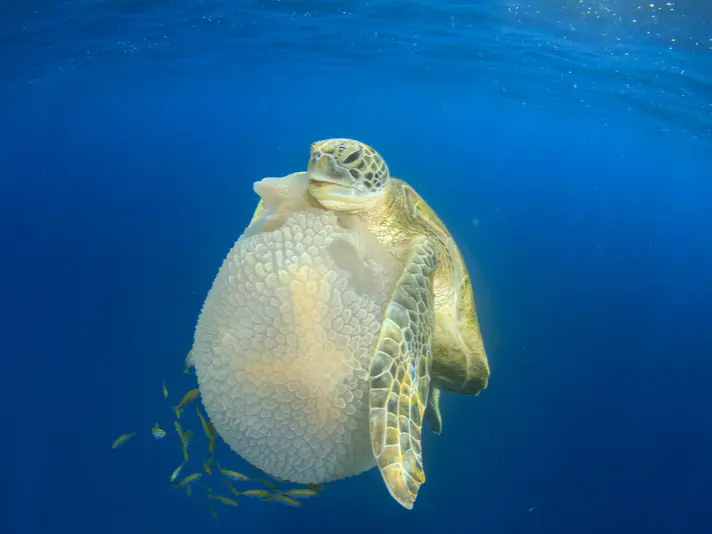
Jellyfish are surprisingly efficient at converting food into body mass, which allows them to grow rapidly when resources are plentiful. In some cases, a jellyfish can double its weight in just a few days if the water is teeming with plankton. This high growth rate is an evolutionary advantage, as it allows them to reach reproductive maturity quickly and produce thousands of offspring before they are consumed by predators like sea turtles or sunfish.
However, this rapid growth comes with a trade-off. Jellyfish have very little energy storage capacity, meaning they are highly sensitive to fluctuations in food availability. If the environment becomes nutrient-poor, they will begin to metabolize their own tissues to survive, causing them to shrink in size. This "degrowth" is a unique biological trait that allows them to endure periods of starvation that would kill most other marine organisms. By maintaining this delicate balance between consumption and conservation, jellyfish have successfully dominated the world's oceans for hundreds of millions of years.
Key facts
- Jellyfish are carnivorous predators that use specialized stinging cells called cnidocytes to paralyze their prey.
- Their diet primarily consists of zooplankton, small crustaceans, fish eggs, and tiny fish larvae.
- Some large species, such as the Lion’s Mane jellyfish, can consume other jellyfish and larger fish.
- Digestion occurs in a simple gastrovascular cavity, meaning they lack a complex stomach or intestines.
- Because they are passive drifters, they rely on ocean currents to bring food into contact with their tentacles.
- If you keep jellyfish in an aquarium, feed them live brine shrimp or specialized frozen plankton mixtures daily.
The bottom line
Jellyfish are opportunistic carnivores that play a vital role in marine ecosystems by regulating populations of plankton and small fish. By using stinging tentacles to ensnare prey, they efficiently process nutrients through a simple digestive system. Whether in the vast ocean or a controlled aquarium environment, their survival depends on the consistent availability of small organisms, highlighting their status as highly specialized aquatic hunters.
People also ask
Do jellyfish eat humans?
No, jellyfish do not hunt humans. While many species possess venomous stings that can cause significant pain or injury to people, these stings are defensive mechanisms used to capture small prey, not to consume humans.
How often do jellyfish need to eat?
In the wild, jellyfish eat whenever they encounter suitable prey drifting by. In captivity, they typically require feeding once or twice a day to maintain their energy levels and health.
Can jellyfish survive without food for a long time?
Many jellyfish species are highly resilient and can survive for weeks or even months without food by shrinking their body size. They essentially metabolize their own tissues to sustain basic biological functions during periods of scarcity.
Do jellyfish have mouths?
Yes, jellyfish have a single opening located at the center of their underside that serves as both a mouth and an anus. Food enters through this opening, is digested in the gastrovascular cavity, and waste is expelled through the same path.
Are all jellyfish predators?
Almost all jellyfish are carnivorous predators, though some species supplement their diet by absorbing nutrients from symbiotic algae living within their tissues. These algae provide energy through photosynthesis, reducing the jellyfish's reliance on hunting.
What is the biggest mistake when feeding pet jellyfish?
The most common mistake is overfeeding, which leads to uneaten food rotting in the tank and polluting the water. Always remove leftover food particles immediately to prevent harmful ammonia spikes that can kill the jellyfish.
This answer was created with the help of AI research tools and reference sources. Spotted an error? Let us know — we correct mistakes quickly. See our editorial policy.