What do seals eat?
Short answer
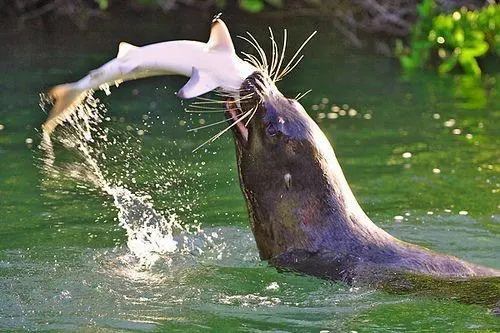
Seals are opportunistic carnivores that primarily consume fish, squid, and crustaceans. Their diet varies significantly depending on the species, geographic location, and seasonal availability of prey. While smaller seals often target schooling fish, larger species like leopard seals may hunt penguins or other seals to meet their high caloric requirements.
On this page
What do seals eat in the wild?
Seals are highly adaptable predators that occupy various marine niches, ranging from coastal shallows to the deep open ocean. Because they are opportunistic feeders, they do not rely on a single food source. Instead, they consume whatever prey is most abundant and accessible within their specific habitat. Most seal species focus on high-protein, high-fat marine life to maintain the thick layer of blubber necessary for insulation in frigid waters.
The composition of a seal's diet is largely determined by its size and hunting style. Smaller species, such as the harbor seal, typically forage for smaller, schooling fish like herring, mackerel, and capelin. Larger species, such as the elephant seal, are capable of deep-sea diving to hunt squid and bottom-dwelling fish. Regardless of the species, the primary goal is to maximize energy intake while minimizing the effort spent on the hunt.
How do seals hunt their prey?
Seals utilize a combination of keen senses and specialized physical adaptations to capture their food. Their whiskers, or vibrissae, are highly sensitive to vibrations in the water, allowing them to detect the movement of fish even in murky or dark conditions. Many seals also possess excellent underwater vision, which helps them track prey during deep dives. Once a target is identified, the seal uses its streamlined body to swim rapidly and intercept the animal.
Depending on the species, seals employ different hunting tactics to secure their meals:
- Suction feeding: Used by some seals to draw in smaller fish or squid by creating negative pressure with their mouths.
- Grip and tear: Larger seals use their sharp, pointed teeth to grab prey and shake it apart into manageable pieces.
- Cooperative hunting: Some species have been observed working in small groups to corral schools of fish, making them easier to catch.
Why does seal diet vary by season?
Seasonal changes significantly impact the availability of marine life, forcing seals to adjust their feeding habits throughout the year. During the spring and summer months, when plankton blooms attract massive schools of fish, seals often gorge themselves to build up energy reserves. As winter approaches and fish populations migrate to deeper or warmer waters, seals must either follow these migrations or switch to alternative food sources like benthic invertebrates.
The reproductive cycle also dictates dietary shifts for many seals. During the breeding and molting seasons, many adult seals spend long periods on land or ice, where they may fast for weeks at a time. During these phases, they rely entirely on the fat stores they accumulated during the months of heavy feeding. This cycle of feast and famine is a natural and vital part of their life history, ensuring they survive periods when hunting is difficult or impossible.
Common mistakes when observing seal feeding habits
A frequent misconception among casual observers is that all seals eat the same types of food or that they compete directly with humans for commercial fish stocks. While seals do consume fish that are commercially valuable, they also eat a wide variety of non-commercial species, including squids and jellyfish. Assuming that seal populations are solely responsible for the decline of certain fish stocks often ignores the complex environmental factors and overfishing practices that contribute to population crashes.
Another common error is attempting to feed seals in the wild. Providing food to seals is dangerous for several reasons:
- It encourages seals to associate humans with food, which can lead to aggressive behavior.
- It disrupts their natural hunting instincts and can lead to dependency on human-provided scraps.
- Human food is often nutritionally inappropriate for seals and can cause illness or digestive distress.
- Feeding wildlife is illegal in many jurisdictions to protect both the animals and the public.
Best ways to identify seal prey species
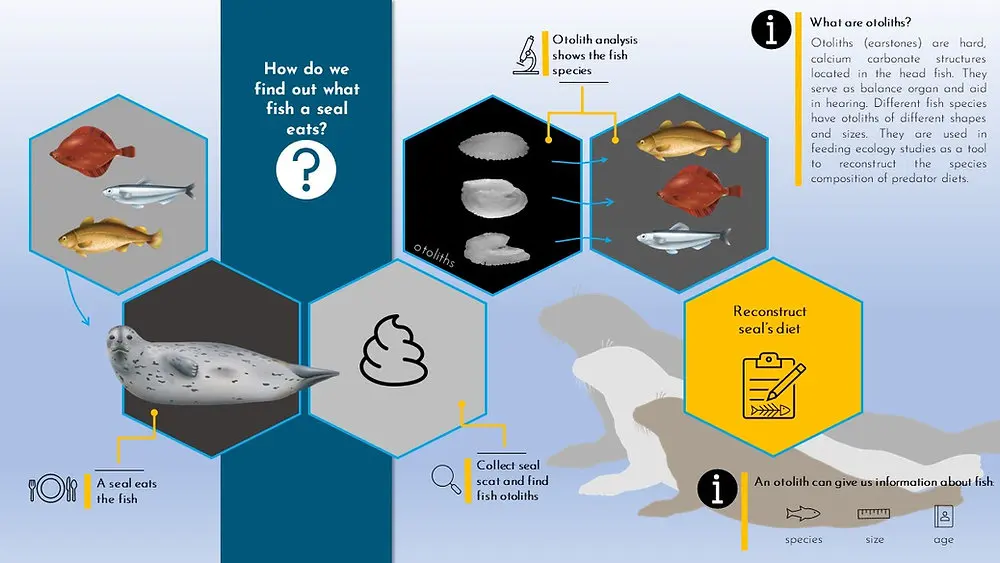
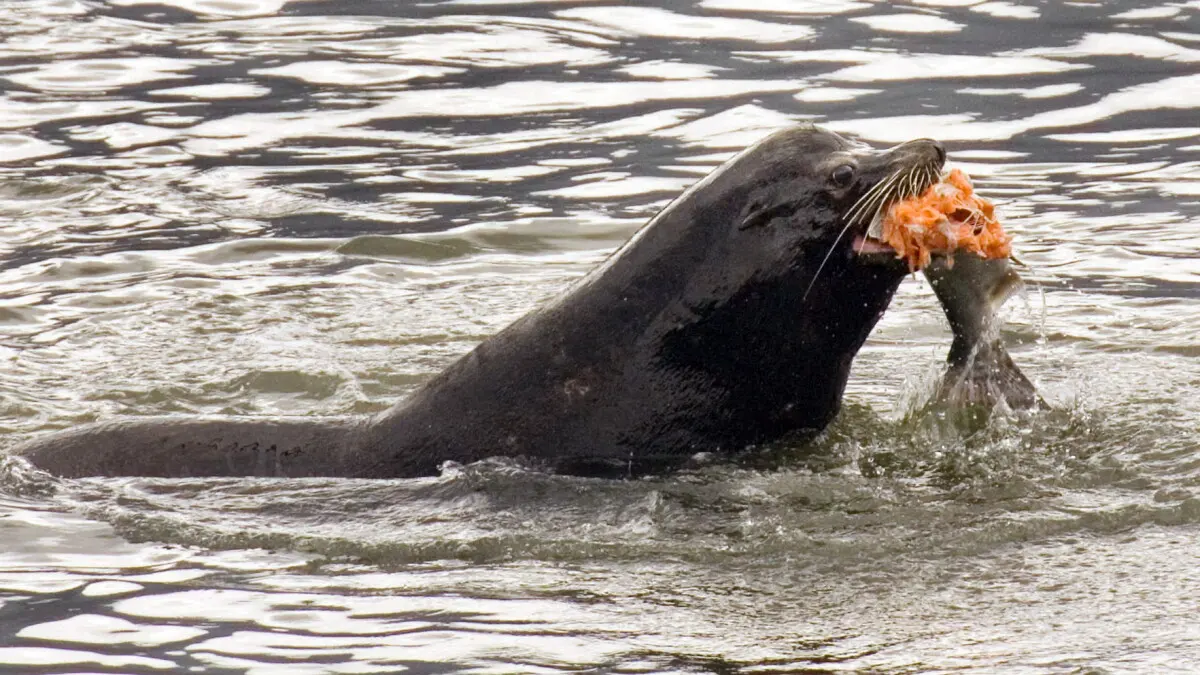
If you are interested in identifying what a specific seal is eating, you can look for evidence in the environment or consult scientific data. Researchers often study seal diets by analyzing scat samples, which contain undigested remains like fish otoliths (ear bones), squid beaks, and crustacean shells. By identifying these hard parts, scientists can reconstruct the seal's diet with high precision. For the general public, observing a seal with a fish in its mouth is the most direct way to identify its prey, though this is relatively rare.
To learn more about the dietary habits of local seal populations, consider these steps:
- Visit local marine biology research centers or aquariums that provide information on regional wildlife.
- Use field guides that detail the specific hunting ranges and prey preferences of seals in your area.
- Follow reputable wildlife conservation organizations that publish reports on marine ecosystem health.
- Observe from a respectful distance using binoculars to avoid disturbing the animal during its natural feeding process.
Key facts
- Seals are carnivores that primarily consume fish, squid, and crustaceans.
- A harbor seal can eat up to 5% of its body weight in food daily.
- Leopard seals are unique predators that frequently hunt penguins and other seal species.
- Many seals use their sensitive whiskers to detect the vibrations of swimming prey in murky water.
- Most seals swallow their food whole because they lack teeth designed for chewing.
- Avoid feeding wild seals, as this disrupts their natural hunting patterns and makes them dependent on humans.
The bottom line
Seals are opportunistic carnivores that play a vital role in marine ecosystems by regulating fish and crustacean populations. Their diet is diverse, ranging from tiny krill to large squid and penguins, depending on the species and geographical location. By utilizing specialized sensory whiskers, they efficiently hunt in various water conditions. Protecting their natural habitats ensures these marine mammals continue to thrive on their wild, healthy diets.
People also ask
Do seals drink water?
Seals do not drink seawater directly. They obtain the majority of their necessary hydration from the moisture found in the fish and invertebrates they consume.
How do seals hunt in the dark?
Seals rely on their highly sensitive whiskers, known as vibrissae, to track the wake left by fish in the water. This allows them to hunt effectively even in deep or dark environments where visibility is near zero.
Do all seals eat the same things?
No, diets vary by species and habitat. While some seals specialize in small schooling fish like herring, others like the crabeater seal feed almost exclusively on Antarctic krill.
How often do seals need to eat?
Seals generally hunt daily, but their intake fluctuates based on the season. During molting or breeding periods, some species may fast for weeks, relying on their thick blubber stores for energy.
Do seals eat sharks?
While most seals avoid sharks, some larger species like the elephant seal may occasionally encounter smaller sharks. However, seals are more often the prey of large sharks, such as the great white.
Can seals eat human food?
Seals should never be fed human food. Processed items can cause digestive issues, malnutrition, and behavioral changes that endanger both the animal and the people interacting with them.
This answer was created with the help of AI research tools and reference sources. Spotted an error? Let us know — we correct mistakes quickly. See our editorial policy.