What do armadillos eat?
Short answer
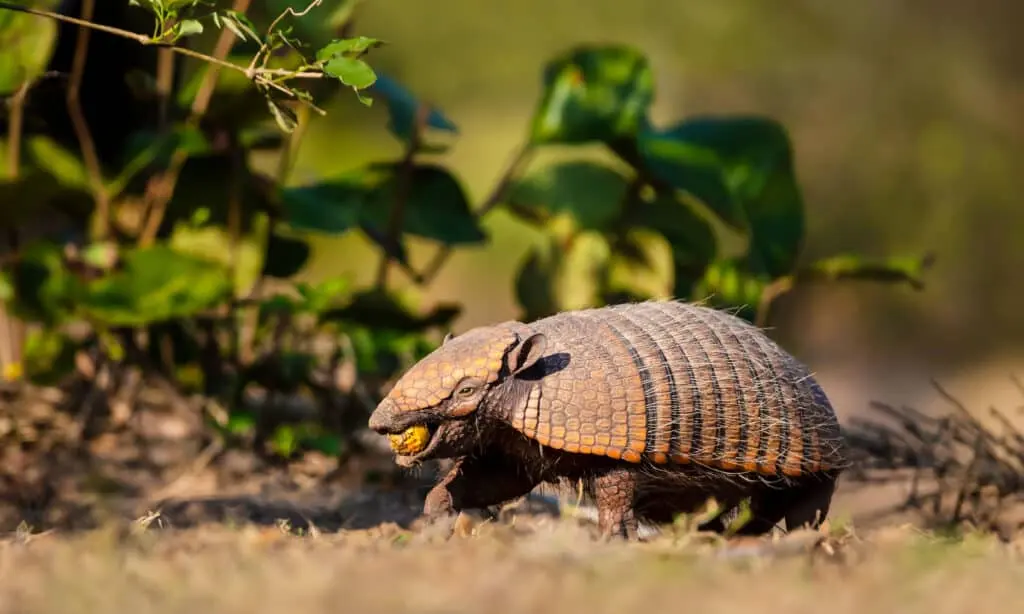
Armadillos are primarily insectivores that forage for food by digging into soil and leaf litter. Their diet consists mostly of beetles, ants, termites, and grubs. While they occasionally consume small reptiles, amphibians, bird eggs, or fallen fruit, they rely on their keen sense of smell to locate protein-rich invertebrates underground.
On this page
What do armadillos eat in the wild?
Armadillos are opportunistic foragers that spend the majority of their waking hours searching for invertebrates. Because they possess a highly developed sense of smell, they can detect prey buried several inches beneath the surface of the ground. Their diet is overwhelmingly composed of insects, which makes them beneficial to ecosystems by controlling populations of agricultural pests.
While they are classified as insectivores, their eating habits are quite flexible depending on the season and local availability of food. Common items found in the stomach contents of wild armadillos include:
- Adult beetles and their larvae (grubs)
- Ants and termites
- Caterpillars and moth larvae
- Earthworms and millipedes
- Spiders and scorpions
In addition to these invertebrates, armadillos occasionally supplement their diet with plant matter. During months when insects are less active, they may consume berries, fungi, or fallen fruit. This dietary plasticity allows them to thrive in various environments, ranging from dense forests to open grasslands, provided the soil is soft enough to facilitate their characteristic digging behavior.
How do armadillos hunt for food?
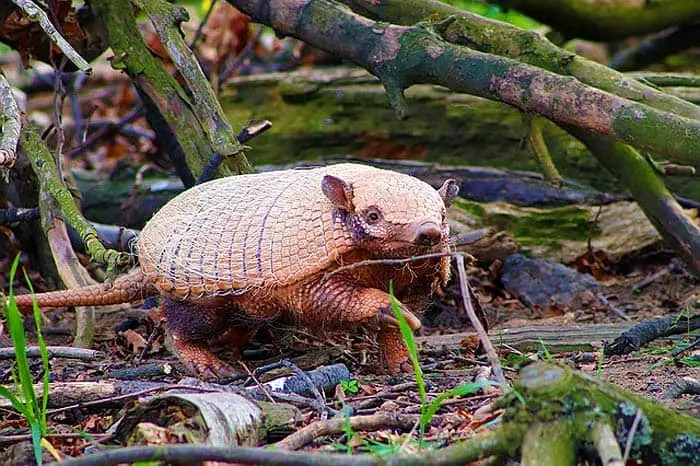
The hunting process of an armadillo is a masterclass in efficiency and sensory adaptation. They move slowly across a landscape, keeping their noses close to the ground to sniff out chemical signatures left by insects. Once a target is identified, they use their powerful, clawed forelimbs to excavate the earth with remarkable speed.
Their physical anatomy is perfectly suited for this subterranean lifestyle. The long, sharp claws act like shovels, allowing them to break through compacted soil or tear apart rotting logs in seconds. As they dig, they often use their sticky, elongated tongues to extract prey from narrow tunnels or crevices. This method is highly effective for capturing social insects like ants and termites that live in complex underground colonies.
- Locate a potential food source using scent.
- Clear away surface debris like leaves or twigs.
- Dig rapidly into the soil using the front claws.
- Use the tongue to sweep up exposed insects.
- Move to the next patch of ground to repeat the cycle.
Why do armadillos dig up lawns?
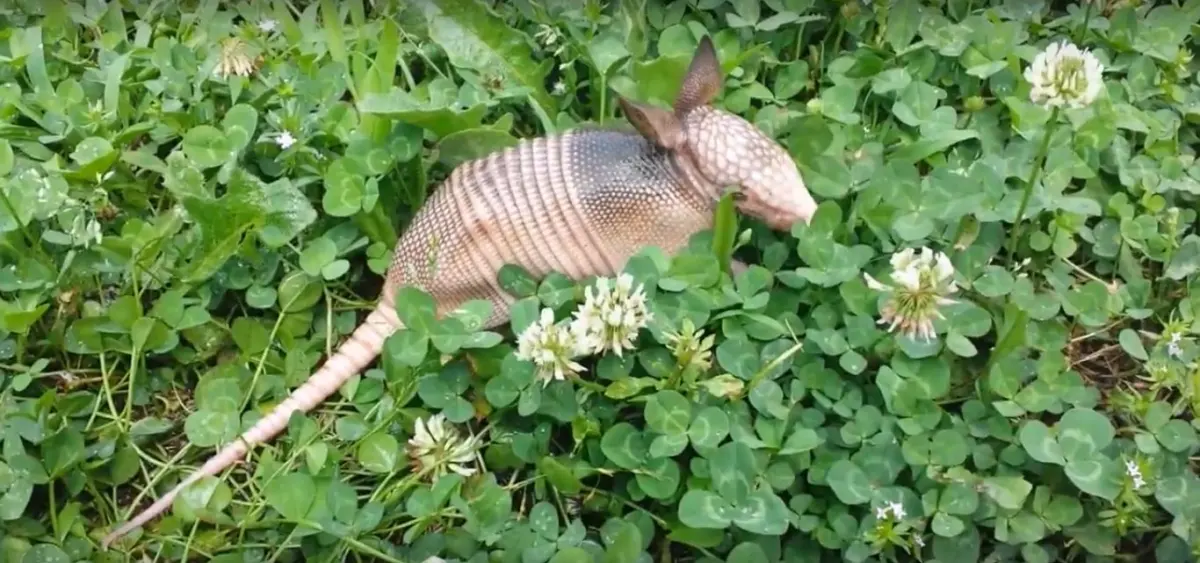
Homeowners often view armadillos as pests because of the extensive damage they can cause to manicured lawns and garden beds. The animal is not intentionally trying to destroy grass; rather, it is simply following its biological imperative to find food. Lawns that are well-watered and fertilized often host high concentrations of grubs and earthworms, making them prime hunting grounds.
When an armadillo visits a residential yard, it can leave behind dozens of small, conical holes in a single night. These excavations are typically 3 to 5 inches deep and about the same width. While the damage is frustrating, it serves as a clear indicator that the soil is rich in organic matter and insect life. If the food source is removed or the soil is made less accessible, the armadillo will usually move on to more productive hunting areas.
Common mistakes when managing armadillos
Many people attempt to handle armadillo issues by using ineffective methods that do not address the root cause of the animal's presence. A common mistake is attempting to trap the animal without first identifying the specific food source attracting it to the property. If the lawn remains full of grubs, removing one armadillo will simply create a vacancy that another will quickly fill.
Another error involves the use of chemical pesticides to kill off insects in the yard. While this may temporarily discourage the armadillo, it can have devastating effects on the local ecosystem, harming beneficial pollinators and birds. Instead of harsh chemicals, consider these practical steps:
- Apply nematodes, which are microscopic worms that target and kill lawn grubs naturally.
- Keep lawn grass cut short to make it less attractive for surface-dwelling insects.
- Use motion-activated sprinklers to deter animals from entering the area at night.
- Install sturdy fencing buried at least 12 inches deep to prevent digging.
Can armadillos be kept as pets?
It is strongly advised against keeping armadillos as pets due to their complex dietary and environmental needs. In captivity, it is nearly impossible to replicate the variety of insects and soil-based nutrients they require to stay healthy. Providing a balanced diet is difficult, and improper nutrition often leads to metabolic bone disease and other severe health complications in these animals.
Furthermore, armadillos are wild creatures that do not adapt well to confinement. They are nocturnal, highly active, and possess a natural instinct to dig, which makes indoor housing destructive and stressful for the animal. Beyond the logistical challenges, there is a significant public health concern regarding zoonotic diseases. Armadillos are one of the few known wild carriers of the bacteria that causes leprosy in humans, and handling them poses a risk of transmission through direct contact. For these reasons, observing them in their natural habitat from a respectful distance is the only safe and responsible way to interact with them.
Key facts
- Armadillos are primarily insectivores, with over 90 percent of their diet consisting of ants, beetles, termites, and grubs.
- They use their powerful claws to dig deep into the soil, often creating holes up to 8 inches deep to reach subterranean larvae.
- While they prefer insects, they are opportunistic feeders that occasionally consume small amphibians, lizards, and bird eggs.
- Armadillos supplement their diet with plant material, including fallen fruit, berries, and fungi, especially during colder months.
- To prevent armadillos from digging in your yard, avoid overwatering your lawn, as moist soil attracts the grubs they hunt.
- Installing motion-activated sprinklers or underground fencing is more effective than using chemical repellents, which rarely deter these determined foragers.
The bottom line
Armadillos are primarily insectivores that serve as natural pest controllers by consuming thousands of ants, termites, and grubs nightly. While they occasionally eat fruit, eggs, or small vertebrates, their digging behavior is driven by the search for soil-dwelling invertebrates. To protect your garden, focus on managing lawn moisture and grubs rather than using ineffective repellents, as these animals are simply following their natural foraging instincts.
People also ask
Do armadillos eat garden vegetables?
Armadillos generally do not eat garden vegetables, as they are not herbivores. However, they may inadvertently damage your plants while digging through the soil in search of earthworms and insects.
Can armadillos be kept as pets?
Keeping armadillos as pets is highly discouraged and often illegal in many jurisdictions. They are wild animals that require specialized diets, carry diseases like leprosy, and are biologically adapted for nocturnal digging rather than domestic life.
Do armadillos eat snakes?
Yes, armadillos are known to eat small snakes if they encounter them while foraging. They are not specialized snake hunters, but they will consume reptiles as a protein-rich opportunistic snack.
How much do armadillos eat in a single night?
An adult armadillo can consume several thousand insects in one night. Their high metabolic rate requires them to forage constantly, making them efficient pest controllers for many homeowners.
Are armadillos harmful to the environment?
Armadillos are generally beneficial to the ecosystem because they control insect populations. Their digging also helps aerate the soil and cycle nutrients, though this behavior can be a nuisance in manicured residential landscapes.
Do armadillos eat carrion?
They are occasional scavengers and will consume carrion if it is available. This opportunistic behavior allows them to survive in diverse environments where fresh insect prey might be temporarily scarce.
This answer was created with the help of AI research tools and reference sources. Spotted an error? Let us know — we correct mistakes quickly. See our editorial policy.