How big do cougars get?
Short answer
Adult cougars typically measure between 5 and 9 feet in total length from nose to tail tip. Males generally weigh between 130 and 150 pounds, while females average 65 to 100 pounds. Size varies significantly based on geographic location, with populations living closer to the poles tending to be larger than those near the equator.
On this page
How much do cougars weigh?
The weight of a cougar, also known as a mountain lion or puma, is highly dependent on its sex and its habitat. Adult males are significantly heavier than females, often reaching weights of 150 pounds, though exceptional individuals in northern latitudes can exceed 200 pounds. Females are more slender, typically weighing between 65 and 100 pounds. This sexual dimorphism is a survival strategy, as larger males must defend vast territories while females focus on the energy-intensive tasks of gestation and cub rearing.
Environmental factors play a critical role in these weight variations. Cougars living in the colder climates of Canada or the northern United States often possess more muscle mass and body fat to survive harsh winters and hunt larger prey like elk or moose. Conversely, populations in tropical regions, such as parts of Central and South America, are generally smaller and leaner. This adaptation allows them to navigate dense jungle terrain and hunt smaller prey efficiently without the need for massive fat reserves.
How long is a cougar?
When measuring a cougar, biologists look at the total length from the tip of the nose to the end of the tail. A full-grown adult usually spans between 5 and 9 feet. The tail itself is quite long, often accounting for one-third of the animal's total length. This appendage is not merely for show; it serves as a vital counterbalance, allowing the cat to make sharp, high-speed turns while chasing prey through rugged mountain terrain or dense forests.
Shoulder height is another important metric for understanding their physical stature. Most adult cougars stand about 24 to 35 inches tall at the shoulder. This height provides them with a low center of gravity, which is essential for their ambush hunting style. By staying low to the ground, they can stalk prey undetected before launching a powerful, explosive leap. Their muscular build is concentrated in their hindquarters, which are significantly more powerful than their front legs, providing the necessary force for their impressive jumping capabilities.
What are the physical characteristics of a cougar?
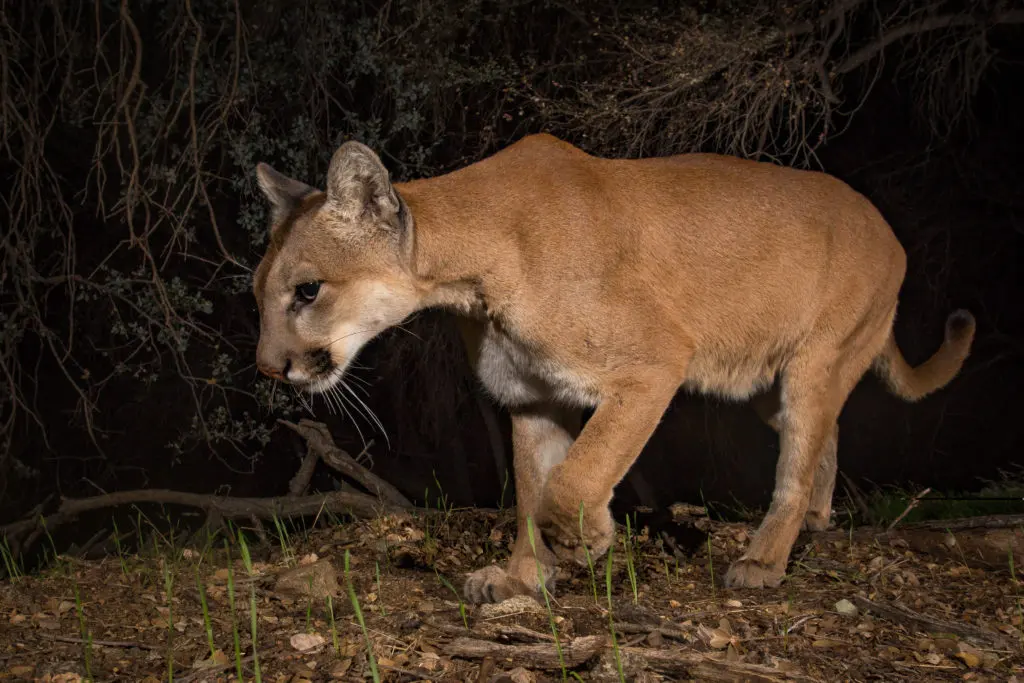
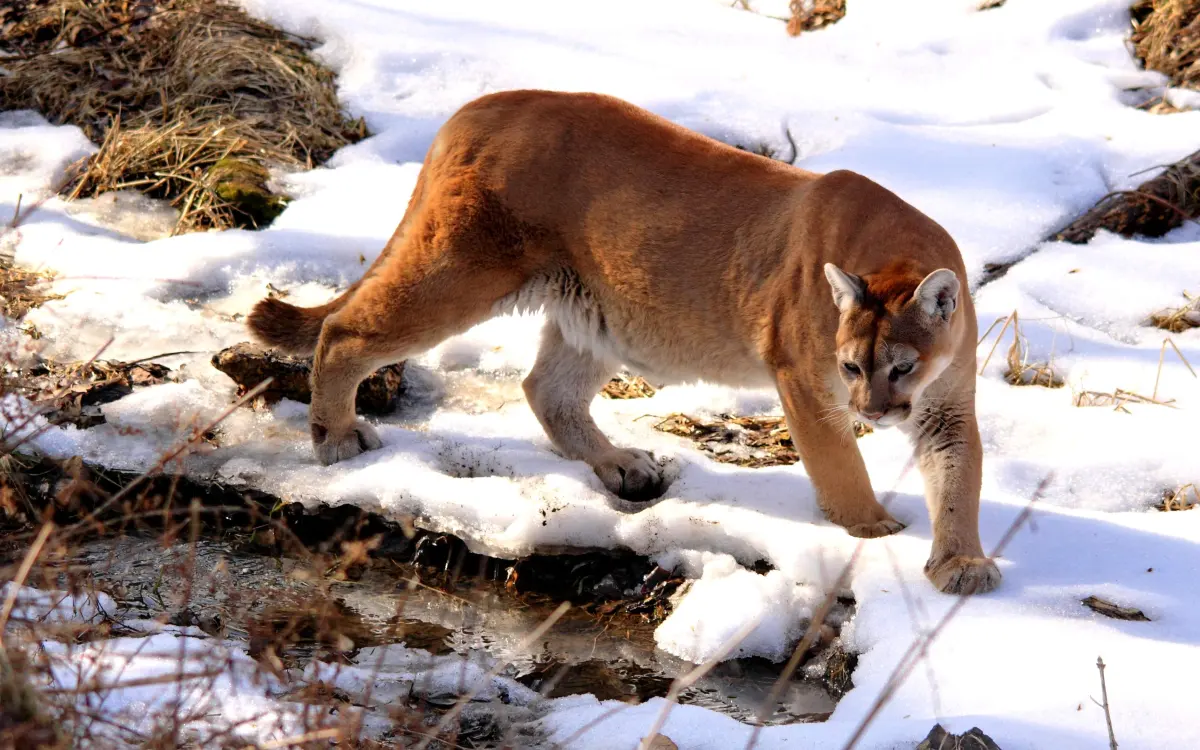
Beyond their length and weight, cougars possess a unique set of physical traits that make them apex predators. Their bodies are built for power, speed, and stealth rather than long-distance endurance. They have broad, powerful paws that act like snowshoes, helping them traverse uneven ground or deep snow. Their retractable claws are sharp and curved, designed specifically for gripping prey and climbing trees to escape danger or cache food.
To identify a cougar in the wild, look for these specific physical features:
- A solid, tawny-colored coat that ranges from reddish-brown to grayish-tan.
- A long, thick tail with a distinct black tip.
- Black markings on the back of their ears and around their muzzle.
- A muscular, streamlined build that lacks the heavy mane found on lions or the stripes of tigers.
- Large, rounded ears that can swivel to detect the slightest sounds of movement.
How do cougars compare to other big cats?
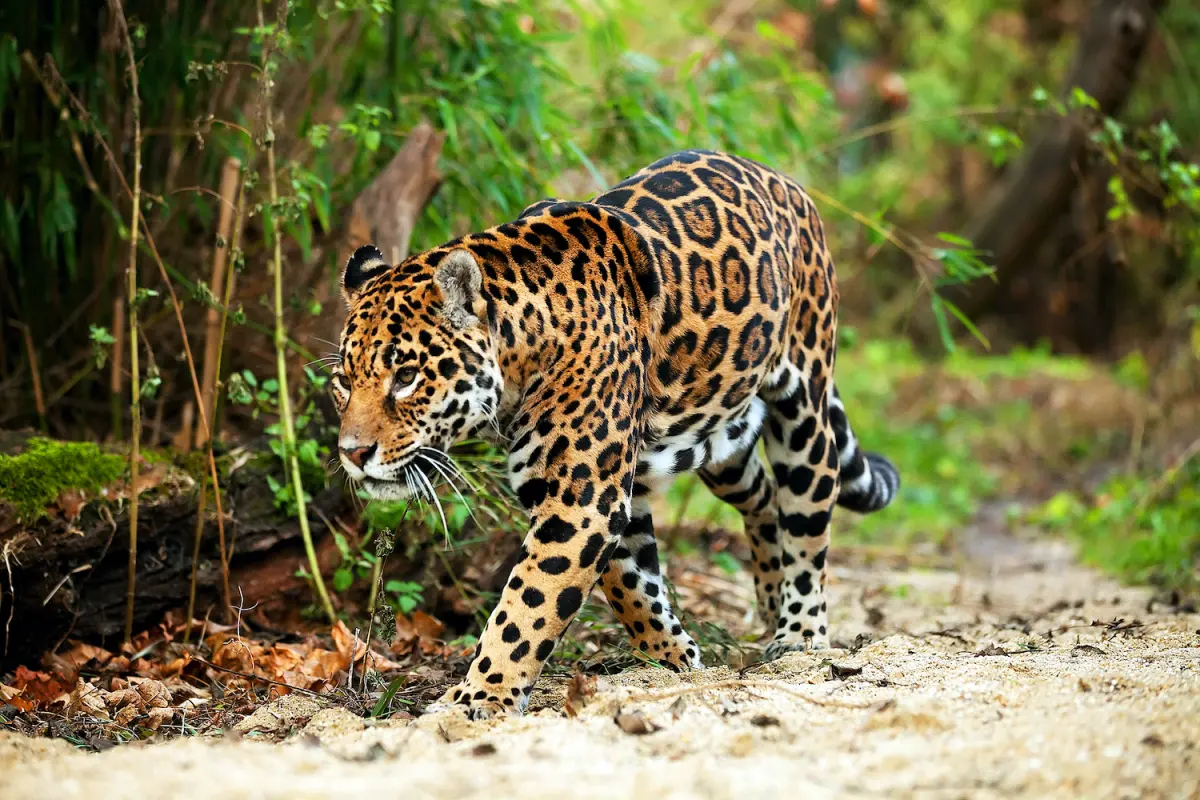
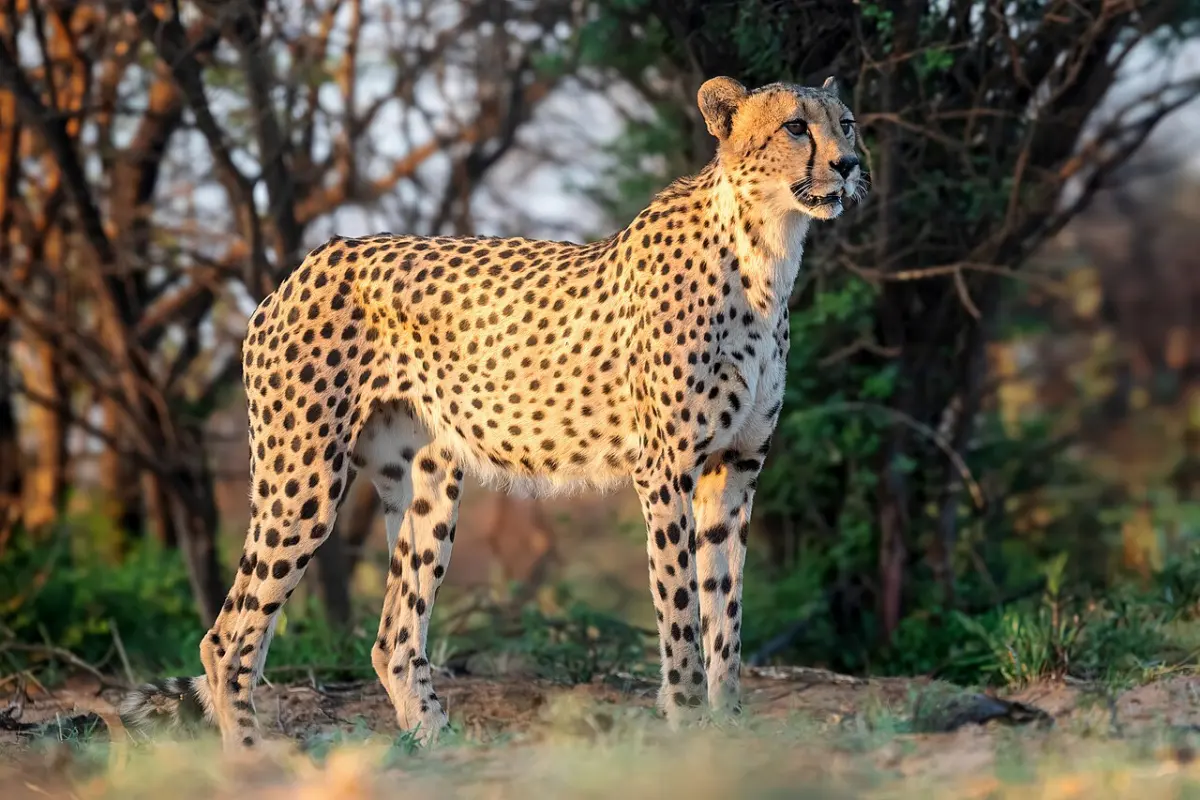
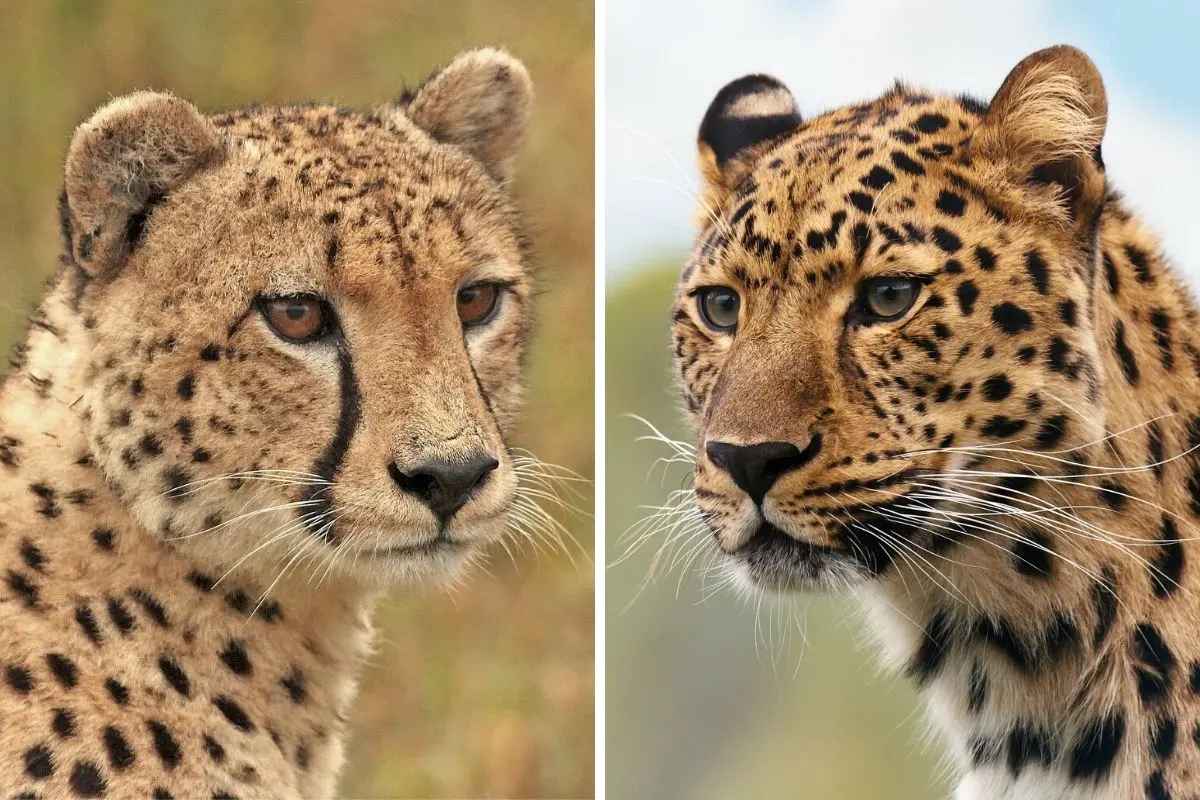
It is a common mistake to confuse the cougar with other large felids like leopards or jaguars. Despite the name "mountain lion," the cougar is actually more closely related to smaller cats like the cheetah or the domestic house cat than to the "big cats" of the genus Panthera, such as lions and tigers. Because they lack the specialized larynx structure of Panthera, cougars cannot roar; instead, they communicate through hisses, growls, and a distinctive high-pitched scream.
Size-wise, the cougar occupies a middle ground in the feline world. While they are the largest cat in North America, they are smaller than the jaguar of South America and the African lion. When comparing them to other predators, keep these facts in mind:
- Cougars are solitary hunters, whereas lions are social animals that live in prides.
- Jaguars have a much stockier, more muscular build and a stronger bite force than cougars.
- Cougars are incredibly agile, capable of jumping up to 18 feet vertically in a single bound.
- Unlike leopards, cougars rarely drag their kills into trees, preferring to cover them with brush on the ground.
Common mistakes when estimating cougar size
One of the most frequent errors people make is overestimating the size of a cougar when they see one in the wild. Because of their long tails and sleek fur, they often appear much larger than they actually are. A cougar seen from a distance, especially in low light or moving through brush, can easily be mistaken for a much larger animal. It is important to remember that their appearance is designed to be deceptive, helping them remain hidden in their natural environment.
Another mistake is assuming that all cougars in a specific region are the same size. Individual health, access to prey, and age significantly influence an animal's dimensions. A young, inexperienced hunter may appear smaller and thinner than a mature, dominant male in his prime. Furthermore, people often rely on outdated or exaggerated folklore regarding "giant" cougars. While large specimens exist, they rarely exceed the established biological maximums documented by wildlife researchers. Always consult official state or provincial wildlife agency data if you are interested in the specific average sizes of local cougar populations in your area.
Key facts
- Adult males typically weigh between 130 and 150 pounds, while females average 65 to 100 pounds.
- From nose to tail, an adult cougar measures between 6 and 8 feet in total length.
- Standing height at the shoulder is consistently between 24 and 30 inches for healthy adults.
- Cougars are the fourth-largest cat species in the world, trailing only tigers, lions, and jaguars.
- Never approach a cougar; if you encounter one, stand your ground, maintain eye contact, and appear as large as possible.
- Avoid running if you see a cougar, as this can trigger their natural instinct to chase prey.
The bottom line
Cougars are powerful, solitary predators that exhibit significant size variation based on their sex and geographic location. While they can reach impressive lengths and weights, they are primarily adapted for stealth and explosive movement rather than sheer size. Understanding their physical capabilities and behavioral patterns is essential for anyone living or recreating in cougar country, where maintaining awareness and following safety protocols remains the best defense.
People also ask
What is the difference between a cougar, mountain lion, and panther?
These names all refer to the exact same species, Puma concolor. The different labels are simply regional variations used across North and South America.
How fast can a cougar run?
Cougars are built for short bursts of speed rather than endurance. They can reach top speeds of approximately 40 to 50 miles per hour over very short distances.
Do cougars live in groups?
No, cougars are solitary animals that maintain large home ranges. They only interact with others during the mating season or when a female is raising her kittens.
What do cougars eat in the wild?
Their primary food source is deer, though they are opportunistic hunters. They also consume smaller animals like raccoons, coyotes, porcupines, and occasionally livestock.
How high can a cougar jump?
These cats are exceptional leapers due to their powerful hind legs. A cougar can jump as high as 15 feet vertically and clear distances of up to 40 feet in a single bound.
Are cougars dangerous to humans?
While attacks are extremely rare, they can occur. Most encounters happen when a human accidentally surprises a cougar or enters its territory while the cat is hunting or protecting young.
This answer was created with the help of AI research tools and reference sources. Spotted an error? Let us know — we correct mistakes quickly. See our editorial policy.