What is a group of frogs called?
Short answer
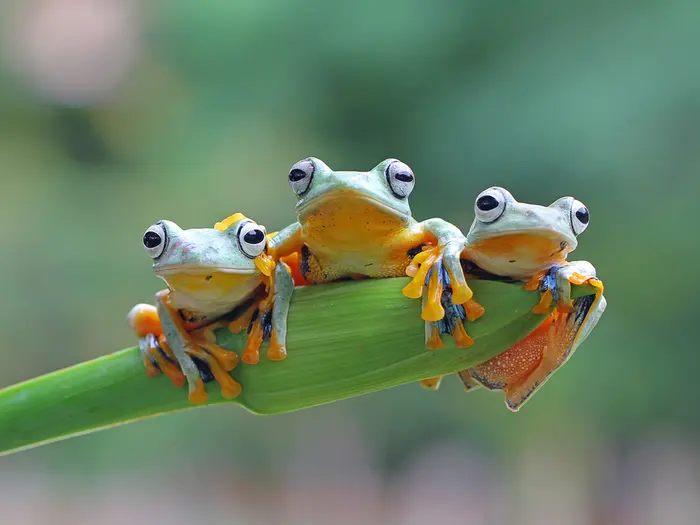
An army is the most common collective noun for a group of frogs. Depending on the context and species, they may also be referred to as a knot, a chorus, or a colony. While these terms are often used interchangeably in casual conversation, they carry distinct connotations regarding the animals' behavior and environment.
On this page
What is a group of frogs called?
The term "army" is the standard collective noun used to describe a gathering of frogs. This designation likely stems from the sheer number of individuals that can congregate in a single wetland area during breeding seasons. While "army" is the most widely recognized term, language experts and naturalists often classify groups based on specific behaviors.
For example, a group of frogs vocalizing together is frequently called a "chorus." This term accurately reflects the biological function of their calls, which are used to attract mates or defend territory. Other, less common terms include a "knot" of frogs, which typically describes a cluster of individuals huddled together, or a "colony," which implies a more permanent residency in a specific habitat.
Why do frogs gather in groups?
Frogs are generally solitary creatures for much of the year, but they congregate in large numbers for two primary reasons: breeding and migration. During the spring, species often return to the same vernal pools or ponds where they were born to reproduce. This mass movement creates the dense clusters that people often encounter near water sources.
Environmental factors trigger these gatherings, as frogs are highly sensitive to temperature and moisture levels. When conditions are optimal, the instinct to reproduce overrides their solitary nature, leading to the formation of an army. This behavior serves several evolutionary purposes, including:
- Increased chances of finding a suitable mate in a competitive environment.
- Safety in numbers, which can overwhelm predators during the vulnerable breeding phase.
- Synchronized egg-laying, which ensures that a large number of tadpoles hatch simultaneously.
How to identify a frog chorus
Identifying a group of frogs by sound is often easier than spotting them visually. Because frogs are masters of camouflage, they often remain hidden among reeds or underwater while they call. Learning to distinguish the specific patterns of a chorus can help you identify which species are present in your local ecosystem.
To identify a chorus effectively, consider these factors:
- Timing: Note the time of year and the time of day, as different species have specific breeding windows.
- Pitch and Rhythm: Listen for whether the sound is a trill, a peep, a croak, or a rhythmic pulse.
- Habitat: Determine if the sound is coming from a permanent pond, a temporary puddle, or a wooded area.
- Persistence: Observe if the sound stops when you approach, which is a common defensive mechanism for many species.

Common mistakes when observing frogs
Many people inadvertently disturb frog populations by attempting to get too close or by using bright lights during nighttime observations. One of the most frequent mistakes is handling frogs with bare hands. Their skin is highly permeable and can absorb oils, lotions, or chemicals from human skin, which can be toxic or disrupt their delicate respiratory systems.
Another common error is assuming that all frog sounds are identical. Beginners often mistake the calls of certain insects, such as crickets or cicadas, for frog choruses. To avoid this, try to record the sound on a smartphone and compare it to local wildlife databases. Furthermore, avoid wading into breeding ponds, as you may accidentally crush egg masses or disturb the sediment where tadpoles are hiding. Always observe from a respectful distance to ensure the safety of the animals.
How to support local frog populations
If you want to encourage a healthy army of frogs to inhabit your property, you must provide the right environmental conditions. Frogs require clean water, shelter, and a steady food source to thrive. Creating a frog-friendly environment is a rewarding way to contribute to local biodiversity and pest control, as frogs consume large quantities of mosquitoes and other insects.
To foster a thriving habitat, follow these practical steps:
- Install a small, shallow pond with sloped sides to allow frogs to enter and exit easily.
- Avoid using pesticides or herbicides in your garden, as these chemicals are lethal to amphibians.
- Provide cover by leaving piles of leaves, logs, or stones near the water to give them places to hide from predators.
- Use native plants to create a natural ecosystem that attracts the insects frogs eat.
- Keep outdoor lighting to a minimum, as artificial lights can disorient frogs and disrupt their natural nocturnal cycles.
By following these guidelines, you can help maintain the health of your local frog population and enjoy the unique experience of hearing a chorus in your own backyard. These animals are vital indicators of environmental health, and their presence is a positive sign of a balanced, thriving ecosystem that supports a wide variety of wildlife.
Key facts
- A group of frogs is collectively known as an army.
- When frogs are in their larval stage, a group of tadpoles is called a school or a swarm.
- The term "army" is primarily used when frogs gather in large numbers, often during breeding seasons.
- Frogs are amphibians, meaning they rely on moisture and often congregate in wetlands or near water sources.
- Scientists sometimes use the term "chorus" to describe a group of frogs calling out simultaneously at night.
- Avoid confusing frog terminology with toads, as a group of toads is specifically referred to as a knot.
The bottom line
While the formal collective noun for a group of frogs is an army, these amphibians are generally solitary creatures that only congregate during specific breeding cycles. Understanding the distinction between an army of frogs and a school of tadpoles helps clarify their life stages. Whether observing a noisy chorus in a pond or a migratory group, these gatherings are vital for the survival of the species.
People also ask
Why do frogs gather in large groups?
Frogs typically gather in groups to facilitate breeding, as wetlands provide the necessary environment for laying eggs. These congregations also allow for safer communal protection against predators in some species.
Do all frog species live in groups?
Most frogs are solitary animals for the majority of the year. They only congregate in significant numbers during specific migration periods or the peak of their mating season.
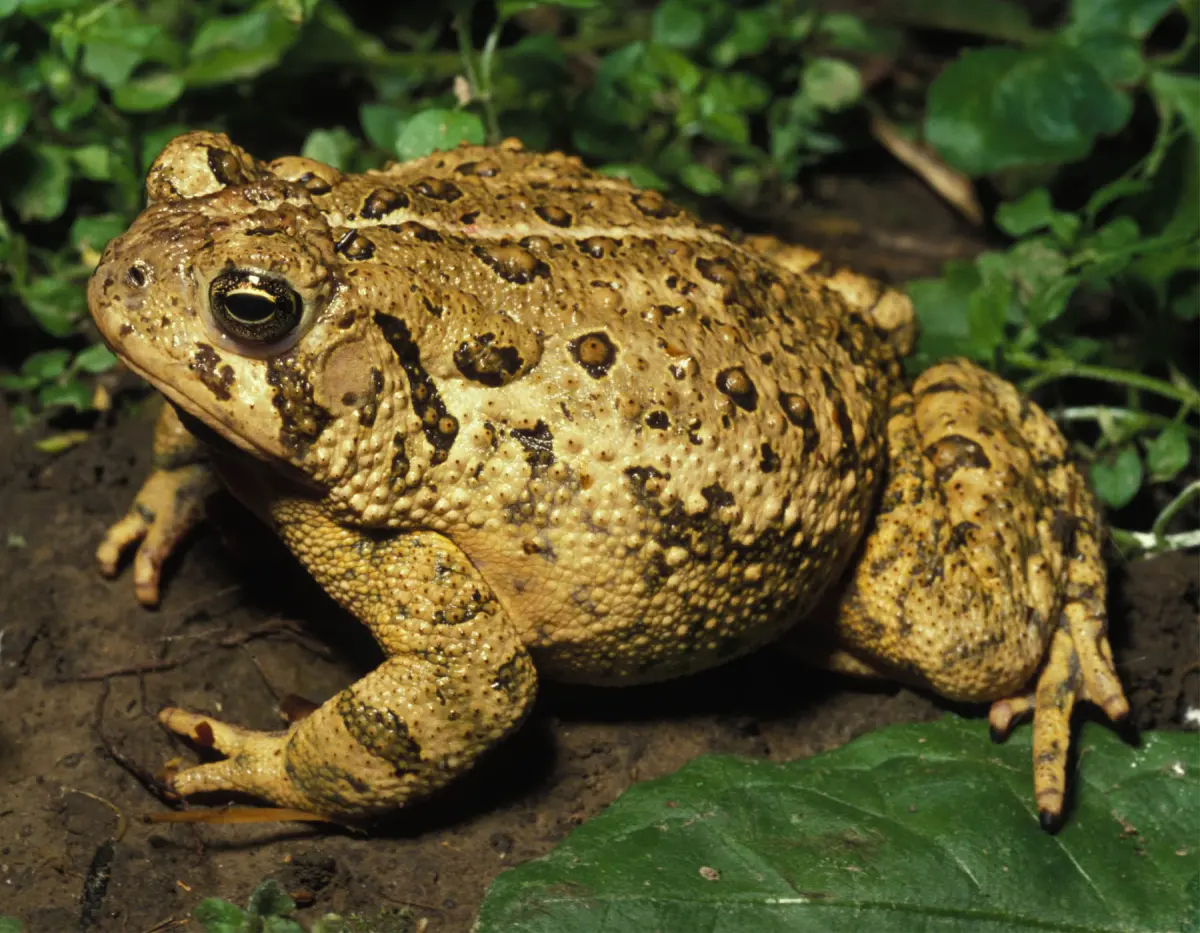
What is the difference between a frog and a toad?
While both are amphibians, frogs generally have smooth, moist skin and long legs for jumping, whereas toads have dry, bumpy skin and shorter legs. These physical differences often dictate their preferred habitats and social behaviors.
Read the full answer →Can you keep a group of frogs together in a tank?
Keeping multiple frogs in captivity requires careful research into their specific social needs and territorial nature. Many species are highly territorial and may fight or stress one another if housed in an enclosure that is too small.
How do frogs communicate within a group?
Frogs communicate primarily through vocalizations, with males using distinctive calls to attract mates or defend territory. These sounds can become deafening when an entire army of frogs calls out at once.
Are all frog groups called armies?
While "army" is the standard collective noun, terminology can vary based on regional dialects or scientific context. In casual conversation, people often refer to them simply as a colony or a population.
This answer was created with the help of AI research tools and reference sources. Spotted an error? Let us know — we correct mistakes quickly. See our editorial policy.