What is a group of penguins called?
Short answer
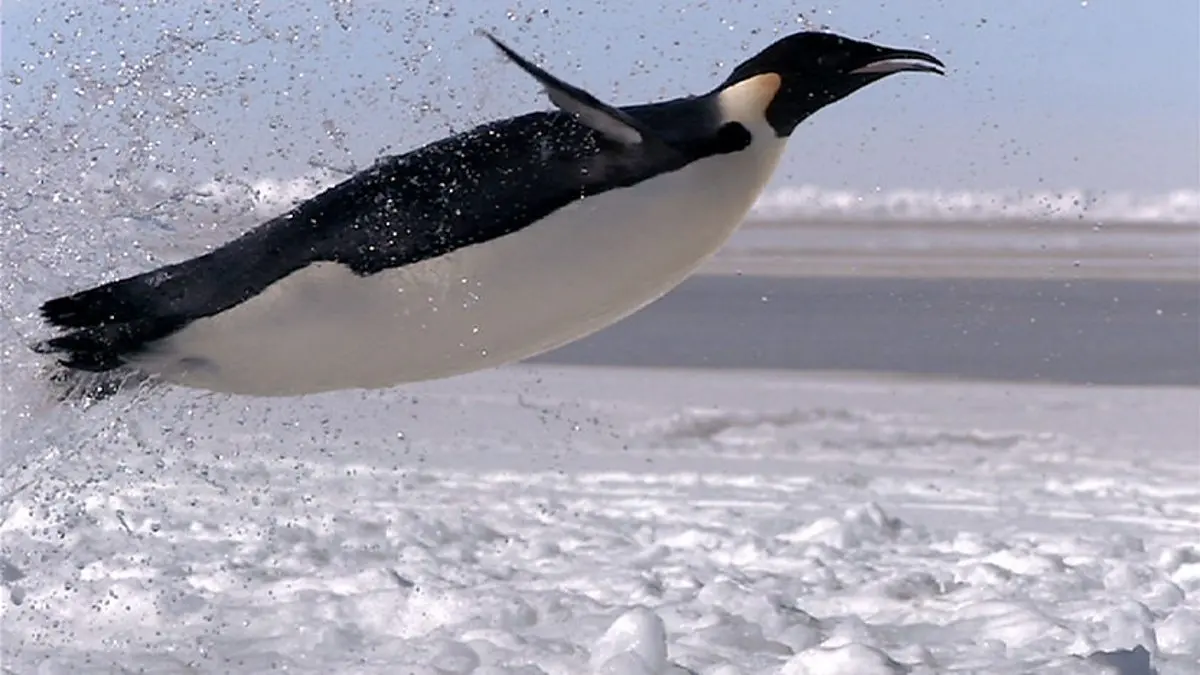
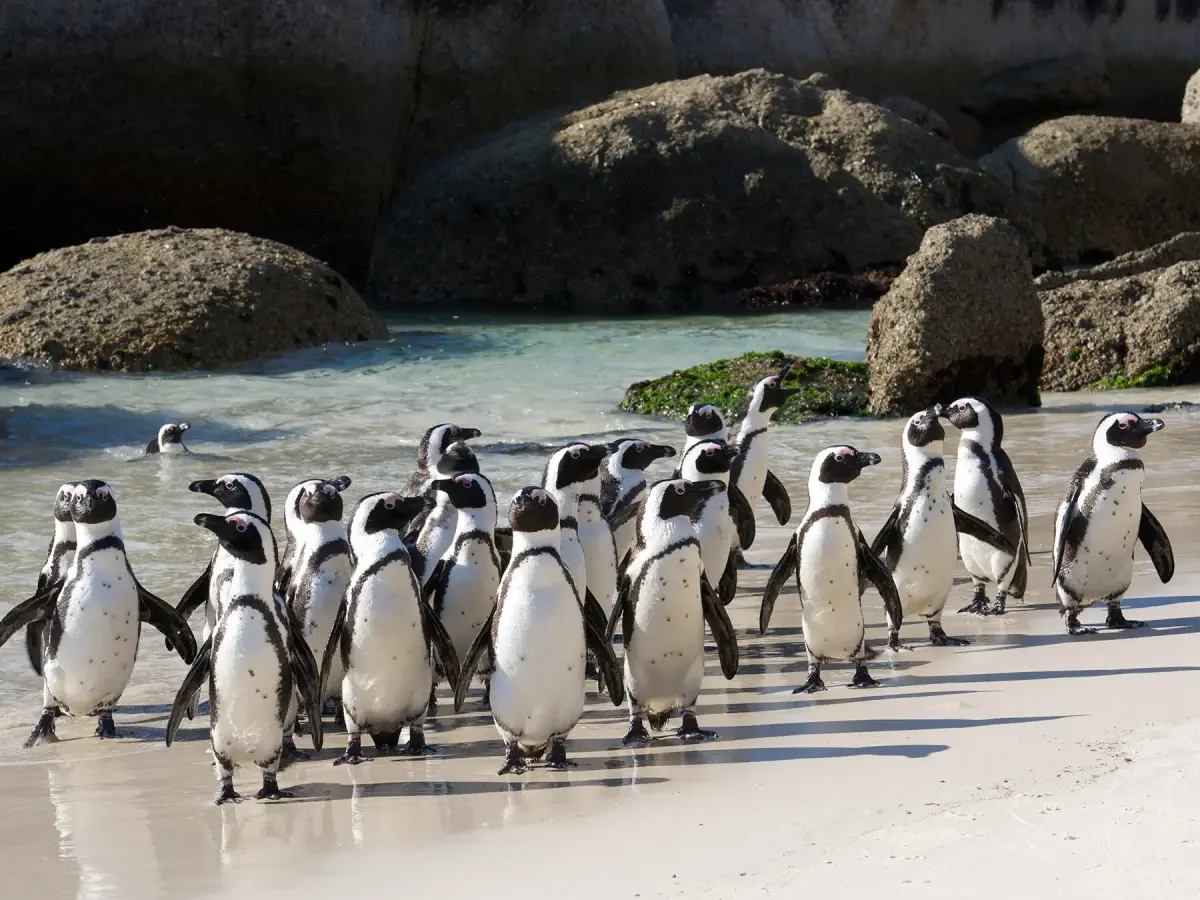
A group of penguins on land is commonly called a waddle. When these flightless birds gather together in the water, they are referred to as a raft. Other collective nouns used by researchers and enthusiasts include a colony, a rookery, or a huddle, depending on the specific behavior or location observed.
On this page
What is a group of penguins called?
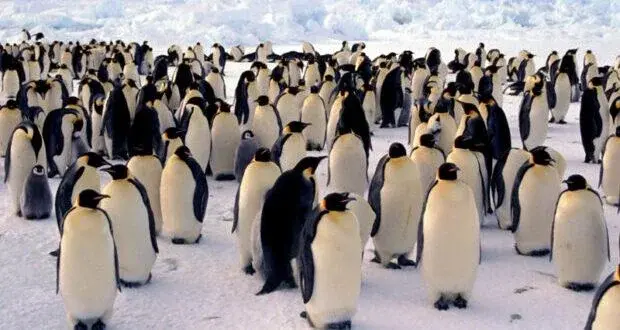
The terminology used to describe groups of penguins changes based on their environment and activity. When penguins are on land, the term "waddle" is frequently used to describe their characteristic, side-to-side walking motion. If the group is stationary or huddled together for warmth, it is often called a rookery or a colony. These terms are particularly common when referring to large breeding sites where thousands of birds congregate.
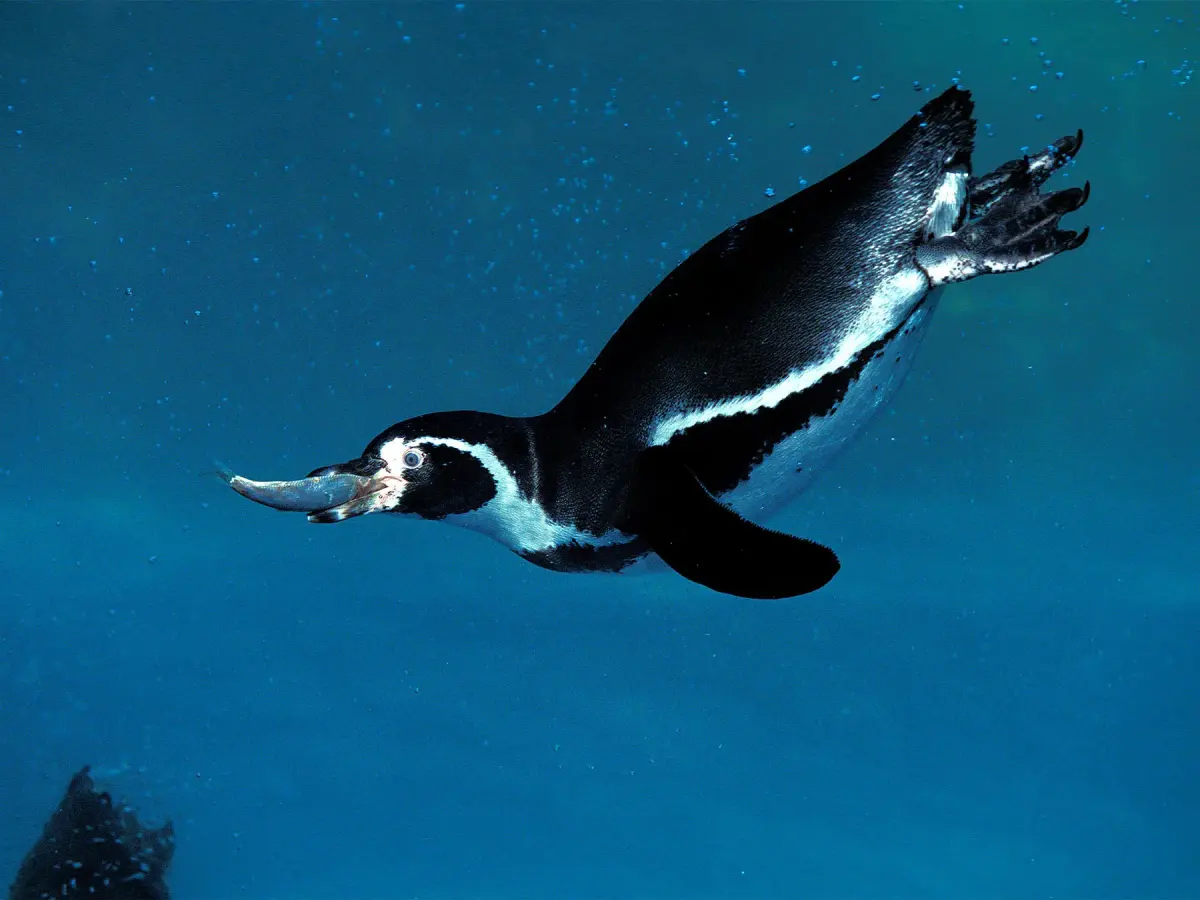
When penguins enter the ocean, the terminology shifts to reflect their aquatic behavior. A group of penguins swimming or floating together is known as a raft. This term highlights their tendency to stay close for protection against predators like leopard seals and orcas. Understanding these distinctions helps observers accurately describe penguin behavior in the wild. While these terms are standard, they are often used interchangeably in casual conversation, though scientists prefer specific labels based on the context of the observation.
Why do penguins huddle together?
Penguins, particularly species like the Emperor penguin, huddle together primarily for thermoregulation. In the harsh Antarctic environment, temperatures can drop well below freezing, and high winds increase the risk of hypothermia. By packing tightly together, the birds significantly reduce the amount of surface area exposed to the cold, effectively sharing body heat. This collective behavior is essential for survival during the long, dark winter months when food is scarce.
The huddle is a dynamic structure rather than a static formation. Penguins on the outer edge of the group eventually rotate toward the warmer center, allowing those who were previously in the middle to move to the periphery. This constant, slow-moving rotation ensures that no single bird remains exposed to the freezing wind for too long.
- The core of a huddle can reach temperatures as high as 37 degrees Celsius (98.6 degrees Fahrenheit).
- Wind speeds are reduced by up to 90 percent within the center of the formation.
- Huddling allows penguins to reduce their energy expenditure, which is critical when they are fasting during the incubation period.
How to identify a penguin colony
Identifying a penguin colony requires careful observation of landscape features and behavioral cues. Penguins generally return to the same breeding grounds, known as nesting sites, year after year. These locations are often characterized by rocky outcrops, coastal beaches, or flat ice shelves that provide easy access to the sea. During breeding season, the noise levels near a colony increase dramatically as birds use vocalizations to locate their mates and chicks.
If you are observing a colony, look for the following indicators:
- High concentrations of guano, which often leave distinct white stains on the surrounding rocks or ice.
- Constant movement of individuals traveling between the water's edge and the nesting area.
- Distinctive vocalizations, which are unique to each penguin species and help individuals identify their partners in a crowded rookery.
- The presence of nests made from pebbles, twigs, or feathers, depending on the species and available materials.
Common mistakes when observing penguins
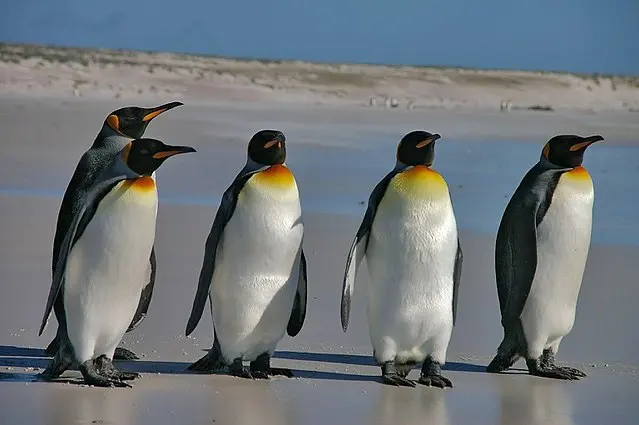
One of the most frequent mistakes observers make is approaching a colony too closely. Penguins are highly sensitive to human presence, and sudden movements or loud noises can cause them to panic. This stress can lead to the abandonment of eggs or chicks, leaving them vulnerable to predators or harsh weather. Maintaining a respectful distance is vital for the safety of the birds and the integrity of their social structure.
Another common error is misidentifying the species or the purpose of the gathering. Not every group of penguins is a breeding colony; some may be juvenile groups or birds molting on the shore. Molting penguins are particularly vulnerable because they cannot enter the water to feed until their new feathers grow in. During this time, they remain on land and require complete peace and quiet to conserve their energy. Always check local guidelines regarding wildlife viewing distances to ensure that your presence does not disrupt their natural life cycle.
Where do penguins live and gather?
Penguins are found almost exclusively in the Southern Hemisphere, ranging from the icy coasts of Antarctica to the temperate islands of the Galapagos. Their distribution is largely dictated by ocean currents, which bring nutrient-rich waters to the surface and support the fish, krill, and squid they rely on for food. Because they are flightless, their ability to travel is limited to swimming, which restricts their range to coastal areas where they can easily move between land and sea.
Different species have adapted to various climates, which influences how they gather.
- Emperor and Adélie penguins are restricted to the Antarctic continent and pack ice.
- Gentoo and Chinstrap penguins are found on sub-Antarctic islands.
- Magellanic and Humboldt penguins favor the warmer, temperate coasts of South America.
- Galapagos penguins live near the equator, utilizing the cool Humboldt Current to survive in tropical conditions.
Regardless of the specific geography, the social nature of these birds remains a constant, as they rely on their groups for protection, breeding success, and warmth throughout their lives.
Key facts
- A group of penguins on land is commonly referred to as a "waddle."
- When penguins are gathered together in the water, they are known as a "raft."
- A large, dense group of penguins breeding together is called a "colony" or a "rookery."
- The term "huddle" is specifically used when penguins group together to conserve heat in extreme cold.
- Avoid using the term "flock" for penguins, as it is generally reserved for flying birds.
- Scientists often use the term "aggregation" when describing large, non-specific gatherings of penguins in research papers.
The bottom line
The collective noun for a group of penguins depends entirely on their location and behavior. You should use "waddle" for those on land and "raft" for those swimming in the water. While "colony" is the standard term for a breeding site, "huddle" describes their unique heat-saving formation. Understanding these distinctions helps clarify how these flightless birds navigate their harsh, social environments throughout the year.
People also ask
Why do penguins huddle together in the winter?
Penguins huddle to share body warmth and protect themselves from freezing Antarctic winds. By rotating positions, individuals on the cold outer edge can move toward the warmer center.
How many penguins can be in a single colony?
Some king penguin colonies can contain hundreds of thousands of birds. These massive gatherings are essential for safety and successful breeding cycles.
Do all penguin species live in large groups?
Most penguin species are social and nest in colonies, but some species like the yellow-eyed penguin prefer more solitary nesting sites. Even these species remain social while foraging at sea.
How do penguins find each other in a large colony?
Penguins use distinct vocalizations, or calls, to identify their mates and chicks among thousands of others. This acoustic recognition is vital for survival in crowded rookeries.
Is it dangerous for penguins to be in such large groups?
While colonies provide protection from predators, they also facilitate the rapid spread of parasites and diseases. Penguins must balance the benefits of social warmth with these health risks.
Can penguins survive if they are separated from their group?
Penguins are highly social creatures that rely on group dynamics for protection and hunting success. A solitary penguin is significantly more vulnerable to predators and environmental stressors.
This answer was created with the help of AI research tools and reference sources. Spotted an error? Let us know — we correct mistakes quickly. See our editorial policy.