What is a group of bats called?
Short answer
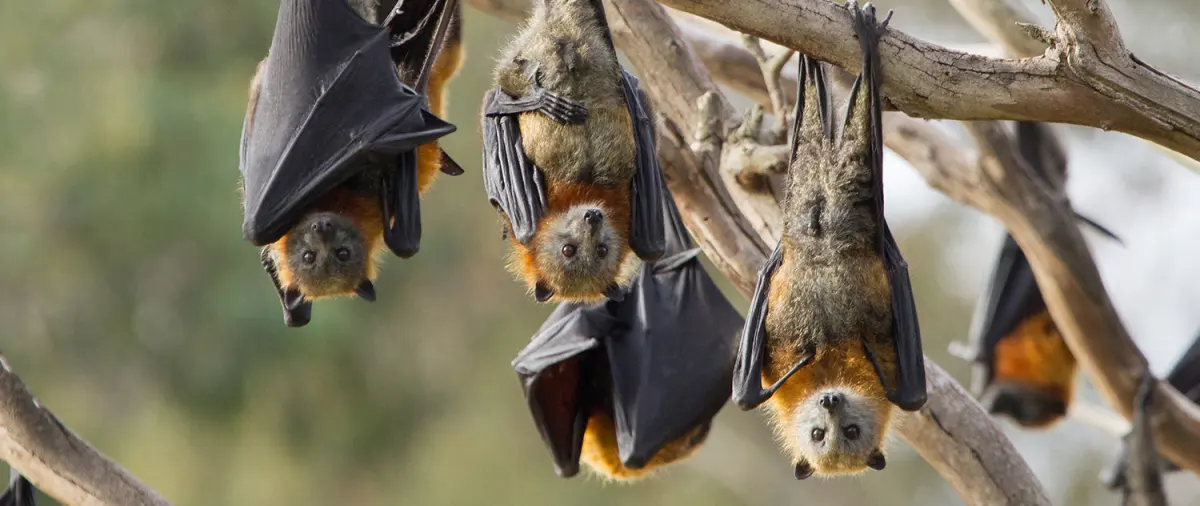
A group of bats is most commonly called a colony. While "cloud" or "camp" are sometimes used in casual conversation or literature, these terms are not standard scientific terminology. In biological contexts, researchers almost exclusively refer to these aggregations as colonies, reflecting the social and communal nature of bat living arrangements.
On this page
Why do bats live in colonies?
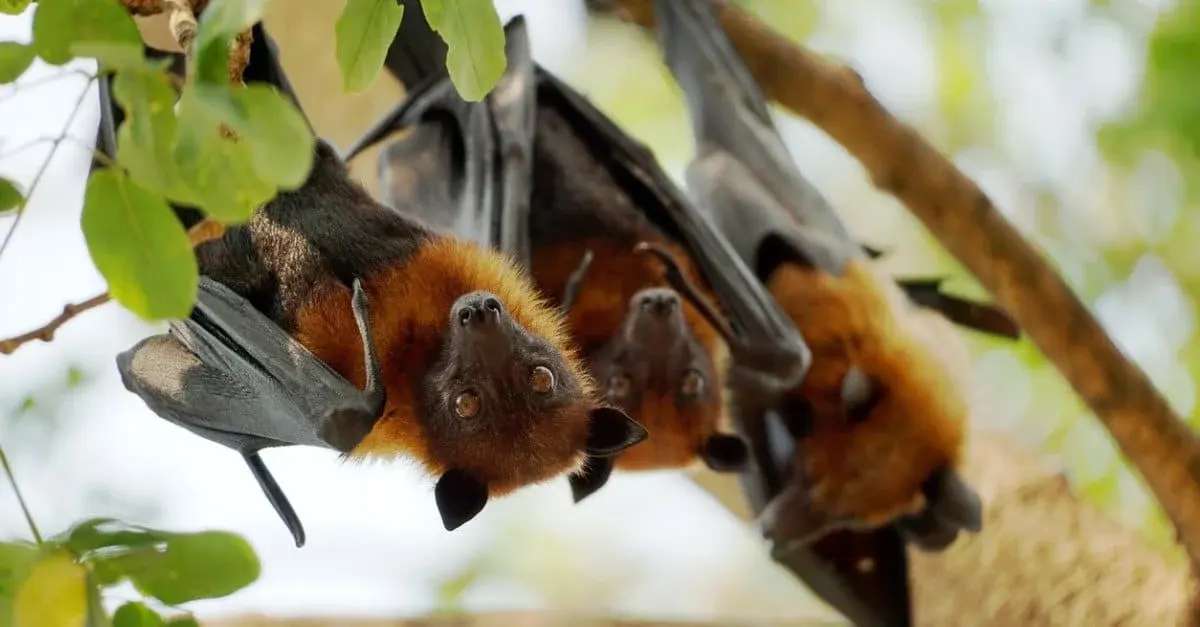
Bats are highly social mammals that derive significant survival advantages from living in large groups. By clustering together in caves, tree hollows, or man-made structures, they can maintain a stable microclimate, which is essential for conserving energy during daily torpor or seasonal hibernation. This collective warmth is particularly vital for nursery colonies, where mothers gather to raise their pups in a protected, temperature-controlled environment.
Beyond thermal regulation, living in a colony provides a robust defense mechanism against predators. When thousands of bats emerge from a roost simultaneously, it creates a "dilution effect" that makes it difficult for hawks, owls, or snakes to target an individual. Furthermore, colony life facilitates social learning and information sharing. Bats have been observed following successful foragers to productive feeding grounds, ensuring that the entire group benefits from the collective knowledge of the population's most experienced members.
How do scientists classify bat groups?
While "colony" is the standard term, biologists often use more specific descriptors depending on the function or composition of the group. These classifications help researchers track population dynamics and reproductive health across different species. Understanding these distinctions is crucial for conservation efforts, as different types of colonies have varying levels of sensitivity to human disturbance.
- Nursery Colony: A group consisting primarily of adult females and their dependent offspring.
- Hibernaculum: A site where bats congregate specifically to hibernate during winter months.
- Bachelor Colony: A group of males that roost together outside of the breeding season.
- Roosting Aggregate: A general term for any group of bats found resting in a specific location.
These groupings are not always permanent. Many species exhibit "fission-fusion" social structures, where the colony frequently splits into smaller subgroups and reforms throughout the night or season. This dynamic behavior allows bats to balance the benefits of social interaction with the need to minimize competition for food in a specific area.
Where can you observe bat colonies?
Observing a bat colony is a rewarding experience, but it requires patience and a commitment to animal welfare. Many large colonies are found in karst landscapes, where limestone caves provide the deep, dark, and humid conditions that many species prefer. In urban or suburban areas, bats may occupy attics, abandoned buildings, or specialized bat houses designed to mimic natural roosting conditions.
If you are interested in viewing a colony, follow these guidelines to ensure both your safety and the well-being of the bats:
- Research local bat species to identify their active hours and preferred roosting habitats.
- Locate a public viewing site, such as a bridge or park, where bats are known to emerge at dusk.
- Bring binoculars or a night-vision device to observe the emergence without needing to approach the roost directly.
- Maintain a distance of at least 50 feet to avoid startling the animals or causing them to abandon their young.
Common mistakes when interacting with bats
One of the most frequent errors people make is attempting to handle bats found on the ground. A bat that is grounded during the day is often injured, sick, or a young pup that has fallen from the roost. Handling these animals without professional training is dangerous, as it risks exposure to diseases such as rabies. Always contact a local wildlife rehabilitator or animal control agency if you encounter a bat in distress.
Another common mistake is the improper sealing of buildings. If you discover a colony living in your attic, do not seal the entry points while the bats are inside. This will trap them, leading to their death and potential odor issues for your home. Instead, use "bat exclusion" devices that allow bats to exit the structure but prevent them from re-entering. It is also critical to avoid exclusion during the summer maternity season, as flightless pups will be left behind to die, which is both inhumane and often illegal under local wildlife protection laws.
Why is it important to protect bat colonies?
Bats play an indispensable role in global ecosystems as primary predators of night-flying insects and as essential pollinators for various plant species. A single colony can consume tons of agricultural pests annually, saving farmers significant costs in pesticides. Because many species are long-lived and have low reproductive rates, the loss of a single colony can have devastating, long-term impacts on the local environment and the species' overall population stability.
Conservationists focus on protecting roosting sites from habitat destruction and human encroachment. White-nose syndrome, a fungal disease, has decimated millions of bats across North America by waking them during hibernation and causing them to deplete their fat reserves. Protecting healthy colonies and monitoring for signs of disease is the current priority for wildlife biologists. By maintaining the integrity of these groups, we ensure that these fascinating mammals continue to provide their vital ecological services for future generations to study and appreciate.
Key facts
- A group of bats is most commonly referred to as a colony.
- Scientists sometimes use the term "camp" to describe a group of bats roosting in trees.
- While "cloud" or "cauldron" are occasionally used in literature, these are not standard scientific terms.
- Most bat colonies are formed for protection, heat conservation, and social interaction.
- Some colonies, such as those of the Mexican free-tailed bat, can contain millions of individuals.
- Avoid using the term "flock," as bats are mammals and do not belong to the biological class Aves.
The bottom line
While you may encounter creative terms in literature, the accurate and standard scientific term for a group of bats is a colony. These social structures are vital for the survival of many species, providing essential warmth and protection. Understanding that bats are highly social mammals helps clarify why they congregate in such massive numbers, often creating impressive spectacles as they emerge from their roosts at dusk.
People also ask
Why do bats live in such large groups?
Bats congregate in large numbers to share body heat during sleep and to protect themselves from predators. Living in a colony also provides social benefits, such as information sharing about the best foraging locations.
Do all bat species live in colonies?
No, not all bats are social. While many species are colonial, some species, such as certain types of solitary bats, prefer to roost alone or in very small family groups.
How do bats find their way back to their colony?
Bats use a combination of echolocation, visual landmarks, and a strong sense of smell to navigate back to their roosting site. They are highly territorial and possess a remarkable memory for their specific home environment.
Is it dangerous to be near a bat colony?
It is generally advised to observe bat colonies from a distance. Disturbing a roost can cause the animals stress, and direct contact should be avoided due to the risk of zoonotic diseases.
How many bats can live in one colony?
The size of a colony varies drastically by species and location. Some caves in Texas house millions of Mexican free-tailed bats, while other species may form colonies consisting of only a few dozen individuals.
What is the difference between a roost and a colony?
A roost is the physical location where bats sleep, such as a cave, tree hollow, or building. A colony refers to the social group of bats that occupies that specific roosting site.
This answer was created with the help of AI research tools and reference sources. Spotted an error? Let us know — we correct mistakes quickly. See our editorial policy.